
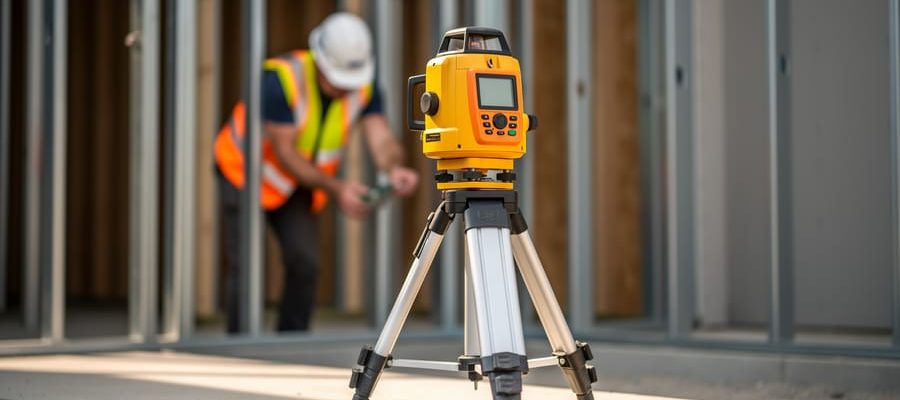

Inspect every tool before and after each rental period, checking for worn cables, cracked housings, damaged guards, and loose components that could cause injury or equipment failure. Document your findings in a standardized checklist that covers electrical systems, mechanical parts, safety features, and operational controls—this creates accountability and helps identify patterns of wear across your inventory.
Establish a color-coded tagging system where green tags indicate tools ready for rental, yellow tags mark equipment needing minor repairs, and red tags immediately remove dangerous tools from circulation. This visual system allows staff and customers to quickly identify tool status without consulting paperwork, reducing the risk of someone accidentally renting compromised equipment.
Train every team member on specific inspection criteria for each tool category, from power drills to pressure washers, because generic safety checks miss equipment-specific hazards. A circular saw inspection differs dramatically from a pneumatic nailer inspection, and your staff needs to recognize warning signs unique to each tool type.
Create a digital inspection log that tracks maintenance history, usage frequency, and repair costs for each tool in your fleet. This data reveals which equipment requires more frequent inspections, helps predict replacement schedules, and demonstrates your commitment to safety when customers ask about your protocols. Community feedback from renters often highlights issues inspectors might miss during routine checks, so incorporate user reports into your inspection process to catch problems before they escalate into accidents.
A robust safety inspection program protects your customers, reduces liability exposure, and builds the trust that turns first-time renters into repeat customers who recommend your business to others.
What Is a Tool Safety Inspection Program?

The Difference Between User Checks and Professional Inspections
User checks are quick, visual assessments performed before each use—think of them as your daily safety habit. When you pick up a power drill, you’re looking for obvious issues: frayed cords, cracked housings, loose parts, or unusual sounds during a brief power-on test. These take just a minute or two and help catch problems before they become hazards. Any user, whether renting equipment or using their own tools, should perform these basic checks every time.
Professional inspections, on the other hand, are comprehensive evaluations conducted by trained technicians on a scheduled basis. These involve disassembling components, testing electrical systems with specialized equipment, measuring wear on parts against manufacturer specifications, and documenting findings in detail. Professional inspections typically happen monthly, quarterly, or annually depending on equipment usage and risk level.
The key difference? User checks catch obvious, immediate dangers, while professional inspections identify hidden wear, calibration drift, and potential failures before they’re visible. Both are essential layers of protection. As one community member noted in their review, “I caught a damaged guard during my pre-use check, but the rental company’s inspection had already flagged internal motor wear I’d never have spotted.” Use daily checks for surface-level safety; rely on professional inspections for deep preventive maintenance.
Why Safety Inspection Programs Matter for Tool Hire
Real Consequences: When Inspections Are Skipped
The consequences of skipping tool inspections aren’t just theoretical—they’ve resulted in real injuries and property damage that could have been prevented. Community members who rent and use power tools regularly have shared experiences that underscore why inspection programs matter.
One contractor reported a close call when a rented circular saw’s blade guard failed mid-cut. The guard had been cracked during a previous rental but wasn’t caught during return processing. Fortunately, the user noticed the issue before starting work, but the near-miss highlighted how a single overlooked defect could have caused serious injury.
Another frequent concern from DIY enthusiasts involves ladder safety. Multiple users have posted reviews about receiving extension ladders with worn or missing safety feet—the rubber grips that prevent slipping. In one case, a homeowner sustained minor injuries when a ladder shifted during use. A proper inspection would have identified the wear pattern and removed the ladder from circulation.
Electrical tool failures represent another preventable hazard. Community feedback reveals several incidents where frayed power cords went unnoticed, creating shock risks. One user discovered exposed wiring on a drill only after starting their project, emphasizing why pre-rental inspections protect everyone involved.
These real-world examples demonstrate that inspection programs aren’t bureaucratic hurdles—they’re essential safeguards. When rental businesses and users work together to identify problems before tools leave the shop, everyone benefits. The good news? Nearly all these incidents were preventable through consistent, thorough inspection protocols that check for visible damage, functional safety features, and general wear.
Core Components of an Effective Tool Inspection Protocol
Visual Inspection Checklist
Visual inspection is your first line of defense in identifying potential safety hazards before they cause injury or equipment failure. This systematic approach doesn’t require specialized training, just a keen eye and methodical attention to detail.
Start by examining the tool’s housing and body for cracks, dents, or signs of impact damage. Even hairline cracks can compromise structural integrity and expose internal components to dust and moisture. Check all safety guards and shields to ensure they’re securely attached, properly aligned, and free from warping or breakage. Guards that have been removed, modified, or are missing entirely represent immediate red flags that must be addressed before use.
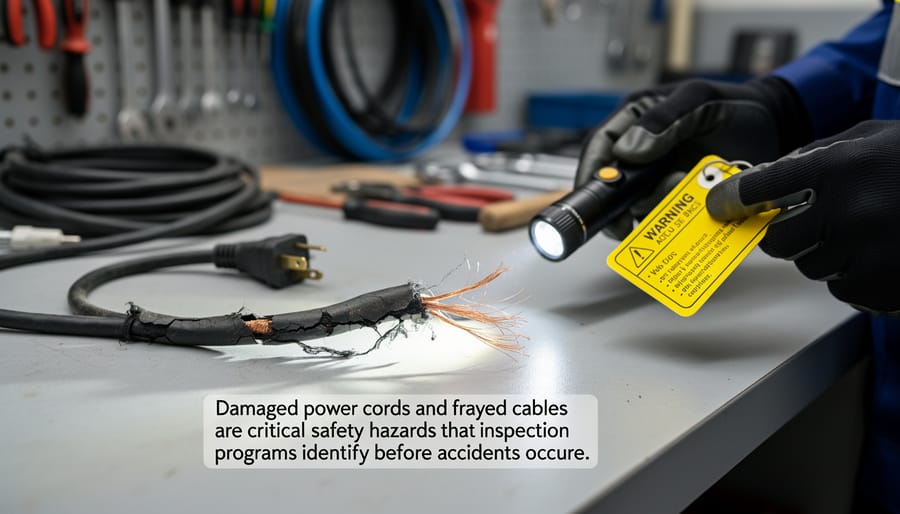
Next, focus on electrical components. Inspect power cords from plug to tool for any signs of wear, exposed wiring, or makeshift repairs using electrical tape. Damaged electrical cords are among the most common yet preventable hazards in workshops and job sites. Check that plug prongs aren’t bent, loose, or discolored from overheating.
Examine moving parts for excessive wear, including blades, bits, and bearings. Look for rust, corrosion, or pitting on metal surfaces, which can indicate exposure to moisture or chemicals. These deteriorated areas often become weak points that fail under stress.
Don’t overlook labels and markings. Faded or missing safety labels, voltage ratings, and operational instructions should be replaced to maintain clear communication about proper use. According to community feedback, many users report that visible wear patterns often signal underlying mechanical issues worth investigating further before operation.
Functional Testing Requirements
Testing tool functionality goes beyond visual checks—you need to verify that everything operates safely under actual conditions. Start with power tools by conducting a brief test run in a controlled environment. Listen for unusual sounds like grinding, rattling, or motor hesitation that might indicate internal problems. Check that safety features like blade guards, trigger locks, and emergency stops engage and disengage smoothly.
For corded tools, inspect the power switch by turning it on and off several times to ensure consistent response. Cordless tools should hold a charge appropriately—batteries that drain unusually fast may need replacement. Test variable speed controls across their full range to confirm smooth operation without sticking or jumping.
Hand tools require functional testing too. Open and close adjustable wrenches to verify smooth adjustment mechanisms. Test ratchets in both directions, and ensure measuring tools provide accurate readings by comparing against a known standard.
Equipment controls deserve special attention. Test all buttons, levers, and adjustment mechanisms to confirm they respond predictably. For ladders and scaffolding, verify that locking mechanisms engage fully and don’t slip under light pressure. Document any tools that fail functional tests and remove them from service immediately until repairs are completed. Community feedback often highlights functional issues that might not appear during quick checks, so review user reports as part of your testing protocol.
Documentation and Record-Keeping
Proper documentation forms the backbone of any effective safety inspection program. Think of inspection logs as your tool’s medical records—they tell the complete story of each piece of equipment’s condition over time. Every inspection should be recorded with the date, inspector’s name, findings, and any actions taken. This creates a clear trail that protects both rental businesses and users.
Maintenance history tracking helps identify patterns that might otherwise go unnoticed. For example, if a particular drill model consistently develops chuck problems after 50 rentals, you can address the issue proactively. Digital records make this analysis easier, but even a simple spreadsheet works well for smaller operations.
Documentation also creates accountability. When inspectors sign off on their work, they take ownership of safety standards. For renters, reviewing a tool’s inspection history before pickup builds confidence and demonstrates the rental provider’s commitment to quality. Many community members report that visible documentation—like inspection tags attached to tools—gives them peace of mind.
Keep records for at least two years, or longer if required by local regulations. This protects everyone involved and provides valuable data for improving your inspection processes over time.
Step-by-Step: Implementing Your Inspection Program
Creating Your Inspection Schedule
Building an effective inspection schedule starts with understanding three key factors: what type of tools you’re working with, how frequently they’re used, and what the manufacturer recommends.
For hand tools like hammers, wrenches, and screwdrivers, visual inspections before each use are typically sufficient. Check for cracks, loose handles, or worn grips. Power tools require more attention. Drills, saws, and sanders should undergo thorough inspections weekly if used daily, or monthly for occasional use. This includes checking cords, switches, guards, and blade conditions.
Heavy-duty equipment demands stricter protocols. Ladders, scaffolding, and pneumatic tools need formal inspections at least monthly, with documented results. Always consult manufacturer guidelines, as they’ll specify inspection intervals based on safety standards and typical wear patterns.
Usage intensity matters significantly. A circular saw used on five job sites weekly needs more frequent checks than one used occasionally for home projects. Create a regular maintenance schedule that reflects actual usage patterns rather than arbitrary timeframes.
Document everything. A simple logbook noting inspection dates, findings, and any repairs creates accountability and helps identify recurring issues. Community feedback from fellow tool users can also reveal common problem areas worth monitoring more closely.
Training Staff or Yourself to Inspect Properly
Effective inspections start with proper training. Begin by creating a simple checklist specific to each tool category—power tools, ladders, hand tools, and equipment all have different failure points. Walk through actual inspections together, pointing out what normal wear looks like versus damage that requires immediate removal from service.
Understanding pass or fail criteria is crucial. A pass means the tool functions as designed with all safety features intact—guards in place, cords without fraying, blades sharp but not chipped. Fail conditions include any missing safety components, exposed wiring, cracked housings, excessive vibration, or worn parts that affect performance. When in doubt, err on the side of caution and tag the tool for maintenance.
Train your team to recognize the difference between cosmetic issues and safety concerns. Surface scratches might look bad but don’t affect function, while a hairline crack in a ladder rung is a definite fail. Document real-world examples from your own inventory to build a reference library.
Community feedback can be invaluable here. Encourage users to report concerns they notice, even minor ones. This crowdsourced vigilance helps catch issues between formal inspections. Remove any questionable tool immediately and assess it thoroughly before returning it to circulation. Remember, no rental fee is worth compromising someone’s safety.
Tools and Resources You’ll Need
Running an effective safety inspection program requires having the right tools on hand. Start with basic testing equipment specific to your tools: multimeters for checking electrical systems, torque wrenches for verifying proper settings, and measuring devices like calipers or gauges to check for wear tolerances. Power tool users should consider circuit testers and ground fault indicators.
Documentation is equally important. Create or download inspection checklists tailored to each tool category, which many rental facilities and workplace safety resources provide free of charge. Digital options like smartphone apps allow you to photograph issues and time-stamp inspections instantly.
Implement a clear tagging system using colour-coded labels: green for passed inspections, red for failed or unsafe equipment, and yellow for tools requiring monitoring. Include the inspection date and inspector’s initials on each tag.
Additional supplies include cleaning materials, a logbook or digital database for tracking inspection history, replacement parts inventory, and lockout devices to prevent use of failed equipment. Consider investing in a dedicated inspection station with proper lighting and workspace to ensure thorough examinations. Many community members recommend keeping a standardized toolkit specifically for inspections to maintain consistency across all checks.
What Renters Should Look For: Your Pre-Use Safety Check
Red Flags That Should Stop You Immediately
Never use a tool if you spot any of these critical warning signs. Exposed or frayed electrical cords present serious shock and fire hazards. Cracked housings or casings on power tools can expose you to moving parts or electrical components. Missing or damaged safety guards mean the tool cannot protect you as designed and should be immediately removed from service.
Look for loose or wobbly parts that indicate structural failure. Damaged or missing handles compromise your control and increase accident risk. If you smell burning, notice excessive heat, or hear unusual grinding or rattling sounds, stop immediately. These symptoms often signal internal damage that could lead to tool failure during operation.
Rust or corrosion on critical components like blades, bits, or structural elements weakens the tool’s integrity. Tools with makeshift repairs using tape, wire, or inappropriate replacement parts are dangerous shortcuts that bypass proper safety protocols.
Trust your instincts. If something feels wrong or the tool behaves unpredictably, don’t use it. Report these issues to the rental provider immediately, even if you’ve already started your rental period. A reputable rental business will appreciate your diligence and should replace the tool without penalty. Your safety and the safety of others who might rent that tool next depends on flagging these problems before someone gets hurt.

Building a Safety-First Culture in Your Tool Community
Creating a culture where safety comes first isn’t just about having policies on paper—it’s about building a community where everyone plays a role. The best safety inspection programs thrive when renters, owners, and operators work together to maintain high standards.
User feedback forms the foundation of this approach. When renters report issues they’ve noticed with tools, they’re not just helping the next person—they’re contributing valuable data that helps identify patterns and prevent accidents. Encourage renters to share their observations through simple feedback forms or quick digital surveys after each rental. This real-world intelligence often catches problems that might slip through periodic inspections.
Community-driven reviews add another layer of accountability. Public ratings and comments create transparency that benefits everyone. When rental providers know their safety practices are visible to potential customers, they’re motivated to maintain rigorous standards. For renters, these reviews offer insights into which providers take inspection protocols seriously and which might be cutting corners.
Transparent inspection policies bridge the gap between providers and users. Post inspection checklists where renters can see them. Share what happens when a tool fails inspection and how it gets addressed. Some forward-thinking rental operations even invite customers to observe portions of their inspection process, demystifying what happens behind the scenes.
This openness builds trust and educates the community about what proper tool maintenance looks like. When DIYers and professionals understand inspection standards, they’re better equipped to spot potential issues themselves and report concerns promptly.
The result is a self-reinforcing cycle: engaged users provide better feedback, which improves inspection processes, which creates safer rentals, which attracts more conscientious community members. Everyone wins when safety becomes a shared responsibility rather than a one-sided obligation.
A comprehensive safety inspection program isn’t just about protecting equipment—it’s about protecting people. Whether you’re renting tools for a weekend project, lending equipment to your neighbor, or managing a rental business, thorough inspections create a safety net that benefits everyone in our community.
As a renter, don’t hesitate to ask questions about inspection procedures or request documentation of recent safety checks. If something doesn’t look or feel right, speak up. Your observations could prevent an injury to the next user. For rental business owners, investing time in systematic inspections builds customer trust and reduces liability while fostering a reputation for reliability.
We encourage you to share your safety experiences with the community. Have you caught a potential hazard during a pre-rental inspection? Did a rental company’s thorough safety program impress you? Your stories help others learn and raise the bar for safety standards across the industry.
If you encounter unsafe equipment, report it immediately to the rental provider and document the issue. Together, we can create a culture where safety inspections aren’t just checkboxes—they’re commitments to keeping everyone safe.
Related Posts

Post a Comment