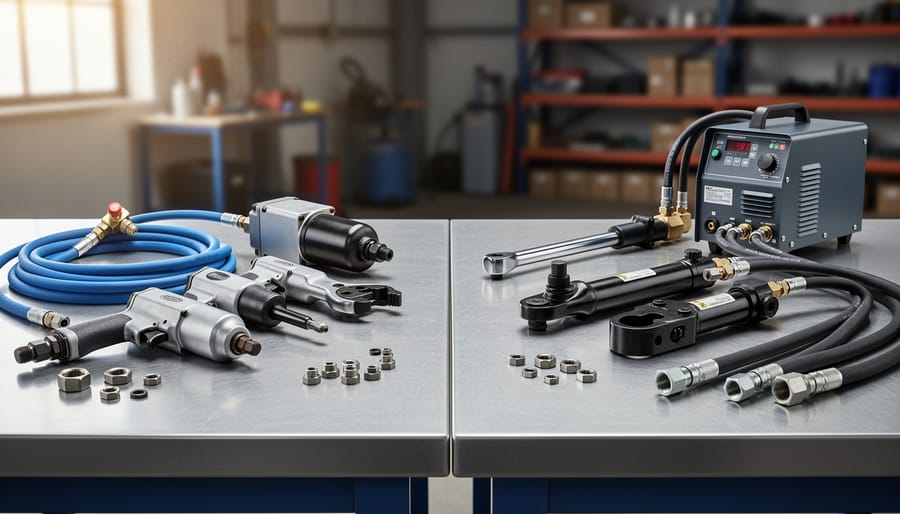
Choosing between pneumatic and hydraulic tools determines your project’s safety profile, maintenance schedule, and operating costs. Pneumatic tools use compressed air to generate power, making them lighter and safer in explosive environments since they produce no sparks. Hydraulic tools rely on pressurized fluid to deliver force, offering significantly more power for heavy-duty applications like metal cutting or concrete breaking. The fundamental difference affects everything from daily upkeep to long-term expenses.
Pneumatic systems require regular air compressor maintenance and moisture management to prevent internal corrosion, while hydraulic tools demand careful fluid level monitoring and immediate leak repairs to avoid environmental hazards. Safety considerations vary dramatically: pneumatic tools pose risks from air hose whipping and noise exposure, whereas hydraulic equipment can cause severe injection injuries from high-pressure fluid leaks. For rental decisions, pneumatics typically cost less upfront and suit repetitive, lighter tasks, while hydraulics justify higher rental rates for jobs demanding maximum force and precision. Understanding these practical differences prevents costly mistakes and jobsite accidents, whether you’re tackling weekend projects or managing professional operations.
Understanding the Core Difference: Air vs Fluid Power
How Pneumatic Tools Work
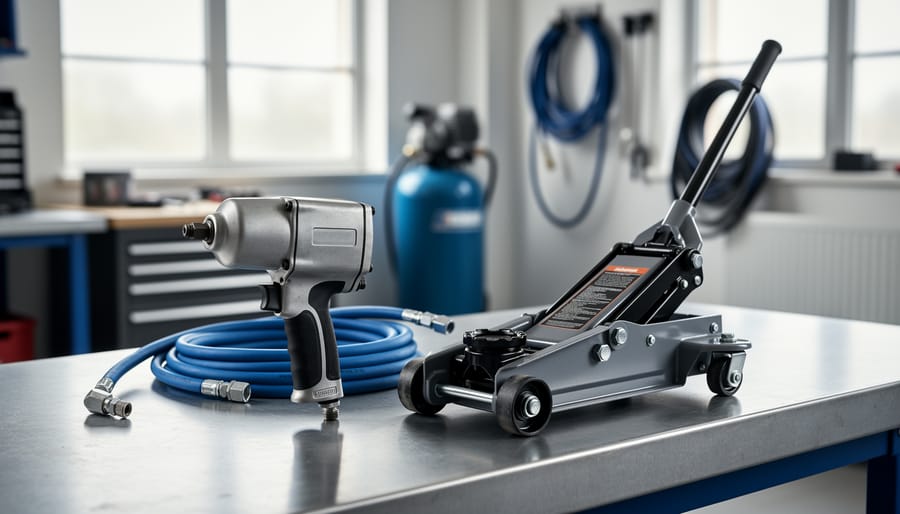
Pneumatic tools run on compressed air, making them simpler mechanically than many alternatives. Here’s how the system works: An air compressor draws in atmospheric air and squeezes it into a storage tank, increasing the pressure typically between 90-120 PSI (pounds per square inch). Think of it like inflating a tire, but on a larger scale.
When you pull the trigger on a pneumatic tool, compressed air travels from the tank through a reinforced rubber or polyurethane hose to the tool itself. Inside the tool, this pressurized air pushes against pistons, vanes, or turbines that create the rotating or hammering motion needed for your task.
The beauty of this system lies in its straightforward design. Unlike electric tools with complex motors and circuits, pneumatic tools contain fewer moving parts, which generally means less can go wrong. The compressor does the heavy lifting, while the tools themselves remain lightweight and durable.
One important consideration: air compressors need proper sizing for your application. Running multiple tools simultaneously or using high-demand equipment requires a compressor with adequate CFM (cubic feet per minute) output and tank capacity. Many rental centers can help you match the right compressor to your specific tools, ensuring you have sufficient air pressure and volume for efficient operation without constant cycling.
How Hydraulic Tools Work
Hydraulic tools operate using pressurized liquid, typically oil, to transfer force from one point to another. Think of it like a super-powered syringe system. When you push down on a small piston filled with fluid, that pressure travels through the liquid and pushes against a larger piston with significantly more force.
Here’s the basic process: A hydraulic pump, either manual or motorized, pressurizes the hydraulic fluid inside a sealed system. This fluid, which is incompressible, transmits that pressure equally throughout the entire system. When you activate the tool, a valve releases the pressurized fluid to a cylinder containing a piston. The fluid pushes the piston forward, creating the mechanical force that powers your tool’s action, whether that’s crushing, cutting, or lifting.
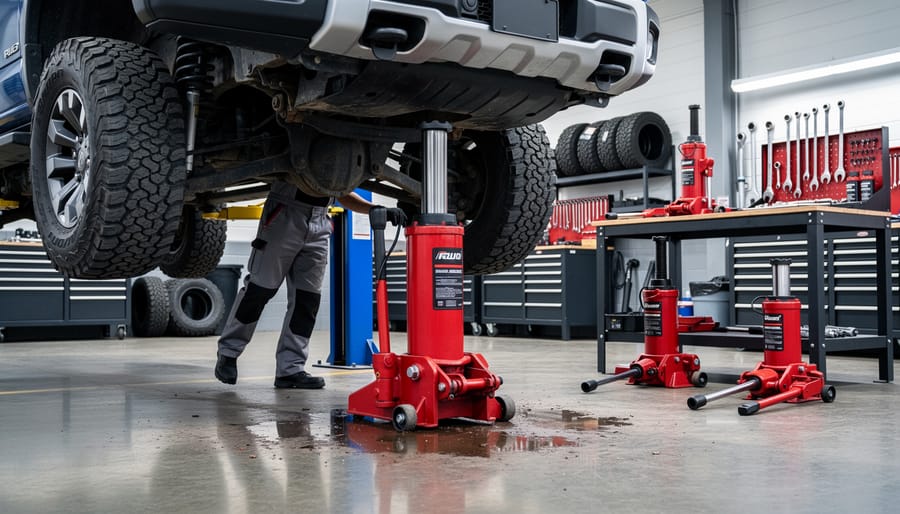
The key advantage lies in Pascal’s Law, a physics principle stating that pressure applied to a confined fluid transmits equally in all directions. This means even a small pump can generate enormous force at the tool end. For example, a modest hand pump can produce enough pressure to power a hydraulic jack capable of lifting several tons.
The system remains sealed and recirculates the fluid, making hydraulic tools incredibly efficient for heavy-duty applications where consistent, powerful force is essential.
Safety Considerations: What Can Go Wrong (And How to Prevent It)
Pneumatic Tool Safety Risks
Pneumatic tools present distinct safety challenges that every user should understand before operating them. One of the most serious risks is air hose whipping, which occurs when a hose disconnects under pressure. The hose can thrash violently, causing severe injuries to anyone nearby. Always use hose restraints or safety cables at connection points, and never exceed the manufacturer’s recommended pressure settings.
Noise exposure is another significant concern with pneumatic tools. Many air-powered tools operate at 85 decibels or higher, which can cause permanent hearing damage with prolonged exposure. Wear appropriate hearing protection like earmuffs or earplugs rated for industrial use, and take regular breaks to minimize exposure time.
Compressed air itself poses hidden dangers. Never point compressed air at yourself or others, even playfully. Air forced into the bloodstream through a cut or body opening can cause serious injury or death. Additionally, compressed air can blow debris into eyes or skin, so always wear safety glasses and avoid using air to clean clothing while wearing it.
Projectile hazards from attachments like chisels, nails, or staples require constant vigilance. Ensure all safety mechanisms are functioning through regular safety inspections, never bypass safety features, and maintain proper grip and stance. Keep bystanders clear of the work area and always disconnect the air supply before changing attachments or performing maintenance. These simple precautions significantly reduce accident risk while maximizing productivity.
Hydraulic Tool Safety Risks
Hydraulic tools operate under extreme pressure—often reaching 10,000 PSI or higher—which creates unique safety challenges you need to understand before using them. The most serious risk is fluid injection injury, where hydraulic fluid penetrates the skin through pinhole leaks or burst hoses. These injuries might look minor initially, but the pressurized fluid can travel through tissue causing severe internal damage requiring immediate medical attention and sometimes amputation if left untreated.
Pressure buildup presents another significant hazard. When hydraulic systems overheat or become blocked, pressure can exceed safe limits, causing hoses to burst or fittings to fail explosively. Always inspect hoses for bulges, cracks, or wear before each use, and never attempt repairs while the system is pressurized. Release all pressure following the manufacturer’s procedures before performing any maintenance.
Environmental concerns accompany hydraulic oil leaks. Spilled hydraulic fluid contaminates soil and water sources, and creates slippery surfaces that increase fall risks. Store absorbent materials nearby and clean spills immediately using appropriate containment methods.
Essential safety protocols include wearing protective equipment like safety glasses and gloves, keeping hands away from potential leak points, and never using your hand to check for leaks—use cardboard instead. Position yourself away from hoses and fittings during operation, as failed components can whip violently. Regular maintenance schedules matter tremendously; replace worn components before they fail, check fluid levels consistently, and maintain proper operating temperatures. Understanding these risks helps you work safely with hydraulic tools while protecting yourself and the environment.
Personal Protective Equipment for Both Systems
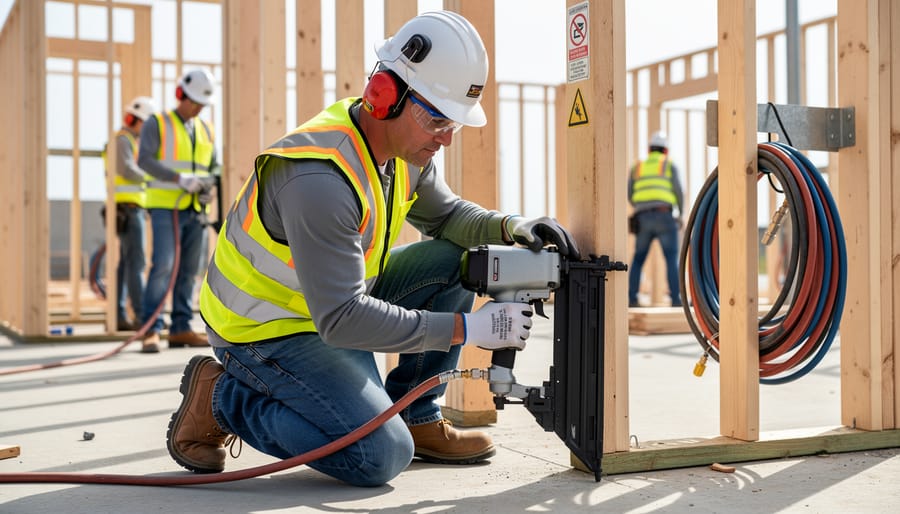
Both pneumatic and hydraulic systems require specific safety gear to protect users from distinct hazards. For pneumatic tools, always wear safety glasses or a face shield to guard against flying debris and potential air hose whip-back. Hearing protection is crucial since air-powered tools can reach 85 decibels or higher. Gloves with good grip help control vibrating tools, while steel-toed boots protect feet from dropped equipment or accidental discharge.
Hydraulic systems demand additional precautions due to high-pressure fluids. Along with safety glasses, use chemical-resistant gloves when handling hydraulic fluid, as it can irritate skin. Wear close-fitting clothing to avoid snagging on equipment, and always use face shields when working near pressurized lines that could rupture. Check our essential PPE recommendations for comprehensive guidance tailored to specific tools. Remember that proper footwear matters even more with heavier hydraulic equipment, and aprons can provide extra protection against fluid splashes during maintenance tasks.
Maintenance Requirements: Time and Money Investment
Pneumatic Tool Maintenance Essentials
Pneumatic tools require consistent upkeep to perform reliably and safely. Understanding these maintenance essentials helps you maximize tool lifespan and prevent costly breakdowns.
Start each day by lubricating your pneumatic tools. Add 3-5 drops of pneumatic tool oil directly into the air inlet before use. This simple step protects internal components from wear and prevents rust. For heavy-use situations, lubricate mid-shift as well. Many users in our community recommend installing an inline oiler on your air line for automatic lubrication, eliminating this daily task.
Moisture management is critical for pneumatic systems. Compressed air naturally contains water vapor that condenses inside tools and hoses, causing rust and reducing performance. Drain your compressor tank daily by opening the petcock valve at the bottom until water stops flowing. Install a water separator filter near your compressor and check it weekly. Replace desiccant filters according to manufacturer guidelines or when they change color.
Your compressor deserves regular attention too. Check oil levels weekly and change oil every 500 hours of operation or as specified in your maintenance schedules. Clean or replace air intake filters monthly to prevent debris from entering the system.
Inspect hoses before each use for cracks, bulges, or worn fittings. A failing hose can whip dangerously when it ruptures. Replace damaged hoses immediately rather than risking injury. Store hoses coiled loosely to prevent kinking and extend their service life.
Hydraulic Tool Maintenance Essentials
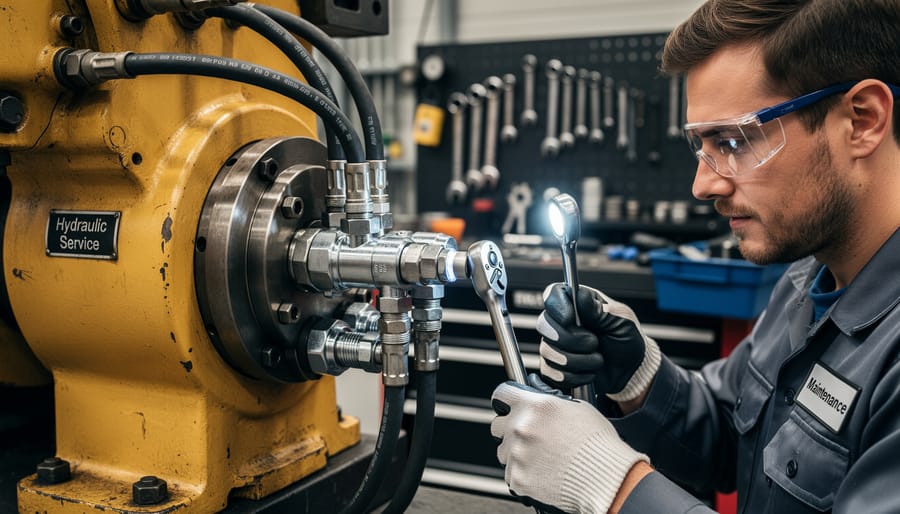
Hydraulic tools demand more hands-on care than their pneumatic counterparts, but following proper preventive maintenance routines keeps them running reliably for years. The foundation of hydraulic tool longevity starts with fluid quality. Check your hydraulic fluid regularly for contamination, discoloration, or unusual odors. Clean fluid should appear clear or light amber. If it looks milky or contains visible particles, it’s time for a change. Most manufacturers recommend fluid replacement every 1,000 operating hours or annually, whichever comes first.
Seals are your hydraulic system’s first line of defense against leaks. Inspect O-rings and seals during every use, looking for cracks, hardening, or deformation. Keep a seal replacement kit handy because worn seals are the most common cause of hydraulic failures. When replacing seals, always clean the surrounding area thoroughly and lubricate new seals with compatible hydraulic fluid before installation.
Leak prevention goes beyond seal maintenance. Check all hose connections for tightness and examine hoses for bulging, cracking, or abrasion. Even small leaks reduce system pressure and efficiency while creating slip hazards.
System bleeding removes trapped air that causes spongy operation and reduced power. To bleed your hydraulic tool, extend the ram fully, then retract it completely while the reservoir cap is loose. Repeat this cycle three to five times, topping up fluid as needed. Always consult your tool’s manual for specific bleeding procedures, as methods vary by model.
Common Maintenance Mistakes That Cost You
Community feedback reveals several costly mistakes users make with both tool types. For pneumatic tools, the biggest error is neglecting air line moisture—water buildup corrodes internal components and causes premature failure. Always drain your compressor tank daily and use inline filters. With hydraulic systems, mixing incompatible fluids tops the list. Never substitute fluids without checking manufacturer specifications, as this damages seals and pumps. Users also report overtightening fittings on both systems, which cracks connections and causes dangerous leaks. Another common oversight is skipping pre-use safety checks—always inspect hoses for cracks and connections for leaks before operation. Finally, storing tools in extreme temperatures degrades seals and fluid viscosity, leading to reduced performance and costly repairs.
Performance Showdown: Which Tool Wins for Your Job?
Power and Torque Comparison
When it comes to raw power, hydraulic tools are the heavyweight champions. They generate significantly more force per pound than pneumatic alternatives, making them ideal for heavy-duty applications like lifting vehicles, pressing metal, or demolishing concrete. Hydraulics can produce torque levels that pneumatic tools simply can’t match, which is why you’ll find them in industrial settings and professional auto shops.
Pneumatic tools, however, excel in speed and consistency. While they deliver less overall force, they provide rapid, repeated impacts that make them perfect for drilling, grinding, fastening, and cutting tasks. Think of it this way: hydraulics win for brute strength jobs, while pneumatics shine for quick, repetitive work.
For most DIY projects and home workshops, pneumatic tools offer plenty of power for tasks like framing, tire changes, and general maintenance. Professional tradespeople working with heavy machinery or structural materials will appreciate hydraulics’ muscle. The key is matching the tool’s capabilities to your actual needs rather than defaulting to maximum power, which often means higher costs and maintenance requirements you might not need.
Portability and Setup Considerations
When considering portability for your next project, pneumatic and hydraulic tools present distinctly different challenges. Pneumatic tools are generally lighter since they don’t contain heavy pumps or fluid reservoirs. A pneumatic impact wrench, for example, might weigh just 3-5 pounds compared to a hydraulic equivalent at 8-12 pounds. However, pneumatic systems require an air compressor, which adds bulk to your setup. You’ll need to factor in the compressor’s weight (often 50-100+ pounds for jobsite models) and the space it occupies in your vehicle or workspace.
Hydraulic tools offer superior portability in one key aspect: they’re self-contained. Battery-powered hydraulic tools eliminate the need for external power sources, making them ideal for remote locations or elevated work areas where dragging hoses becomes impractical. That said, hydraulic fluid reservoirs and pumps add weight to the tool itself.
Power source requirements differ significantly. Pneumatic systems need continuous compressed air, typically requiring 110V or 220V electrical outlets for the compressor. Hydraulic tools may run on batteries, manual pumps, or electric pumps, offering more flexibility in off-grid situations. For worksite practicality, consider your available power sources, workspace constraints, and how frequently you’ll relocate equipment throughout the day.
Best Applications for Each Tool Type
Based on feedback from professional contractors and DIY users, pneumatic tools excel for continuous framing work, roofing projects, and finish carpentry where speed matters most. One contractor noted that air-powered nailers handle hundreds of fasteners per day without overheating, making them ideal for large-scale construction.
Hydraulic tools shine in heavy-duty applications requiring maximum force in tight spaces. Professionals recommend them for automotive repair, metal fabrication, and demolition work. Users particularly appreciate hydraulic crimpers and presses for precision work where controlled, powerful force is essential.
For home projects, community members suggest pneumatic brad nailers for trim work and small repairs, while hydraulic jacks remain the top choice for vehicle maintenance. Weekend warriors report that pneumatic tools offer better value for multiple light-duty tasks, whereas hydraulic equipment proves worthwhile when tackling specific heavy-lifting jobs that demand reliability and raw power.
Cost Analysis: Initial Investment vs Long-Term Ownership
Upfront Costs and Rental Options
When weighing upfront costs, pneumatic tools typically run 30-50% cheaper than comparable hydraulic equipment. A professional-grade pneumatic nailer might cost $150-$400, while hydraulic tools in the same power range start around $500-$1,000. However, pneumatic systems require an air compressor, adding $200-$2,000 to your initial investment depending on capacity.
Rental rates reflect this pricing gap. Pneumatic tool rentals generally cost $15-$40 per day, with compressors adding another $30-$60 daily. Hydraulic equipment rentals range from $50-$150 per day for specialized tools. Weekly rates offer better value, typically at 3-4 times the daily rate.
For occasional users, exploring tool rental options makes financial sense. A weekend project requiring hydraulic equipment might cost $100-$200 to rent versus $800+ to purchase. Professional tradespeople using tools daily often reach the break-even point within 6-12 months of regular use.
Consider maintenance costs too. Pneumatic tools need regular oiling and filter changes, while hydraulic systems require fluid replacements and seal inspections. These ongoing expenses can add $50-$200 annually depending on usage intensity.
Operating Costs Over Time
Understanding the ongoing costs of pneumatic versus hydraulic tools helps you budget more accurately for your projects. Pneumatic tools typically have lower operating costs since compressed air is relatively inexpensive to generate. However, air compressors do consume electricity, and you’ll need to factor in energy costs based on your usage patterns. Pneumatic systems require minimal consumables—mainly occasional lubricating oil for the tools themselves.
Hydraulic tools have higher consumable costs. Hydraulic fluid needs regular monitoring and replacement, especially if contamination occurs. Quality hydraulic oil isn’t cheap, and you’ll also need replacement seals and hoses more frequently than pneumatic components. These fluids can be messy to handle and require proper disposal.
Maintenance expenses differ significantly too. Pneumatic tools generally need less frequent servicing—mainly cleaning air filters and checking connections for leaks. Hydraulic systems demand more attention: inspecting hoses for wear, checking fluid levels, and replacing filters regularly. A hydraulic leak means immediate repair costs plus cleanup.
For occasional DIY users, pneumatic tools usually offer better value over time. Professional tradespeople using tools daily might find either system cost-effective depending on their specific applications. Community reviews consistently show that proper maintenance reduces long-term costs for both systems, but pneumatic tools edge ahead for budget-conscious users seeking lower maintenance commitments.
Making the Right Choice for Your Needs
Choosing between pneumatic and hydraulic tools doesn’t have to be complicated when you break it down by your specific situation. Let’s look at what matters most in making this decision.
For occasional home projects and light-duty work, pneumatic tools typically offer the best value. “I needed a nail gun for installing trim in three rooms,” shares Mike R., a homeowner from Oregon. “Renting a pneumatic system made perfect sense. It was lighter, easier to use, and cost half as much as the hydraulic option.” Pneumatic tools shine when portability matters and you’re working above ground level or in tight spaces.
Budget-conscious users should consider frequency of use. If you’re tackling a one-time project, rental costs for pneumatic equipment run significantly lower. However, professional contractors working daily with heavy materials often find hydraulic tools worth the investment. “We switched to hydraulic systems for our demolition work after constantly replacing pneumatic tools,” explains Sarah T., a construction foreman. “The upfront cost hurt, but three years later, they’re still going strong with minimal maintenance.”
Your skill level also plays a role. Pneumatic tools are generally more forgiving for beginners, with simpler controls and less risk of fluid leaks. Hydraulic systems require understanding pressure gauges and fluid maintenance, though many users report the learning curve isn’t steep.
Community recommendations consistently point toward pneumatic for framing, roofing, and finish carpentry. Hydraulic tools get top marks for concrete breaking, heavy lifting, and industrial applications requiring consistent power over long periods.
Consider your workspace too. Do you have reliable compressed air access? Can you manage an air compressor’s noise? These practical questions often make the decision clearer than any specification sheet.
Both pneumatic and hydraulic systems have earned their place in workshops, job sites, and home garages. There’s no universal winner, only the right tool for your specific project. Pneumatic tools shine when you need speed, lightweight handling, and lower upfront costs, while hydraulic systems deliver unmatched power for heavy-duty applications. The key is matching the system to your actual needs rather than chasing the most powerful option.
Safety should always guide your decision. Remember that pneumatic systems require proper air pressure management and hearing protection, while hydraulic tools demand vigilance against fluid leaks and line failures. Regular maintenance keeps both systems performing reliably and safely, whether that’s draining moisture from compressor tanks or checking hydraulic fluid levels.
Before committing to a purchase, consider exploring tool rental options to test different systems on real projects. Hands-on experience beats spec sheets every time.
We’d love to hear from your experience. Which system do you prefer for your projects? Have you discovered maintenance tips that keep your tools running smoothly? Share your insights in the comments below to help fellow DIYers and tradespeople make informed decisions. Your real-world feedback strengthens our community and helps others avoid costly mistakes.
Related Posts