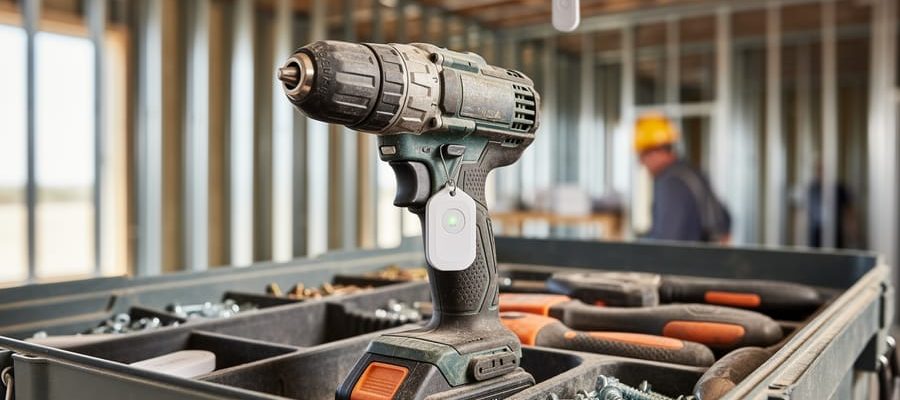
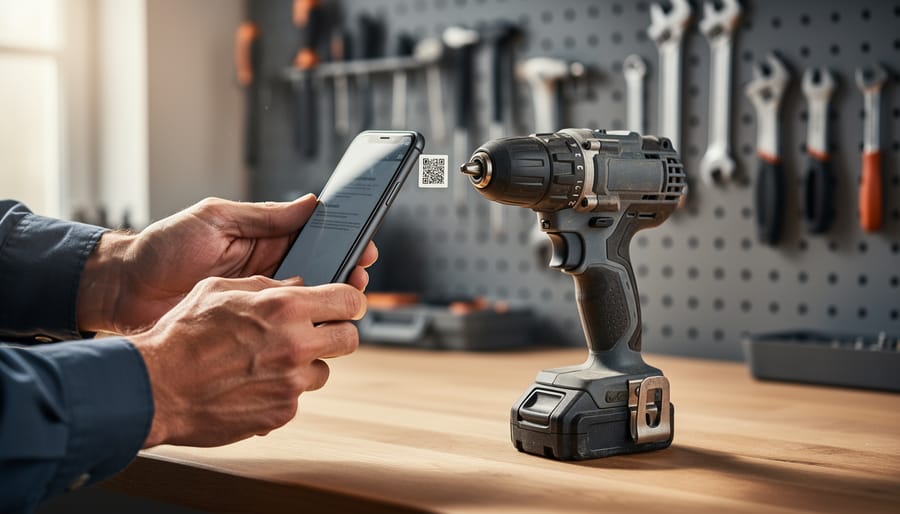
Every power drill, circular saw, and air compressor you rent or own will soon carry a digital identity card that tells its complete life story. Digital Product Passports (DPPs) are scannable codes embedded in tools that unlock instant access to user manuals, maintenance records, safety certifications, repair histories, and environmental impact data—all stored in a secure digital format accessible through your smartphone.
This technology matters because it solves problems you face daily. When you pick up an unfamiliar rental tool, you no longer need to search online for operating instructions or wonder when it was last serviced. Scan the QR code on the tool, and you immediately see verified maintenance dates, previous issues, usage hours, and step-by-step setup guides. For rental businesses, DPPs eliminate paperwork nightmares by automatically tracking which customer has which tool, when service intervals are due, and whether warranty coverage still applies.
The European Union is making DPPs mandatory for many product categories by 2026, and tool manufacturers are already implementing them to meet sustainability regulations and consumer demand for transparency. As someone who relies on tools—whether you’re a weekend warrior tackling home projects or a contractor managing equipment fleets—understanding DPPs now prepares you for a shift that will fundamentally change how you select, use, and maintain every tool in your arsenal. This guide explains what information these passports contain, how they benefit you directly, and what practical steps you can take today.
What Exactly Is a Digital Product Passport?
The Technology Behind the Passport
Behind every digital product passport are three key technologies working together to store and share information about your tools.
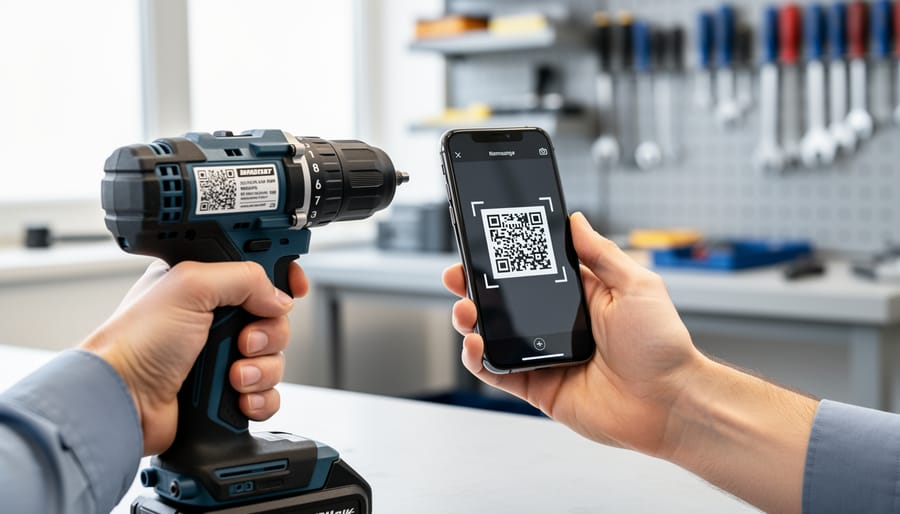
QR codes are the most visible part of the system. You’ve likely scanned these square barcodes with your smartphone camera dozens of times. On tools, they’re typically etched or printed on the body, and scanning one instantly pulls up the product’s digital passport. For example, a Milwaukee drill might have a QR code on its battery compartment that reveals its maintenance history, user manual, and warranty details.
RFID tags (Radio Frequency Identification) take things further. These tiny chips, embedded inside the tool, can be read without direct line-of-sight scanning. Rental businesses particularly benefit from this technology. When you return a cordless saw to a rental shop, RFID readers can automatically log it back into inventory and check its usage hours without staff needing to manually scan anything. Think of it like the tap-and-go payment on your credit card, but for tracking tool information.
Blockchain technology provides the secure foundation that makes all this trustworthy. Similar to digital twin technology, blockchain creates an unchangeable record of every event in a tool’s life. When a service technician repairs your angle grinder, that update gets permanently recorded. Nobody can go back and alter the history, which means you can trust the information you’re seeing is accurate and complete, whether you’re renting, buying used, or managing a fleet of equipment.
Why Tool Technologies Are Getting Digital Passports
Environmental and Sustainability Benefits
Digital product passports are game-changers for reducing waste in the tool industry. By storing detailed information about every component and material in your power drill or circular saw, DPPs make it easier to repair, refurbish, and eventually recycle these tools rather than tossing them in the landfill.
Here’s how it works in practice: when your angle grinder needs fixing, a repair technician can scan its DPP to instantly see which parts are replaceable, where to source them, and how to disassemble the tool safely. This transparency extends the life of tools that might otherwise be discarded. For rental businesses, DPPs track usage patterns and maintenance history, helping you refurbish tools multiple times before retirement.
The recycling benefits are equally significant. When a tool finally reaches end-of-life, recyclers can access the DPP to identify valuable materials like rare earth metals in motors or recyclable plastics in housings. This precise material tracking means fewer resources end up in landfills and more get properly recovered.
From a community perspective, DPPs support the growing repair movement by democratizing access to technical information that manufacturers previously kept locked away, empowering both DIYers and professional repair shops to extend product lifecycles.
Fighting Counterfeits and Ensuring Quality
Counterfeit tools pose serious safety risks, from faulty electrical components to substandard materials that can fail under pressure. Digital product passports create a reliable verification system that protects both rental businesses and users from these dangers. When you scan a tool’s digital passport, you’re accessing its complete authentication record, including manufacturer verification, serial number confirmation, and authorized distributor history.
This technology makes it incredibly difficult for knock-offs to enter the rental market. Each legitimate tool carries unique digital credentials that counterfeiters can’t easily replicate. For rental operators, this means confidence that their inventory meets safety standards. For you as a renter, it provides peace of mind knowing the power drill or circular saw you’re using has passed genuine quality checks.
The passport also tracks quality certifications and safety testing results. You can instantly verify whether a tool meets industry standards before bringing it to your job site. Community-driven reviews within the passport system add another layer of protection, as users flag suspicious tools or report performance issues. This crowdsourced vigilance creates a safer rental ecosystem where substandard equipment gets identified quickly, protecting everyone from potential hazards that fake tools present.
What Information Lives Inside a Tool’s Digital Passport
Manufacturing and Materials Data
At the heart of every digital product passport lies detailed manufacturing and materials data—essentially a complete birth certificate for your tools. This section includes the exact specifications of each product, a breakdown of what materials were used to build it, where those materials came from, and when the tool rolled off the production line.
Why does this matter to you? First, safety. Knowing the precise materials composition helps identify potential allergens, hazardous substances, or components that require special handling. If a manufacturer discovers a defect in tools made with a specific batch of steel or plastic, they can quickly identify affected products through their manufacturing dates and notify owners directly.
For compliance, this data becomes essential when regulations change. The EU’s upcoming requirements, for example, mandate transparency about materials to support recycling efforts and reduce environmental impact. Professional tradespeople working on regulated job sites can instantly verify their tools meet current standards without hunting through paperwork.
Origin information also builds trust. You’ll know if that drill was assembled from responsibly sourced materials or if components came from questionable suppliers. For rental businesses, this transparency helps maintain quality standards across your fleet and gives customers confidence in what they’re borrowing.
Maintenance and Repair History
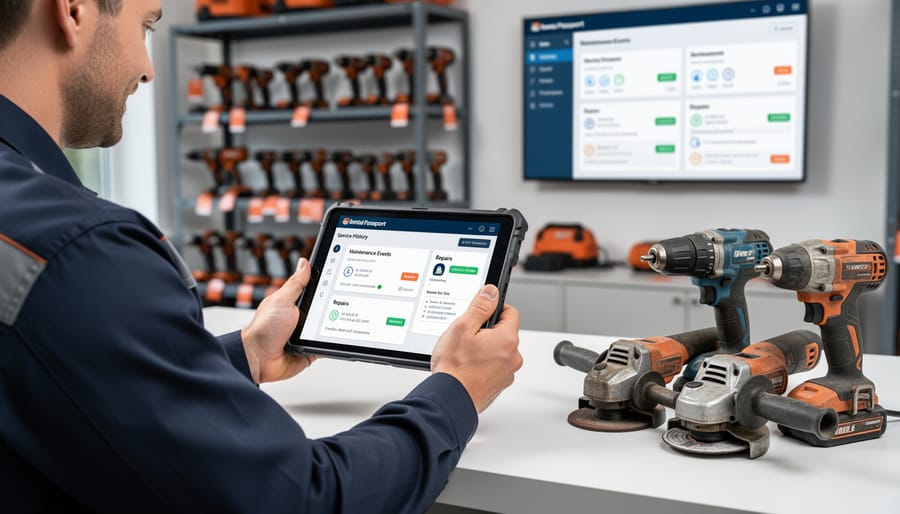
This is where digital product passports become invaluable for rental businesses and everyday users. Every service appointment, replaced component, and safety inspection gets recorded in the DPP, creating a transparent maintenance timeline. When you’re renting a circular saw or impact driver, you can instantly see when it was last serviced, which parts have been replaced, and whether it’s passed recent safety checks.
For rental operators, this eliminates guesswork about tool condition and maintenance schedules. The DPP automatically tracks usage hours and can trigger service reminders based on manufacturer specifications. Some systems even integrate with wireless updates to log firmware changes alongside physical repairs.
The real goldmine is access to repair instructions directly through the passport. Need to replace a brushless motor or recalibrate a laser level? The DPP provides manufacturer-approved guides, part numbers, and authorized service centers. This transparency helps you make informed decisions about whether to repair or replace equipment.
Community reviews often highlight how maintenance histories help identify problematic tool models or batches with recurring issues, adding another layer of practical insight beyond manufacturer data.
Usage and Performance Tracking
Digital product passports track how your tools actually perform in real-world conditions. Think of it as a detailed logbook that records every hour of operation, documenting when a drill was used, how hard it worked, and under what conditions. This data includes runtime hours, battery charge cycles, temperature exposure, and vibration levels during operation.
The passport also stores usage patterns and performance metrics that reveal when tools are approaching their service intervals. For example, if a saw’s blade has completed 500 cuts or a compressor has run for 200 hours, the system flags it for maintenance before problems occur.
Calibration records ensure precision tools like laser levels or torque wrenches maintain accuracy over time. The passport tracks when calibrations were performed and when the next one is due, helping you maintain professional standards and safety compliance. This predictive approach means fewer unexpected breakdowns and longer tool life, whether you’re renting equipment or managing your own workshop.
Real Benefits for Tool Hire Businesses and Renters
For Rental Companies: Better Fleet Management
For rental companies managing dozens or hundreds of tools, digital product passports transform daily operations from chaotic to streamlined. Think of a DPP as a living digital file that travels with each tool, accessible through a simple scan of a QR code or NFC tag.
The most immediate benefit is inventory tracking. Instead of manually logging which drill went to which customer, the system automatically records each transaction when you scan the tool’s DPP. You’ll know exactly where every item is, who has it, and when it’s due back—no more hunting through paper logs or spreadsheets.
Maintenance scheduling becomes proactive rather than reactive. The DPP tracks usage hours and alerts you when a tool needs servicing based on actual runtime, not guesswork. This prevents breakdowns during rentals and extends equipment life. One rental shop owner shared in our community reviews that implementing DPPs reduced unexpected tool failures by 40% within six months.
Asset utilization data helps you make smarter business decisions. You’ll see which tools sit idle and which are constantly rented, guiding future purchasing decisions. The administrative time savings alone are significant—what used to require hours of manual data entry now happens automatically.
The system integrates with existing rental software, meaning you’re not starting from scratch. Your staff can quickly learn the scanning process, and customers appreciate the transparency of documented maintenance history.
For Renters: Make Smarter Tool Choices
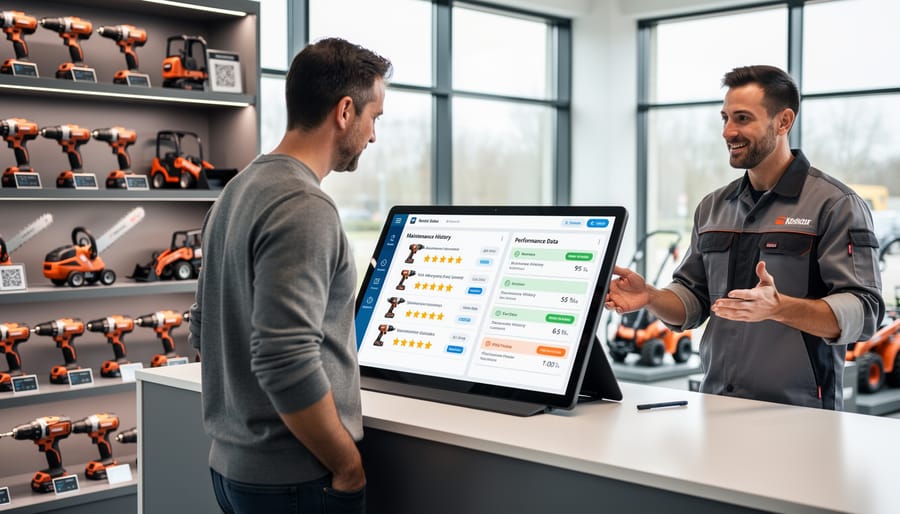
Digital product passports transform the rental experience by giving you access to comprehensive information before you even pick up a tool. Instead of wondering whether that drill has been properly maintained or if the sander you’re eyeing is actually suitable for your flooring project, you can review the tool’s complete maintenance history with a quick scan. This transparency means you’ll know exactly when the equipment was last serviced, what repairs have been completed, and whether any parts have been replaced.
Usage data proves particularly valuable when selecting tools. You can see how many hours a specific unit has logged and how intensively it’s been used, helping you avoid equipment that’s been pushed beyond its limits. This information, combined with verified reviews from other renters who’ve used that exact tool for similar projects, takes the guesswork out of your selection.
The community-driven aspect of digital product passports means you’re tapping into real-world experiences. Previous renters often share practical insights about a tool’s performance, quirks, or ideal applications that you won’t find in manufacturer specifications. This collective knowledge helps you choose equipment in genuinely good condition and appropriate for your specific needs, reducing the frustration of returning unsuitable tools or dealing with unexpected breakdowns mid-project.
Safety and Compliance Made Simple
One of the most valuable features of digital product passports is how they streamline safety documentation and compliance tracking. Instead of hunting through filing cabinets or searching multiple websites for certification papers, you can instantly access everything you need right from your phone or tablet.
When you scan a tool’s DPP, you immediately see its safety certifications, inspection history, and any recall notices that might affect it. This is especially important for rental businesses and professional contractors who need to prove compliance with workplace safety regulations. If an inspector asks to see documentation, you can pull it up in seconds rather than scrambling through paperwork back at the office.
For DIYers and homeowners, this transparency means you know exactly what you’re working with. You can verify that your rented circular saw has passed its most recent safety inspection or check if that drill you’re borrowing has any outstanding recall notices. This protects everyone involved—rental shops reduce their liability exposure, and users can work with confidence knowing their equipment meets current safety standards.
The system also creates an automatic audit trail. Every inspection, maintenance check, and certification renewal gets logged in the passport, creating a permanent record that protects businesses if questions arise later about proper equipment maintenance and safety compliance.
How to Access and Use Digital Product Passports
Accessing a Digital Product Passport is designed to be straightforward, whether you’re renting a power drill for a weekend project or managing a fleet of equipment. Here’s how to get started.
Most tools with DPPs feature a QR code sticker or tag attached to the body or handle. Simply open your smartphone’s camera app and point it at the code. Your phone will automatically recognize it and prompt you to open a link. No special scanner is needed for most modern smartphones.
Once you scan the code, you’ll typically land on a mobile-friendly webpage or be directed to download a manufacturer’s app. Some rental businesses use their own branded apps that consolidate all their tool passports in one place, making it easier if you’re renting multiple items.
The DPP interface usually presents information in organized tabs or sections. Look for basics first: the tool’s model number, manufacturing date, and maintenance history. You’ll often find a timeline showing when the equipment was last serviced, what parts were replaced, and any reported issues from previous users.
For rental businesses implementing DPPs, start small by choosing one tool category to digitize first. Update passports immediately after maintenance, and train your team to scan tools at check-in and check-out. Encourage customers to leave feedback directly through the passport interface, creating a valuable history for future renters.
As a customer, take advantage of the maintenance history before you commit to a rental. Check when the tool was last serviced and read any community reviews or usage notes. If something seems off during your rental period, document it through the DPP. Your feedback helps the next person and gives the rental business actionable information.
Some systems also let you bookmark or save passports for tools you’ve used before, making it easy to request the same equipment on your next project. This feature is particularly helpful for professionals who develop preferences for specific tools based on their performance history.
The Challenges and What Still Needs Work
While digital product passports hold tremendous promise for the tool industry, we need to be realistic about the hurdles ahead. These technologies aren’t plug-and-play solutions yet, and several significant challenges need addressing before they become standard practice.
First, data privacy concerns remain front and center. When your tools constantly share information about usage patterns, locations, and maintenance history, questions arise about who owns that data and how it’s protected. For rental businesses, this means establishing clear policies about what information gets collected and ensuring customer data doesn’t fall into the wrong hands.
Another major obstacle is the lack of universal standards. Different manufacturers currently use different formats and systems, creating standardization issues that prevent seamless information sharing. Imagine trying to read maintenance records from five different brands, each requiring separate apps and logins. Until the industry agrees on common protocols, users face unnecessary complexity.
Cost presents a real barrier, particularly for small rental operations and independent tradespeople. Implementing digital passport systems requires investment in scanning equipment, software subscriptions, and staff training. While large companies can absorb these expenses, smaller businesses might struggle to justify the upfront costs, even with long-term benefits.
The digital divide also affects adoption. Not everyone has reliable internet access or feels comfortable with smartphone-based systems. Older tradespeople or those working in remote areas might find themselves disadvantaged if digital passports become mandatory without alternative access methods.
Finally, the technology needs real-world testing. Many systems look great in controlled environments but haven’t proven themselves on dusty job sites with spotty connectivity. We need more feedback from actual users in the field before declaring victory on this innovation.
Digital product passports represent more than just a new feature in the tool hire industry—they’re a fundamental shift toward transparency, sustainability, and informed decision-making. While the system is still evolving and adoption varies across rental providers, the direction is clear: DPPs will become as standard as safety labels on power tools.
For you as a renter, this technology means no more guesswork. You’ll know exactly what you’re getting, how it’s been maintained, and whether it’s the right tool for your specific project. The days of arriving on-site only to discover your rented drill lacks the power you need are numbered.
We encourage you to start asking rental companies about digital passports when booking your next tool. Even if they don’t currently offer them, your questions signal demand and help push the industry forward. Look for QR codes on equipment, download any apps rental providers recommend, and take advantage of the detailed information now available at your fingertips.
As this technology matures, we expect to see standardization across providers, making it easier to compare options and make confident choices. The tool hire industry is on the cusp of a digital revolution that benefits everyone—from weekend DIYers to seasoned professionals.
We’d love to hear from you. Have you encountered digital product passports while renting tools? What information would be most valuable to you? Share your experiences and suggestions in the comments below—your feedback helps shape how this technology develops and serves our community better.
Related Posts