

Your kitchen renovation just consumed twice the budget and three times the timeline you originally planned. Your deck project sat unfinished for months because you underestimated material costs by 40%. These failures aren’t personal shortcomings—they’re predictable patterns that reference class forecasting can help you avoid.
Reference class forecasting is a proven estimation method that sidesteps our natural optimism by looking at actual outcomes from similar past projects rather than relying on best-case scenarios. Instead of asking “How long will MY deck take?”, you ask “How long did similar decks actually take for people with my skill level?” This shift from inside view to outside view transforms unreliable guesses into data-driven predictions.
The technique was developed by Nobel Prize-winning psychologist Daniel Kahneman after observing that experts consistently underestimate project duration and costs. Construction projects, home renovations, and DIY builds are especially vulnerable to what researchers call the “planning fallacy”—our tendency to imagine everything going perfectly while ignoring inevitable delays, hidden complications, and skill gaps.
By analyzing real-world data from comparable projects in your reference class, you can identify typical cost overruns, common timeline extensions, and frequent complications before they derail your plans. This approach doesn’t require complex statistical knowledge. It simply demands honest comparison with how similar projects actually unfolded, transforming your estimates from hopeful fiction into reliable forecasts grounded in evidence.
What Is Reference Class Forecasting?
Ever wonder why your weekend deck project stretched into three weekends and cost twice what you budgeted? You’re not alone. Most of us estimate projects based on our best-case scenario thinking, which rarely matches reality. Reference class forecasting offers a smarter approach.
Instead of relying on gut feelings or ideal conditions, reference class forecasting works by looking at what actually happened in similar projects completed by others. The principle is simple: your bathroom renovation is probably going to face similar challenges to other bathroom renovations, not turn out to be the magical exception that finishes on time and under budget.
Here’s how it works in practice. Let’s say you’re planning to install new flooring throughout your home. Rather than estimating based on how long you think it should take, you’d gather data from comparable flooring projects. What did other homeowners experience? How long did similar-sized jobs actually take? What unexpected costs came up? This historical data from your reference class provides a reality-based forecast.
The method was developed by researchers studying why major projects consistently run over budget and past deadlines. They discovered that people planning projects tend to be overly optimistic, focusing on their unique circumstances while ignoring statistical patterns. Reference class forecasting corrects this by forcing you to consider outside evidence.
For tool hire planning, this approach is especially valuable. If ten similar kitchen remodels required the tile saw for an average of twelve days, that’s more reliable than your estimate of five days based on ideal conditions. The data accounts for learning curves, mistakes, weather delays, and all those real-world factors we conveniently forget when planning.
The beauty of this method is that it doesn’t require complex calculations or expertise. You simply need to identify comparable completed projects and learn from their actual outcomes rather than their initial plans.

Why Traditional Estimates Fall Short for Tool and Equipment Projects
The Planning Fallacy in Action
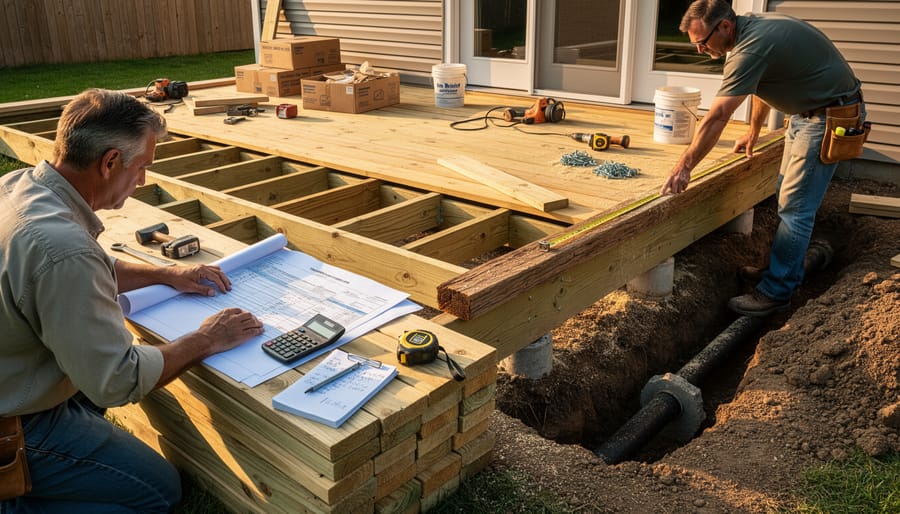
The planning fallacy affects everyone from weekend warriors to seasoned professionals. Consider Sarah, a homeowner who estimated her deck renovation would take one weekend. Three weeks and two extra trips to the hire centre later, she finally finished. Or take Mark, a professional tradie who quoted a bathroom renovation at five days. Unexpected plumbing issues, delayed tile delivery, and equipment breakdowns stretched it to twelve days, cutting into his profit margin.
Our community reviews reveal this pattern repeatedly. One user shared how a simple fence post installation requiring an auger hire turned into a two-day ordeal when they hit rock 30 centimetres down. Another reported budgeting 200 dollars for concrete mixer hire, only to discover they needed additional equipment and three extra days, tripling their costs.
These stories aren’t about incompetence. They demonstrate how we naturally focus on best-case scenarios while ignoring the complications that previous similar projects encountered. The solution lies in learning from these collective experiences rather than assuming your project will be different.
Hidden Costs You’re Probably Missing
When planning your next tool rental project, the advertised daily or weekly hire rate is just the beginning. Our community reviews consistently highlight hidden costs that catch even experienced tradespeople off guard.
Delivery and collection fees often add 20-30% to your total bill, particularly for heavy equipment like excavators or concrete mixers. Many hirers report paying $80-$150 each way for delivery within metro areas, with regional charges climbing even higher.
Fuel costs represent another significant oversight. Unlike your personal vehicles, hired equipment often comes with empty tanks, and you’re responsible for refueling before return. A mini-excavator can consume $50-$100 worth of diesel in a single day of operation.
Consumables add up quickly too. Drill bits, saw blades, sanding discs, and protective gear aren’t typically included in base hire rates. User feedback suggests budgeting an additional 15-20% for these essential items.
The most expensive surprise? Extended hire periods. What you estimate as a two-day job frequently stretches to three or four days due to weather delays, permit issues, or project complications. Reference class forecasting helps here by examining how long similar projects actually took, not how long you hoped they would take. One community member shared how their weekend paving project became a week-long hire when unexpected ground preparation was needed, tripling their tool costs.
How Reference Class Forecasting Works: A Step-by-Step Approach
Step 1: Identify Your Reference Class
The first step in reference class forecasting is choosing the right comparison group. Think of this as finding your project’s “family” – other projects that share similar characteristics rather than just vaguely related work.
Start by defining three key dimensions of your project: scope (what you’re building), scale (size and complexity), and context (conditions you’re working in). For example, if you’re building a 12×16 raised deck, your reference class should be other similar-sized deck builds, not bathroom renovations or fence installations, even though they all involve carpentry.
Look for projects with matching factors like materials used, skill level required, weather conditions, and site accessibility. A ground-level patio deck differs significantly from an elevated second-story deck, so they shouldn’t share a reference class despite both being “decks.”
Where can you find these comparison projects? Community forums and review sections are goldmine sources. Many DIYers and tradespeople share their project timelines, material costs, and tool rental durations online. Local building permit offices may also provide historical data on similar projects in your area.
The tighter your reference class matches your actual project parameters, the more accurate your forecast will be. Resist the temptation to broaden your search too widely – precision here pays off later.
Step 2: Gather Historical Data
The foundation of reference class forecasting lies in collecting relevant data from similar past projects. Start by exploring community reviews on tool hire platforms and contractor forums where users share real project experiences, including actual timelines and costs versus their initial estimates. These firsthand accounts often reveal common pitfalls and realistic completion rates.
Check with your local tool rental shop for anonymized rental duration data. Many businesses track how long customers actually keep equipment compared to their original booking, which provides valuable insight into project timescales. For example, if most DIYers rent a concrete mixer for three days when they initially booked it for one, that’s meaningful data for your planning.
Online project sharing platforms and DIY communities are goldmines for user-generated project reports. Look for posts where people documented their entire journey, particularly those who honestly shared budget overruns and timeline extensions. Search for projects matching your scope, such as “bathroom renovation” or “deck building,” and note the pattern of actual versus estimated costs.
Trade association websites and contractor networks often publish aggregate data about project completion rates and common cost variations. This industry data helps you predict project costs more accurately by understanding sector-wide trends rather than relying on isolated estimates.
Step 3: Analyze the Distribution
Once you’ve gathered data from your reference class of similar projects, it’s time to look for patterns that reveal what typically happens in the real world. Start by calculating the average completion time and costs across all your comparable projects. For example, if you collected data on ten bathroom renovations and found they averaged 23 days instead of the planned 14, you’ve just discovered a crucial insight.
Pay special attention to the range of outcomes. Did most projects cluster around a similar duration, or was there wild variation? Look at the best-case scenario (shortest time, lowest cost) and worst-case scenario (longest time, highest cost) within your reference class. This spread tells you how much uncertainty exists in your type of project.
Create a simple distribution chart if possible. You might find that 70% of deck builds took between 8-12 days, while 20% stretched to 15 days, and 10% finished quickly in 6 days. This distribution is far more valuable than relying on a single optimistic estimate. Community reviews and feedback from other users often highlight these variations, revealing common delays like weather interruptions or material shortages.
This analysis works similarly to Monte Carlo simulation, helping you understand probable outcomes rather than just hoped-for ones.
Step 4: Apply the Insights to Your Estimate
Now it’s time to put those reference class insights to work. Take your original estimate and compare it against what you discovered from similar projects. If your initial quote was $2,000 and you found that comparable renovations typically ran 30-40% over budget, you need to adjust accordingly.
Start by calculating the average overrun from your reference class. Let’s say community feedback shows most bathroom remodels took 25% longer and cost 35% more than planned. Apply these percentages to your baseline estimate. That $2,000 budget should realistically be $2,700, and your two-week timeline becomes closer to three weeks.
Don’t just inflate everything blindly though. Look at why those overruns happened. Did projects hit snags during demolition? Did tile work take longer than expected? Use these patterns to add realistic buffers where they’re actually needed, not evenly across the board.
Document your adjustments clearly. Write down which reference projects influenced each change, so you can explain your reasoning to clients or family members questioning the higher estimate. This transparency builds trust and sets proper expectations from the start.
Benchmarking Your Tool Hire Estimates Against Real Projects
Using Community Reviews and Ratings
Community reviews and ratings are goldmines for reference class forecasting. When fellow DIYers and tradespeople share their project experiences, they’re providing real-world data you can use to improve your estimates.
Start by searching for reviews of projects similar to yours. If you’re planning a deck renovation, look for completion stories from others who’ve tackled similar builds. Pay special attention to comments about timeline and material quantities. Users often mention details like “ordered three extra bags of concrete mix than planned” or “project took two weekends instead of one.” These insights reveal the gap between initial estimates and actual requirements.
Focus on projects with similar scope and complexity. A 200-square-foot deck built by a weekend warrior is more relevant than a professional’s 500-square-foot build if you’re a DIY enthusiast. Look for patterns across multiple reviews rather than relying on single accounts.
Create a simple spreadsheet tracking common variances. If five patio projects mention needing 20 percent more pavers than calculated, factor that buffer into your estimate. Similarly, if deck builds consistently run one day longer than planned, adjust your timeline accordingly.
Don’t ignore the cautionary tales. Reviews highlighting unexpected challenges like hitting bedrock while digging post holes or discovering additional rot during demolition help you build contingency plans. These community-shared lessons transform individual mistakes into collective wisdom, making your forecasts significantly more accurate.
Creating Your Own Benchmarking Database
Starting your own benchmarking database is simpler than you might think. Begin by creating a simple spreadsheet with columns for project type, initial estimate, actual duration, actual cost, and key factors that affected the outcome. For example, track whether weather delays, material availability, or unexpected repairs impacted your timeline.
After each project, take fifteen minutes to document what happened. Record the tools you hired, how long you actually needed them versus your estimate, and any surprises that cropped up. Note specific details like “plastering took twice as long because walls needed more prep than expected” rather than just recording numbers.
Over time, you’ll spot patterns in your own work. Maybe you consistently underestimate painting projects by 30%, or you always need an extra day for outdoor tasks during autumn. These insights become your personal reference class.
Don’t work alone on this. Ask fellow DIYers or tradespeople in your network to share their experiences with similar projects. Community forums and user reviews often contain valuable data about how long specific tasks actually take. When someone mentions “this deck project took me three weekends instead of one,” that’s gold for your database.
Even five to ten completed projects will start revealing useful patterns that dramatically improve your future estimates.

Common Mistakes to Avoid When Using Reference Class Forecasting
Even the best forecasting method can fall short if you’re not careful about how you apply it. Here are the most common pitfalls that can compromise your reference class forecasting accuracy.
The biggest mistake is choosing a reference class that’s too different from your current project. If you’re planning a kitchen renovation, don’t compare it exclusively to bathroom remodels or commercial work. While they share some similarities, the specific challenges differ significantly. Your reference class should match the project type, scale, and complexity as closely as possible. As one community member noted in their review, comparing their garden shed build to a full garage construction led to wildly inaccurate material estimates.
Another trap is cherry-picking data that confirms what you want to believe. If most fence installations in your reference class took 3-5 days but you only focus on the single project completed in 2 days, you’re setting yourself up for disappointment. Look at the full range of outcomes, including those that went over budget or schedule.
Conversely, some DIYers make the mistake of completely ignoring outliers without understanding why they occurred. That bathroom remodel that took three times longer might reveal important insights about permit delays or material shortages that could affect your project too.
Working with too small a sample size is equally problematic. Basing your estimate on just one or two similar projects leaves you vulnerable to unusual circumstances. Aim for at least five comparable projects whenever possible.
Finally, stay honest with yourself about your skill level. If your reference class consists of professional contractors but you’re tackling your first major project, adjust your estimates accordingly. The data from experienced tradespeople provides valuable baseline information, but factor in your learning curve.
Reference class forecasting offers a practical shield against the planning fallacy that derails so many projects, from weekend garden renovations to major construction work. By looking at what actually happened in similar projects rather than relying on best-case scenarios, you can create estimates that reflect reality. This approach is especially valuable for tool hire planning, where underestimating project duration leads to costly equipment rental extensions and rushed work.
The beauty of this method is that you don’t need to implement it perfectly from day one. Start with your next project by simply tracking one comparable past job. Note how long tasks really took, what unexpected issues arose, and how your initial estimates compared to reality. Share these experiences with fellow DIYers and tradespeople in your community. The more project data we collectively gather, the better our forecasts become.
Remember, every project you complete adds to your reference class library. Whether you’re hiring a digger for landscaping or power tools for home improvements, taking ten minutes to review similar past experiences can save you hours of delays and significant budget overruns. Your future self will thank you for the planning time invested today.
Related Posts