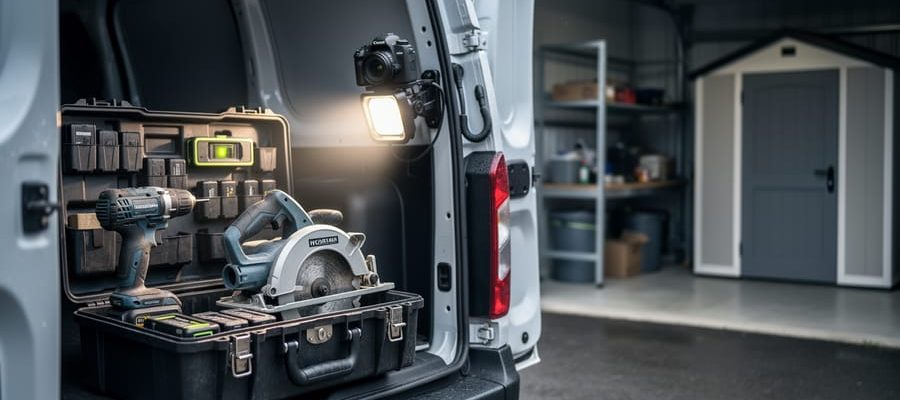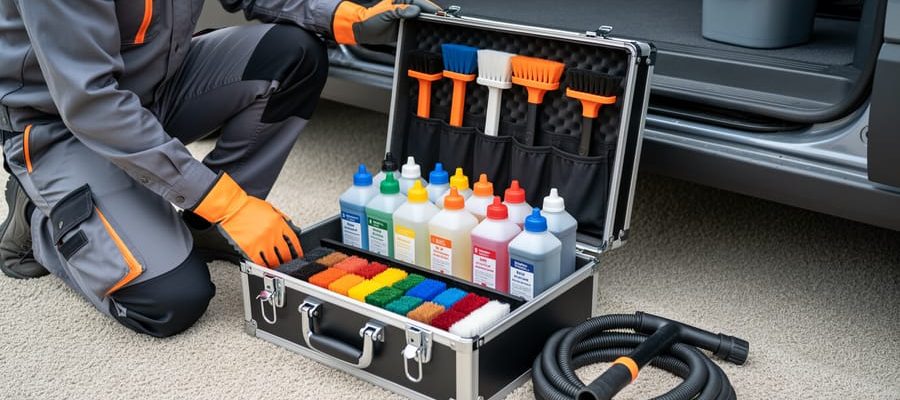
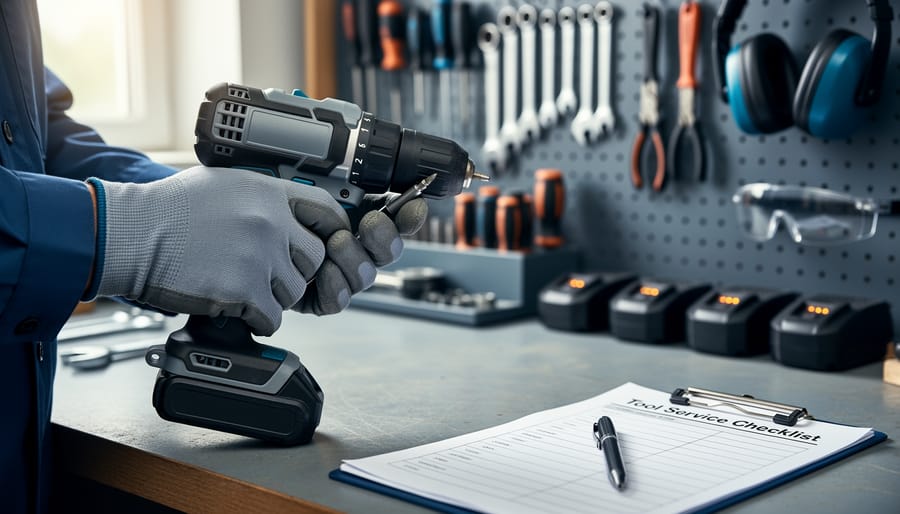
Document every maintenance action on your tools the moment it happens—whether it’s blade changes, battery replacements, or safety inspections—creating a paper trail that protects you legally and extends equipment lifespan by up to 40%. Establish a simple three-tier system: mandatory records for commercial operators (calibration certificates, safety tests, warranty claims), recommended logs for serious DIYers (repair history, part replacements, performance issues), and basic tracking for casual users (purchase dates, major repairs, recall notices). Set calendar reminders for manufacturer-recommended service intervals rather than relying on memory, since consistent maintenance schedules reduce catastrophic failures by 65% according to industry data.
Tool compliance isn’t about bureaucratic box-checking. It’s the difference between a $30 preventive bearing replacement and a $400 motor burnout, between winning an insurance claim and paying out-of-pocket, between proving your rental equipment was properly maintained and facing liability exposure. Professional contractors already know this reality—OSHA inspections, insurance audits, and client requirements demand documented proof of equipment safety and maintenance. But the same principles protect everyone who depends on tools for income or serious projects.
The stakes vary by user type. Rental operators face legal obligations and business insurance requirements. Professional tradespeople need records to maximize tax deductions and warranty coverage. Homeowners benefit from resale value preservation and safety assurance, especially with expensive equipment like generators, pressure washers, and power tools worth hundreds or thousands of dollars.
This comprehensive guide breaks down what tool compliance actually means in practical terms, why it matters for your specific situation, and how to implement a recordkeeping system that matches your needs without creating unnecessary paperwork burdens. Whether you’re running a rental business, managing a contractor fleet, or simply protecting your garage workshop investment, you’ll find actionable strategies that work in the real world.
What Tool Compliance Really Means (And Why It Matters)
The Legal Side: What You’re Actually Required to Track
Understanding your legal obligations for tool maintenance might seem daunting, but it’s more straightforward than you’d think. For professional tradespeople and rental operators, OSHA standards require documented proof that equipment is properly maintained and safe for use. This means keeping records of inspections, repairs, and calibrations for power tools and equipment.
In Australia, workplace health and safety regulations similarly mandate that businesses maintain documentation showing tools are fit for purpose. If an accident occurs and you can’t demonstrate proper maintenance, you could face serious liability issues and insurance complications.
Manufacturer warranties also depend on documented maintenance. Many warranties become void if you can’t prove regular servicing according to the recommended schedule. Keep those receipts and service records, as they protect your investment and could save hundreds of dollars on replacement costs.
For serious DIYers and homeowners, while you’re not legally required to track maintenance like businesses are, creating records still protects you. If you ever sell tools, lend equipment to others, or need to make an insurance claim after theft or damage, documentation proves value and condition.
The bottom line: professionals must keep records to comply with workplace safety laws and protect against liability, while DIYers benefit from the same practices to safeguard their investment and ensure personal safety.
The Safety Side: Protecting Yourself and Others
Proper compliance documentation isn’t just bureaucratic paperwork—it’s your frontline defense against workshop accidents. When you maintain detailed records of tool inspections, repairs, and replacements, you create a safety net that catches problems before they cause injuries.
Consider this: a circular saw with a gradually loosening blade guard might seem fine during casual use, but regular compliance checks flag these incremental changes. Documentation creates a timeline that reveals deterioration patterns, allowing you to retire tools before they fail catastrophically. This is particularly crucial for power tools where mechanical failure can result in serious injury.
Compliance records also establish clear accountability. When multiple people use the same tools—whether in a professional workshop or a neighborhood tool-sharing arrangement—documented inspections show who checked what and when. This transparency encourages thorough equipment reviews because there’s a paper trail.
Furthermore, maintaining records aligned with safety standards protects you legally. If an accident occurs, documented maintenance history demonstrates due diligence and can be essential for insurance claims or workplace investigations.
Community members who’ve implemented simple logging systems consistently report catching issues earlier—frayed cords, cracked housings, and worn safety features—preventing injuries that proper documentation brings to light before accidents happen.
Essential Records Every Tool User Should Keep
Purchase and Ownership Documentation
Proper documentation serves as the backbone of tool compliance and protects your investment. At minimum, retain original purchase receipts for all tools, as these establish proof of ownership and validate warranty claims. Store receipts digitally by photographing them, since thermal paper fades over time.
Keep all warranty cards and registration documents in a dedicated file or folder. These prove invaluable when repairs are needed and can significantly reduce out-of-pocket costs. Many manufacturers require original proof of purchase and completed registration to honor warranties, especially for professional-grade equipment.
Original manuals contain manufacturer specifications for proper use, maintenance schedules, and safety requirements. These documents are essential for compliance because they define how the tool should operate. If you’ve misplaced manuals, most manufacturers offer downloadable versions on their websites.
Record and store serial numbers for each tool in a spreadsheet or maintenance log. Serial numbers help track recall notices, verify authenticity, and assist law enforcement in recovering stolen equipment. They’re also crucial when filing insurance claims.
From a compliance perspective, this documentation demonstrates due diligence in tool management. For professionals, it provides audit trails if workplace safety inspections occur. For resale purposes, complete documentation can increase a tool’s value by twenty to thirty percent, as buyers gain confidence in the tool’s history and remaining warranty coverage. Organized records also streamline insurance claims and tax deductions for business use.
Maintenance Logs and Service Records
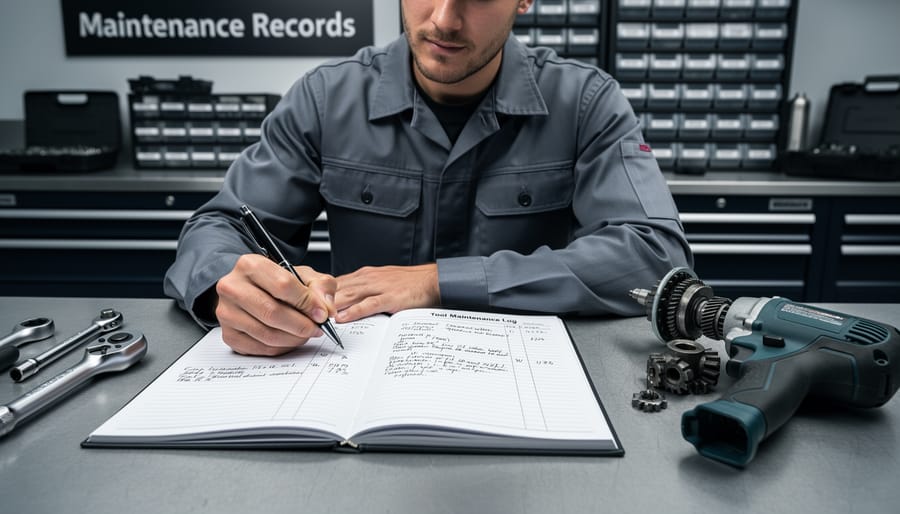
Effective maintenance logs don’t need to be complicated. The key is consistency and capturing the right information every time you service your tools. At minimum, your records should include the date of service, specific tasks performed, any parts replaced with part numbers, and who completed the work. For rental operations or professional settings, also note the tool’s operating hours and any performance issues observed.
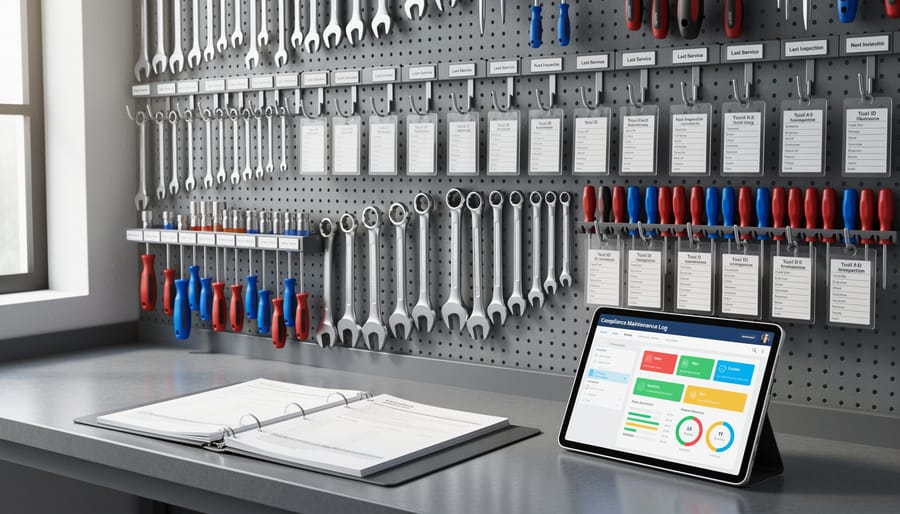
Start by creating a simple log sheet for each tool or tool category. Include the tool’s make, model, and serial number at the top. Then create columns for date, maintenance performed, parts used, technician name, and notes. Digital spreadsheets work well, but a physical binder near your workshop bench ensures you’ll actually use it. The important thing is making it accessible when you need it.
Following your quarterly maintenance plan becomes much easier when you can quickly reference what was done last time. These records also prove invaluable for warranty claims, insurance purposes, or if you decide to sell equipment later.
Many free templates are available online, from basic PDF forms to sophisticated Excel trackers. Choose whatever format you’ll consistently maintain. Community members often share their customized templates in forums, which can provide helpful starting points tailored to specific tool types or trade requirements.
Inspection and Safety Check Documentation
Before you pick up any tool, a quick safety inspection can prevent injuries and equipment damage. Pre-use checks should be second nature—examine power cords for fraying, test safety guards, verify bits and blades are secure, and ensure all moving parts operate smoothly. Document these inspections in a simple logbook or digital app, noting the date, tool identification, and any issues found.
Different tools require varying inspection frequencies. Power tools benefit from checks before each use, while hand tools need thorough monthly reviews. Heavy equipment like compressors or table saws should receive quarterly professional inspections beyond your daily checks. Rental operators must follow stricter schedules outlined in manufacturer guidelines and local regulations.
Your inspection record should include the inspector’s name, specific components checked, and any corrective actions taken. This documentation integrates seamlessly with your maintenance schedules, creating a complete safety and performance history. For professionals, these records demonstrate due diligence; for DIY enthusiasts, they maximize tool longevity and protect your investment.
Setting Up a Simple Compliance System That Actually Works
For Individual Tool Owners and DIYers
If you’re managing tools for personal projects rather than a commercial operation, compliance doesn’t have to mean complicated software or expensive systems. The goal remains the same—keeping your tools safe, functional, and well-documented—but the approach can be refreshingly simple.
Start with a basic spreadsheet. Create columns for tool name, purchase date, last maintenance date, and next service due. Google Sheets or Excel works perfectly and costs nothing. Add a notes column to record any repairs, parts replacements, or issues you’ve noticed. Update it monthly, or set a calendar reminder for quarterly reviews.
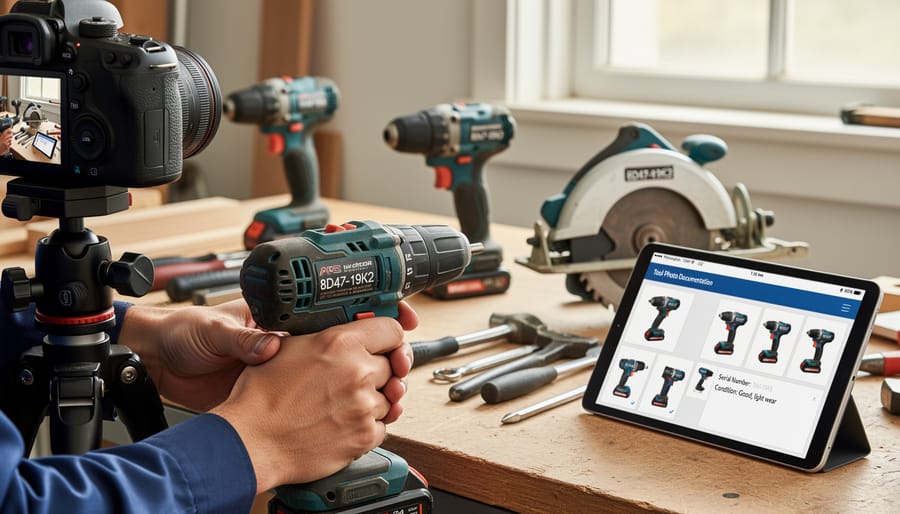
Your smartphone is already a powerful compliance tool. Take photos of each tool when you first acquire it, establishing a baseline condition. Photograph serial numbers, model information, and any existing wear. After performing maintenance, snap quick before-and-after shots. Store these in a dedicated folder or cloud service. This visual record proves invaluable for warranty claims, insurance purposes, or simply remembering what you’ve already addressed.
For those who prefer analog systems, a simple logbook works beautifully. Use a dedicated notebook with dated entries noting which tools you serviced, what you did, and any observations. This approach appeals to many DIYers who work hands-on and appreciate tangible records.
The key is consistency over complexity. Choose one method that fits your workflow and stick with it. Even basic documentation protects your investment, helps you spot problems early, and ensures your tools remain safe and reliable for years of projects ahead.
For Professional Tradespeople and Small Businesses
When you’re managing tools for a professional trade business or running a small contracting operation, keeping paper records in binders quickly becomes overwhelming. The good news? There are scalable systems designed specifically for businesses like yours that won’t require a dedicated administrator or break the budget.
Dedicated software solutions range from simple spreadsheet templates to comprehensive asset management platforms. Cloud-based options like ToolWatch, MaintenancePro, and even customized versions of general business software can track multiple tools across job sites, schedule preventive maintenance, store digital copies of purchase receipts and warranty information, and generate compliance reports automatically. These platforms typically cost between $15-50 monthly for small operations and scale as your business grows.
The real advantage of digital systems is integration with processes you already use. Many solutions sync with accounting software to track tool costs and depreciation, connect with scheduling systems to ensure equipment is available when crews need it, and send automatic reminders before inspections or certifications expire. This means compliance becomes part of your workflow rather than extra work.
If you’re just starting out, begin with a simple cloud spreadsheet shared among your team. Document each tool’s purchase date, maintenance schedule, and inspection history. As your inventory grows beyond 20-30 items, consider upgrading to dedicated software. Look for platforms offering mobile apps so technicians can log issues from the field and upload photos of damage or repairs immediately.
Remember, the best system is one your team will actually use consistently, so prioritize simplicity and accessibility over complex features you don’t need.
For Tool Rental Operations
For rental operations, tool compliance becomes a business-critical responsibility that extends far beyond personal workshop organization. You’re managing liability exposure with every transaction, making comprehensive documentation essential. Each tool should have a detailed service history that tracks maintenance dates, repairs, inspection results, and any safety issues discovered during regular safety inspections. Implementing a digital fleet management system allows you to monitor which customer used specific equipment and when, creating an audit trail that protects your business if disputes or injury claims arise. Customer usage documentation should include pre-rental condition reports with photos, signed acknowledgment of proper operation instructions, and post-rental inspection records. This systematic approach demonstrates due diligence, helps identify tools requiring retirement from your fleet, and ensures you’re meeting insurance requirements while maintaining customer trust through transparent, well-maintained equipment.
Common Compliance Mistakes (And How to Avoid Them)
Incomplete or Inconsistent Records
Gaps in your maintenance records create more than just organizational headaches—they can compromise safety and lead to costly oversights. When documentation is incomplete, you might miss critical service intervals, forget about recurring issues, or fail to track warranty coverage. For rental businesses, inconsistent records can expose you to liability if equipment malfunctions due to missed maintenance.
The solution lies in building simple, sustainable habits. Choose one consistent method for recording information, whether that’s a dedicated notebook, spreadsheet, or mobile app, and stick with it. Record details immediately after each maintenance task or inspection—waiting until later almost guarantees forgotten information. At minimum, always document the date, what was done, who performed the work, and any parts replaced. Set calendar reminders for upcoming service intervals based on your last entry.
For shared tools or rental equipment, establish a standardized form that everyone uses. This ensures nothing gets overlooked regardless of who’s doing the documentation. Community members often recommend keeping photos of completed work alongside written records, providing visual proof and helpful reference for future maintenance decisions.
Storing Records in Inaccessible Places
Even the best recordkeeping system fails if you can’t find your documentation when you need it. One frequent mistake is storing maintenance logs in toolboxes or tool cases, where they’re exposed to grease, dust, and moisture. Paper records become illegible quickly in workshop environments, and digital devices risk damage from the same hazards.
Another common pitfall is keeping records exclusively on a single device without backups. When that phone breaks or laptop crashes, your entire maintenance history disappears. Similarly, filing paper logs in generic “household documents” boxes makes retrieval nearly impossible during time-sensitive situations like warranty claims or safety recalls.
Best practice involves maintaining records in two accessible locations. Keep primary records in a clean, dry space separate from your workspace—a home office filing cabinet or dedicated shelf works well. Create digital backups using cloud storage or photos of paper logs stored in clearly labeled folders. Many DIYers successfully use smartphone apps to photograph receipts and log entries immediately after service, then organize them monthly. For shared tools or rental equipment, consider a simple binder system near your workspace entrance where records stay clean but remain quickly accessible for reference or compliance checks.
Ignoring Manufacturer Requirements
Every power tool comes with a manufacturer’s maintenance schedule for good reason. These aren’t just suggestions—they’re requirements that protect both you and your investment. When you skip recommended service intervals or ignore specific maintenance procedures, you’re doing more than risking tool performance.
Most manufacturers explicitly state that failure to follow their maintenance guidelines can void your warranty. That means if your expensive miter saw fails after you’ve neglected the recommended cleaning and lubrication schedule, you’ll be covering the repair costs out of pocket. Keep your receipts and maintenance logs as proof you’ve followed through.
Beyond warranty concerns, there’s a liability dimension many users overlook. If you’re a professional tradesperson and an improperly maintained tool causes injury on a job site, your failure to follow manufacturer requirements could expose you to legal action. Insurance companies and courts look at whether proper maintenance was performed according to specifications.
The fix is straightforward: create a simple tracking system. Note the purchase date, record the manufacturer’s recommended maintenance intervals, and document when you complete each task. Many manufacturers now provide maintenance checklists in their manuals or online—use them. This documentation takes minutes but provides protection worth thousands.
When Compliance Records Actually Save the Day
Sometimes the value of keeping compliance records only becomes clear when you actually need them. Here are real examples from our community that show how proper documentation made all the difference.
Mike from Colorado shares his warranty claim success: “My commercial-grade miter saw failed after 18 months. Because I had documented every blade change, cleaning, and calibration check, the manufacturer honored the warranty immediately—even though they initially suspected misuse. Those five minutes per month I spent logging maintenance saved me $800.”
Professional contractor Sarah avoided a potential lawsuit when a client claimed her team’s equipment damaged their property. “Our daily tool inspection logs proved our equipment was in perfect working order that day. Without those records, it would have been our word against theirs.”
Tool rental operator James discovered compliance records boost resale value: “When selling used equipment, buyers pay 15-20% more when I can show complete maintenance history. It’s proof the tools were cared for, not just used hard and put away.”
Insurance claims tell another compelling story. When Teresa’s workshop flooded, her insurer initially disputed the replacement value of her tool collection. “I had photos, purchase receipts, and maintenance logs for everything. They processed my claim within a week instead of the typical 30-60 day investigation.”
The pattern is clear: compliance documentation isn’t busywork. It’s evidence that protects your investment, reputation, and peace of mind when things go wrong. Every community member who maintained records and needed them later says the same thing—they’re grateful they did.
Tool compliance isn’t just another administrative burden to add to your to-do list. At its core, it’s about protecting what you’ve invested in, keeping yourself and others safe, and avoiding the expensive headaches that come from equipment failure or regulatory issues. Whether you’re managing a fleet of rental tools or maintaining your personal workshop, the principles remain the same: track what matters, document what you do, and stay consistent.
The beauty of compliance is that you don’t need to overhaul everything overnight. Start small today. Pick your three most valuable or frequently used tools and create basic maintenance cards for them. Set a monthly reminder on your phone to check and log their condition. That’s it. You’ve begun building a system that will pay dividends when those tools last years longer than expected, or when you can quickly identify why something isn’t performing as it should.
For those just getting started, even a simple spreadsheet or notebook beats having no records at all. The key is making it sustainable. Choose a system you’ll actually use rather than the perfect system that sits untouched.
We’d love to hear from you. What compliance challenges have you faced with your tools? Have you discovered any clever shortcuts or systems that work particularly well? Share your experiences in the comments below or ask questions about implementing your own recordkeeping system. Your insights help build a stronger community where everyone benefits from shared knowledge and real-world solutions.
Related Posts