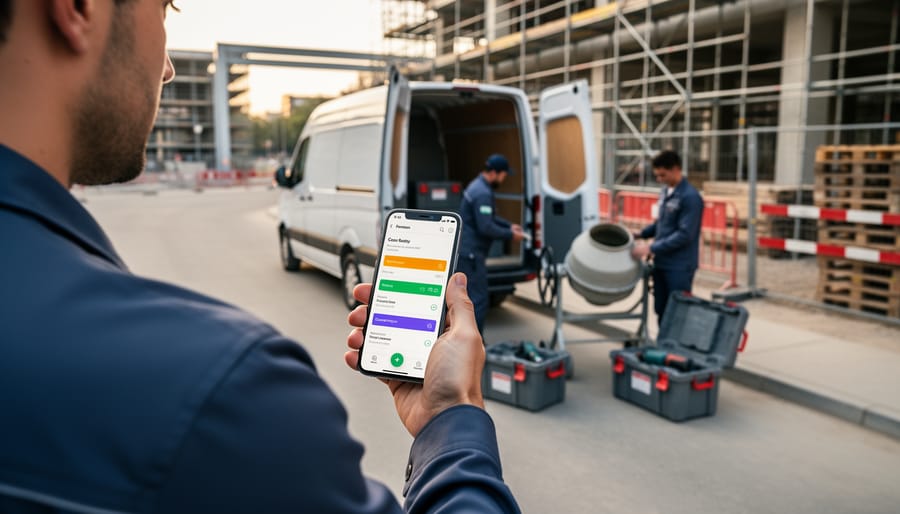
You’ve probably noticed something different lately when hiring tools. What used to mean a Saturday morning drive to pick up a cement mixer now happens in seconds on your phone, complete with delivery tracking and instant availability checks. That’s digital transformation in action, and it’s reshaping how you access the equipment you need for your projects.
Digital transformation means taking traditional business processes and rebuilding them using modern technology to make them faster, easier, and more reliable. It’s not just about having a website or an app. It’s about fundamentally changing how services work from the ground up.
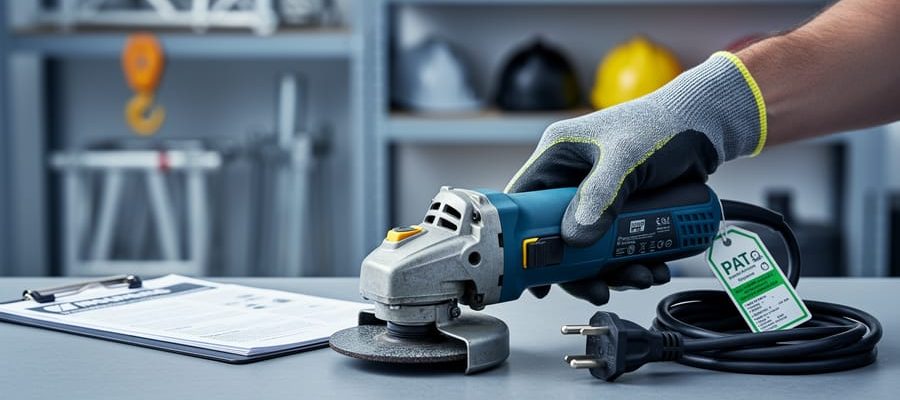
In tool hire, this shift shows up everywhere. Real-time inventory systems replace handwritten ledgers. GPS tracking tells you exactly when your hired equipment will arrive. Customer reviews from people who’ve used the same angle grinder or pressure washer you’re considering help you make better choices. Digital payment systems mean no more end-of-hire admin headaches.
The technology might sound complex, but the results are straightforward: less time wasted, better information, and more control over your projects. You can compare prices across multiple hire centres without making a single phone call. You can extend your hire period from a job site instead of rushing back before closing time. You can see maintenance histories and know you’re getting well-serviced equipment.
This change matters because your time and your projects matter. Understanding how digital transformation works helps you take full advantage of these new tools and services.
What Digital Transformation Actually Means
You’ve probably noticed that booking a taxi, ordering groceries, or checking your bank balance works completely differently than it did ten years ago. That’s digital transformation in action. It’s not about businesses simply moving online or creating an app. It’s about rethinking how services work from the ground up to better meet your needs.
Think about how Netflix didn’t just put video rental online. They changed the entire experience of choosing and watching films. No late fees, personalized recommendations, streaming instead of physical media. The whole model shifted.
Here’s where people get confused: digital transformation differs from digitization. Digitization is converting paper records to digital files. Digitalization is using digital tools to improve existing processes. Digital transformation goes further. It fundamentally changes how a business operates and delivers value to you.
In the tool hire world, this means more than just having a website where you can browse equipment. True digital transformation might include real-time availability tracking so you’re not wasting time phoning around. It could mean digital equipment logs that show maintenance history before you rent. Perhaps smart notifications when your hire period is ending, or the ability to extend rentals instantly from your phone.
The key difference? It makes your experience better in ways that weren’t possible before. You spend less time on admin and more time getting your project done. The technology isn’t the point. The improved experience is. That’s what separates genuine transformation from simply slapping a digital coat of paint on old methods.
From Phone Calls to Apps: Digital Transformation in Tool Hire
Remember when hiring a power drill meant flipping through the Yellow Pages, calling around to check availability, then driving to the shop hoping they still had one in stock? That’s the reality most tool hire businesses operated in just a decade ago. Digital transformation has fundamentally changed this experience.
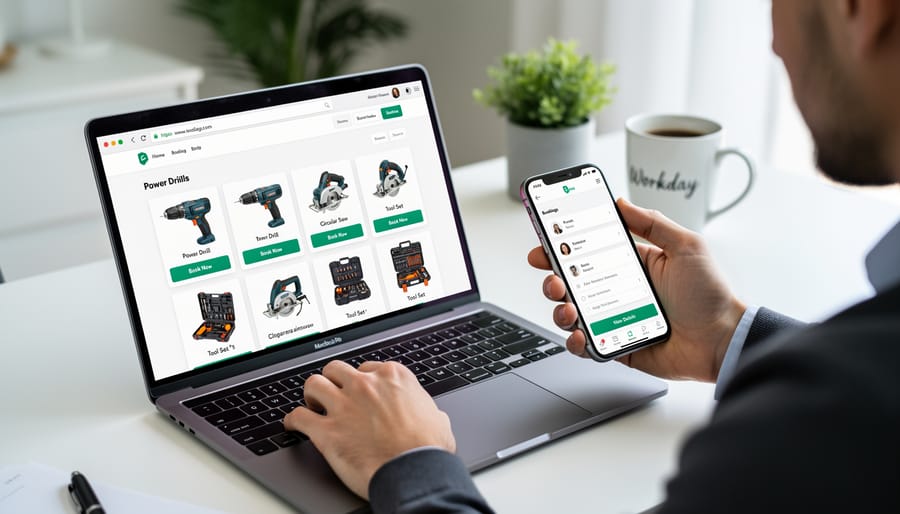
The shift happened gradually. First came basic websites listing inventory. Then online booking systems replaced the phone call shuffle. Now, sophisticated platforms let you browse real-time availability, compare specs, read reviews from other users, and reserve equipment from your phone while standing in your garage planning a project.
Here’s what changed:
| Aspect | Traditional Tool Hire | Digitally Transformed Tool Hire |
|---|---|---|
| Booking | Phone calls during business hours | 24/7 online booking via app or website |
| Availability | Call each location individually | Real-time inventory across all locations |
| Payment | Cash or card in person | Secure online payment, saved preferences |
| Customer Support | In-store questions only | Chat support, video tutorials, community forums |
| Records | Paper receipts and contracts | Digital history, automated reminders |
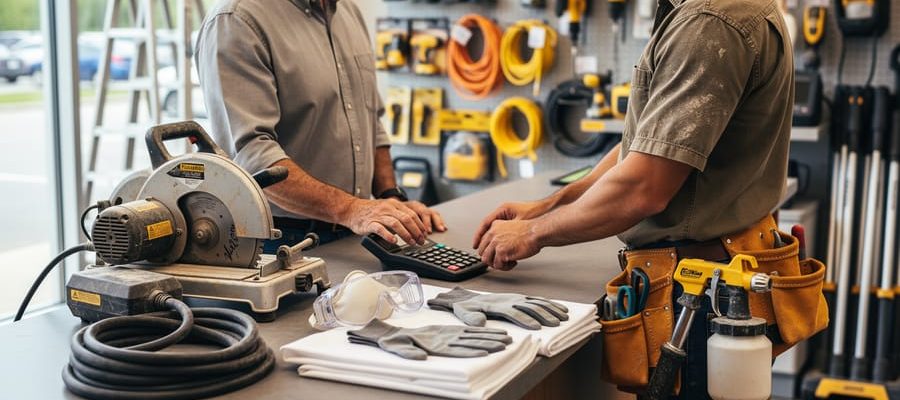
Take Sarah, a weekend DIYer who shared her experience on our community forum. She used to waste Saturday mornings driving to three different hire shops looking for a specific tile cutter. Now she checks availability on her phone, reserves the exact model she needs, and picks it up on her lunch break.
For professional tradespeople, the benefits multiply. Digital platforms maintain rental histories, making tax time simpler. Automated return reminders prevent late fees. Some systems even suggest complementary tools based on your project, something a busy counter clerk might not have time to do.
The paper trail has vanished too. Contracts arrive via email. Receipts download automatically. Your entire rental history sits in one dashboard, accessible anytime you need proof of a hire for insurance or client billing.
The Technologies Making It Happen
Online Booking Platforms and Mobile Apps
Online booking platforms have revolutionized how you rent tools. Instead of driving to a hire shop during business hours, you can now browse complete inventories from your phone at midnight while planning tomorrow’s project. These platforms show real-time availability, so you know immediately if the concrete mixer or laser level you need is ready for pickup.
The convenience goes beyond just browsing. You can compare specifications, read reviews from other DIYers and tradespeople who’ve used that exact model, and secure your booking with a few taps. Many platforms now integrate QR code ordering systems for even faster transactions when you arrive at the shop.
Instant booking confirmations mean no more phone tag or wondering if your reservation went through. You receive digital receipts, pickup instructions, and reminders automatically. Some apps even let you extend rental periods without calling the shop, perfect when your deck project takes an extra day.
The 24/7 accessibility matters most when you’re juggling multiple jobs or planning weekend projects around unpredictable weather. Customer feedback shows this flexibility saves hours previously spent coordinating rentals during standard business hours.
IoT and Smart Equipment Tracking
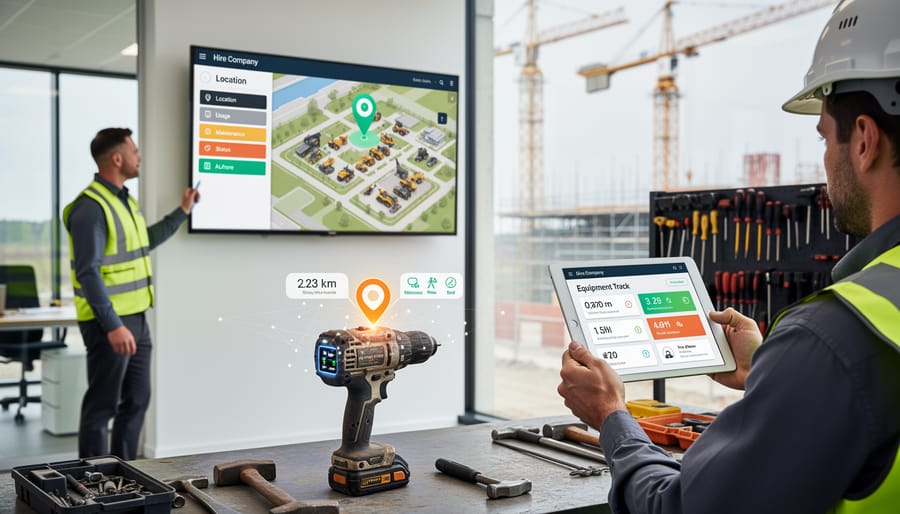
Internet of Things sensors have revolutionized how rental companies manage their equipment fleets. These small devices attach to tools and machinery, transmitting real-time data about location, usage hours, and performance metrics. Think of them as fitness trackers for your hired equipment.
When you book a compressor or excavator, the rental company knows exactly where it is and when it’ll be available. No more frustrating “we think it’s coming back Tuesday” conversations. The system tracks actual return times down to the minute, so pickup scheduling becomes precise.
Usage data helps too. Sensors monitor operating hours and detect maintenance issues before they become problems. If a generator’s running hot or a saw blade needs replacing, the system flags it automatically. You get equipment that’s properly serviced, and you’re not the unlucky customer who discovers a fault on site.
This technology connects with broader infrastructure as a service systems that rental businesses now use. One tradesperson from our community noted he’s saved three site visits in the past year because the rental company proactively replaced equipment showing early warning signs. That’s fewer delays and better project outcomes for everyone.
Digital Payment Systems and Contactless Options
Gone are the days of ringing up the depot to check your account balance or queuing at the counter to pay a deposit. Modern payment systems have completely changed how you handle tool hire transactions. You can now tap your card or phone, split payments between team members, and see everything itemized in real time.
Contactless payments mean faster pickups and returns, which matters when you’re on a tight schedule. You don’t need to fumble for your wallet or memorize a PIN. Research on contactless payment adoption trends shows these methods aren’t just convenient, they reduce transaction times significantly.
The real advantage shows up in flexible payment models. Pay-as-you-go options let you rent hourly or daily without committing to long terms. Regular users benefit from subscription plans that bundle common tools at lower rates. These systems automatically track usage and billing, so there’s no surprise charges or manual calculations.
Digital receipts land in your inbox instantly, making expense tracking straightforward for tax purposes or client billing. Many platforms now store your payment details securely, so future rentals take seconds to process.
Real Benefits You’ll Actually Notice
Let’s cut through the theory and talk about what digital transformation actually means for your next tool hire. These aren’t vague promises. They’re changes you can measure in minutes saved and dollars kept in your pocket.
Think about the old way of hiring tools. You’d call three different shops, wait on hold, explain what you need, get quoted different prices, then drive around to see what equipment actually looks like. Maybe you’d write it all down on a scrap of paper that you’d lose before making a decision. That process could eat up half your morning before you even touched a tool.
Now? Open your phone, compare everything in minutes, book instantly, and get on with the job. Here’s what that looks like in practice:
- Book equipment in under 3 minutes instead of spending 30+ minutes on phone calls
- Compare real-time pricing across multiple hire periods with pricing transparency that shows exactly what you’ll pay
- View detailed equipment specs, photos, and condition reports before committing
- Read verified customer reviews from other tradies and DIYers who’ve used the exact equipment
- Schedule flexible delivery and pickup times that fit around your job, not shop hours
- Get automated reminders about pickup times and return dates so you avoid late fees
One tradie from Western Sydney told us he used to spend Friday afternoons sorting next week’s tool needs. Now he handles it during his lunch break, sometimes while still on site. That’s time he bills out at his hourly rate, so the efficiency gain is actual money back in his business.
For DIYers tackling weekend projects, the convenience factor matters just as much. You can browse options after the kids are in bed, compare what you need for that deck project, and have everything delivered Saturday morning. No rushing to beat closing time or hoping they haven’t hired out the good generator.
The cost savings add up too. Digital platforms eliminate guesswork about what you’re paying. You see the daily rate, the weekly discount, insurance options, and total cost before clicking confirm. No surprise charges when you return the equipment. Some platforms even show you cheaper alternatives that’ll do the same job.
And here’s something pros appreciate: digital records of every hire, automatically stored. Need to know what compressor you used on that job six months ago? It’s in your account history. Come tax time, you’ve got everything documented without digging through receipts.
The Community Connection: Reviews, Ratings, and Peer-to-Peer Sharing
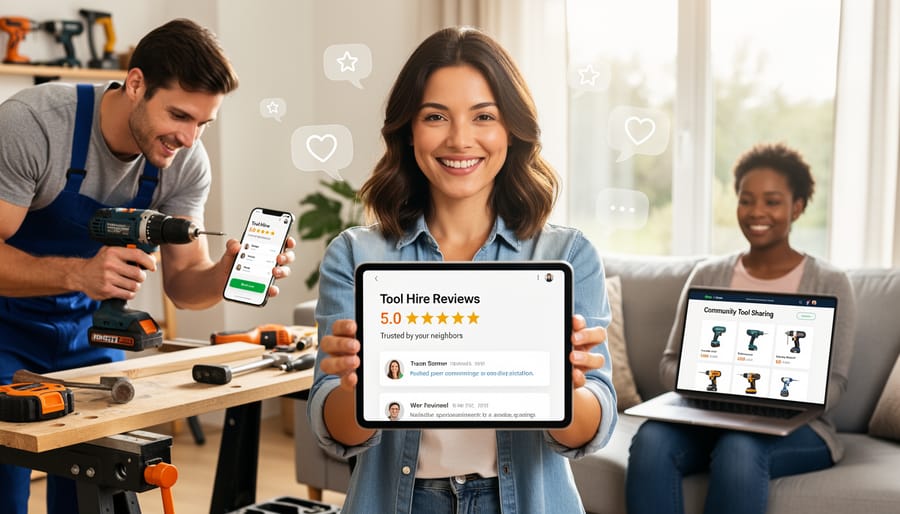
One of digital transformation’s most visible impacts on tool hire is how it creates communities around equipment rental. Online platforms now let customers share their experiences through ratings and written reviews, giving you genuine insight before you commit to hiring a specific tool or choosing a rental provider.
These review systems work much like you’d expect from retail shopping. After returning a hired angle grinder or pressure washer, you receive a prompt to rate your experience and leave feedback. That information becomes valuable for the next person considering the same equipment. Did the chainsaw start easily? Was the tile cutter as powerful as advertised? Real users provide these answers.
The transparency cuts both ways, too. Many platforms now feature two-way review systems where hire companies can also rate customers. This builds accountability on both sides and helps maintain equipment standards. If you treat hired tools well and return them on time, your positive reputation follows you.
Peer-to-peer tool sharing takes this community connection further. Some digital platforms connect individuals who own tools they rarely use with neighbours who need them. You might hire a garden rotavator from someone three streets away rather than driving to a traditional hire centre. These platforms handle insurance, payment processing, and verification checks, making neighbourhood tool sharing practical and safe.
The trust factor here is significant. You’re not just reading polished marketing copy. You’re seeing honest feedback from people like you who’ve actually used the equipment. Someone mentions that a particular concrete mixer is heavier than expected, or that a sander leaves an excellent finish. These details matter when you’re planning a project.
Digital platforms also aggregate ratings to highlight consistently reliable equipment and providers. If a particular model of rotary hammer consistently receives five-star reviews, that pattern tells you something valuable. Similarly, hire companies with strong community ratings earn your confidence before you’ve even contacted them. This transparency has pushed the entire industry toward better service and equipment maintenance.
What to Look for in a Digitally Transformed Tool Hire Service
Not all digital features are created equal. Some genuinely improve your hire experience, while others are flashy additions that sound impressive but add little practical value. Here’s what actually matters.
Start with the booking system. A good platform should let you check real-time availability, reserve equipment instantly, and modify bookings without ringing the depot during business hours. If you’re still waiting 24 hours for email confirmation or playing phone tag to change a pickup time, that’s not digital transformation. That’s just a website stuck on top of old processes.
Mobile accessibility is non-negotiable. You need to manage bookings from your van between jobs or while standing in the aisle at a DIY store. The platform should work smoothly on your phone, not just look like a shrunk-down desktop version that’s impossible to navigate with your thumb.
Payment flexibility tells you a lot. Look for platforms that save your payment details securely, offer digital receipts, and handle deposits automatically. Some services now provide instant refunds when you return equipment early or in better condition than expected. Compare this to waiting weeks for a cheque to arrive.
Reviews and ratings from actual users matter enormously. Platforms that showcase genuine feedback about specific tools and depot locations help you make informed decisions. Read what other tradespeople or DIYers say about equipment condition, customer service, and whether pickup was actually ready when promised.
One feature that separates the truly transformed from the digitally decorated is equipment condition tracking. Can you see maintenance records? When was the tool last serviced? Are there photos of the actual item you’ll collect? This transparency prevents you from turning up to find a battered drill when you needed something reliable for a client job.
Finally, check the customer support options. Live chat, detailed FAQs, and quick response times show a company that’s committed to the complete digital experience, not just the transaction.
Common Concerns and How They’re Being Addressed
Change can feel unsettling, especially when it involves your payment details and personal information floating around in the digital world. Let’s tackle the most common worries head-on.
Security tops most people’s concerns list, and rightly so. Modern tool hire platforms use bank-level encryption to protect your payment data. Think of it like this: the same technology securing your online banking safeguards your rental transactions. Reputable companies never store complete card details on their systems. Instead, they use tokenization, which replaces sensitive data with random codes that are useless to hackers. Look for the padlock symbol in your browser and check that companies follow PCI-DSS compliance standards.
Many folks worry about losing the human connection. Here’s the good news: digital transformation doesn’t mean robots replace people. Most hire shops still have knowledgeable staff available by phone or in person. The difference is you’re not forced to queue for simple tasks like checking availability or extending a rental. You choose how you want to interact.
Is my payment information safe when booking online?
Yes. Reputable tool hire companies use the same encryption standards as banks, and they don’t store your full card details on their servers.
What if I’m not tech-savvy?
Most platforms are designed to be simple, but you can still book by phone or visit in person. Many shops offer quick tutorials to help you get comfortable with their systems.
Can I still talk to a real person?
Absolutely. Digital tools handle routine tasks, freeing up staff to help with complex questions and product advice when you actually need it.
What happens if the app goes down?
Established companies maintain backup systems and alternative booking methods. Phone lines and physical locations remain operational during technical issues.
Digital literacy shouldn’t exclude anyone from hiring tools. Well-designed systems work intuitively. If you can send a text message, you can navigate most booking platforms. Companies offering agile change management typically provide support during transitions, including tutorials and patient customer service teams.
Reliability concerns are valid too. Professional hire companies maintain backup systems and contingency plans. Your booking data lives in cloud storage with multiple redundancies, making it more secure than paper records that can burn or flood.
What’s Coming Next: The Future of Tool Hire
The tool hire industry isn’t standing still. Several practical innovations are already being tested and rolled out by forward-thinking rental businesses, and they’re worth understanding.
AI-powered recommendation systems are becoming smarter at suggesting the right equipment. Instead of scrolling through hundreds of listings, you’ll answer a few questions about your project, and the system will narrow down options based on what similar users found successful. Think of it like Netflix recommendations, but for power tools. Some platforms are already using this technology to reduce the frustration of choosing between similar-looking equipment.
Augmented reality is moving beyond the hype phase. A few rental companies are trialling AR apps that let you point your phone at a space and see how equipment will fit before you collect it. Will that scaffolding tower actually work in your narrow driveway? Check before you leave home.
Predictive maintenance is perhaps the most significant behind-the-scenes change. Sensors on equipment can now alert hire centres when a tool needs servicing before it fails on your job site. This means fewer disappointing equipment swaps and better reliability overall. For you, it translates to less downtime and more confidence that what you’ve hired will actually work.
Sustainability tracking is also gaining ground. Some companies now show the carbon footprint of each hire or track how sharing equipment reduces waste compared to everyone buying their own. It’s early days, but expect to see more transparency around environmental impact.
These developments aren’t distant science fiction. Many are happening now, though adoption varies widely between providers. The common thread? Making your hire experience more intuitive, reliable, and aligned with modern expectations.
Digital transformation has fundamentally changed how tool hire works, and the evidence is all around us. Online booking systems, mobile apps with user reviews, real-time inventory tracking, and contactless collection points have made renting equipment faster and more straightforward than ever before. These aren’t just bells and whistles. They solve real problems that frustrated customers for years: wasted trips to hire shops, uncertainty about tool availability, and difficulty comparing options.
What hasn’t changed is the fundamental goal. You still need the right tool for your project, whether that’s a weekend deck build or a professional renovation job. Digital transformation simply removes the friction that used to stand between you and that tool.
Our community of DIYers and tradespeople have shared their experiences with these new systems, and the feedback speaks volumes. Faster bookings, better information, and more transparent pricing have made tool hire work for busy schedules and tight budgets.
The technology will keep evolving, but your needs remain constant: reliable equipment, fair prices, and service you can trust. Embrace these digital improvements. They’re here to make your projects easier, not complicate them.
Related Posts