

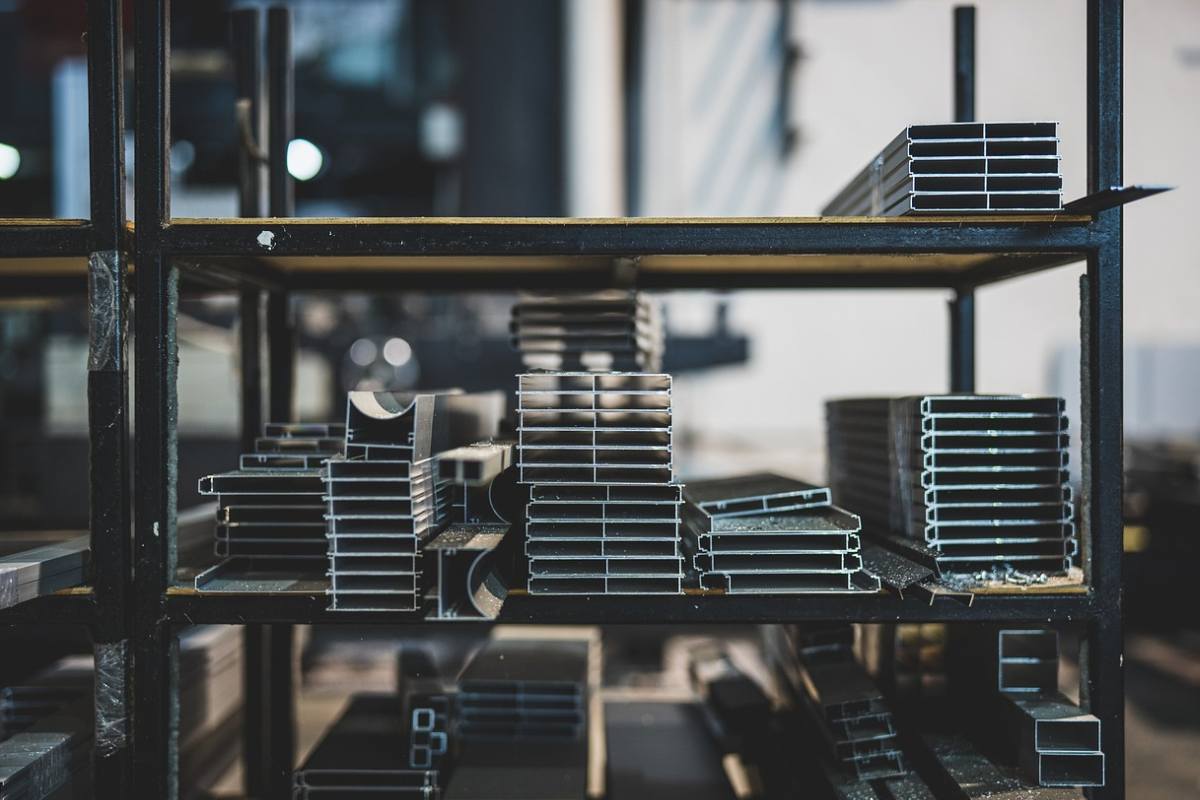
Steel storage racking is essential for warehouses and industrial spaces, providing an efficient and organized way to store materials. However, ensuring these structures comply with safety standards is critical to prevent accidents, protect workers, and maintain operational efficiency. Non-compliant racking systems can lead to costly damages and hazardous conditions. In this guide, we’ll break down the fundamentals of compliance for steel storage racking, covering safety standards, structural integrity checks, inspection procedures, and best practices for maintaining compliant racking systems.
Compliance Standards for Steel Storage Racking
Compliance standards for steel storage racking systems exist to ensure that racking installations can support specific loads safely and that workers are protected in storage environments. The Occupational Safety and Health Administration (OSHA) in the U.S. and other regulatory bodies worldwide set guidelines for racking installations, which typically align with standards from organizations like the American National Standards Institute (ANSI) and the Rack Manufacturers Institute (RMI). These standards outline specifications for load limits, stability, and installation procedures to prevent system failures. Compliance requires meeting these guidelines to guarantee safe storage, regardless of the racking configuration.
Structural Integrity and Load Capacity
One of the most crucial aspects of steel storage racking compliance is ensuring the system can handle designated load capacities. Overloading racking can compromise structural integrity, leading to potential collapses. Each racking unit is designed with a specific load-bearing capacity, which needs to be adhered to rigorously. Regular checks are necessary to verify that stored items align with the racking’s load specifications. By maintaining proper load distribution and avoiding the stacking of excessive weights, warehouse operators can extend the longevity of the racking system while adhering to compliance standards. The safe working load (SWL) should be displayed on all racking units to inform operators.
Periodic Inspections and Maintenance
Routine inspections are essential for maintaining the compliance of steel storage racking systems. Inspections involve checking for any signs of damage, such as bent beams, corroded materials, or compromised bolts. OSHA mandates routine visual inspections of racking systems to identify wear and tear early on, minimizing the risk of structural failure. Whether we are talking about pallet racking queensland or in any other place, qualified inspectors should evaluate the system at least once a year, or more frequently if the warehouse environment is high-traffic. Any necessary repairs or replacements must be completed promptly, and records of all inspections and maintenance should be documented to prove compliance in the case of audits.
Identifying and Repairing Damage
Damage to racking systems can occur from forklift collisions, product impacts, or natural wear over time. Damaged racking must be repaired or replaced immediately to maintain compliance. A thorough inspection program will help spot common issues, such as damaged beams, cracked welds, or loose bolts. Immediate repairs by certified personnel are vital to prevent minor issues from developing into structural hazards. In addition to annual inspections, personnel should be trained to recognize damage and report it immediately. By creating a damage-reporting culture within the warehouse, companies can address issues proactively and maintain a safe working environment.
Documentation and Compliance Records
Maintaining records of inspections, repairs, and certifications is a fundamental aspect of compliance. Regulatory bodies may require documented proof of adherence to safety standards, especially in case of audits or incidents. Compliance documentation should include details about the racking system’s installation, manufacturer specifications, load capacities, inspection reports, and repair records. Digital record-keeping solutions can help warehouse managers organize these documents efficiently and ensure they are easily accessible. Accurate record-keeping not only demonstrates compliance but also helps warehouse operators track the racking system’s condition over time, aiding in preventive maintenance.
Training Warehouse Staff on Racking Safety
Proper training for warehouse staff is essential in maintaining compliant racking systems. Employees should understand the maximum load capacities, proper stacking techniques, and safe practices to prevent damage to the racking structure. Training sessions can help staff recognize potential issues, such as overloading, improper storage methods, or collision risks. Regular refresher courses ensure that employees remain aware of safety practices and compliance requirements. By fostering a safety-oriented workplace culture, warehouses can minimize the risk of accidents and encourage staff to follow established protocols consistently.
Best Practices for Ongoing Compliance
Maintaining compliance with steel storage racking systems requires ongoing effort and vigilance. Implementing best practices, such as scheduled maintenance, clear signage, and damage prevention strategies, can contribute to a safer storage environment. Racking protection products, such as guard rails or column protectors, can help reduce the risk of accidental impacts. Additionally, routine audits by third-party inspectors provide an unbiased assessment of compliance levels. Partnering with a reputable racking installation provider can ensure that systems are installed correctly from the outset, meeting all applicable standards and setting a strong foundation for long-term compliance.
Investing in Quality Racking Systems
Choosing high-quality, durable racking systems from reputable manufacturers can significantly improve compliance. Low-cost racking may save money initially but often needs more durability required for long-term use, making it prone to damage and increasing the risk of non-compliance. Reputable manufacturers adhere to industry standards and can support installation, maintenance, and repairs. Although quality racking may require a higher upfront investment, it reduces the likelihood of future issues and the costs associated with replacing damaged systems or facing compliance penalties.

Compliance in steel storage racking is not just about meeting regulations—it’s about ensuring a safe, efficient, and reliable storage solution in any warehouse setting. From understanding load capacities to conducting regular inspections and prioritizing staff training, each step contributes to a safer working environment. By maintaining compliance, warehouses can protect their employees, reduce potential liabilities, and optimize storage systems for better productivity. Prioritizing compliance as an ongoing practice is key to fostering a culture of safety and efficiency in any storage-intensive operation.
Related Posts


Post a Comment