

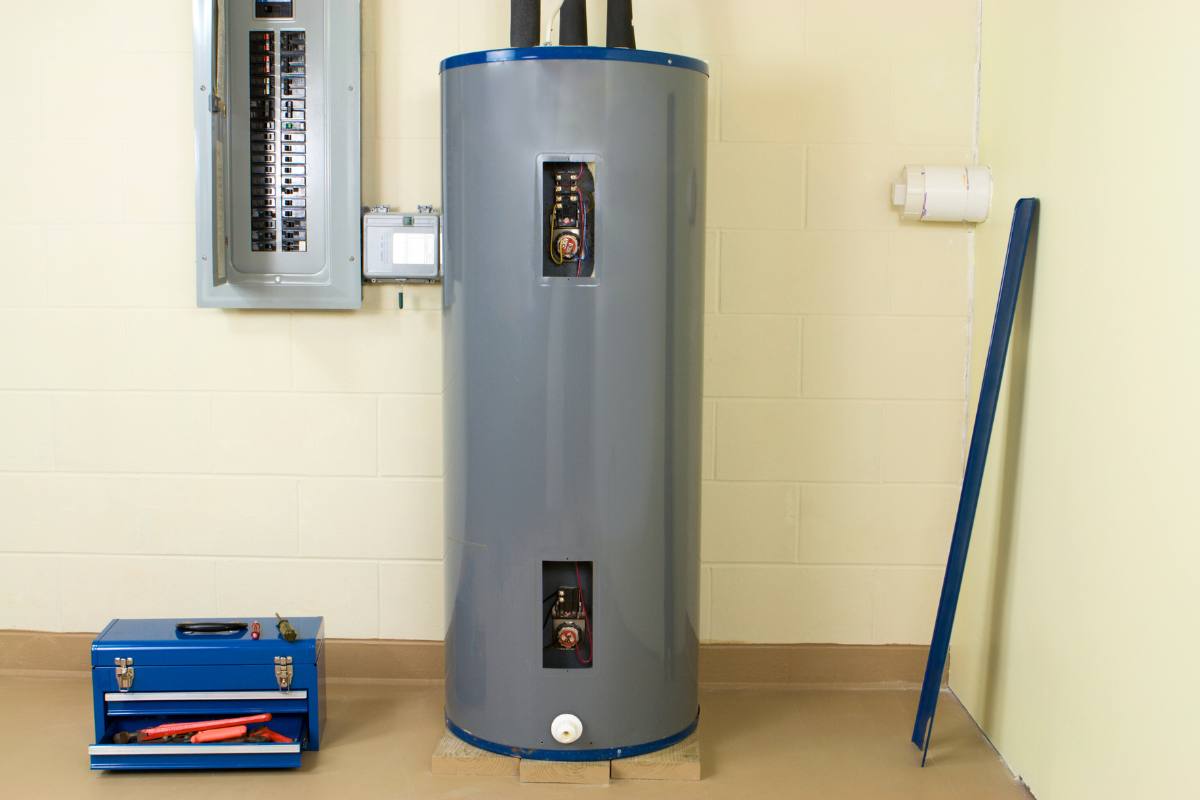
Hot water systems are integral to modern Australian households, providing essential hot water for bathing, cooking, and cleaning. Selecting the right system involves comparing two primary contenders: electric and gas hot water systems. Each has its benefits and drawbacks, and choosing the most suitable option can significantly impact cost, efficiency, and environmental footprint. This article explores the pros and cons of both systems to aid homeowners in making informed decisions. Factors such as cost, efficiency, and environmental impact will be pivotal in this comparison.
Understanding Electric Hot Water Systems
Electric hot water systems are widely used in Australia for convenience and relatively simple installation. Essentially, these systems pass an electric current through a heating element inside a tank, which heats the stored water.
Setting up an electric hot water system generally involves connecting the unit to the household’s electrical circuit, a straightforward process that doesn’t require specialised ventilation. As for costs, purchasing an electric system can be less expensive initially compared to a gas system. However, running costs may be higher, particularly in areas where electricity rates are elevated. This makes it essential for homeowners to evaluate their energy usage patterns.
Pros and cons of electric systems are primarily centred around efficiency and environmental impact. Electric hot water systems are quite efficient at converting electrical energy into heat. Yet this efficiency comes with an ecological caveat: if the electricity is sourced from fossil fuels, it can result in higher carbon emissions than cleaner alternatives. For those environmentally conscious, integrating renewable energy sources, such as solar power, can mitigate these impacts.
Exploring Gas Hot Water Systems
Gas hot water systems offer an alternative to their electric counterparts, heating water by burning natural gas or LPG. These systems are known for their consistent performance and the ability to deliver hot water quickly, making them ideal for larger households or those with higher hot water demands.
Within this category, there are two main types: storage and instantaneous (continuous flow) systems. Storage systems function by heating a tank of water, which can be accessed when needed. Conversely, instantaneous systems heat water on demand, ensuring a continuous supply without the need for a storage tank.
The cost implications for gas systems include both initial installation and ongoing expenses. While gas systems can be pricier to install due to the need for specialised plumbing and ventilation, they often result in lower operational costs, especially in regions where gas is cheaper than electricity. Efficiency-wise, gas systems typically produce fewer emissions than electric systems running on fossil fuels, although natural gas is still a significant source of greenhouse gases.
Cost Comparison: Electric vs. Gas Hot Water
When comparing costs, both electric and gas hot water systems have their pros and cons. Electric systems tend to have lower upfront costs due to easier installation. However, in the long run, they may incur higher energy consumption costs.
Conversely, gas systems boast lower running costs but require a higher initial investment. Over time, a gas system may offer substantial savings if the appropriate choice for usage patterns is made.
Australia offers various rebates and incentives for energy-efficient appliances, which can offset some costs for both system types. These incentives are worth exploring for homeowners looking to make a financially prudent decision.
Ultimately, the right size hot water system for your home will depend on numerous factors, including household size, usage patterns, and utility rates. Homeowners should weigh each aspect to determine potential savings over the system’s lifespan.
Environmental Considerations for Hot Water Systems
The environmental impact of hot water systems is crucial in choosing between electric and gas options. Electric systems’ carbon footprints largely depend on the power source. Those using renewable energy, like solar or wind, significantly reduce emissions.
In contrast, gas hot water systems produce fewer emissions than conventional electric systems reliant on non-renewable sources. However, natural gas is itself a fossil fuel, posing sustainability challenges.
Energy efficiency ratings are integral in assessing the environmental impact of these systems. More efficient systems yield lower emissions and reduced operating costs, making them advantageous for environmentally aware consumers.
Looking ahead, trends such as increased utilisation of renewable energy sources and advances in technology may significantly alter the hot water landscape, reducing the environmental impact even further.
Practical Considerations for Aussie Households
Several practical factors influence the choice between electric and gas hot water systems. Household needs play a crucial role, including the number of occupants and daily water usage. Larger families may benefit from the continuous supply offered by gas systems, whereas smaller households might prefer the lower upfront cost of an electric system.
Regional climate can also influence decision-making. In colder areas, the quicker heating offered by gas systems might be preferred. Conversely, the slower but steadier heating of electric systems might suffice in warmer regions.
Additionally, space requirements and installation feasibility differ between urban and rural settings. Households should consider property layout and any potential constraints.
Finally, maintenance plays a significant role in system longevity. Regular servicing and maintenance are essential for electric and gas systems to ensure efficiency and longevity, influencing total cost over the system’s lifespan.
Conclusion
Choosing between electric and gas hot water systems involves assessing a range of factors, from cost and efficiency to environmental impact. Homeowners should consider their unique household requirements to make a decision that balances cost, performance, and sustainability. Consulting professionals can provide personalised advice and ensure efficient installation. By prioritising energy efficiency and sustainability, households can benefit from cost savings and reduced environmental impact, making a considered choice in the selection of their hot water system.
Related Posts


Post a Comment