
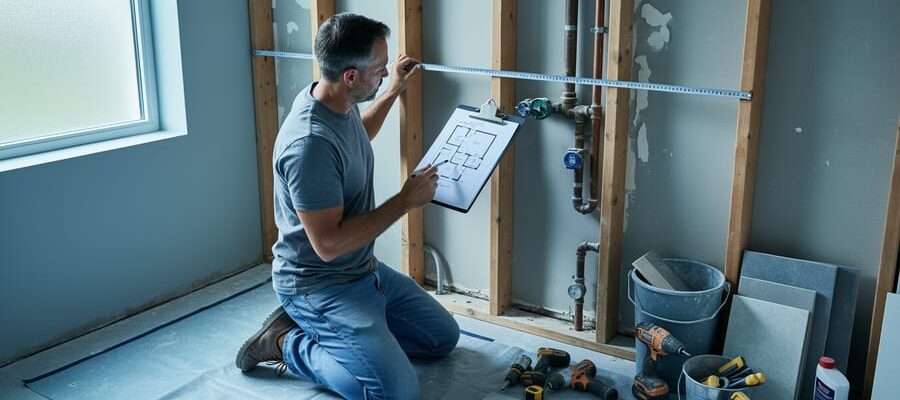
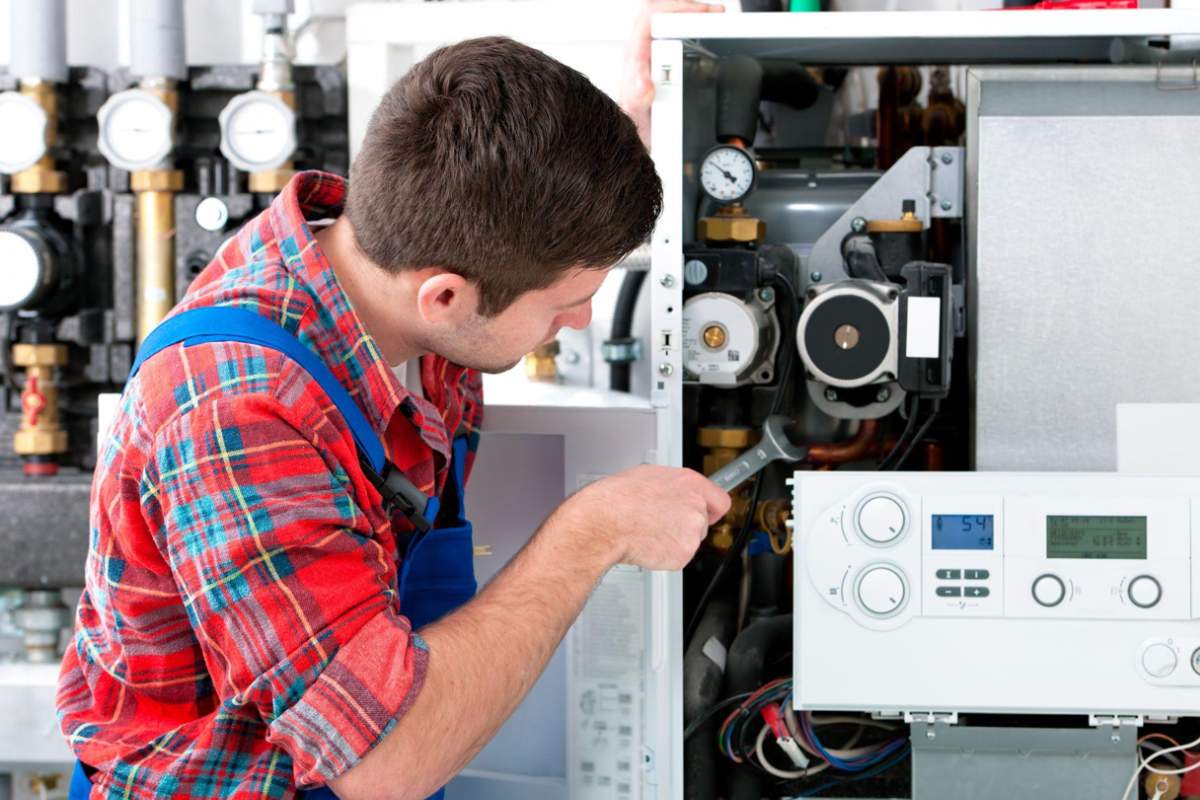
In recent years, instant gas hot water systems have gained immense popularity among homeowners thanks to their energy efficiency and convenience. These systems provide hot water on demand, eliminating the need for a storage tank and reducing energy consumption. However, the benefits of an instant gas hot water system can only be fully realised with proper installation. Proper installation is crucial for ensuring the system’s maximum efficiency and safety. Without it, you might face higher energy costs, safety hazards, or even system failure. This guide highlights common pitfalls during installation and offers expert advice to help avoid them.
Understanding Instant Gas Hot Water Systems
An instant gas hot water system, sometimes known as a continuous flow or tankless system, provides heated water instantly as it flows through the device. This is in stark contrast to traditional water heaters, which store hot water in a tank, resulting in heat loss over time. The instant system heats only the water needed at any given moment, making it considerably more efficient.
The efficiency and cost benefits of these systems are significant. Because an instant gas hot water system only heats water as required, energy wastage is considerably reduced, which can lead to lower utility bills. They are also compact, saving valuable space in your home. Popular brands in Australia include Rinnai, Bosch, and Rheem, offering a variety of models to suit different household needs and budgets.
Necessary Tools and Safety Measures
Before jumping into installation, it’s crucial to have the right tools on hand. Essential tools include a pipe cutter, screwdriver, plumber’s wrench, and sealant tape for sealing joints to prevent leaks. Safety is paramount. Gas can be dangerous if not handled correctly, so always ensure the workspace is well-ventilated. It’s important to follow local codes and regulations to avoid any potential legal issues and to ensure safety.
Handling gas connections safely requires due diligence. Make sure to turn off the main gas supply before beginning any work. When connecting gas lines, use a suitable sealant and check for leaks once everything is in place. This can be done by applying soapy water to connections and observing any bubbles that form, indicating a leak.
Step-by-Step Installation Guide
Installing an instant gas hot water system may appear daunting, but by following a systematic approach, it becomes manageable. First, decide where to place the unit. It’s generally installed close to major water outlets and in a location that allows for easy venting.
- Mount the Unit: Secure the unit to the wall using the brackets supplied. Make sure it is level.
- Gas and Water Connections: Connect the gas and water supply lines to the unit. Use appropriate sealant tape to avoid leaks and ensure connections are tight but not over-tightened.
- Electrical Connection: If your model requires electricity, safely connect it to a power source according to the manufacturer’s instructions. This may vary between models.
- Venting: Proper venting is critical for removing exhaust gases. Follow manufacturer guidelines for venting, ensuring it meets local building codes.
- Testing the System: Once connected, test the system by turning on the gas and water supply. Check all connections for leaks and ensure the water heats correctly.
When you come across typical problems in instant gas water heaters during installation, such as inconsistent water temperature or lack of hot water, it’s essential to rethink the venting or recalibrating settings according to the manufacturer’s instructions.
Maintenance and Troubleshooting Tips
Regular maintenance is key to keeping your system performing efficiently. Descaling the unit every six months is recommended, as mineral build-up can impede performance. Also, periodically check for leaks and inspect the burner for any blockages.
Troubleshooting common issues, such as unusual noises or no hot water, can often be addressed by cleaning filters or checking settings. However, if you suspect a gas leak, it’s crucial to act swiftly. Turn off the gas supply immediately, ventilate the area, and contact a professional if necessary.
Signs that professional servicing might be required include persistent low water pressure, strange odours, or if the system frequently shuts down unexpectedly.
Maximising Efficiency and Performance
To optimise the performance and lifespan of your instant gas hot water system, consider using insulation to maintain water temperature, reducing energy loss. Applying pipe insulation can make a noticeable difference in retaining heat as water moves through the pipes.
Utilising smart home systems or timers can further enhance efficiency, allowing users to schedule water heating only during peak usage times. This can help reduce energy consumption and lower costs.
Setting the water heater thermostat at an appropriate and consistent temperature for those looking to minimise energy usage can prevent unnecessary energy draw. Additionally, routine system checks and addressing minor issues promptly can prevent more significant, costlier repairs down the track.
Conclusion
In conclusion, an instant gas hot water system offers numerous advantages, from reduced energy consumption to an endless hot water supply. However, following the correct installation procedures and maintaining the system appropriately is essential for safety and longevity. Remember, while DIY installation can be rewarding, it’s always advisable to consult with a professional if there is any uncertainty, especially with gas connections. Proper setup and maintenance can ensure your system performs optimally, providing continuous hot water without the hassle.
Related Posts


Post a Comment