
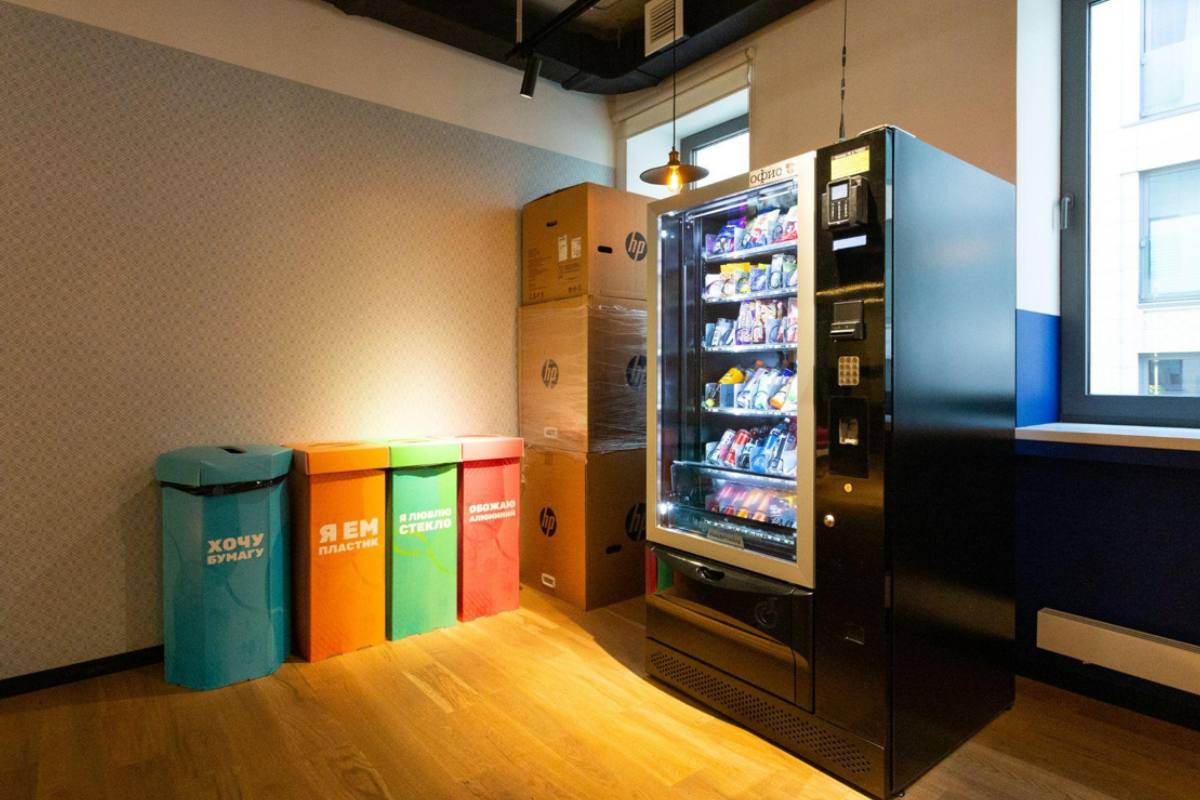
You’ve probably walked past a vending machine today without even noticing it. Maybe it was tucked into the corner of a gym, humming quietly in a train station, or lighting up the hallway of a busy office. These little snack-filled boxes are everywhere, but have you ever stopped to wonder just how much money they’re making?
In a world obsessed with passive income and flexible side hustles, vending machines are quietly gaining a reputation as a surprisingly effective way to earn money. The idea is pretty simple: You set one up once, stock it regularly, and collect the cash. But is that just a dream sold on TikTok, or is there real profit in those swirling spirals of soda and chips?
Let’s examine how vending machines make money, what affects their profitability, and whether they’re a wise investment or a snack-sized gamble.
What Makes a Vending Machine Profitable?
When it comes to profitability, a vending machine isn’t just a plug-and-play ATM. The money it generates depends on a mix of smart decisions, good location scouting, and ongoing management.
First and foremost, it’s all about location. A vending machine in a high-traffic area, think train stations, hospitals, universities, and office buildings, is naturally going to attract more customers. The more people walking by, the higher the chance someone’s going to drop a few dollars for a drink or a snack.
Next up: the products. Stocking your machine with items people actually want (and ideally can’t get elsewhere nearby) makes a big difference. Traditional chips and soda still sell, but niche markets are booming, too, like protein bars at gyms or healthy snack options in coworking spaces. Pricing those products just right means you’ll sell more without cutting into your margins.
Then there’s availability. One of the biggest perks of a vending machine is that it works 24/7. No sick days, no staff, just sales. But that only works if the machine is reliable. A broken machine is dead weight, so regular maintenance is key. And don’t forget restocking, because an empty vending machine earns exactly zero dollars.
Lastly, operating costs are generally low. There’s no need to pay rent (beyond possibly sharing profits with the property owner), and no payroll unless you grow big enough to hire help. That’s why so many people are drawn to it as a low-risk, high-potential side hustle.
Still, location is the real game-changer. And that’s where looking at specific markets, like major cities, comes into play.
Exploring the Local Opportunity with a Vending Machine in Sydney
In a bustling city like Sydney, the vending machine game takes a step up. Why? Simple: foot traffic, lifestyle, and local demand all come together to create a hotspot for vending success.
Picture this, early morning commuters rushing through Central Station, tourists wandering around Circular Quay, and office workers grabbing a quick snack during their break. That’s hundreds, if not thousands, of potential customers passing by vending machines every single day. In places like these, visibility is a valuable commodity.
What sets Sydney apart is its diversity. You’re not just dealing with one type of customer. There are students, travelers, gym-goers, busy professionals, and late-night snackers, all of whom have different tastes and budgets. Machines that cater to these groups with locally loved snacks, drinks, or even eco-conscious items can almost overnight gain a loyal mini-audience.
There’s also the added benefit of infrastructure. In a developed urban setting, it’s easier to find secure, power-ready spots for machines, and most buildings are already familiar with third-party vending setups. This makes negotiating placement much more straightforward.
And suppose you’re new to the vending world. In that case, there are community groups and small business forums in Sydney that offer surprisingly robust support, from tips on logistics to sharing supplier contacts. That kind of local network makes it significantly easier to get started.
All of this makes setting up a vending machine in Sydney not just possible, but promising, if you approach it with the right strategy and expectations.
Startup Costs and Ongoing Expenses
Before you get caught up in visions of snack-powered riches, let’s talk money, the kind you need to put in before any comes out. Starting a vending machine business isn’t exactly free, but it doesn’t require a massive investment either, especially compared to most brick-and-mortar setups.
What is the most considerable upfront cost? The machine itself. New machines can range from $3,000 to $7,000, depending on their size, features, and payment options. While cash-only models are cheaper, card and mobile payment machines are more popular, as they generate more sales these days. If you’re working with a tighter budget, refurbished or second-hand machines can cut the price in half, though you’ll want to vet them carefully for reliability.
Then there’s the cost of initial stock. Depending on what you’re selling and how full you want the machine to be from day one, filling a standard snack-and-drink combo machine might cost $300- $500. If you’re aiming for more premium or niche products, expect a slightly higher upfront cost.
Now, onto the low-key expenses that can sneak up on you if you’re not careful. Most property owners won’t charge rent for a machine, but many will ask for a cut, usually 10%–20% of the revenue. That’s fair game considering they’re giving you access to their foot traffic.
Add in insurance (a must in public locations), regular restocking, and occasional maintenance, maybe a jammed snack spiral here or a touch screen glitch there, and you’ll see that while vending is low-overhead, it’s not zero-overhead. You’ll also want to budget for fuel if you’re driving between multiple machines and keep a little cash aside for unexpected repairs or upgrades.
Still, when done right, the business offers a solid return. Operators often start with one machine, learn the ropes, and then expand once they’ve found a rhythm. As far as side hustles go, the entry point is relatively affordable compared to franchises or e-commerce setups that demand ongoing ad spending.
Passive Income or Active Business?
Let’s set the record straight, yes, vending machines can earn money while you sleep. But calling it completely passive? That’s a bit of a stretch.
You won’t be clocking in 9 to 5, sure, but vending isn’t a “set it and forget it” operation. To begin with, machines require regular restocking, particularly in high-traffic areas. You’ll need to monitor what sells fast, what lingers on the shelves, and tweak your inventory to match customer demand. Some vendors make weekly trips, while others can stretch it to once every couple of weeks, depending on the location.
Then there’s the behind-the-scenes stuff, planning your routes to refill multiple machines efficiently, keeping tabs on sales through software or apps, and handling occasional breakdowns. A jammed product coil or an empty card reader can significantly impact your earnings until it’s fixed. If you’re tech-savvy, many modern machines come with remote monitoring, which helps keep your schedule efficient. But there’s still some hustle involved.
Some operators outsource these tasks once they scale up, making the system more passive and streamlined. But when you’re starting out, it’s just you and your snack empire, and that means being hands-on.
That said, the flexibility is one of the biggest perks. You set your schedule, and the machine works around the clock. If you’re strategic about your setup, picking reliable machines, choosing the right locations, and tracking performance, you can build something that earns steadily with minimal day-to-day effort.
It’s not a golden goose. But with consistency and a little legwork, it can be a pretty sweet side income, or even grow into a full-time gig if you’re all in.
Real-Life Examples and Expected Profits
Let’s talk numbers. Because while the concept sounds great, you probably want to know what kind of income a vending machine can realistically generate.
A well-placed vending machine can generate anywhere from $10 to $100 per day. That might not sound like much at first glance, but scale matters. One machine earning $50 per day nets approximately $1,500 per month. Multiply that by three machines and you’re looking at $4,500 monthly, not bad for a side hustle. Of course, that’s gross income, not pure profit. After accounting for stock costs, location fees, and occasional maintenance bills, your net profit could be closer to 30%–50% of that.
Some operators report even higher earnings in niche locations, think 24/7 gyms, busy hospitals, or transport hubs, where foot traffic is consistent and demand spikes during off-hours. For instance, a machine stocked with energy drinks and protein bars in a busy fitness center could easily out-earn a generic snack machine in a quieter office park.
There’s also seasonal fluctuation to consider. Machines in schools, for example, see dips during holidays. Weather plays a role, too, cold drink sales skyrocket in summer, while winter might bring a slowdown unless your machine offers something cozy like hot drinks or soups.
Success stories often share one thing in common: a willingness to test, learn, and adapt. The most profitable operators closely track sales data, experiment with different products, and aren’t afraid to move a machine if it’s underperforming. In short, the people making real money aren’t just lucky, they’re strategic.
Conclusion: Is It Worth It?
So, is diving into the vending machine world a smart move? Like any business, it comes down to how much effort you’re willing to put in and how well you understand your market. The profit potential is real, but it’s not instant, and it’s not automatic.
With a modest investment, a well-thought-out plan, and a bit of hustle, vending machines can provide solid supplemental income, or more. The key is treating it like a business from day one, not just a passive cash grab. When you do that, you’re setting yourself up for steady, long-term results that don’t just snack on your time, they reward it.
Related Posts

Post a Comment