

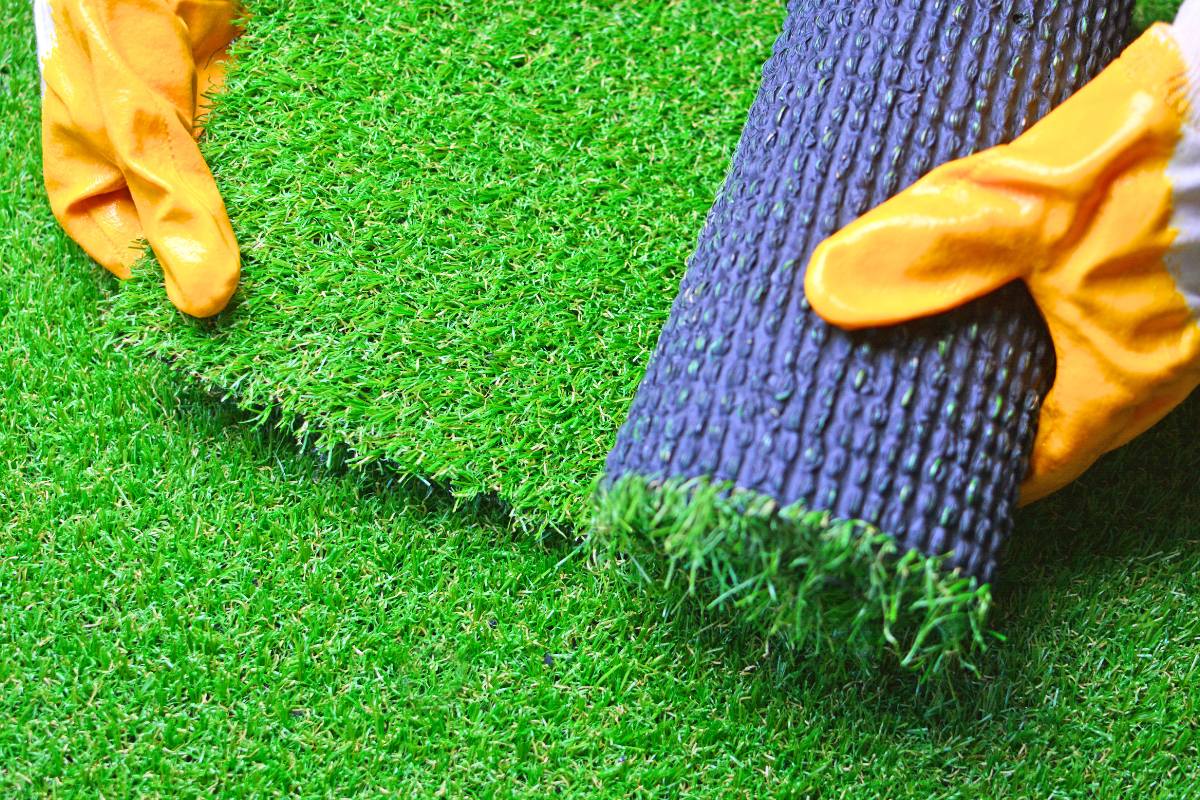
Think about stepping into your backyard and being greeted by lush, green turf all year round. No brown patches, no muddy footprints, just a pristine lawn that stays perfect through every season. Artificial turf offers this beauty without the relentless upkeep of natural grass. But maintaining its crisp, clean appearance requires more than just occasional rinsing. Using the right tools is essential to keep your synthetic lawn looking fresh and vibrant, ensuring it remains a standout feature of your home.
The Importance of Proper Maintenance
Consistent maintenance is essential for preserving the appearance and durability of your artificial turf, essential for creating a beautiful outdoor space. Regular care prevents the buildup of debris, which can cause the fibres to become matted and the surface to deteriorate. Without proper upkeep, issues such as mould growth and weed invasion can arise, compromising both the functionality and aesthetic appeal of your lawn. Additionally, maintaining your turf promptly addresses any minor damages before they escalate, ensuring your investment remains in top condition for years to come.
To make maintenance easier, choose high-quality artificial grass products. Doing so ensures your lawn withstands heavy use and harsh weather conditions without losing its vibrant look. The durability and resilience of premium artificial grass simplify the upkeep, making it easier to maintain a flawless lawn.
Regular Cleaning Routine
Maintaining a regular cleaning routine is essential to keep your artificial turf looking immaculate and prolong its lifespan. Follow these steps to ensure your lawn remains free from debris and stays vibrant.
Removing Debris
- Blow Away Light Debris: Use the leaf blower to swiftly remove leaves, twigs, and other lightweight debris from the surface of your turf. Start at one end and work systematically to cover the entire area.
- Rake Away Heavy Debris: For heavier materials like pine needles or larger branches, switch to the rake. Gently rake the affected areas to lift and remove stubborn debris without damaging the turf fibres.
- Check and Clear Drainage: Inspect the drainage points around the edges of your turf. Remove any debris blocking water flow to prevent pooling and reduce the risk of mould growth beneath the surface.
- Dispose of Debris Properly: Collect all removed debris and place it in your designated bag or container. Dispose of the materials according to local waste management guidelines or compost organic matter to minimise environmental impact.
Washing the Turf
- Initial Rinse: Thoroughly hose down the entire turf area to remove surface dust, pollen, and loose dirt. Start from one end and move systematically to ensure complete coverage.
- Apply Mild Soap Solution: Evenly pour a mild, eco-friendly soap solution over the turf, focusing on high-traffic areas and visible stains. Avoid using harsh chemicals that could damage the fibres.
- Scrub the Turf: Using a soft-bristled brush, gently scrub the turf to lift embedded dirt and grime. Pay extra attention to areas with heavy use to ensure a thorough clean.
- Rinse well with clean water to remove soap and dirt. Start from the opposite end to ensure no soap remains on the fibres.
- Let the turf air dry fully. Ensure good drainage and exposure to sunlight to speed up the drying process and prevent mould growth.
Grooming the Lawn
- Check for Uneven Spots: Inspect the turf for any uneven areas or clumps. Use the brush to smooth out these spots, ensuring a consistent and flat surface across the entire lawn.
- Refresh the Infill: Artificial turf relies on infill materials like sand or rubber granules to maintain fibre stability. If the infill has settled or diminished, spread additional infill evenly across the lawn using a drop spreader.
- Edge Maintenance: Maintain clean and defined edges by trimming any overgrown grass or weeds around the perimeter. This not only enhances the overall appearance but also prevents debris from accumulating at the edges.
- Address Fibre Wear: For areas where fibres appear worn or discoloured, gently brush to revive their appearance. In cases of significant wear, consider adding more infill or consulting a professional for repairs.
Seasonal Maintenance Tips
Adapting your turf care routine to seasonal changes ensures lasting beauty and functionality. Each season presents unique challenges that require specific maintenance strategies to keep your artificial lawn in top condition.
Summer Maintenance
During the hot summer months, artificial turf can accumulate more debris and experience fibre flattening due to intense sun exposure. To combat this, increase your cleaning frequency to prevent dust and debris buildup. Use a power brush to lift the fibres, maintaining a lush appearance. Additionally, ensure adequate drainage to handle summer storms, preventing water pooling and potential mould growth.
Winter Maintenance
In winter, protect your turf from frost and heavy rainfall by regularly removing snow and ice with a plastic shovel to avoid fibre damage. Keep an eye out for drainage issues, ensuring water flows freely to prevent freezing and turf degradation. Inspect the lawn for any wear or damage caused by colder temperatures and address repairs promptly. Avoid using salt or harsh chemicals that can degrade the fibres, and consider adding a layer of infill to help insulate the turf against freezing conditions.
The Right Tools for the Job
Selecting the appropriate tools is crucial for effective artificial turf maintenance. The right equipment not only ensures a thorough clean but also preserves the integrity of your synthetic lawn. Investing in specialised tools can make the process easier and more efficient.
Buying these tools can be expensive, especially for occasional use. Renting is a budget-friendly way to access quality equipment. It makes turf maintenance efficient and cost-effective, allowing you to maintain a pristine lawn without breaking the bank.
- Pressure Washer: Pressurized water povides a deep clean by removing stubborn stains and deeply embedded dirt for a spotless turf.
- Leaf Blower: Swiftly removes leaves, twigs, and lightweight debris, preventing buildup that can cause mould and deterioration.
- Sturdy Rake: Lifts and eliminates heavier debris like pine needles and branches without damaging the turf fibres.
- Power Brush: Maintains upright fibre position, ensuring a consistent and natural look across large areas efficiently.
- Garden Hose with High-Pressure Nozzle: Thoroughly washes away dust, pollen, and allergens, keeping the lawn fresh and hygienic.
- Soft-Bristled Brush: Gently scrubs the turf to lift embedded dirt without causing wear, preserving vibrant appearance.
- Drop Spreader: Evenly distributes infill materials such as sand or rubber granules, ensuring fibre stability and longevity.
- Debris Bags or Containers: Efficiently collect and dispose of removed debris, keeping the cleaning process organised and tidy.
Wrapping Up

Maintaining your artificial turf requires consistent care and the right tools to keep it looking vibrant and durable. By regularly cleaning, brushing, and addressing repairs, you ensure your lawn remains pristine and long-lasting. Renting specialised equipment offers an efficient and cost-effective solution, allowing you to achieve professional results without significant investment. Implementing these maintenance strategies will preserve the beauty of your synthetic lawn, enhancing your outdoor space for years to come.
Related Posts


Post a Comment