
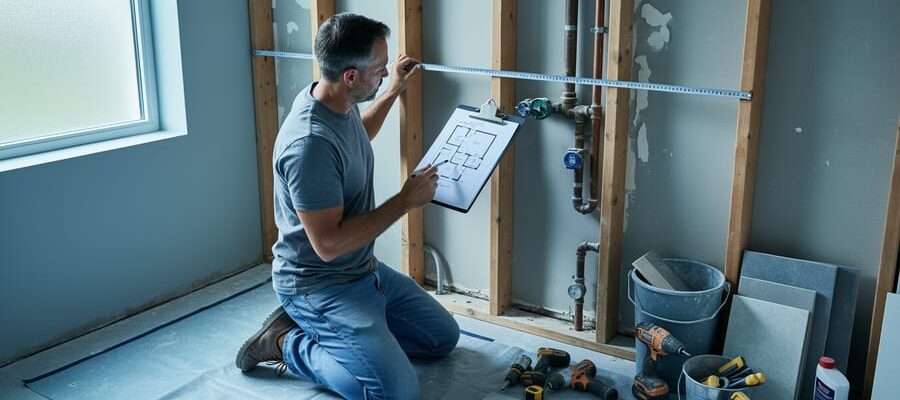
Rusty pipes can be a nightmare for homeowners. Not only do they cause leaks and water damage, but they also affect the water quality in your home. The idea of tearing up walls or floors to replace them can feel overwhelming. However, there are ways to address the issue of rusted pipes without causing significant destruction to your home. Here’s how you can repair rusted pipes efficiently and without major disruption.
Consider Trenchless Pipe Replacement
For more severe rust damage, trenchless pipe replacement is a modern solution that avoids extensive digging. This method involves inserting a new pipe inside the old one. For more severe rust damage, you might need to consider trenchless pipe replacement, which often includes options like cast iron repair to restore the integrity of your pipes without extensive demolition. A specialist contractor will use a small access point to pull the new pipe through the old one, avoiding the need for large holes or tearing up your home.
Inspect the Damage
The first step in repairing rusted pipes is to identify the extent of the damage. Check all the visible pipes for signs of rust, corrosion, or leaks. Use a flashlight to closely examine joints, elbows, and sections where pipes are more likely to degrade. If the rust is localized, you may only need to fix a small section. However, if multiple areas are affected, you may need to replace the pipes entirely.
Check for Visible Rust
Look closely at the exterior of your pipes for any visible signs of rust. Rust often appears as reddish-brown stains or patches on the surface of the pipe. This is an indication that the pipe has started to corrode, and it might only be a matter of time before a leak forms, requiring attention to avoid further damage.
Look for Leaks or Drips
Even small leaks can be a sign that rust has compromised the integrity of the pipe. Check around joints and connections for any signs of moisture. Even minor leaks should be addressed promptly to avoid water damage to your home and to prevent the problem from worsening over time.
Assess Water Quality
Rusted pipes can lead to poor water quality, including discoloration and a metallic taste. Run the water in the affected area and observe its color and clarity. If the water has a reddish or brown tint, it is likely due to rust in your pipes, and this needs to be addressed to ensure safe and clean water in your home.
Determine If You Can Patch the Pipe
For minor rust damage, you might not need to replace the entire pipe. A quick fix can be patching the rusted section. You can use epoxy putty or a pipe repair clamp to seal small holes or cracks. These solutions can provide a temporary fix, giving you time to plan for a more permanent solution. However, it’s important to know that this approach won’t work for severe rust damage.
Use a Pipe Liner
If the rust is affecting a large section of pipe and patching won’t suffice, consider using a pipe liner. A pipe liner is a flexible tube coated with resin that’s inserted into the damaged pipe. The resin hardens, creating a new interior lining that prevents leaks and further rusting. This method doesn’t require tearing up walls or floors, making it an ideal choice for homeowners who want a more permanent solution without the hassle of demolition.
Minimal Disruption to Your Home
One of the main benefits of using a pipe liner is that it causes minimal disruption to your home. Since this process doesn’t require digging up walls or floors, you won’t have to deal with the mess and expense of extensive demolition. This is especially useful for homes with limited access to the pipes, as it can save you significant time and effort compared to traditional pipe replacement methods.
Long-Lasting Results
A properly installed pipe liner can last for many years, providing a long-term solution for your rusted pipes. The resin lining creates a smooth, durable surface that resists corrosion, scale buildup, and further rusting. Once installed, it can effectively extend the lifespan of your plumbing system, helping to avoid future costly repairs and ensuring the water flow remains efficient.
Clean the Rust with a Pipe Descaler
Before repairing or replacing any rusty pipes, cleaning the rust can help improve the efficiency of the repair. Use a pipe descaler, a chemical or mechanical cleaner designed to remove mineral deposits and rust from pipes. For small-scale rust, this might be all you need to restore the pipe’s function. Make sure to follow the product instructions and check that the cleaning method is safe for your type of pipe.
Install a Water Softener System
Rust in your pipes could be a result of hard water. Hard water contains high levels of minerals like calcium and magnesium, which can build up inside pipes and cause corrosion. Installing a water softener system can help prevent further rusting by reducing the mineral content in your water. It’s an effective long-term solution that helps maintain your pipes and extends their lifespan.
Consider PEX Piping for Replacement
When it’s time to replace the pipes entirely, consider using PEX (cross-linked polyethylene) piping. PEX pipes are more resistant to corrosion and rust compared to traditional metal pipes. They’re also flexible, making them easier to install without causing major disruptions to your home. PEX piping is an affordable and durable alternative that can be a great option for homeowners looking to avoid future pipe issues.
Prevent Future Rusting
Once you’ve repaired or replaced your rusted pipes, it’s essential to take steps to prevent future corrosion. Regularly inspect your pipes for any signs of wear and tear. Also, keep an eye on your water’s quality to ensure it’s not contributing to rusting. Installing a water filtration system can help reduce the minerals that cause corrosion. Additionally, maintaining the plumbing system, including checking for leaks or signs of dampness, can extend the life of your pipes.

Rusted pipes don’t have to lead to major home repairs. With the right approach, you can fix them without tearing up your walls or floors. Whether you choose to patch the pipes, use a pipe liner, or replace them with more durable materials like PEX, these solutions offer a range of options to suit your needs. Regular maintenance and prevention can also go a long way in protecting your home from future plumbing issues. By taking action early, you can save time, money, and stress.
Related Posts


Post a Comment