
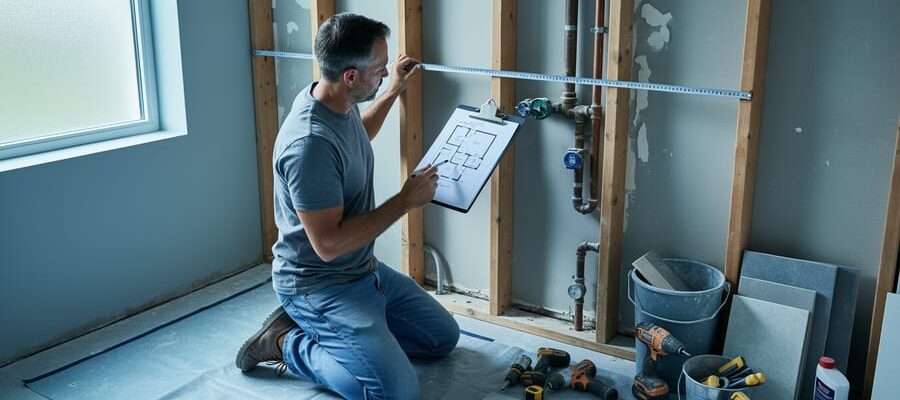

Ensuring work zones stay risk-free is not just about following guidelines; it is about making sure each individual returns home unharmed. As digital tools improve, so do the ways we protect crews and job sites. Currently, there are several gadgets that track well-being in real time and location-based tools that keep an eye on important equipment. These upgrades also go beyond basic protection. They offer better ways to keep teams safe and projects running smoothly.
Advanced Solutions
High-tech safety gear is changing the way job sites operate. Upgraded outfits can track vitals and send out warnings if levels drop. Since updates are shared instantly with supervisors, emergency responses happen faster. This further minimizes the chances of serious harm.
Beyond observing health, smart gadgets can also map out an employee’s exact position. This can be especially useful for large or complex construction zones. It guarantees that if something goes wrong, help can arrive quickly. The best part is that invisible barriers set up by these systems can actively prevent individuals from unknowingly walking into dangerous spaces.
Smarter Management
Tool tracking plays a major role in keeping sites accident-free and makes organization a lot easier. Knowing where equipment is at all times also prevents mistakes and injuries. It eliminates the possibility of lost or misplaced gear that can be a common hazard in active work areas. GPS monitoring also prevents overuse by sending maintenance reminders. This further rules out sudden failures and costly replacements.
Greater Oversight
Using drones for surveillance is one of the newest ways to improve safety. Aerial views allow supervisors to monitor everything in real time. This makes it easier to spot mistakes or potential hazards before they turn into serious problems. These devices can also scan areas that are hard to reach. This further eliminates risks associated with manual inspections. The footage collected from overhead cameras can also be helpful for improving plans and training workers more effectively.
Effective Skill-Building
Training workers properly is one of the best ways to prevent accidents. Fortunately, digital simulations allow individuals to practice in a controlled setting. This not only boosts confidence but also makes them less likely to make dangerous mistakes. Since employees can go through the same experience multiple times, they also learn to react faster and follow the right procedures. This approach further fosters the ability to stay calm and eliminates the need to face real-life dangers.
Spotting Risks Early
Automated detectors use sensors and programmed alerts to check for unsafe conditions. This may include dangerous gases or extreme temperatures. Workers and supervisors receive real-time warnings, allowing them to act before the situation becomes serious.
Better Equipment
Personal safety gear has come a long way. It now flaunts stronger and more comfortable material. Lightweight designs also encourage consistent use and reduce the chances of injuries. Some upgraded solutions also alert the wearer if they are exposed to extreme heat, harmful chemicals, or high radiation. Advanced masks also help filter out dangerous particles. Similarly, reinforced helmets absorb impacts more effectively.
Endnote
The introduction of cutting-edge solutions marks a major shift toward proactiveness. Upgrading job sites with smart wearables, location-based tracking and aerial monitoring not only protects workers but also boosts efficiency. As industries continue to evolve, making safety a top priority will mean fewer injuries. This approach will further help guarantee both teamwork and project success.
Related Posts

Post a Comment