

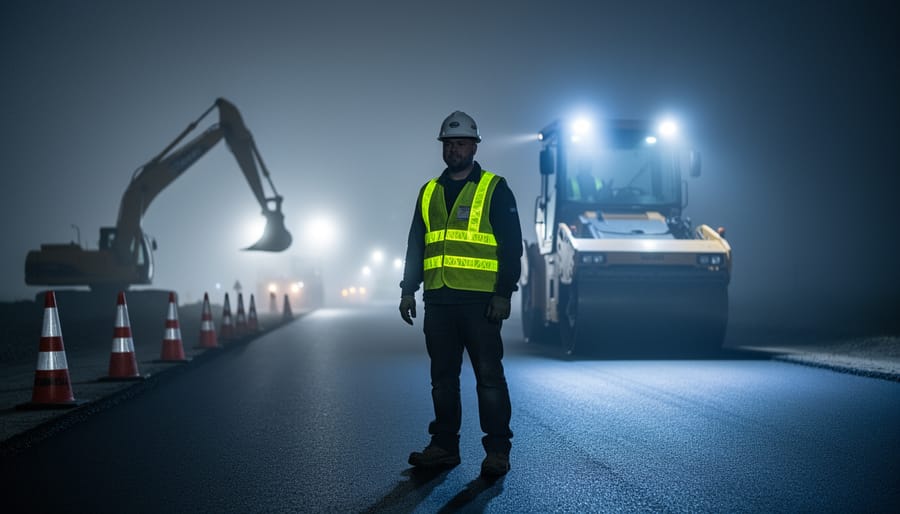
IR reflective materials bounce infrared light back toward its source, making you visible to drivers using night vision systems and thermal cameras—technology increasingly common in modern vehicles and construction sites. Unlike standard high-visibility gear that relies solely on visible light, these advanced materials create a thermal signature that stands out in low-light and no-light conditions where traditional reflective strips may fail.
The difference matters for anyone working near traffic, operating machinery at night, or navigating dark work environments. Standard reflective tape works by bouncing back headlight beams, but becomes nearly useless when those lights aren’t directly aimed at you or in dense fog and rain. IR reflective materials solve this gap by reflecting wavelengths your eyes can’t see but cameras and sensors can detect, providing an additional safety layer that doesn’t depend on perfect lighting conditions.
This technology isn’t just for specialized industries anymore. Road workers, site supervisors, delivery drivers, and equipment operators increasingly encounter IR-detection systems in their daily work. Understanding how these materials function, when they provide genuine safety advantages over standard gear, and which products offer the best value helps you make informed decisions about protective equipment.
Whether you’re upgrading existing safety gear, outfitting a team, or simply wondering if IR reflective vests justify their higher price point, the practical differences between conventional and IR reflective materials directly impact visibility and workplace safety in measurably different scenarios.
What Makes IR Reflective Materials Different
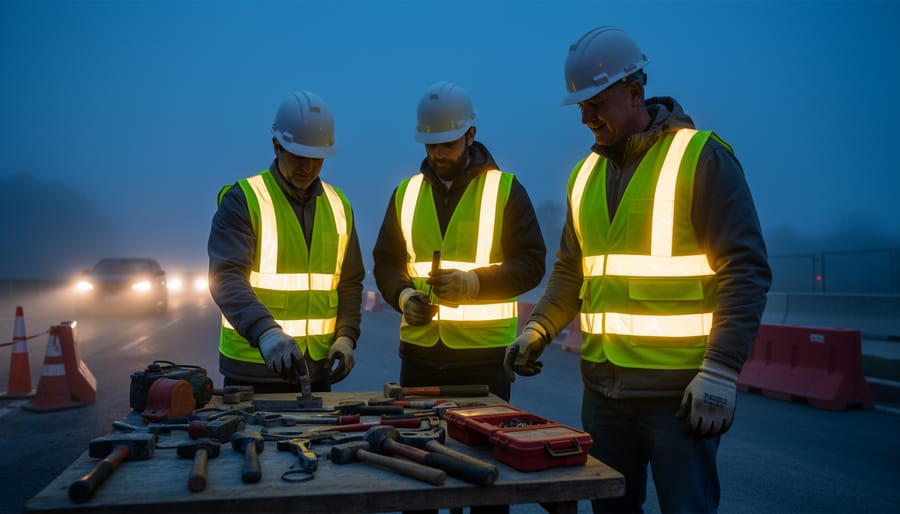
Standard Reflective vs. IR Reflective: The Critical Distinction
Standard reflective materials work brilliantly in everyday situations where artificial lighting is present. The reflective tape you see on work vests and safety gear bounces back visible light from headlights and work lamps, making wearers easily spotted by drivers and equipment operators. These materials excel during night shifts on well-lit construction sites or when working alongside roadways with vehicle traffic.
IR reflective materials add an extra layer of visibility specifically designed for night vision and thermal imaging devices. While they still provide standard reflective properties, they also reflect infrared light wavelengths that night vision equipment amplifies. This distinction becomes critical in specific scenarios.
When do you need IR reflective materials? Consider these situations: military or security operations using night vision gear, search and rescue missions in low-light conditions, or specialized industrial work where thermal cameras monitor personnel safety. Emergency responders working in smoke-filled environments also benefit, as IR reflection cuts through conditions where standard reflective materials become invisible.
For most DIY projects and standard trade work, traditional reflective gear provides adequate protection. You’re working under site lighting, and vehicle operators use standard headlights. However, if you’re involved in specialized operations, working with organizations using night vision technology, or operating in environments where thermal monitoring is standard practice, IR reflective materials offer measurable safety advantages. Understanding your specific working conditions helps determine which technology suits your needs best.
Real-World Applications for Tradespeople and DIYers
Construction and Road Work Environments
Construction sites and roadwork zones present unique visibility challenges, especially during dawn, dusk, or nighttime operations. While standard high-visibility clothing reflects light from vehicle headlights, IR reflective materials add an extra layer of detection by being visible to infrared cameras commonly found in modern vehicles and surveillance systems. This technology makes workers stand out more clearly in low-light conditions where traditional reflective gear might be less effective.
For roadside crews, IR reflective vests and clothing complement other essential safety equipment by ensuring multiple detection methods are active simultaneously. When vehicles equipped with night vision or infrared sensors approach work zones, drivers receive earlier warnings about worker presence. This extended detection range provides crucial extra seconds for reaction time.
Combined with proper signage and barriers that create safe construction zones, IR reflective materials contribute to comprehensive site safety protocols. Many professional crews now include IR reflective elements on traffic cones, barricades, and personal protective equipment as standard practice, particularly on highways and areas with heavy vehicle traffic where visibility directly impacts worker safety.
Equipment and Tool Visibility
IR reflective tape and markings aren’t just for high-vis vests—they’re increasingly used on equipment, tools, and work barriers to prevent accidents, especially in low-light conditions. When applied to machinery edges, tool handles, or temporary barriers, these materials become highly visible to anyone using thermal imaging or night vision devices, which are common on construction sites and industrial facilities.
Consider marking the corners of scaffolding, the edges of excavation barriers, or the handles of large power tools with IR reflective tape. This simple addition helps workers identify hazards when working at night or in dimly lit environments. Some professionals also use IR reflective paint on equipment stored outdoors, making it easier to locate items during nighttime operations.
For hire equipment or shared tools, adding IR reflective markings serves a dual purpose: safety and theft prevention. The distinctive markings make tools more visible and identifiable. When choosing tape or paint, look for products rated for outdoor durability and adhesion to various surfaces—metal, plastic, and wood. Clean the surface thoroughly before application to ensure proper bonding.
Many DIYers and tradespeople report that marking their toolboxes and equipment cases with reflective materials has reduced trip hazards on jobsites. Even without thermal imaging devices, these materials often have some regular light reflectivity, adding an extra layer of visibility.
Home Maintenance and DIY Projects
For homeowners tackling repairs or renovations in poorly lit areas, IR reflective materials offer a practical safety upgrade. When working in attics, crawl spaces, basements, or outdoors after dark, standard reflective tape or patches may not provide adequate visibility. IR reflective options enhance detection by security cameras and motion-activated lighting systems that use infrared technology, making you more visible in these environments.
Consider adding IR reflective tape to work vests, tool bags, or ladder rails when projects extend into evening hours. This is particularly useful for exterior work like gutter cleaning, roof inspections, or painting when natural light fades. The material works alongside regular reflective strips, not as a replacement, providing an extra layer of visibility in low-light conditions. Many DIYers find this especially valuable during winter months when daylight hours are limited and outdoor projects must continue regardless of timing.
Types of IR Reflective Safety Materials Available
Clothing and Wearable Safety Gear
IR reflective clothing and wearable safety gear have become essential equipment for anyone working in low-light conditions, particularly where night vision or infrared cameras are in use. Unlike standard high-visibility clothing that glows under headlights, IR reflective gear appears bright when viewed through infrared devices used by military, emergency services, and surveillance systems.
Common wearable items include vests with IR reflective strips, jackets with integrated panels, adjustable armbands, and safety helmets with adhesive patches. These products serve dual purposes: they remain visible to standard traffic during daytime while ensuring detection by infrared equipment after dark. This matters for tradespeople working near airports, military installations, or on sites with security monitoring systems.
When selecting IR reflective wearables, look for products meeting relevant safety standards while specifically noting IR wavelength compatibility, typically 850-950 nanometers. Many manufacturers now combine traditional retroreflective materials with IR properties, giving you maximum visibility across all conditions. Check product reviews from other tradespeople to understand real-world performance, particularly regarding durability through washing cycles and weather exposure. Remember that while IR gear enhances detection by specialized equipment, it should complement, not replace, standard high-visibility clothing required by workplace safety regulations.

Tapes, Strips, and Adhesive Materials
Self-adhesive IR reflective tapes and strips offer a flexible solution for marking equipment and barriers in low-light conditions. These materials combine standard reflective properties with infrared visibility, making them ideal for creating hazard zones that remain visible to both the naked eye and night vision devices.
Available in various widths and colours, IR reflective tape can be applied directly to tool cases, vehicle panels, temporary fencing, and safety barriers. The adhesive backing makes installation straightforward without requiring specialised equipment. Most quality tapes maintain their reflective properties through exposure to weather, UV light, and repeated cleaning.
When selecting IR reflective tape, consider durability ratings and whether you need removable or permanent adhesion. Some products are specifically designed for rough surfaces like concrete or textured metal, whilst others work best on smooth equipment casings.
Users in construction and event management report that these tapes significantly improve site visibility during night work, with the added benefit of compatibility with surveillance systems using infrared cameras. Always ensure the tape is firmly pressed down during application and allow proper curing time before exposure to harsh conditions.
Paints and Coatings
For permanent installations on buildings, vehicles, and equipment, IR reflective paints and coatings offer a durable solution that maintains effectiveness over years of exposure. These specialized coatings contain ceramic microspheres or metallic particles that reflect infrared radiation, helping to reduce surface temperatures and improve visibility to thermal imaging devices.
Cool roof paints are among the most popular applications, capable of lowering roof surface temperatures by 10-20 degrees Celsius on sunny days. This translates to reduced cooling costs and extended roof lifespan. When selecting an IR reflective paint, look for products with a high solar reflectance index (SRI) rating, typically above 80 for maximum effectiveness. The SRI measures how well a surface reflects solar heat compared to standard white and black surfaces.
Application requires proper surface preparation, including cleaning and priming, much like standard paints. Most IR reflective coatings apply with standard rollers, brushes, or spray equipment, making them accessible for DIY projects. However, professional application ensures optimal coverage and longevity. These coatings typically cost two to three times more than conventional paints but offset the investment through energy savings and reduced maintenance over time.
For industrial settings, specialized high-temperature IR reflective coatings protect equipment and reduce radiant heat exposure for nearby workers, creating safer work environments.
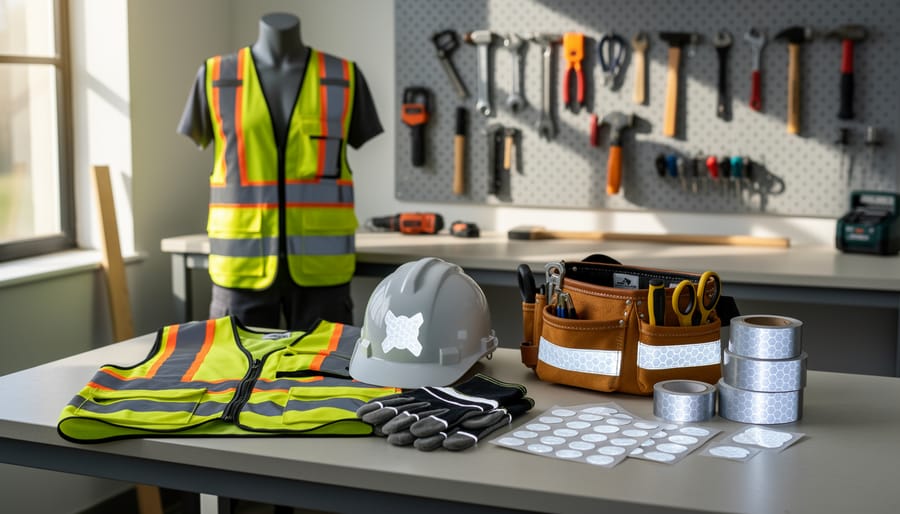
What to Look for When Choosing IR Reflective Materials
Industry Standards and Certifications
When choosing IR reflective materials, understanding industry certifications helps ensure you’re getting genuine protection that meets construction safety standards. The main standards to look for depend on your location and work environment.
In Australia and internationally, AS/NZS 1906.4 and AS/NZS 4602.1 govern high-visibility safety garments, including those with IR properties. These standards specify minimum retroreflective performance levels and colourfast requirements. For North American workers, ANSI/ISEA 107 sets the benchmark, classifying garments into Class 1, 2, or 3 based on the amount of reflective material and intended use environment.
European workers should look for EN ISO 20471 certification, which replaced the older EN 471 standard. This certification ensures garments provide adequate visibility in high-risk situations.
When purchasing IR reflective gear, always check for certification labels sewn into the garment. Legitimate manufacturers will clearly display testing standards and certification body information. Be wary of products claiming IR reflectivity without specific certification references, as these may not deliver reliable performance when you need it most.
Remember that certifications also specify care instructions. Following washing and maintenance guidelines ensures your IR reflective materials maintain their protective properties throughout their service life.
Durability and Weather Resistance
When investing in IR reflective gear, understanding its durability helps you get the best value. The longevity of these materials depends on several key factors that affect performance over time.
UV resistance is crucial since infrared reflective coatings can degrade when exposed to prolonged sunlight. Quality materials include UV stabilizers that prevent the reflective particles from breaking down, maintaining effectiveness for years rather than months. Look for products with UV protection ratings, especially if you work outdoors regularly.
Washability varies significantly between products. Industrial-grade IR reflective garments typically withstand 50 to 100 wash cycles while maintaining at least 80 percent of their reflective properties. Always follow manufacturer care instructions, using mild detergents and avoiding bleach or fabric softeners that can damage the reflective coating. Air drying extends lifespan compared to machine drying.
Wear patterns matter too. High-friction areas like shoulders, elbows, and knees tend to show degradation first. Regular inspection helps identify when replacement is needed. According to user reviews from contractors and site workers, reinforced seams and double-layer construction in stress points significantly improve durability. Some professionals report quality IR reflective vests lasting two to three years with daily use, while budget options may need replacing after six months.
Check community feedback and reviews before purchasing to understand real-world performance in conditions similar to your work environment.
Cost vs. Value Considerations
IR reflective materials typically cost 20-40% more than standard high-visibility gear, but this investment makes sense in specific scenarios. For occasional DIY projects in well-lit areas, standard reflective clothing usually suffices. However, if you regularly work near traffic, operate machinery at night, or work in low-light environments where vehicle operators use night vision or thermal imaging, premium IR reflective options provide critical added protection.
Consider your actual working conditions: emergency responders, roadside contractors, and airport ground crews benefit most from IR materials. Weekend warriors doing occasional outdoor projects can likely stick with standard options. Many professionals find a balanced approach works best—investing in IR reflective vests or jackets for regular wear while using standard gear for backup or less demanding tasks.
Check if your employer or local regulations require IR compliance before purchasing. Some industries mandate this technology, making it non-negotiable. For self-employed tradespeople, evaluate how often you work in genuine low-light conditions. The cost difference narrows considerably when choosing quality standard gear versus entry-level IR options, so prioritize fit, comfort, and durability alongside reflective capabilities.
Installation and Maintenance Tips
Proper Application Techniques
Getting the most from your IR reflective materials comes down to proper placement and application. Whether you’re applying reflective tape to equipment or positioning vest panels, these techniques ensure maximum visibility in low-light conditions.
Start by cleaning the surface thoroughly before applying any reflective tape or patches. Dirt, moisture, and oils prevent proper adhesion and reduce longevity. Use isopropyl alcohol to wipe down the area and allow it to dry completely. For clothing, position reflective strips at key movement points like shoulders, arms, and legs where motion naturally catches attention. The more angles visible to drivers and equipment operators, the better.
When applying tape, work from one end to the other, pressing firmly to eliminate air bubbles. Avoid stretching the material, as this can cause premature peeling. For curved surfaces, consider using segmented strips rather than one continuous piece. On work vests and jackets, ensure reflective elements form a complete outline of your torso, creating an easily recognizable human shape even in poor visibility.
Many tradies in our community recommend testing placement before permanent application. Walk around your work site at dusk to identify blind spots where additional reflective material might be needed. Remember, IR reflective materials work best when clean, so establish a regular inspection routine to remove dust and debris that can diminish effectiveness.
Caring for IR Reflective Gear
Proper maintenance ensures your IR reflective gear performs when you need it most. Always check the manufacturer’s washing instructions first, as some materials require specific care. Generally, hand wash in cold water with mild detergent, avoiding bleach and fabric softeners that can damage the reflective coating. Machine washing is often acceptable on gentle cycles, but turn garments inside out to protect the reflective surface. Never use hot water or tumble dry on high heat, as this degrades the IR properties. Air drying is your safest bet.
Store IR reflective gear in a cool, dry place away from direct sunlight and chemicals. Fold items loosely rather than creasing them repeatedly in the same spots, which can crack the reflective material over time.
Inspect your gear regularly for signs of wear. Replace items when you notice peeling, cracking, or fading of the reflective strips, as compromised materials won’t provide adequate visibility to night vision devices. Most professionals recommend replacing high-use items every 1-2 years, though this depends on wear frequency and conditions. Community feedback from tradespeople suggests keeping backup gear on hand, especially for essential safety applications. Remember, your visibility equals your safety on the job site.
Common Misconceptions About IR Reflective Safety Materials
Let’s clear up some common myths about IR reflective safety materials that might be causing confusion on the job site.
First, many people assume all reflective materials work the same way. That’s simply not true. Standard reflective tape and clothing use glass beads or prismatic surfaces to bounce visible light back to its source, making you visible to vehicle headlights. IR reflective materials, however, work with night vision technology by reflecting infrared wavelengths that are invisible to the naked eye. They serve completely different purposes depending on who needs to see you.
Another widespread misconception is that IR materials are only for military or tactical use. While the military does use these materials extensively, they’re increasingly valuable for civilian applications. Emergency responders, roadside recovery workers, utility crews working near airports, and even construction teams operating in areas with drone surveillance or security monitoring can benefit from IR reflective gear. If your work environment includes night vision equipment or thermal imaging cameras, IR materials enhance your visibility to those systems.
Some folks believe IR reflective gear replaces standard high-visibility clothing. This is dangerous thinking. IR materials only work with specialized equipment, so you still need traditional reflective vests and markings for everyday vehicle traffic. Think of IR reflectivity as an additional safety feature, not a replacement.
Finally, there’s confusion about cost. While IR materials were once expensive specialty items, prices have become more accessible as demand increases. For tradespeople working in specific environments, the investment often makes practical sense for enhanced safety.
When you’re working early mornings, late evenings, or in low-light environments, your visibility shouldn’t be left to chance. IR reflective materials represent an essential evolution in safety gear, offering protection that works around the clock, particularly during those critical twilight hours when standard reflective materials lose their effectiveness. Whether you’re a professional tradesperson working roadside projects, a DIY enthusiast tackling evening renovations, or managing a work site, investing in IR-enhanced safety equipment demonstrates a commitment to comprehensive protection.
Take a moment to assess your current safety gear. Does your high-visibility vest or jacket include IR reflective properties? Are you relying solely on fluorescent colors that fade into darkness? Understanding the limitations of standard reflective materials helps you make informed decisions about upgrading your equipment. The small investment in IR-enhanced gear can make a significant difference in preventing accidents and ensuring you remain visible to vehicle operators using night vision technology.
We’d love to hear from you. Have you made the switch to IR reflective materials? What differences have you noticed in your work environment? Share your experiences and help fellow community members make better-informed safety decisions. Your feedback helps others understand real-world applications and effectiveness.
Related Posts


Post a Comment