


Transform your maintenance routine into a systematic, cost-effective process with a quarterly schedule that prevents equipment failure and extends asset life. Regular maintenance intervals create predictable workflows, reduce unexpected breakdowns, and optimize operational efficiency across all facility systems. Whether managing a commercial building, industrial facility, or home workshop, proper scheduling of maintenance equipment rentals and service tasks ensures peak performance while minimizing downtime.
Break down annual maintenance requirements into manageable 90-day cycles, aligning inspections with seasonal changes and equipment usage patterns. This structured approach allows teams to proactively address wear and tear, schedule necessary repairs, and maintain compliance with safety regulations. By implementing a quarterly maintenance schedule, organizations typically reduce emergency repairs by 25-30% while extending equipment lifespan by up to 40%.
Focus on critical systems first, document all maintenance activities, and adjust schedules based on equipment performance data and manufacturer recommendations.
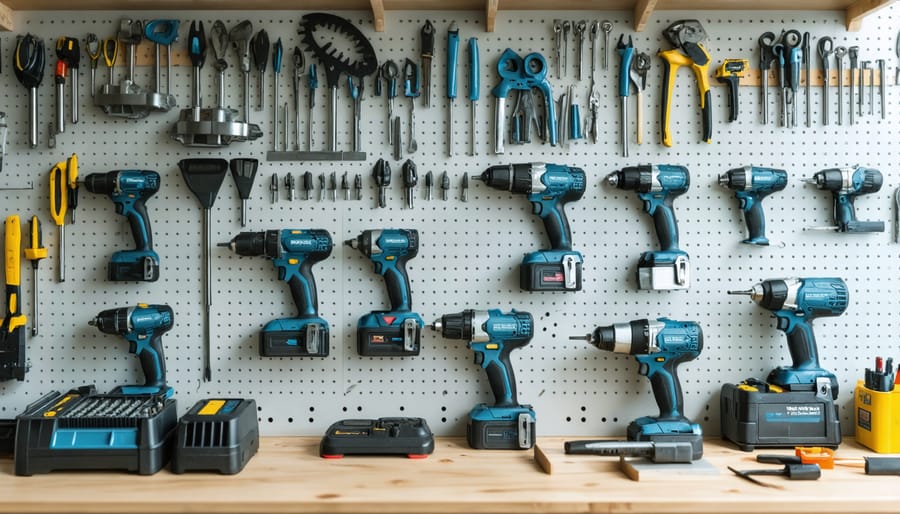
Essential Components of Your Quarterly Tool Maintenance
Deep Cleaning and Inspection
Begin your quarterly maintenance with a comprehensive deep cleaning session using professional cleaning equipment to remove accumulated dust, debris, and residue. Start by disassembling tools according to manufacturer guidelines and laying out components on a clean work surface.
Use compressed air to blast away loose particles from hard-to-reach areas, paying special attention to vents and moving parts. For power tools, carefully clean electrical contacts with contact cleaner and inspect cords for wear or damage. Wipe down metal surfaces with appropriate cleaning solutions, avoiding harsh chemicals that might damage protective coatings.
During cleaning, perform a thorough visual inspection of each tool. Look for signs of wear, including loose components, missing screws, or damaged parts. Check cutting edges for dullness or chips, and inspect handles and grips for security and comfort. Document any issues requiring immediate attention or future replacement.
For hand tools, examine wooden handles for splits or splinters, and ensure metal heads are firmly attached. After cleaning, apply appropriate lubricants to moving parts and protective coatings to prevent rust. Store tools in a clean, dry environment after maintenance is complete.
Lubrication and Moving Parts Check
Regular lubrication and movement checks are crucial for maintaining tool performance and preventing premature wear. Start by inspecting all moving parts for signs of rust, friction damage, or debris buildup. Clean these components thoroughly with a suitable degreaser before applying new lubricant.
Apply manufacturer-recommended lubricants to pivot points, hinges, gears, and sliding mechanisms. For power tools, focus on chuck mechanisms, blade adjustments, and depth stops. Manual tools like pliers and adjustable wrenches need attention at their adjustment points and joint areas. Remember to work the lubricant into the mechanisms by operating them several times.
Test the smoothness of movement in all directions. Listen for unusual sounds, feel for roughness, and watch for any catching or binding. Pay special attention to safety-critical components like blade guards and locking mechanisms. These should move freely but maintain their intended positions when set.
For air tools, use air tool oil in the inlet before each use. For precision tools, apply light machine oil to measuring surfaces and sliding components. After lubrication, wipe away excess oil to prevent dust accumulation and potential contamination of work materials.
Document which tools you’ve serviced and note any components showing signs of wear for future reference.
Tool-Specific Quarterly Checks
Power Tools
Regular maintenance of your power tools ensures longevity and optimal performance. Start by inspecting all electrical cords for fraying or damage. For battery-operated tools, clean the battery contacts with isopropyl alcohol and check for corrosion. Test all safety switches and guards to ensure smooth operation.
Using appropriate cleaning tools and equipment, remove dust and debris from motor vents and cooling systems. For tools with brushes, check the wear level and replace if necessary. Lubricate moving parts according to manufacturer specifications, paying special attention to chuck mechanisms and gear housings.
Examine all attachments and accessories for wear or damage. For cutting tools, check blade alignment and sharpness. Test battery charge retention and charging cycles for cordless tools. If you notice any unusual noises, vibrations, or performance issues, address them immediately.
Remember to store your power tools in a dry environment and use protective cases when available. Keep an updated maintenance log to track servicing dates and replacement parts.

Hand Tools
Regular maintenance of hand tools is crucial for both safety and longevity. Begin by inspecting all tool handles for cracks, splinters, or loose fittings. Wooden handles should be sanded smooth and treated with linseed oil to prevent drying and splitting. For tools with metal components, remove any rust using steel wool or a wire brush, then apply a light coat of machine oil to prevent future corrosion.
Check the alignment and straightness of screwdrivers, wrenches, and pliers. Ensure moving parts operate smoothly and apply lubricating oil to joints and pivot points. For measuring tools like squares and levels, verify their accuracy using known reference points.
Pay special attention to cutting tools – chisels, planes, and saw blades should be sharpened or replaced if showing signs of dullness. Clean all tools thoroughly with appropriate solvents to remove built-up debris, grease, and dirt. Store tools in a dry environment, preferably in a tool chest or hanging on a pegboard to prevent damage and maintain organization.
Document any tools that need repair or replacement, and always test tools after maintenance before returning them to service.
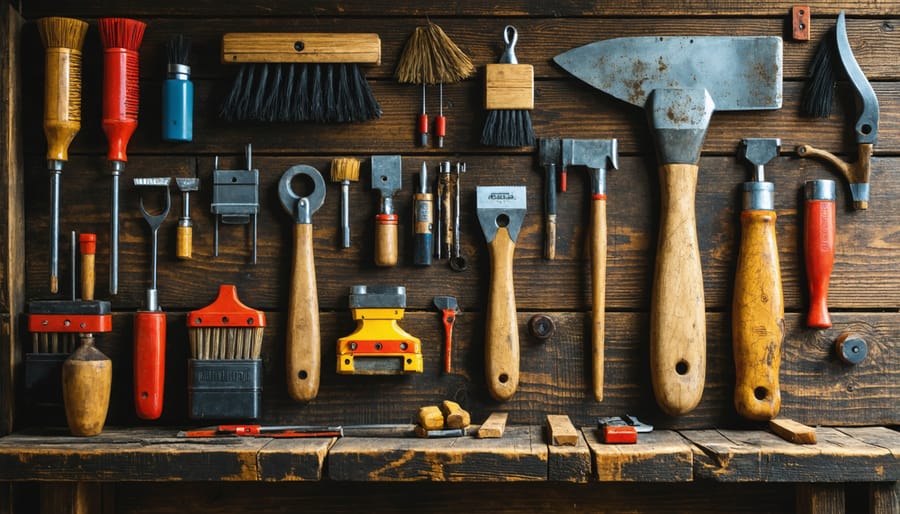
Creating Your Quarterly Maintenance Calendar
Creating an effective quarterly maintenance calendar starts with a thorough inventory of your tools and equipment. Begin by listing all your items and grouping them by maintenance frequency. Use a digital calendar or traditional planner to map out your maintenance schedule across the year’s four quarters.
Start with January as your first quarter and divide tasks evenly throughout the three months. Assign specific dates for each maintenance task, ensuring you don’t overload any particular week. Consider your typical work schedule and set aside dedicated maintenance time slots, preferably during slower periods.
For better organization, color-code different types of maintenance tasks. For example, use red for safety inspections, blue for lubrication, and green for cleaning tasks. This visual system helps you quickly identify upcoming maintenance requirements.
Create reminders on your phone or computer to alert you when maintenance is due. Keep a maintenance log alongside your calendar to track completion dates and note any issues discovered during inspections. This documentation helps identify patterns and anticipate potential problems before they become serious.
Remember to be flexible with your schedule – while routine is important, you may need to adjust timing based on tool usage and wear patterns.
Following a quarterly maintenance schedule is one of the most effective ways to protect your investment in tools and equipment. By performing regular checks and maintenance tasks every three months, you’ll significantly extend the life of your tools, improve their performance, and ensure safer operation. Not only does this systematic approach help you catch potential issues before they become major problems, but it also saves money in the long run by reducing the need for repairs and replacements.
Make this schedule work for you by setting calendar reminders and keeping detailed maintenance logs. The small time investment required for quarterly maintenance pays huge dividends in tool reliability and workplace efficiency. Start implementing these maintenance practices today, and you’ll quickly notice the difference in how your tools perform and last. Remember, well-maintained tools aren’t just more reliable – they’re safer and more enjoyable to use.
Related Posts


Post a Comment