
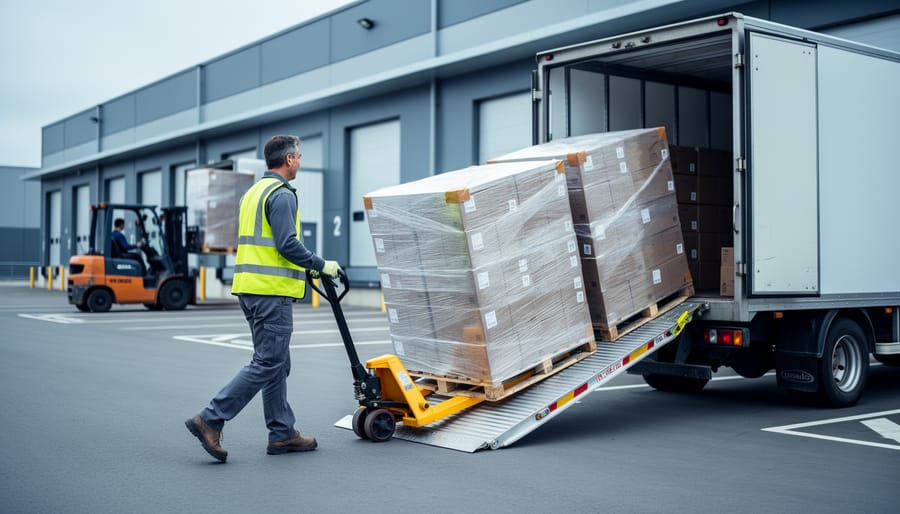
Identify your exact load specifications before contacting hire companies—measure pallet dimensions, calculate total weight, and count the number of pallets you need to move. Most businesses underestimate their requirements, leading to inadequate equipment selection and potential safety hazards during transit.
Match your equipment to your loading capabilities. If you lack a forklift at your departure or destination point, prioritize hiring pallet jacks or hand trucks alongside transportation. Many pallet transport providers offer combination packages that include both moving equipment and lifting tools, saving you from coordinating multiple suppliers.
Request equipment with built-in securing systems such as strapping mechanisms, corner protectors, and anti-slip surfaces. These features prevent load shifts during interstate travel, which account for nearly 25% of damaged shipments according to industry data. Quality hire equipment should come with all necessary tie-downs and protective materials included in the rental rate.
Compare daily versus weekly hire rates across multiple suppliers, as interstate journeys often require equipment for 3-7 days depending on distance. Weekly rates typically offer 30-40% savings compared to daily calculations. Ask specifically about one-way hire options if you don’t need equipment returned to the original location—this flexibility can significantly reduce your total costs.
Verify insurance coverage before signing hire agreements. Standard rental insurance may not cover interstate use or specific cargo types. Understanding these limitations protects you from unexpected liability if equipment fails or cargo sustains damage during cross-border transport.
Understanding Interstate Pallet Freight Basics
What Qualifies as Interstate Pallet Freight
Interstate pallet freight refers to shipments transported across state lines on palletized cargo. Unlike intrastate shipping within a single state, interstate transport falls under federal regulations managed by the Department of Transportation, which directly impacts your equipment requirements and hiring decisions.
A standard pallet measures 48 inches by 40 inches, though you’ll also encounter 42×42 and 48×48 sizes. Most pallets can handle 2,500 to 4,600 pounds, but weight limits matter significantly for interstate shipping. Freight carriers classify shipments by weight classes, and crossing into heavier classes affects both your equipment needs and costs. For example, shipments under 150 pounds often qualify for parcel rates, while anything heavier typically requires freight-rated equipment.
The equipment you hire must accommodate not just the pallet dimensions but also the total height of your stacked goods. Most carriers have height restrictions around 96 inches, including the pallet itself. You’ll need to factor in clearance for forklifts or pallet jacks during loading.
Regulatory compliance includes proper load securing, which means your hired equipment should include tie-downs or stretch wrap capabilities. Some states also have specific axle weight limits that affect how you load and transport pallets, so understanding these basics helps you choose appropriate equipment from rental providers.
When Hiring Makes More Sense Than Buying
For businesses and individuals making occasional interstate pallet shipments, equipment rental yards offer compelling financial advantages over purchasing. If you’re shipping pallets interstate less than four times annually, hiring equipment typically costs 60-70% less than buying outright.
Consider hiring when you’re relocating a business just once, sending seasonal inventory, or fulfilling a one-off large order. A pallet jack that costs $800 to purchase can be hired for $40-60 per day, while a hand truck runs around $20-35 daily versus $150-300 to buy. The advantages of hiring over buying extend beyond immediate savings—you avoid storage costs, maintenance expenses, and equipment depreciation.
Purchasing makes sense only if you’re shipping pallets interstate weekly or running a logistics operation. For most DIY movers, small retailers, or tradespeople handling sporadic interstate deliveries, hiring provides the tools you need without the long-term financial commitment. Plus, rental centres handle equipment maintenance and offer newer models with updated safety features.
Essential Equipment for Interstate Pallet Shipping
Pallet Jacks and Hand Trucks
When moving pallets for interstate shipping, pallet jacks and hand trucks are essential for maneuvering loads safely between truck and warehouse. Understanding the difference between manual and electric options helps you choose the right equipment for your specific needs.
Manual pallet jacks are the most economical choice for lighter loads and occasional use. These hand-operated devices typically handle weights up to 5,500 pounds and work best on smooth, level surfaces. They’re ideal when you’re loading just a few pallets or working in spaces where maneuverability matters more than speed. The trade-off is physical effort—moving multiple heavy pallets can be exhausting work.
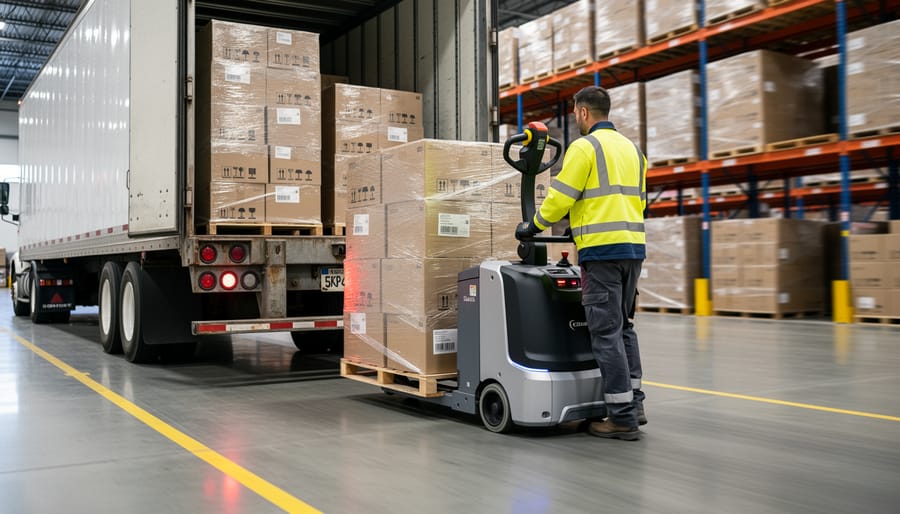
Electric pallet jacks significantly reduce operator fatigue and increase efficiency for frequent or heavy-duty operations. With weight capacities ranging from 4,000 to 8,000 pounds, they’re perfect for businesses regularly shipping multiple pallets interstate. Battery-powered models move loads quickly with minimal physical strain, though they cost more to rent and require access to charging stations.
Hand trucks, while not designed specifically for pallets, prove useful for smaller boxed items or breaking down partial pallet loads. Standard models handle 600-800 pounds, while heavy-duty versions manage up to 1,200 pounds.
Community feedback consistently highlights that electric jacks justify their higher rental cost when moving more than ten pallets daily, while manual jacks serve occasional shippers perfectly well.
Forklifts for Heavy-Duty Loading
For heavier pallet loads or warehouse-style operations, forklift hire becomes essential for safe and efficient interstate shipping preparation. When standard pallet jacks won’t suffice, having access to the right tools for the job prevents costly delays and workplace injuries.
Short-term forklift rentals typically include counterbalance forklifts (most common for general use), reach trucks (for narrow aisles), and rough terrain models (for outdoor loading bays). Daily hire rates vary based on lift capacity, with smaller 2.5-tonne models starting around $150-250 per day, while heavy-duty 5-tonne units cost $300-500 daily.
Operator requirements vary by state, but generally, anyone operating a forklift needs a current High Risk Work Licence. Many hire companies offer packages that include a licensed operator, which simplifies compliance and insurance concerns for occasional users.
Safety considerations include conducting pre-operation checks, ensuring load stability within the forklift’s capacity rating, maintaining clear sight lines, and wearing appropriate personal protective equipment. Community feedback consistently emphasizes the importance of choosing equipment with recent service records and requesting a demonstration before independent operation, especially for first-time hirers.
Pallet Wrapping and Securing Equipment
Before your pallets hit the road for interstate transport, proper securing is essential to prevent damage and ensure safe delivery. The right wrapping and securing equipment protects your goods from shifting, moisture, and handling mishaps during long-haul journeys.
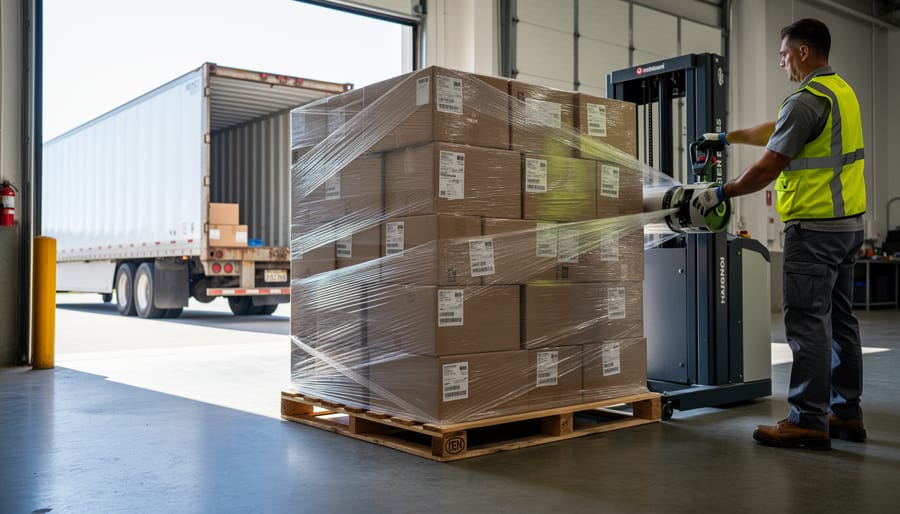
Shrink wrap machines are the backbone of pallet preparation. Manual dispensers work well for occasional shipments—simply walk around your pallet while applying stretch film, creating multiple protective layers. For higher volumes, consider hiring automatic or semi-automatic stretch wrappers that rotate the pallet while applying consistent tension, saving time and reducing film waste. Most hire centers stock both options.
Strapping tools add extra security by binding your load tightly to the pallet base. Manual tensioners and sealers handle steel or polyester strapping, while battery-powered strapping tools speed up the process significantly. Community feedback suggests pairing strapping with stretch wrap for maximum stability on bumpy interstate routes.
Don’t overlook corner protectors—these cardboard or plastic guards prevent strapping from cutting into your goods and distribute pressure evenly. Edge protectors similarly shield vulnerable sides from forklift damage during loading and unloading.
When hiring, ask about complete securing kits that bundle these tools together. Many rental providers offer package deals that include the stretch film, strapping materials, and corner protectors alongside the equipment, simplifying your preparation process.
Weighing and Measuring Tools
Getting accurate weight and dimensions is crucial for interstate pallet shipping. Incorrect measurements can result in surprise fees, rejected shipments, or compliance issues with freight carriers. Most equipment hire companies offer portable pallet scales and measuring tools specifically designed for shipping applications.
Pallet scales are your first essential tool. These low-profile scales allow you to weigh loaded pallets without needing a forklift to transfer them to a traditional scale. Digital models provide precise readings up to 2,500 kg and often include tare functions to subtract pallet weight automatically. When hiring, look for scales with large LED displays and calibration certificates to meet carrier requirements.
Measuring equipment includes laser distance meters and pallet dimensioning tools that calculate cubic measurements quickly. These devices help you provide accurate quotes and avoid dimensional weight pricing surprises, where carriers charge based on space rather than actual weight.
Community feedback highlights the importance of checking measurement accuracy before your shipment leaves. One tradesperson shared how hiring a scale for $25 per day saved them $300 in re-weighing fees and shipping adjustments. Many hire companies bundle scales with moving equipment packages, offering better value for multiple interstate shipments. Always verify that hired equipment includes current calibration documentation, as carriers may request proof of accuracy.
How to Choose the Right Equipment for Your Shipment
Assessing Your Pallet Load Requirements
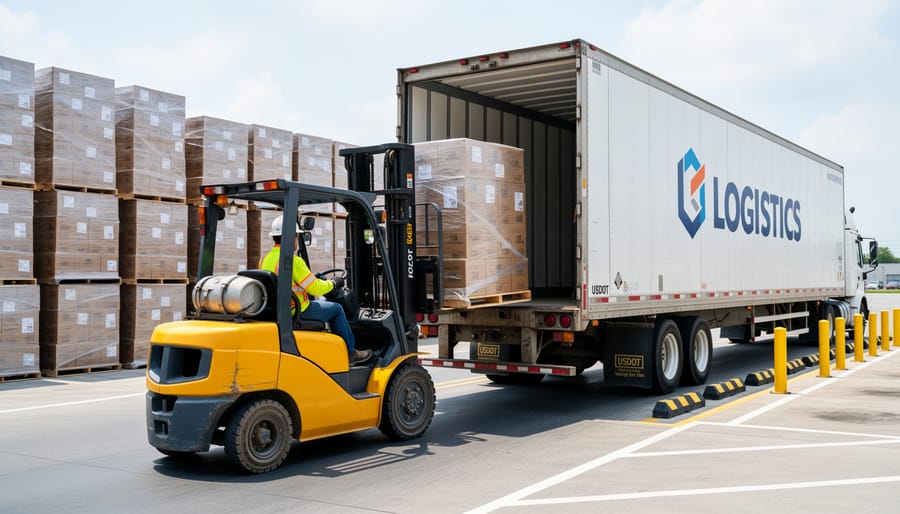
Before booking interstate pallet shipping equipment, accurately assessing your load requirements saves time, money, and prevents potential damage during transport. Start by determining the total weight of your pallets, as this directly influences the type of equipment you’ll need. Standard wooden pallets typically hold 1,000-2,800 pounds, but always verify your specific load capacity needs.
Next, measure your pallet dimensions carefully. While standard pallets are 48×40 inches, variations exist, and accurate measurements ensure you hire equipment with adequate bed space and loading capacity. Don’t forget to measure height, including any stacked items or protective covering.
Evaluate the fragility of your goods. Delicate items may require equipment with air-ride suspension or additional securing features. Community feedback suggests noting whether items are temperature-sensitive, moisture-prone, or require special handling—this information helps rental providers recommend appropriate equipment.
Calculate the total quantity of pallets for your shipment. Shipping two pallets differs significantly from twenty when selecting trailer size and securing equipment. Consider whether you’re making multiple trips or need everything transported at once.
Finally, document any special requirements such as forklift accessibility at pickup and delivery locations, as this affects which equipment configuration works best. Creating a simple checklist covering weight, dimensions, fragility, quantity, and access requirements streamlines your hiring process and ensures you get equipment matched to your actual needs.
Location and Access Considerations
Before hiring interstate pallet shipping equipment, carefully assess both your pickup location and delivery destination. These site conditions directly impact which equipment will work safely and efficiently for your needs.
Start by evaluating loading dock availability. If your business has a commercial loading dock, you’ll have more equipment options including standard pallet jacks and larger capacity forklifts. However, many DIY users and small businesses operate without docks. In these cases, you’ll need equipment that can handle ground-level loading, such as low-profile pallet jacks or hand trucks with built-in ramps.
Measure your driveway width and any gates the equipment must pass through. Standard pallet jacks require approximately 27 inches of clearance, while wider loads may need specialized narrow-aisle equipment. Consider the surface condition too. Rough driveways, gravel, or uneven pavement can make wheeled equipment difficult to maneuver and may require pneumatic tires rather than standard hard wheels.
Street access matters significantly for delivery coordination. If your location has parking restrictions, narrow streets, or low-hanging obstacles like tree branches or power lines, communicate this information to your equipment hire company upfront. They can recommend appropriate equipment sizes and help plan delivery logistics.
Community members frequently report that taking photos of access points and sharing measurements during the equipment booking process prevents costly delays and ensures you receive suitable equipment for your specific site conditions.
Where to Hire Interstate Pallet Shipping Equipment
Finding the right place to hire interstate pallet shipping equipment can make the difference between a smooth transport job and a logistical headache. Let’s explore your main options and what separates great providers from the rest.
National tool hire companies like Kennards Hire and Coates Hire are often your first stop. They offer consistent service standards across multiple states, which is handy if you’re coordinating pickups and drop-offs in different locations. These chains typically stock pallet jacks, hand trucks, and moving dollies at competitive rates. Their wide network means you can often collect equipment in one state and return it in another, though cross-state fees may apply.
Specialized freight equipment providers focus exclusively on shipping and logistics gear. While they might be pricier, they often carry heavy-duty options and understand the specific challenges of interstate transport. Their staff can offer valuable advice about weight limits, securing loads, and compliance with different state regulations.
Don’t overlook local rental services in your area. Many smaller operators offer personalized service and flexible rental terms. Community members often share positive experiences with these businesses, particularly for last-minute bookings or unusual requirements.
When evaluating any provider, check these key factors: equipment condition and maintenance records, insurance coverage options, availability of delivery and pickup services, transparent pricing with no hidden fees, and customer reviews from real users. Ask whether they provide training or instructional materials, especially if you’re new to using certain equipment.
Reading feedback from other hirers helps you identify providers who truly deliver on their promises. Look for comments about equipment reliability, customer service responsiveness, and whether the actual costs matched the initial quotes.
Cost Breakdown and Budgeting Tips
Understanding the costs involved in interstate pallet shipping equipment hire helps you budget accurately and avoid surprises. Here’s what to expect across different equipment categories.
Hand pallet jacks typically cost between $25-$45 per day or $75-$150 per week. These are the most economical option for lighter loads and shorter distances. Electric pallet jacks command higher rates at $60-$100 daily or $200-$350 weekly due to their motorized capabilities and higher load capacity.
For larger operations requiring forklifts, daily rates range from $150-$300 depending on lift capacity and fuel type. Weekly rates offer better value at $450-$900. Industrial wrapping machines rent for approximately $50-$120 per day, while smaller handheld pallet wrappers cost around $15-$30 daily.
Most hire companies require a security deposit of $100-$500, refundable upon equipment return in good condition. Some accept credit card holds instead of cash deposits, which can help with cash flow management.
Money-saving strategies from the community include hiring for weekly or monthly periods rather than daily rates, which typically saves 20-30 percent. Booking during off-peak seasons often unlocks better pricing. Many users recommend joining loyalty programs at local hire shops for member discounts and waived delivery fees.
Consider splitting costs with neighboring businesses if you’re shipping similar timeframes. Some hire companies offer package deals when renting multiple equipment pieces simultaneously, such as bundling a pallet jack with strapping tools and protective materials.
Always clarify what’s included in the quoted price. Fuel, delivery charges, insurance coverage, and damage waivers vary significantly between providers. Reading user reviews helps identify companies with transparent pricing versus those with hidden fees. Getting written quotes from at least three suppliers ensures competitive pricing for your specific interstate shipping project.
Safety and Compliance Essentials
Operator Safety and Training
Operating pallet handling equipment safely is essential, particularly when managing interstate shipments. Basic safety protocols include conducting pre-operation inspections, maintaining clear visibility while moving loaded pallets, and ensuring loads are properly secured before transport. Equipment should only be operated on stable, level surfaces, and operators must maintain awareness of overhead clearances and pedestrian traffic.
Many hire companies provide basic operational training with equipment rental, though the extent varies significantly. Community reviews suggest asking specifically about training inclusion before booking, as some suppliers offer comprehensive hands-on instruction while others provide only printed guidelines. For safe lifting operations, request demonstrations on proper load positioning, weight distribution, and emergency procedures.
Operator certification requirements depend on equipment type and workplace regulations. Manual pallet jacks typically don’t require formal certification, but powered equipment like forklifts and pallet movers may need operators to hold valid licences under workplace health and safety legislation. Check your state’s specific requirements, as interstate operations may involve different jurisdictions. Some hire companies offer short-term certification courses, making compliance easier for occasional users.
Always clarify your experience level with hire providers, they can recommend appropriate equipment and arrange necessary training to ensure safe, confident operation throughout your rental period.
Interstate Freight Compliance Basics
When shipping pallets across state lines, you’ll need to understand a few key compliance requirements to avoid delays and penalties. First, weight limits are crucial. Most interstate highways allow up to 80,000 pounds for a full truck, but individual pallets typically weigh between 500 and 2,500 pounds depending on your cargo. Always confirm the total weight with your freight carrier, as different states may have specific restrictions.
Securing your load properly isn’t just about safety—it’s legally required. Use stretch wrap to stabilize items on the pallet, and ensure straps or bands meet Department of Transportation standards. Your load shouldn’t shift more than three inches during transport. When hiring equipment, check that it includes adequate securing materials or budget for these separately.
Documentation requirements include a bill of lading, which describes your shipment’s contents, weight, and destination. You’ll also need freight classification codes that determine shipping rates based on density and handling needs. Keep commercial invoices if shipping products for sale, and maintain proof of insurance coverage. Many equipment hire companies provide templates for these documents, making compliance simpler for first-time shippers. Always request copies of all paperwork for your records before the shipment departs.
Real User Experiences and Tips
When it comes to interstate pallet shipping, real-world experience counts for everything. We asked our community to share their challenges and solutions to help you avoid common pitfalls.
The most frequent challenge reported? Underestimating load weight and pallet dimensions. Sarah from Melbourne learned this the hard way when her equipment hire didn’t include a scale. “I thought I could eyeball the weight, but the transport company refused my shipment because I was 200kg over,” she explains. Her advice: always hire a pallet jack with built-in weighing capability or rent a separate industrial scale to verify before booking transport.
Professional tradies emphasize the importance of proper wrapping equipment. Jake, a furniture manufacturer who ships interstate weekly, swears by hiring stretch wrap dispensers rather than hand-wrapping. “It cut my prep time by 60 percent and reduced damage claims significantly. The $40 hire fee pays for itself immediately.”
Equipment strapping is another area where users wish they’d invested more attention upfront. Community members recommend hiring corner protectors and heavy-duty strapping kits together with your pallet jack. DIYer Tom notes, “Cheap straps from the hardware store snapped during transit. Now I only use professional-grade equipment from hire companies.”
For those new to pallet shipping, the community consensus is clear: start with a standard manual pallet jack for loads under 500kg. Electric jacks are worth the extra cost for heavier shipments or if you’re loading multiple pallets.
One recurring tip: book equipment 48 hours in advance, especially during peak periods. Last-minute availability can be limited, potentially delaying your entire shipping schedule. Document everything with photos before wrapping to protect yourself if disputes arise during interstate transit.
Successfully managing interstate pallet shipping starts with selecting the right equipment for your specific needs. Whether you’re a small business owner shipping products for the first time or a tradesperson transporting materials across state lines, taking time to assess your requirements will save you money and headaches down the track.
Remember to consider the weight and dimensions of your pallets, the distance they’ll travel, and any special handling requirements before committing to equipment hire. Don’t hesitate to ask hire companies about their recommendations based on real-world customer experiences. Community feedback from others who’ve tackled similar shipping challenges can provide valuable insights you won’t find in product specifications alone.
Safety should always be your top priority. Ensure you understand proper loading techniques, weight distribution principles, and securing methods before your pallets hit the road. The right equipment combined with proper handling practices protects both your goods and everyone sharing the highway.
By carefully evaluating your options and prioritizing quality equipment from reputable hire providers, you’ll set yourself up for a smooth, successful interstate shipping experience that gets your pallets where they need to go, safely and on time.
Related Posts

Post a Comment