
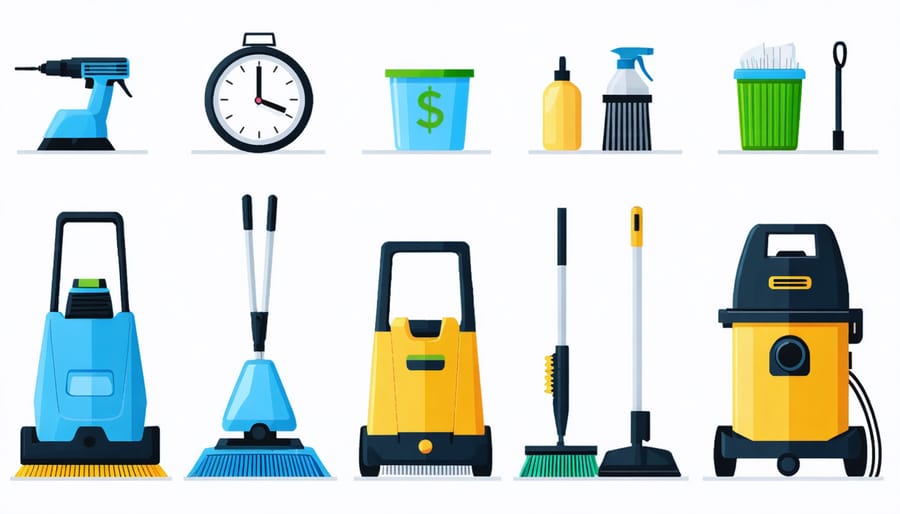
Transform your cleaning projects from daunting to doable by selecting the right rental equipment. Professional-grade Mustang Hygiene commercial supplies and tools can reduce labor time by up to 70% while delivering superior results. From industrial pressure washers that strip years of grime in minutes to commercial-grade carpet cleaners that extract deep-seated dirt, rental equipment puts professional cleaning power within reach.
Whether tackling a major property cleanup or refreshing commercial spaces, equipment rental eliminates the need for expensive purchases while providing access to contractor-grade tools. Smart rental choices help you match the right equipment to specific cleaning challenges – ensuring efficiency, safety, and professional-quality outcomes. Consider factors like project scope, surface materials, and time constraints when selecting rental equipment. Many rental centers offer expert guidance, maintenance support, and flexible rental periods to accommodate projects of any size.
Let’s explore the essential rental equipment options, selection criteria, and best practices that will help you tackle cleaning projects like a pro.
Essential Cleaning Equipment Available for Rent
Floor Care Equipment
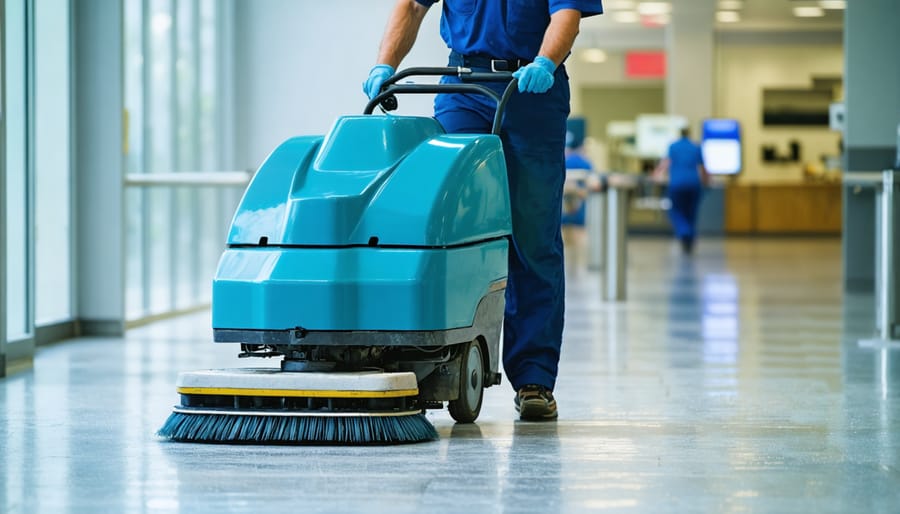
Floor care equipment rentals offer powerful solutions for both residential and commercial cleaning projects. Professional-grade floor scrubbers efficiently remove dirt and grime from hard surfaces, featuring adjustable pressure settings and solution dispensing systems. These machines are particularly effective for large areas like warehouses, retail spaces, and office buildings.
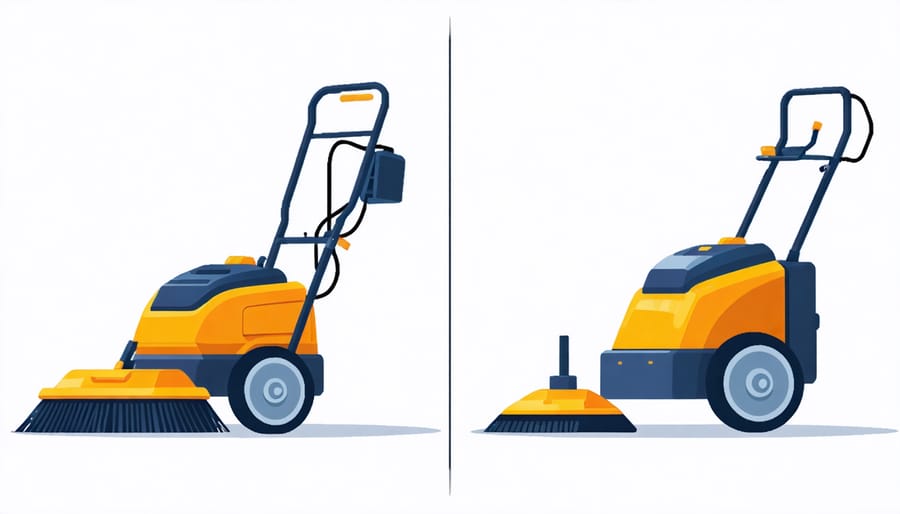
Buffer machines, available in both standard and high-speed models, help restore shine to various floor types. Single-disc buffers are ideal for smaller spaces and basic polishing tasks, while burnishers operating at higher RPMs deliver exceptional gloss on hardwood, marble, and vinyl floors.
For carpet maintenance, industrial carpet cleaners provide deep cleaning capabilities through hot water extraction. These machines inject cleaning solution deep into carpet fibers and extract dirt, stains, and moisture in a single pass. Many rental outlets offer both upright and portable carpet cleaners, with options ranging from compact residential models to commercial-grade extractors.
Most rental centers provide cleaning solutions specifically formulated for their equipment and offer basic training on proper machine operation. Always request a demonstration of the equipment before renting to ensure safe and effective use during your project.
Pressure Washing Systems
Pressure washing systems are essential for tackling tough outdoor cleaning projects, with rental options ranging from light-duty electric models to heavy-duty gas-powered units. Most rental centers offer washers rated between 1,500 and 4,000 PSI, suitable for various cleaning tasks from deck restoration to driveway cleaning.
When renting a pressure washer, you’ll typically have access to different nozzle attachments (0°, 15°, 25°, and 40° spray patterns) and specialized accessories like surface cleaners for large flat areas. Hot water pressure washers are also available for dealing with grease and stubborn stains.
Consider the cleaning project’s scope when selecting your equipment. Light-duty electric washers (1,500-2,000 PSI) work well for vehicles and furniture, while medium-duty gas models (2,000-3,000 PSI) handle siding and fencing. Heavy-duty units (3,000+ PSI) are reserved for commercial applications and concrete cleaning.
Always request an operational demonstration and safety instructions before leaving the rental center. Most rentals include basic cleaning solutions, but specialized detergents may cost extra.
Specialized Cleaning Tools
For deep-cleaning projects, specialized equipment can make a significant difference in efficiency and results. Steam cleaners are excellent for sanitizing surfaces without chemicals, effectively removing stubborn grime from floors, walls, and upholstery. Most rental facilities offer both handheld units for small jobs and commercial-grade machines for larger spaces.
Industrial vacuums provide powerful suction capabilities that standard household models can’t match. These units come with specialized attachments for different surfaces and can handle everything from construction debris to fine dust. Many models feature HEPA filtration systems, making them ideal for allergy-sensitive environments.
Air scrubbers are essential for maintaining air quality during cleaning projects, especially in enclosed spaces. These machines remove airborne particles, including dust, mold spores, and other contaminants. When renting an air scrubber, consider the square footage of your space and whether you need additional features like carbon filters for odor control.
Before renting any specialized cleaning equipment, request a demonstration from the rental provider to ensure proper operation and safety protocols.
How to Choose the Right Rental Equipment
Project Assessment Guidelines
Before renting cleaning equipment, carefully assess your project requirements to ensure you select the right tools for the job. Start by measuring the area that needs cleaning and noting any specific surface types or materials involved. This helps determine whether you need lightweight equipment for small spaces or heavy-duty machines for larger areas.
List all cleaning tasks you plan to accomplish, from basic floor cleaning to specialized surface treatments. Consider factors like water availability, power sources, and disposal options at your location. These details will influence equipment choices and rental duration.
Evaluate your project timeline and schedule, including any flexibility needed for unexpected challenges. Factor in the time needed for equipment pickup, learning to operate tools, and return logistics. If working in occupied spaces, plan around peak usage times and ventilation requirements.
Document any stubborn stains, damaged areas, or special cleaning needs that might require specific attachments or cleaning solutions. Take photos if possible, as these can help rental staff recommend the most appropriate equipment. Also, consider your experience level with professional cleaning equipment, as some tools may require training or certification.
Calculate your budget, including potential deposits, cleaning solutions, and any additional accessories you might need. Many rental providers offer package deals for multiple tools, which can be more cost-effective for comprehensive cleaning projects.
Cost-Benefit Analysis
When comparing rental costs versus purchase prices, renting cleaning equipment often proves more economical for occasional or one-time projects. For example, renting a commercial-grade carpet cleaner for a weekend typically costs between $50-100, while purchasing the same machine could set you back $500-1,500. This significant price difference makes rental particularly attractive for homeowners and small businesses.
Consider frequency of use when making your decision. If you’ll need the equipment less than 4-5 times per year, renting usually makes more financial sense. Beyond the initial purchase price, factor in maintenance costs, storage requirements, and depreciation when calculating long-term ownership expenses.
Many rental companies offer package deals for multiple tools, which can reduce overall costs by 15-25%. Weekend rates are often cheaper than daily rates, and some providers offer loyalty programs or extended rental discounts. Remember to account for cleaning solution costs, which might be included with rentals but represent an ongoing expense with ownership.
Additional savings come from avoiding repair and replacement costs, which rental companies typically cover under their maintenance agreements. This protection alone can justify the rental route for many users.
Rental Terms and Requirements
Rental Duration Options
Most rental companies offer flexible duration options to match your project timeline and budget. The standard rental periods typically include 4-hour blocks, daily (24-hour), weekly, and monthly terms. For smaller cleaning projects, the 4-hour or daily rental provides cost-effective solutions, with rates usually ranging from 20-30% of the tool’s retail price.
Weekly rentals offer significant savings compared to daily rates, typically providing a 40% discount over the cumulative daily rate. This option is ideal for extensive cleaning projects or when you need extended access to specialized equipment. Monthly rentals provide the best value for long-term projects, often saving up to 60% compared to weekly rates.
Many rental providers also offer weekend specials, where you can pick up equipment on Friday afternoon and return it Monday morning for a single-day rate. Be sure to clarify the exact return time requirements, as late returns usually incur additional charges. Some companies provide flexibility with extended hours or after-hours drop-off options, making it convenient to work within your schedule while maximizing the rental period value.
Remember to factor in potential deposit requirements and additional fees for equipment cleaning or fuel charges when calculating your total rental cost.
Insurance and Liability
When renting cleaning equipment, understanding insurance and liability coverage is crucial for protecting both you and the rental company. Most reputable rental providers include basic damage protection in their rental agreements, but it’s essential to carefully review the coverage limits and your responsibilities.
Typically, rental insurance covers accidental damage to the equipment during normal use. However, theft, misuse, or negligence usually aren’t covered. Many companies offer additional protection plans for a small fee, which can provide peace of mind for more expensive equipment rentals.
Before signing the rental agreement, document any existing damage to the equipment and ensure it’s noted on the paperwork. Take photos if possible. You’ll be responsible for returning the equipment in the same condition, minus normal wear and tear.
Some rental companies require proof of personal liability insurance, especially for commercial users. Homeowners should check if their existing insurance policies cover rented equipment. If not, consider purchasing short-term rental insurance for additional protection.
Remember to read the fine print regarding cleaning requirements upon return. Many agreements specify that equipment must be returned clean, or you may incur additional charges.
Safety and Operation Tips
Equipment Operation Basics
Before operating any rented cleaning equipment, carefully read the manufacturer’s instructions and any guidance provided by the rental company. Most cleaning equipment requires a pre-operation inspection to ensure all components are secure and functioning properly. Check for loose parts, damaged power cords, or worn attachments.
For pressure washers, start with a lower pressure setting and test the spray pattern on an inconspicuous area. Maintain a consistent distance between the nozzle and the surface being cleaned, typically 12-24 inches, depending on the material. When using floor buffers or polishers, practice the movement pattern in an open area first to get comfortable with the machine’s torque and handling.
Steam cleaners should be filled with the recommended amount of water, and users should wait for proper heating before beginning. For carpet cleaners, make test passes in straight lines, overlapping slightly to ensure complete coverage. Remember to empty and refill solution tanks as needed.
Always wear appropriate personal protective equipment, including safety glasses, non-slip footwear, and hearing protection when required. Keep power cords away from water and maintain proper ventilation in enclosed spaces. If you encounter any operational issues, stop immediately and contact the rental provider for support.
Safety Protocols
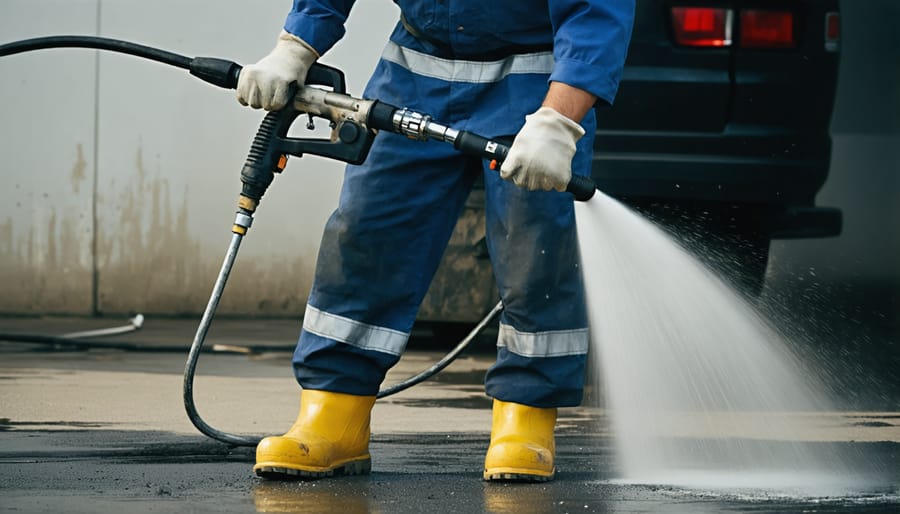
Before operating any rented cleaning equipment, always prioritize safety by wearing appropriate personal protective equipment (PPE). This typically includes safety glasses, ear protection for loud machinery, dust masks or respirators when working with chemicals or dust, and non-slip work boots. Rubber gloves are essential when handling cleaning solutions or wet equipment.
Ensure proper ventilation in your work area, especially when using chemical cleaners or equipment that generates fumes. Keep windows open and use fans when necessary. For electrical equipment, inspect power cords for damage before use and keep them away from water sources.
Read and follow all manufacturer instructions carefully, particularly regarding chemical dilution ratios and equipment operation limits. Never mix cleaning products, as this can create dangerous fumes. Keep a first aid kit nearby and know the location of emergency shut-off switches on powered equipment.
When using pressure washers or industrial cleaning machines, start with the lowest pressure setting and maintain a safe distance from surfaces to prevent damage or injury. Store cleaning solutions in their original containers and keep them out of reach of children and pets. If working at heights with cleaning equipment, use appropriate fall protection and ensure ladders are properly secured.
Finally, always have emergency contact numbers readily available and know the quickest route to emergency services if needed.
Maintenance During Rental Period
Proper care of your rented cleaning equipment is essential for both effective results and avoiding additional charges. Maintaining rented equipment during your rental period involves several key practices that should become routine.
First, always clean equipment after each use, even if you plan to use it again the next day. Remove dirt, dust, and debris from surfaces, filters, and collection bags. For pressure washers, drain water completely and clean nozzles to prevent mineral buildup. With carpet cleaners, empty and rinse solution tanks thoroughly to avoid residue formation.
Monitor fluid levels regularly, especially in powered equipment. Use only manufacturer-recommended oils, fuels, or cleaning solutions. Incorrect products can damage the equipment and void rental agreements. Check belts, hoses, and connections before each use to catch potential issues early.
Keep equipment stored properly between uses. Place tools in dry, covered areas away from extreme temperatures. Don’t leave equipment outdoors or exposed to weather elements. For electrical equipment, avoid storing cords with sharp bends that could damage internal wiring.
If you notice any operational issues, stop using the equipment immediately and contact the rental provider. Continuing to use malfunctioning equipment could cause further damage and create safety hazards. Document any existing damage when you first receive the equipment to avoid disputes upon return.
Follow the rental provider’s specific maintenance instructions carefully. Some may require daily checks or periodic maintenance during extended rentals. Keep a maintenance log if required by your rental agreement.
Renting cleaning equipment can transform challenging projects into manageable tasks while saving you money and storage space. By choosing the right tools and following proper safety protocols, you can achieve professional-quality results without the long-term commitment of purchasing specialized equipment. Remember to thoroughly inspect all rented items before use, maintain clear communication with your rental provider, and follow their cleaning and return guidelines.
Take advantage of user reviews and community feedback when selecting both equipment and rental providers. These real-world experiences can offer valuable insights into tool performance and rental service quality. Always factor in the scope of your project when deciding between daily, weekly, or monthly rental periods to ensure cost-effectiveness.
Whether you’re tackling a one-time deep clean or managing regular maintenance tasks, tool rental provides a flexible, economical solution. By properly caring for rented equipment and following safety guidelines, you’ll not only complete your cleaning projects successfully but also contribute to a sustainable sharing economy that benefits the entire community. Consider starting with smaller projects to build confidence before taking on larger cleaning challenges.
Related Posts


Post a Comment