
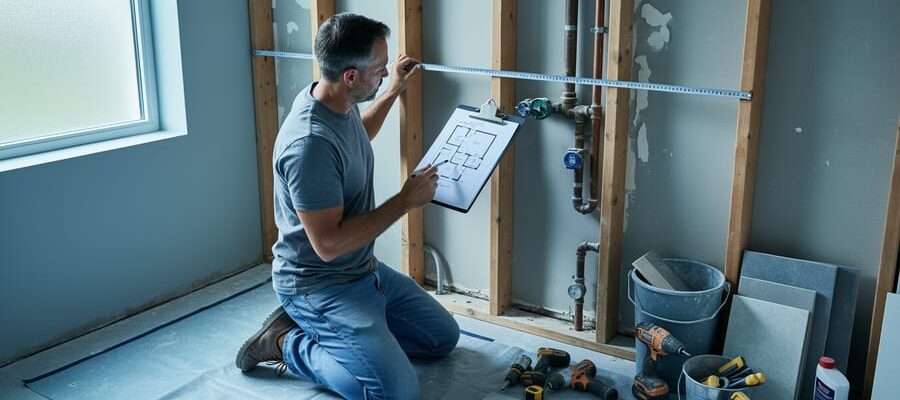

When it comes to remodeling your house, the journey can be both exciting and overwhelming. You may envision a stunning transformation, but knowing where to begin is essential. This guide is going to walk you through the entire remodeling process, equipping you with the knowledge and confidence to turn your dream home into a reality, step by step.
Design and Materials
Considering design and materials is crucial in a house remodel, as they significantly impact both aesthetics and functionality. This step in home renovation will make your place both more functional and aesthetically pleasing. The design sets the tone for your entire space, reflecting your style while also enhancing usability. When selecting materials, factors such as durability, maintenance, and cost play a vital role. High-quality materials can improve the lifespan of your remodel, while thoughtful design can optimize space and comfort.
To choose the right design and materials, start by researching current trends and gathering inspiration from magazines or online platforms. Create a list of your must-haves and consider consulting with professionals who can provide valuable insights and guidance. Ultimately, a well-planned approach will ensure that your remodel not only looks great but meets your practical needs for years to come.
Hire Professionals
Hiring professionals for your house remodel can significantly alleviate stress and ensure a successful outcome. Specialists such as architects, designers, and contractors bring expertise in visualizing and executing your vision while adhering to building codes and regulations. Their experience often results in better design efficiency, cost savings, and timelines that are more accurate than DIY efforts.
To find the right contractor, start by seeking recommendations from friends or family, and check online reviews to gauge their reputation. Conduct interviews with potential candidates, asking about their experience with projects similar to yours and obtaining detailed estimates. Don’t forget to verify their licenses and insurance, ensuring that you entrust your home to a qualified and reliable professional. A well-chosen team can transform your remodeling project into a smooth and gratifying experience.
Permits and Regulations
Whenever you’re doing upgrades and improvements to your property, they must comply with the law. Being aware of regulations and necessary permits will help you avoid costly mistakes and ensure your home is safe for you and your family. Here’s what you’ll probably need:
- Building permits
- Electrical permit
- Plumbing permit
- HVAC permit
- Zoning permit
- Historic preservation
- Environmental concerns
- Homeowners association approval
- Landscaping permit
- Safety inspections
Permits and regulations are essential for house remodels as they ensure safety, compliance with local laws, and adherence to building codes. The same goes for strata properties — any planned work will require approval from the owners corporation, which can be facilitated by services like Adelaide strata management company Strata Data. Obtaining the necessary permits helps prevent legal issues, potential fines, and delays in the project, while also safeguarding your investment and the well-being of occupants during and after renovations.
Plan and Budget
A well-thought-out plan ensures that every aspect of your remodel aligns with your vision and timelines, while a detailed budget prevents overspending and encourages prioritization of essential elements. To conduct planning and budgeting, begin by defining your goals, assessing the current state of your home, and creating a realistic timeline.
Next, estimate costs for materials, labor, and permits, and always include a contingency fund (usually 10-20%) for unexpected expenses. By taking these steps, you can make informed decisions that lead to a smoother remodeling experience and ultimately a home that meets your needs and expectations.
Timeline
A well-structured timeline ensures that each phase of the project aligns with your overall vision. It helps manage expectations for completion dates and allows for better coordination among contractors and suppliers. A detailed timeline can also help identify potential delays early on, giving you the opportunity to make adjustments and stay within your budget.
To devise an effective timeline, start by breaking down the project into phases, such as design, demolition, construction, and finishing touches. Assign estimated completion dates for each phase and account for any dependencies, like waiting for permits or deliveries. Regularly review and adjust the timeline as needed, keeping all stakeholders informed to foster smooth communication and collaboration throughout the remodeling process.
Communication
Clear communication helps convey your vision, expectations, and concerns to contractors, architects, and designers, reducing misunderstandings and minimizing errors. Regular updates and check-ins can keep the project on track and ensure that any issues are promptly addressed.
To facilitate good communication, establish preferred channels — be it email, phone calls, or in-person meetings — and set a schedule for updates. Encourage open dialogue where questions and suggestions can be freely exchanged. Document decisions and changes to maintain transparency and keep track of the project’s progress, ensuring that your remodel aligns with your goals and timelines.

In conclusion, embarking on a home remodeling project can be a rewarding endeavor when approached with careful planning and clear communication. By understanding the entire process, securing the right professionals, and staying mindful of permits, deadlines, and budgets, you can transform your home into a beautiful and functional space that meets your needs and reflects your personal style.
Related Posts


Post a Comment