

When people need advice regarding their homes, they often use the Internet. They seek guides to storing your equipment properly, and ways to address termite infestations. Imagine discovering that your cozy house is now a sanctuary and buffet for thousands of these tiny, ravenous pests. This article discusses the telltale signs of a termite infestation, and provides crucial steps for swift action.
The Problem With Termite Infestations
These often go unnoticed until significant damage has already occurred. These hidden destroyers can compromise your home’s structural integrity within months.
Many insurance policies don’t cover termite damage. Imagine the thought of losing a cherished home or dealing with money worries caused by extensive repairs.
DIY Vs. Professional Help
DIY methods often come with an appealing price tag and a sense of accomplishment. However, many store-bought treatments don’t penetrate deeper into damaged wood or the colony’s complex tunnel systems. This can leave behind hidden threats that resurface later. Furthermore, improper application of these products can endanger your family and pets. Professional pest control services bring specialist knowledge, expertise, and tools. They can identify where termites are feasting, and discover their entry points and breeding grounds.
Professional contractors are familiar with local species behaviors, and legal regulations regarding pest treatments. Their services cost more upfront, but they ensure thorough extermination. You can enjoy greater peace of mind, knowing your home is safeguarded against future infestations. These pests are an issue in Queensland, Australia. Fortunately, you can access termite treatment in Brisbane that combines comprehensive inspection, unmatched experience, and the latest technology. You can obtain pre-purchase and pre-sale termite inspections, and receive same-day reports.
Identify Wood Damage
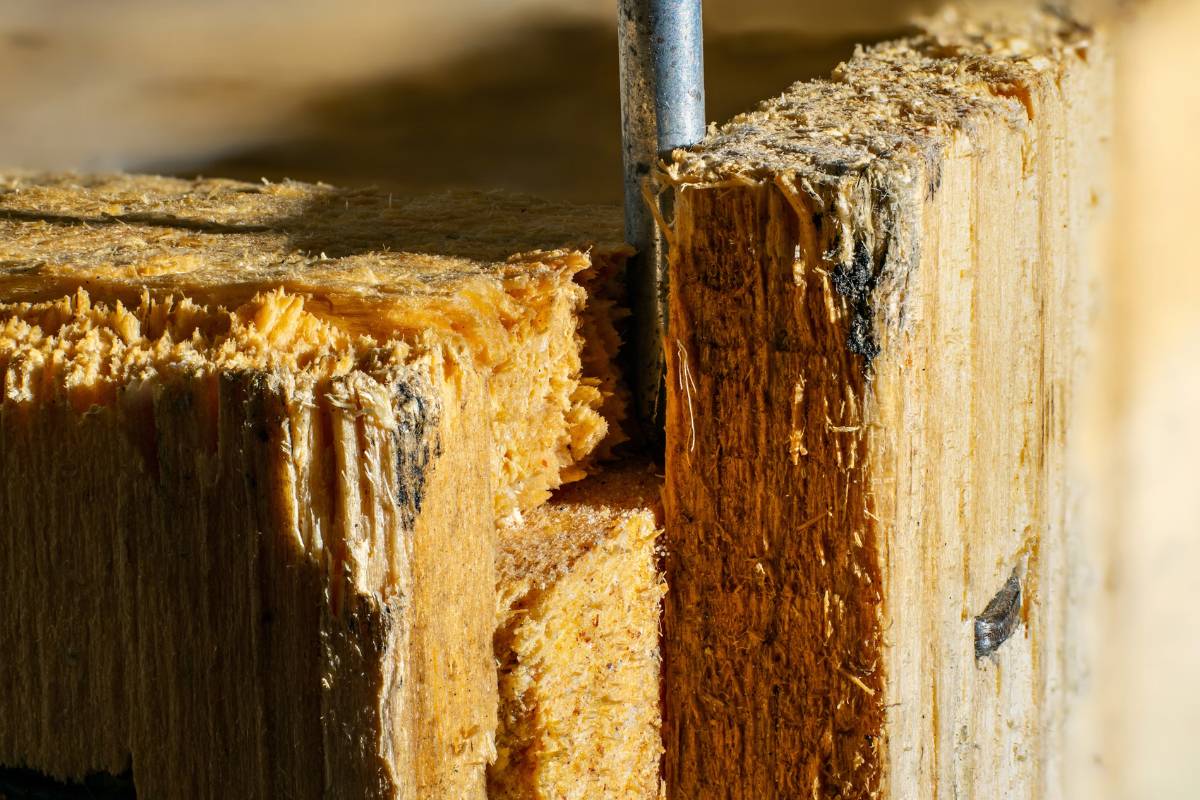
Particularly check your structural beams, floorboards, and wooden furniture. Look for signs such as small holes resembling pinpricks, which are often entry points. Does the wood feel soft or spongy under pressure, or produce a hollow sound when tapped? If so, it’s likely been compromised by these relentless pests.
There could be worm-like tunnels running just beneath the surface. They indicate active feeding channels created by termites as they navigate through their food source. Look strategically for discarded wings near windowsills or light fixtures. They indicate that swarming termites have already moved into your property.
Listen For Unusual Noises
Don’t misinterpret weird sounds (like faint clicking or munching sounds emanating from walls or wooden fixtures) as simple house creaks. Termites communicate through vibrations and produce noise as they chew through timber. If you hear rustling or tapping when your house settles at night, pay attention.
Soldier termites create audible clicks when they hit their heads against the wood, to alert others of danger. This unique behavior showcases their intricate social structure and serves as an alarm bell for vigilant homeowners. If you’re straining to discern these mysterious sounds among everyday household noise, seek a professional inspection.

Observe Swarm Behavior In Spring
During this season, reproductive termites leave their colonies. This activity is known as swarming, and it’s driven by warmth and humidity. The presence of termite swarms often signals an imminent threat to wooden structures nearby.
It reflects the colony’s urge to expand and multiply. Keep an eye on such activity in your yard or home vicinity, especially around dusk. You might catch early signs of infestation, before these pests can wreak havoc on your property.
Check For Mud Tubes
These are constructed from the soil, wood fibers, and saliva. Mud tubes provide termites with protection as they navigate between their nests and feeding sites. Look closely at your home’s foundation or any wooden structures. These tubes often resemble pencil-sized tunnels snaking up walls or into beams. If you spot such formations, it’s crucial to act quickly. A single colony can eat away at your home’s structure for years before you even notice.
Your activities need to go beyond the mere identification of mud tubes. Understanding the environment in which they thrive can enhance your pest control efforts. Termites prefer damp climates and easily accessible natural resources. Consider checking areas like basements or crawl spaces where moisture tends to accumulate. Regular inspections during seasonal transitions help keep potential infestations at bay.
Check For Droppings
Droppings (often referred to as frass) can be one of the most telling signs. Unlike the robust waste we might expect from other pests, termite droppings are small and resemble wood particles or sawdust. This is a result of their diet. Termites consume wood and excrete its remnants after digesting. Checking in areas near wooden structures (such as foundations or beams) can reveal these telltale deposits.
The presence of frass doesn’t just signal an established infestation. It can also hint at where the colony may be located. You may find droppings in a concentrated area, with no visible damage on the surface. This could indicate that termites are tunneling nearby, potentially leading you directly to their nest. If you notice fresh droppings alongside discarded wings during swarming season, act quickly. These two signs often suggest that a colony is actively infesting your home.
Preventive Measures For Future Protection
Conduct regular inspections of your property, particularly in high-risk areas such as basements and attics. Look for signs of moisture, keep gutters clean, and ensure proper drainage. This can significantly reduce the likelihood of water pooling near your foundation, creating an inhospitable environment for these pests.
When building or renovating, invest in preventative treatments like barrier systems or borate wood treatments. These options deter termites and enhance the durability of your structure against other pests. Eco-friendly solutions are gaining popularity. They offer a safe approach that benefits both homeowners and the environment, without compromising efficacy. Annual pest inspections by paid professionals can catch any potential threats before they escalate into full-blown infestations. This will save you time, money, and stress in the longer term.
It’s paramount to find the signs of a termite infestation early on. If you notice any of these warning signs, act quickly. Contact a pest control professional who can assess the situation and implement an effective treatment plan. In turn, you can preserve your property and the well-being of its occupants.
Related Posts


Post a Comment