

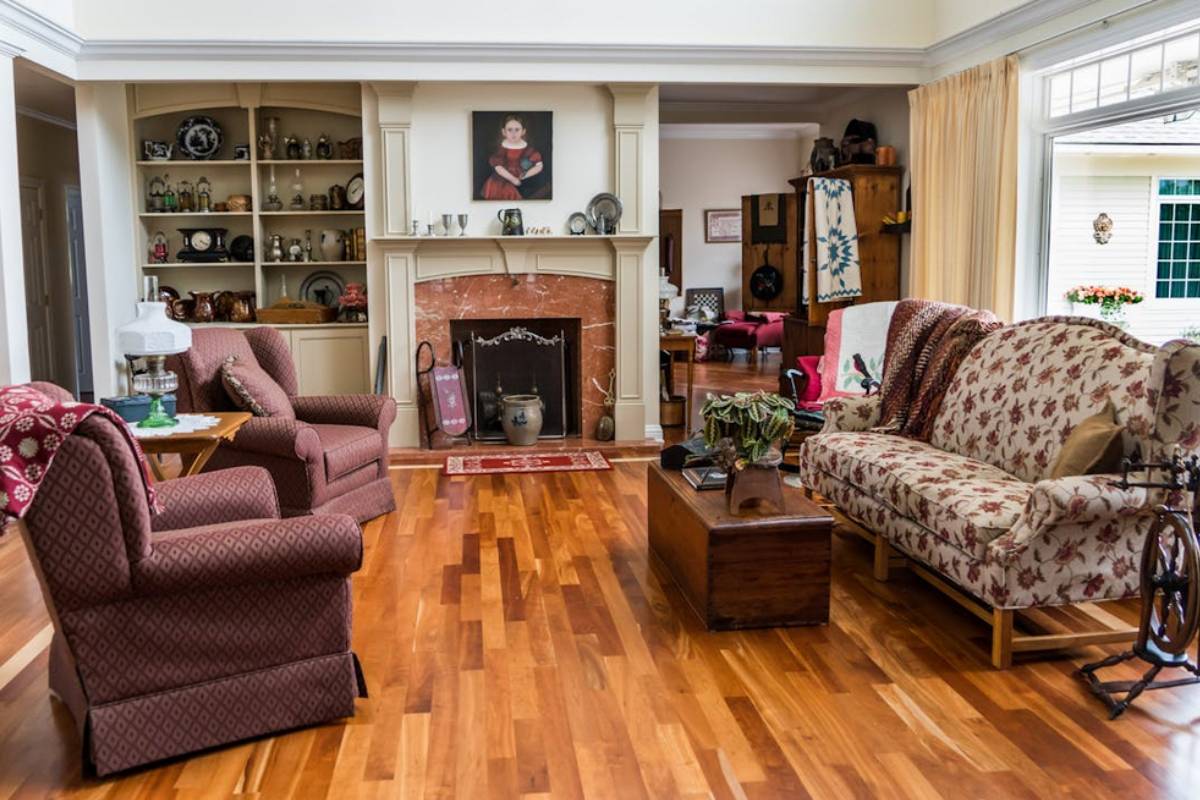
Engineered wood flooring mixes real wood tops with durable inner layers for beautiful, stable floors that resist moisture and install cleanly. When done right, engineered wood upgrades home style for years with affordable maintenance, avoiding solid wood expansion issues that ruin planks over time through unchecked weather changes.
This article reviews what makes engineered wood floors unique, how to shop for quality brands, aligning needs, and easy care protecting long-term investments. Unlock stylish, eco-friendly solutions, improving decor and home values sustainably.
What Makes Engineered Wood Flooring Special
Engineered wood innovates plywood, stabilizing absolute wood veneer tops and opening decorating possibilities where solid planks fail. When done correctly, homes can install beautiful high-quality engineered wood floors blending nature’s richness and scientific stability practically anywhere imaginable curiously:
Enhanced Stability
Plywood cores resist shrink and swell cycles, ruining solid floors through moisture and seasonal humidity changes. Stability works wonders.
Proven Durability
Protective finishes and stabilized bases mean engineered wood outlasts even some tiles and laminate options, making scratches, dents, and wear less concerning over decades in high-traffic zones.
Installation and Usage Flexibility
Glue-down or floating engineered woodwork over radiant heating, cement, or wood subfloors. With engineered wood, basement spaces stay fresher, and it does not require nail or staple fixing. More rooms work attractively, opening layout options.
Straightforward Maintenance
Easy sweeping and damp mopping keep engineered wood looking beautifully fresh year after year. Skip the elaborate oiling and sanding refinishing solid real wood demands continually when worn, stained, or scratched. Upkeep proves effortless.
Superior Acoustics
Engineered cores reduce annoying floor noise problems experienced in cheaply built upper levels, allowing family activities to continue more privately undisturbed in rooms below.
Indoor Air Quality Friendly
Stricter health codes increasingly prohibit solid wood applications containing excessive VOC oils from slowly off-gassing undesirably. Stable-engineered composites are installed cleanly and meet codes wonderfully.
Sustainability and Responsible Sourcing
Reclaimed veneers or ethically harvested wood procurement policies conserve global forests better long term, aligning with most green building certifier expectations, which demand transparency publicly upfront.
Value Adding Resale Appeal
Home buyers expect wood flooring to convey premium impressions, securing higher sale prices. Yet engineered wood installs easier, increasing seller turnaround speed versus refinishing solid wood weeks when selling because engineered requires no elaborate prep. Welcome flexibility gained.
Recognizing Quality Engineered Wood Floors
Focus on helpful quality clues ensuring satisfactory experiences in the long term:
Thicker Veneer Wood Tops
Thinner veneers seem prone to chipping or wearing faster from traffic, revealing alternate core materials cheaply. Optimal veneers measure 1/8 inch at minimum, ensuring richer detailing is visible better.
Sturdy Core Layers
High-density plywood and fiberboard cores provide ideal backings, stabilizing floor planks firmly to subfloors without annoying bounce or echo noises, developing over time gradually as bonding glues loosen slowly.
Matte Finish Options
Unfortunately, glossy coatings scratch and show dust, which is the easiest dulling and fastest revealing age. Matte or natural oiled finishes better disguise scuffs, which are inevitable where families gather most, wearing favorite floors lovingly by sheer usage measurably over unending years.
Finding Engineered Wood Suiting Home Needs
Align engineered wood buying decisions thoughtfully around living factors maximizing satisfaction:
Family and Pet Lifestyles
Prioritize expected scratch and moisture protections where kids and pets roam free-flowing busily daily.
Heavy Traffic Flow Zones
Opt for thicker veneers for entryways or kitchen spaces that will face most footsteps long term, reducing wear visibility expectations realistically.
Concrete Subfloor Preparation
Glue-down applications require proper moisture sealing, particularly where colder concrete slab foundations overlap intermittently with the warmest interior air.
Home Moisture and Humidity Levels
Measure humidity averages guiding wood types suiting specific interior moisture zones, reducing climate change risks in the long term.
Personal Style Preferences
Engineered wood spans traditional to modern looks and integrates easily. Select grains and tones complement room decors and furniture déjà chosen accordingly.
Survey Popular Engineered Wood Species
Diverse wood veneer species showcase unique visual detailing from rustic to contemporary:
Oak
Ever-popular oak warms rooms beautifully in light or dark tones, suiting casual to modern decors flexibly.
Walnut
Sophisticated chocolate hues infuse upscale visual drama, contrasting exquisitely where clean lines dominate.
Hickory
Rustic mixed graining adds lively character comfortably underfoot in cozy country kitchens.
Maple
Creamy vanilla maple planks brighten mundane spaces, sprucing plain palette areas wanting a livelier personality economically.
Compare Engineered Wood Finish Options
Alternative finish options allow showcasing personal style better:
Unfinished Oiled Look
Unfinished varieties require localized oil installations, oil-treating surfaces, and sealing woods naturally but beautifully.
UV Cured Urethane Factory Finished
Most engineered pre-finishing applies durable urethane coats that cure quickly under UV lights, reducing VOCs and achieving broad appeal.
Matte Textured Finishes
Subtly etched textures pleasantly disguise footsteps traipsed over relentlessly, hiding polishing demands, which are seen in higher-gloss finishes that eventually require restoring luster.
Unique Character Finishes
Specialty treatments like smoking, thermos, carbonizing, or distressed techniques inject modern to rustic grey visual interest, artfully redefining room aesthetics affordably.
Mastering Engineered Wood Installations
Proper installations prevent undermining flooring investments through overlooked fundamentals:
Subfloor Preparations
Leveling uneven areas, sealing concrete moisture, and overlapping boards correctly build stable bases for engineered wood, which needs to perform worry-free long-term.
Underlayments Usage
Foam or cork underlayments reduce echo and soften footstep noises appreciably while evening minor subfloor imperfections smoothing the installation foundation.
Floating vs. Glue Down Methods
Floating click-lock approaches work well. Concrete subfloors demand proven adhesives designed from engineered wood specifically to avoid headaches hearing creaking sounds indicating poor bonding.
Proper Acclimation
Engineered wood best adapts to site conditions by being laid horizontally wholly open for a few days, adjusting humidity and temperature differences from the factory, and avoiding gapping or cupping distorted planks post-installation.
Caring Routines Preserving Beauty
Easy habits maintain engineered wood floors fabulously:
Regular Sweeping
Frequently sweeping dirt particles and grit protects finish coatings, minimizing micro-abrasions and slowly dulling surfaces otherwise.
Proper Damp Mopping – Using damp mops lightly without over-wetting wood prevents warping while cleaning floors routinely revitalizing luster beautifully.
Added Furniture Pads – Felt pads fitting table and chair legs equally keep floors fabulously by distributing weights better and sliding motions gradually scratching floor finishes visibly otherwise
Prompt Spill Clean Up – Quickly wiping spills prevents staining possibilities, such as soaking into crevices or waiting slowly, etching urethane layers down, and exposing raw wood, unfortunately.
Avoid harsh chemicals – Strong cleaners strip urethane coats and ruin new floor sheens. Mild cleaner options work just fine routinely.
Conclusion
Engineered hardwood flooring brings wood beauty, improving layout flexibility and decor options where solid planks fail over time. Proper installation and care ensure quality engineered wood looks fabulous years ahead. Consider thicker, stable veneers resisting family life damage, applying finishes that disguise scuffs smarter. With good engineered wood knowledge, protecting beautiful economic investments becomes easy, giving homes stylish, sustainable facelifts gracefully.
Related Posts


Post a Comment