
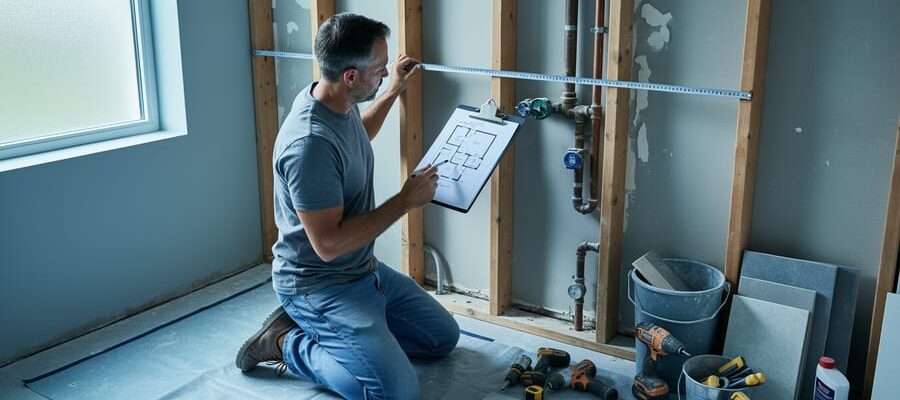

Water damage can cause significant issues in your home, from structural damage to mold growth. Addressing it promptly with a proper restoration process is crucial to minimize long-term effects. This guide walks you through the essential steps of water damage restoration to help you understand the process and the importance of professional intervention.
What Is Water Damage Restoration?
Water damage restoration is the process of addressing and repairing the damage caused by water intrusions in a property. This involves several critical steps: assessing the extent of the damage, removing standing water, drying and dehumidifying affected areas, cleaning and sanitizing to prevent mold and bacteria growth, and finally, restoring or rebuilding damaged structures. The goal is to return the property to its pre-damage condition while minimizing long-term issues like structural instability or mold infestation.
Why Is Water Damage Restoration Important?
Water damage restoration is more than just mopping up puddles; it’s a critical process that saves your home from long-term devastation. When water seeps into your property, it doesn’t just wet the carpet — it can weaken walls, ruin flooring, and create the perfect breeding ground for mold. Ignoring it means risking your home’s structural integrity and your health. Restoration isn’t just about fixing what’s visible; it’s about ensuring that every drop of moisture is addressed to prevent future problems. Swift, professional intervention can mean the difference between a minor inconvenience and a major disaster.
What Are the Signs of Water Damage?
Signs of water damage can vary depending on the severity and location of the issue. Common indicators include:
- Stains and discoloration: Yellowish or brown spots on ceilings, walls, or floors.
- Peeling or bubbling paint/wallpaper: Water can cause paint or wallpaper to lose adhesion.
- Warped or swollen surfaces: Wood and drywall may warp, buckle, or swell due to moisture.
- Musty odor: Persistent damp smells often indicate mold or mildew growth.
- Mold growth: Visible mold in corners or along baseboards.
- Increased Utility Bills: Unexpected spikes could indicate a hidden leak.
Recognizing these signs early is crucial for preventing further damage.
What Are the Major Causes of Water Damage?
Identifying the cause of water damage is the crucial first step in effectively restoring a property. For water damage restoration specialists, understanding the common causes helps them quickly pinpoint the source during inspections, streamlining the restoration process.
The primary causes of water damage include the following:
- Leaking or burst pipes: Pipes can crack or burst due to freezing temperatures, wear and tear, or poor installation, leading to significant water damage.
- Natural disasters: Heavy rains, hurricanes, and floods can overwhelm drainage systems, allowing water to infiltrate homes and properties.
- Faulty appliances: Washing machines, dishwashers, and water heaters can malfunction, causing leaks or even catastrophic water discharge.
- Clogged gutters: When gutters are blocked with debris, water can overflow, seeping into your roof or foundation.
- Sewage backups: Blocked or overloaded sewage systems can cause wastewater to flow back into your home, leading to severe contamination and damage.
- Roof leaks: Damaged or aged roofing materials can allow water to seep into your home, especially during heavy rain.
- Foundation cracks: Over time, cracks in the foundation can allow water to enter your basement, leading to flooding and damage.
Water Damage Restoration Process
Step 1: Initial Assessment and Inspection
The first step in any water damage restoration services is a thorough assessment of the affected area. Professionals start by identifying the source of the water and evaluating the extent of the damage. This step often involves using moisture detectors and infrared cameras to locate hidden water within walls and floors. An accurate assessment helps in formulating an effective restoration plan.
Step 2: Water Extraction
Once the assessment is complete, the next step is water extraction. Removing standing water quickly is critical to prevent further damage and reduce drying time. Industrial-grade pumps and vacuums are typically used for this process, capable of extracting thousands of gallons of water efficiently. Immediate extraction not only saves the structure but also prevents the growth of mold and mildew.
Step 3: Drying and Dehumidification
After the water has been removed, the drying process begins. Even after water extraction, moisture can remain trapped in materials like wood and drywall, which can lead to further damage if not properly dried. High-speed air movers and dehumidifiers are used to dry out these areas. Professionals monitor the moisture levels regularly to ensure thorough drying, preventing future problems like mold.
Step 4: Cleaning and Sanitizing
Water damage can introduce contaminants and pollutants into your home, making cleaning and sanitizing an essential step. This process includes cleaning all restorable items and affected areas using specialized cleaning techniques. Sanitizing treatments, including antimicrobial agents, are used to remove any harmful bacteria and mold that may have developed. Deodorization is also performed to eliminate unpleasant odors caused by the damage.
Step 5: Restoration and Repair
The final step in the process is restoring your home to its pre-damage condition. This could involve minor repairs, such as replacing drywall and installing new carpet, or more extensive reconstruction, depending on the severity of the damage. The goal is to return your home to its original state, ensuring it is safe and habitable.
FAQs About the Water Damage Restoration Process
How long does the restoration process take?
The duration varies depending on the extent of the damage, but typically it can take anywhere from a few days to several weeks.
Can I stay in my home during the restoration?
It depends on the severity of the damage and the area affected. If the damage is extensive or poses health risks, it might be safer to stay elsewhere temporarily.
What should I do immediately after discovering water damage?
First, ensure your safety by turning off the power in affected areas. Then, contact a water damage restoration professional as soon as possible to prevent further damage.
How do professionals dry out a property?
Restoration experts use industrial-grade air movers, dehumidifiers, and moisture detection tools to thoroughly dry the affected areas and prevent mold growth.
Can I handle water damage restoration myself?
Minor water damage might be manageable, but significant issues require professional expertise to ensure thorough drying, cleaning, and restoration.
How can I prevent water damage in the future?
Regular maintenance of your plumbing, roof, and appliances, along with proper home insulation, can help prevent future water damage. Additionally, ensuring gutters and drains are clear of debris is vital.
Related Posts


Post a Comment