
You might be eyeing extra office space for a booming team or searching for a secure spot to keep tools and stock safe on-site. Across Australia, more businesses are discovering how modular structures can solve those problems quickly without locking them into hefty permanent builds. The question is, how do you figure out if hiring modular buildings is the smartest move for your business? It’s not just about price tags or the latest trends. It’s about finding a solution that fits your daily operations, keeps projects on schedule, and stands up to local regulations. Before you sign any hire agreement, there’s a lot worth thinking through to avoid headaches down the track.
Understanding Your Operational Needs
Every business has different reasons for considering modular structures. Some need a clean, climate-controlled space for sensitive equipment. Others just want somewhere solid to lock away gear when the day’s work is done. Before you look at hire options, take a hard look at what you actually need the space to do. A temporary office might require power, data cabling, and enough room for desks and meetings. A workshop could need reinforced floors and easy vehicle access. Even small details like site access, ground conditions, and how often people will be moving in and out make a difference to the type of structure that will work best. Size is another factor that plenty of businesses underestimate. What looks fine on paper can quickly feel cramped once tools, shelving, or staff arrive. Getting these details right from the start avoids wasted time and unexpected costs when the structure arrives on site.
Balancing Budget and Flexibility
One of the biggest reasons businesses look at hiring modular structures is the chance to keep costs under control. Buying outright can tie up significant capital, especially if you’re only planning to use the structure for a few months. Hiring lets you scale up or down without committing to a permanent asset you might not need later. It’s a practical way to respond to seasonal demand, short-term projects, or sudden growth. But cost isn’t just about the weekly hire rate. There are extras to factor in, like delivery charges, installation fees, and the potential need for council approvals. It’s also worth asking what happens if your project runs over schedule. Flexible contracts can save a lot of stress if timelines change unexpectedly. Ultimately, looking beyond the headline price helps you avoid surprise costs that might eat into the savings you’re aiming for by choosing modular hire in the first place.
The Role of Regulations and Compliance
Hiring a modular structure might feel like a simple solution, but regulations can quickly complicate the process if you’re not prepared. Local councils often have strict rules about where and how temporary buildings can be placed, especially in urban areas or on busy worksites. Beyond council requirements, there are national standards that cover structural integrity, fire safety, and workplace conditions. For businesses, ignoring these rules can mean costly delays or even fines. It’s wise to check if your chosen structure meets Australian Standards and complies with health and safety laws relevant to your industry. Some modular units might also need additional features to pass inspections, such as proper emergency exits or accessibility compliance. It’s far easier to handle these checks upfront rather than facing hold-ups once the unit is on site. A good hire provider can often guide you through these requirements so you’re not left guessing about legal obligations.
When Shipping Containers Make Sense
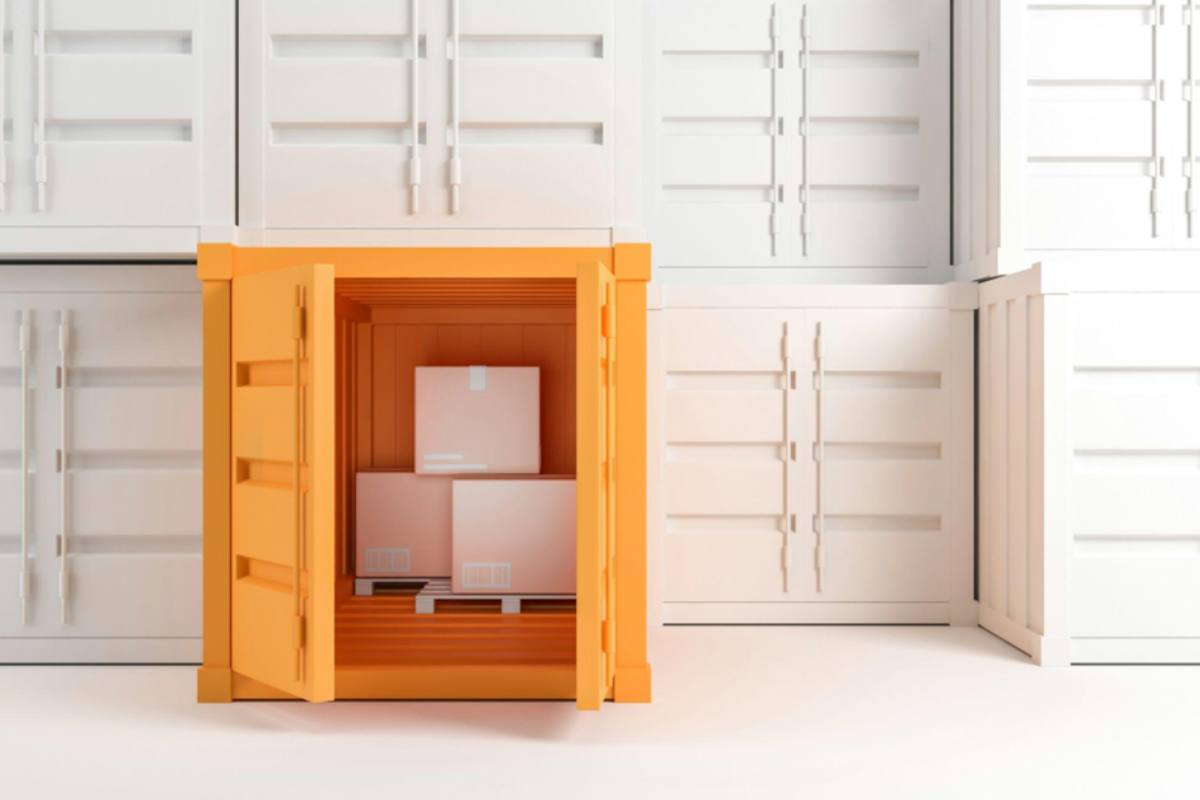
Among the many modular options available, shipping containers in Australia are often the smartest choice for businesses because they’re built to handle harsh weather. This makes them tough enough for remote worksites or coastal regions where salt and wind can damage lighter structures. Many businesses turn to shipping containers when they need secure storage for valuable tools, machinery, or materials because the steel construction offers a level of protection that standard portable buildings sometimes can’t match. They’re also surprisingly versatile, often converted into workshops, offices, or even retail spaces without losing their original strength. Compared to other modular solutions, containers tend to be quicker to install and can be relocated easily if your operations shift. For businesses seeking a practical balance of durability, security, and flexibility, hiring a shipping container can be a practical answer that saves both time and money.
Working with a Trusted Provider
Finding the right modular structure is only half the story. The hire company you choose can make a huge difference to how smoothly the process goes. A trusted provider doesn’t just drop off a unit and leave you to figure things out. They’ll help you select the right size and layout, check compliance requirements for your industry, and handle transport and installation. That level of service can prevent costly mistakes like hiring a unit that’s too small, unsuitable for your site, or fails to meet regulations. It’s worth looking for a company that offers clear contracts and doesn’t hide extra fees in the fine print. Good communication matters too. If timelines shift or your needs change mid-project, you want a provider who can respond quickly and keep your operations running without delays.
Conclusion
Choosing the right modular structure is rarely just a quick hire decision. It’s about how well that space will fit into your day-to-day operations and keep your business moving without unexpected costs or compliance headaches. When you know what your business truly needs, understand the financial and legal factors, and work with a hire company you trust, modular solutions can become one of the most practical investments you make. Whether it’s extra office space, a secure storage area, or a flexible workshop, getting this choice right can help your business stay productive and prepared for whatever comes next.
Related Posts

Post a Comment