
When it comes to transforming your living space, a fresh coat of paint can make all the difference. A professional-looking house painting job not only enhances the aesthetic appeal of your home but also protects it from wear and tear. However, achieving that pristine finish requires more than just picking up a brush and a can of paint. Whether you’re a seasoned DIY enthusiast or a first-time painter, understanding the essential tips and techniques can elevate your project from mediocre to magnificent. In this blog, we will explore key strategies that will help you prepare, apply, and finish your house painting job with confidence and skill, ensuring results that you’ll be proud to showcase for years to come.
Choose the Right Painter
Selecting the right painter is a crucial step in ensuring that your house painting project is executed flawlessly. Begin by researching local painters and checking their credentials, experience, and customer reviews. It’s important to ask for recommendations from friends or family, as personal experiences can provide valuable insights. Once you’ve narrowed down your options, request quotes from several painters to compare pricing, services, and timelines. Whether you are looking for painters in South Brisbane or Aukland, be sure to choose a licensed and insured professional who has the expertise, equipment, and skills to deliver quality work within your budget. This not only saves you time and money, but it also gives you piece of mind knowing your project is in capable hands. Just remember that the cheapest option may not always offer the best results, so be sure to consider all factors before making a decision.
Prepare Your Surfaces
Before applying any paint, proper surface preparation is essential for achieving a smooth and long-lasting finish. Start by cleaning the surfaces you intend to paint; dust, dirt, and grease can prevent paint from adhering correctly. For exterior surfaces, consider using a power washer to remove any built-up grime or mildew. Next, inspect for any imperfections such as cracks, holes, or peeling paint. Fill these areas with a suitable filler, allowing it to dry thoroughly before sanding it down to create a flat surface. Additionally, for glossy or previously painted surfaces, light sanding can help the new paint grip better. Finally, protect areas you do not wish to paint by using painter’s tape and drop cloths. Taking the time to properly prepare your surfaces will not only enhance the appearance but also extend the life of your paint job.
Use Quality Tools
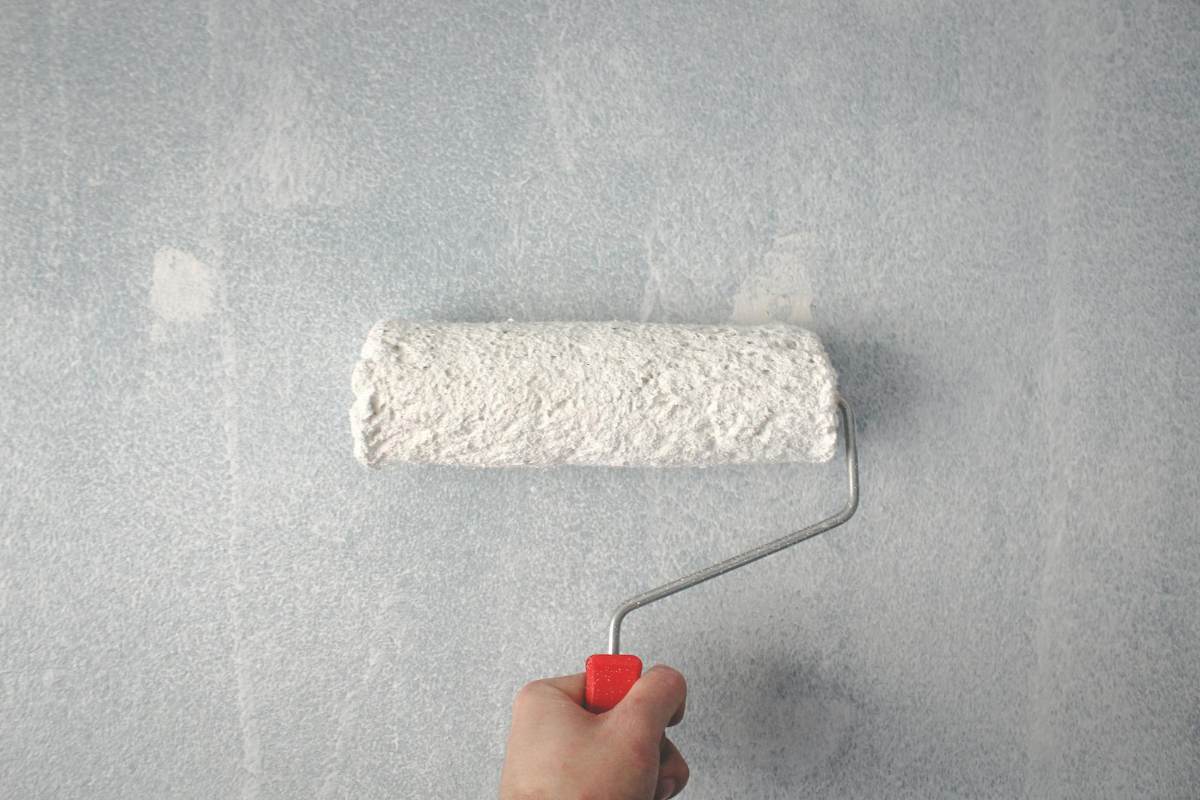
Investing in high-quality painting tools and materials is vital to achieving a professional finish. Start by selecting the right brushes and rollers that suit the type of paint you’re using and the surfaces you’ll be covering. For detailed work, a fine-tipped brush will help you navigate corners and edges with precision, while a good roller can cover larger areas efficiently. Additionally, consider using a paint tray with a liner to keep your working area clean and to allow for better paint distribution. Always use high-grade paint that is appropriate for your specific environment, whether it’s indoor or outdoor. Quality tools not only improve application but also make the clean-up process easier. Remember, using the best equipment you can afford will ultimately save you time and stress, leading to a result that you’ll be delighted with for years to come.
Master Your Technique
Achieving a flawless paint job is not just about the materials; mastering your painting technique is equally important. Start by practicing proper brush loading and stroke techniques. When using a brush, dip it into the paint no more than one-third of the way to avoid excess paint pooling. Apply gentle pressure as you work from the edge inward, making smooth, even strokes to prevent drips and splatters. For rolling, apply paint in a W or M pattern to spread it evenly without leaving roller marks, then fill in the gaps. Always work in sections to maintain a wet edge, which helps in blending new paint with previously applied areas.
When painting walls, consider the direction of natural light and your room’s layout; this can influence how the final color appears. It’s also advisable to apply two coats for lasting durability and vibrant color. Be sure to allow adequate drying time between coats, following the manufacturer’s instructions for best results. Lastly, step back periodically to assess your work from a distance, allowing you to catch any uneven areas that may require touch-ups. By honing these techniques, you’ll not only enhance the overall finish but also enjoy the process of transforming your space with confidence.

Pay Attention to Lighting
The right lighting can dramatically influence the outcome of your painting project. Before you begin, evaluate the lighting conditions in the area you’ll be painting, as natural light can change the perception of color throughout the day. If possible, schedule your painting during daylight hours when you can take advantage of ambient light. This will allow you to see true colors and identify any uneven spots more easily.
Consider using a combination of overhead and task lighting to illuminate your workspace effectively. When painting in darker rooms, opting for lighter shades can help brighten the space; conversely, richer tones can create warmth and intimacy in well-lit areas. By paying close attention to lighting, you can ensure that your paint colors appear as intended and make your finished project shine.
Take Your Time
Rushing through a house painting project can lead to a myriad of mistakes and an unsatisfactory finish. It’s essential to approach each phase with patience and care, as taking your time can significantly impact the overall result. Start by allowing ample time for surface preparation, ensuring that every nook and cranny is adequately addressed before the paint touches the walls. When applying paint, resist the urge to complete the job in one sitting.
Instead, break the project down into manageable sections, allowing each area to dry completely before proceeding. This practice not only enhances the quality of the application but also reduces the likelihood of imperfections, such as streaks or uneven coverage. Remember, a well-executed paint job is an investment; taking the time to do it right will yield beautiful results that you can be proud of for years to come.
Achieving a professional-looking house painting job requires proper planning, preparation, and execution. By selecting the right painter, preparing your surfaces correctly, using quality tools, mastering your techniques, paying attention to lighting, and taking your time, you can elevate the appearance of your home and add value to it. With these essential tips in mind, you’ll be well on your way to creating a space that is both beautiful and durable.
Related Posts