
Keeping your home or office running smoothly often comes down to one key element—efficiency. Yet, one area many overlook is the importance of regular system tune-ups. Whether it’s your heating, cooling, or ventilation, skipping maintenance can lead to higher energy bills, unexpected repairs, and less comfort overall.
In this blog, you’ll discover how routine tune-ups enhance system performance, the specific signs to watch for, and practical maintenance tips. By the end, you’ll understand how simple measures today can save you money, improve your comfort, and help you avoid costly breakdowns in the future. Let’s dive in and ensure your systems are performing at their peak!
Why System Tune-Ups Are Essential for Efficiency
System tune-ups aren’t just about keeping things running—they’re about ensuring everything works smarter, not harder. When systems like your HVAC aren’t maintained, they start consuming more energy to perform the same tasks, driving up utility bills. Over time, this inefficiency doesn’t just hurt your wallet; it takes a toll on the environment, increasing carbon emissions unnecessarily.
Think of it like this: a well-maintained system is like a car after an oil change—it runs smoother, lasts longer, and performs reliably. Neglect, on the other hand, can lead to uneven temperature control, poor air circulation, and even potential health risks due to dirty filters or vents.
Regular tune-ups also catch minor issues before they escalate. Small problems, like a clogged filter or a worn part, can quickly spiral into major repairs if left unchecked. Proactively addressing these keeps your system running smoothly and avoids inconvenient breakdowns.
Key Benefits of Professional Maintenance Services
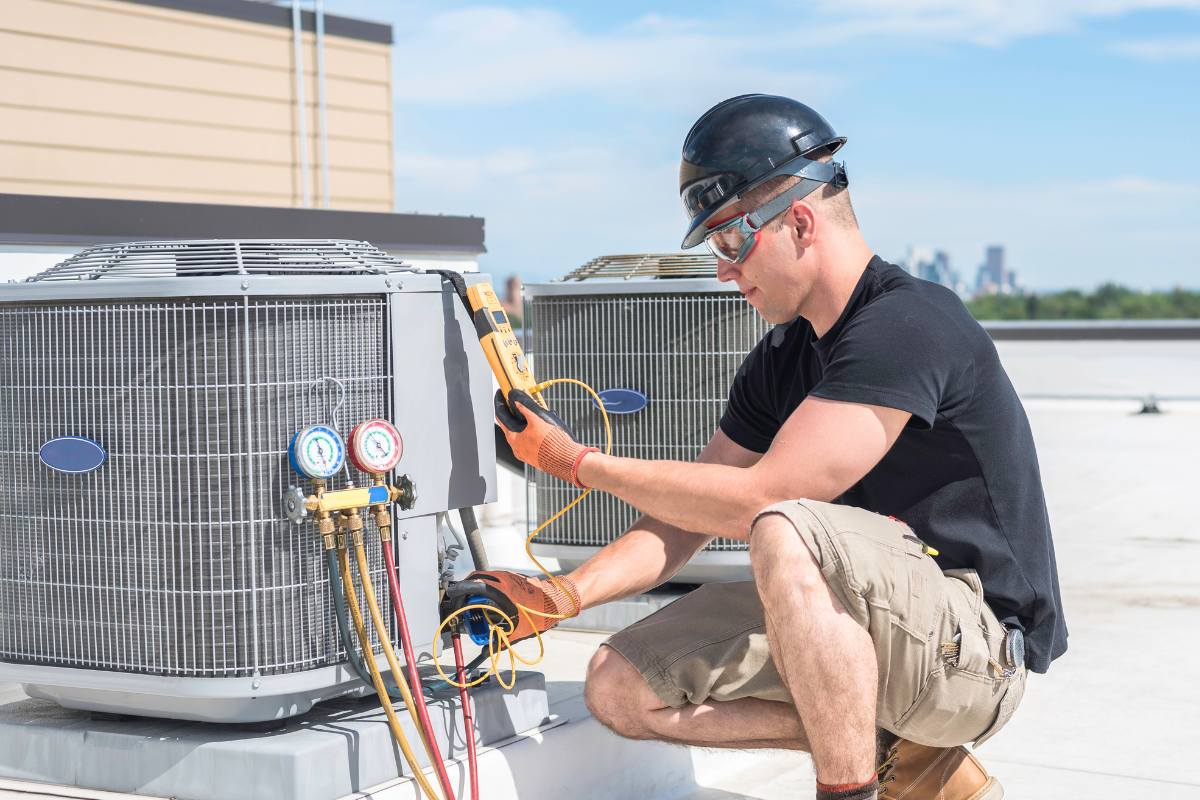
You might wonder: why not just handle everything yourself? While basic upkeep is great, there’s no substitute for the expertise of a professional. A trained technician can perform detailed inspections, ensuring every component is operating efficiently and safely.
For instance, HVAC maintenance in Sydney is tailored to the specific challenges of the region’s climate. Professionals understand how to optimise systems for changing weather patterns, ensuring consistent comfort year-round. Beyond improving performance, professional tune-ups can extend the lifespan of your equipment, delaying the need for costly replacements.
Professional services also help you avoid surprise costs. An expert can detect subtle issues—like refrigerant leaks or electrical wear—that you might miss during DIY checks. These proactive solutions can save you from dealing with larger, more expensive problems down the line.
Signs Your System Needs a Tune-Up
Sometimes, your system will give you subtle clues that it’s struggling, and catching these signs early can save you from bigger headaches later. Uneven heating or cooling is one of the most common indicators. If some rooms feel like a sauna while others resemble an icebox, it’s time to give your system some attention.
Another warning sign is unusual noises. Clanging, whirring, or banging sounds are your system’s way of crying out for help. These noises could point to loose parts, clogged components, or even mechanical wear that needs immediate fixing.
Lastly, keep an eye on your energy bills. If they’re creeping up month after month without any clear reason, your system is likely overworking to compensate for internal inefficiencies. Addressing these issues early through a tune-up not only restores your system’s performance but also prevents costly breakdowns.
DIY Maintenance Tips for Longevity
Taking a few simple steps on your own can make a big difference in keeping your system in top shape between professional visits. Start with regular filter changes—this small task can drastically improve airflow and efficiency. Make it a habit to check filters monthly, especially during peak seasons when your system works the hardest.
Another tip is to clean your vents and registers. Dust and debris can block airflow, making your system work harder than necessary. A quick vacuuming session can go a long way in improving overall performance.
Lastly, set reminders for seasonal maintenance tasks, like checking your thermostat settings or ensuring outdoor units are free from obstructions like leaves or dirt. While these tips help keep your system running smoothly, remember that DIY care isn’t a substitute for professional tune-ups. If anything seems out of your depth, it’s always better to call an expert.
Investing in Regular Tune-Ups for Long-Term Savings
When you think about it, regular system tune-ups are a cost-effective strategy rather than an expense. Preventative maintenance significantly reduces the likelihood of sudden breakdowns, which often come with hefty repair bills and emergency fees. By catching small issues early, you can avoid larger problems that might lead to replacing the entire system prematurely.
There’s also the benefit of energy savings. A finely tuned system operates at peak efficiency, which directly translates into lower energy bills. Over time, these savings can more than offset the cost of regular tune-ups.
Finally, there’s peace of mind. Knowing your system is in excellent shape means you can relax without worrying about unexpected failures. Regular maintenance isn’t just an investment in your equipment; it’s an investment in your comfort, convenience, and overall quality of life.
Conclusion
System tune-ups are a small step that can make a big difference in your daily comfort and long-term savings. From improving energy efficiency to extending the lifespan of your equipment, regular maintenance keeps everything running smoothly while minimising costs.
By addressing issues early and ensuring consistent care, you’re not just maintaining your systems—you’re prioritising a healthier, more comfortable living environment. So, take charge today and make system tune-ups a regular part of your routine for years of hassle-free performance.
Related Posts