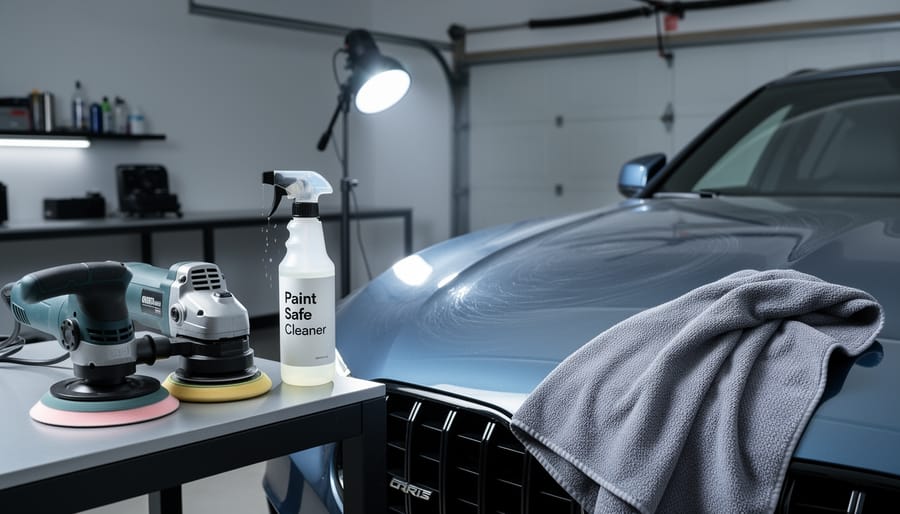
The breakeven point for buying your own detailing tools sits at around three to four detailed vehicle sessions. If you’re planning a one-off correction on your sedan or annual maintenance on two family cars, hiring equipment or calling a professional detailer makes more financial sense. That calculation shifts dramatically when you factor in the learning curve, the risk of paint damage during compounding, and whether you’ll actually use a $600 dual-action polisher more than twice a year.
The hire vs buy decision in detailing isn’t just about upfront cost. A quality rotary polisher might pay for itself after four jobs, but only if you’ve got the skill to avoid holograms and burn-through. Hiring lets you test different machines (a 15mm throw versus 21mm throw, for example) before committing to ownership. Calling a pro becomes the smart play when you’re tackling swirl removal on soft European clear coat or restoring oxidized single-stage paint where technique matters more than tool ownership.
Most DIYers underestimate three hidden costs: the consumables that add up fast (backing plates, pads, compounds, polishes), the storage space a full detailing kit demands, and the time investment to develop proper buffing technique. A seasoned detailer completes a full paint correction in six hours. Your first attempt might stretch across two weekends and still leave haze marks.
This guide breaks down exactly when each option makes sense, what the real costs look like beyond the sticker price, and which tools cross the threshold from nice to own to cheaper to rent from Auto Protective every time.
Key Takeaway: Choose based on three factors: how often you’ll use the equipment (monthly or more tips toward buying), the skill level required (complex jobs favour pros), and total cost over 12 months including storage and consumables, not just the sticker price.
Quick Answer: Hire, Buy, or Pro?
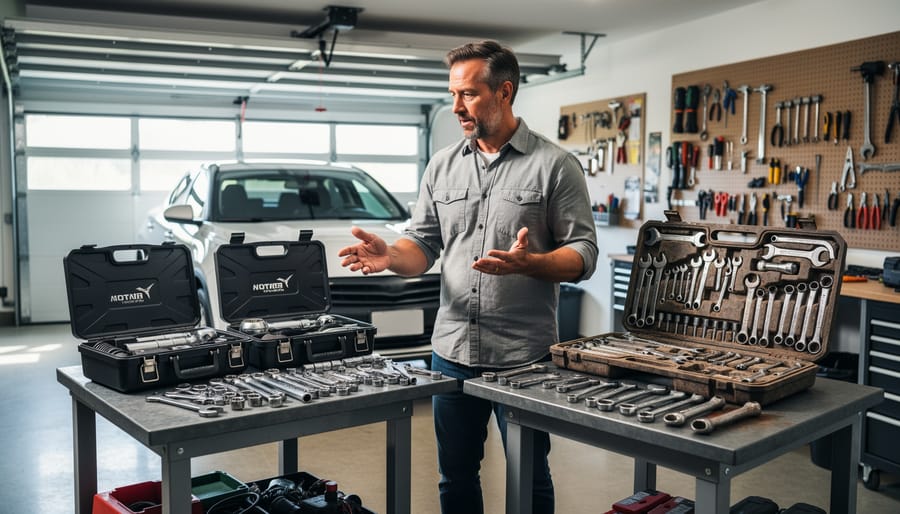
Here’s the decision in sixty seconds: hire detailing gear if you’re tackling a one-off project or testing equipment before committing. Rental rates for a dual-action polisher or carpet extractor typically run £20-40 per day, making them perfect for annual spring details or pre-sale vehicle prep when you won’t use the tool again for months.
Buy your own kit once you’re detailing monthly or more often. After three to five hires, you’ve usually paid for an entry-level tool outright. Ownership makes sense for regular car care, building skills over time, or maintaining multiple vehicles. Factor in storage space and upkeep, you’re responsible for maintenance and consumables.
Call a professional detailer when the job demands expertise you don’t have or can’t risk learning on your paintwork. Paint correction, ceramic coating application, and severe stain removal involve techniques that take years to master. If the hire cost seems trivial compared to potential damage, or your time is worth more than the savings, a pro consultation starts around £150 and removes the guesswork entirely.
The Timing Windows: When Each Option Makes Sense
When to Hire Detailing Gear
Hiring detailing gear hits the sweet spot when you need professional-grade equipment without the commitment of ownership. If you’re detailing once or twice a year, say, a thorough spring refresh or pre-sale prep to maximize resale value, the economics tilt heavily toward hire. A dual-action polisher might cost £150 to buy but only £25 to hire for a weekend, and that carpet extractor gathering dust in your garage eleven months of the year represents dead capital you could’ve spent elsewhere.
The scenarios where hiring makes most sense:
- One-off or seasonal projects where the tool sits idle between uses
- Testing equipment before committing to a purchase, especially with polishers or steam cleaners
- Budget constraints when you need commercial-grade quality for a single job
- Storage limitations in flats, garages already packed with other gear, or shared housing
- Project-specific needs like an ozone generator for severe odor removal or a hot water extractor for deep interior work
Hiring also serves as a low-risk classroom. You can learn proper polishing technique on a hired dual-action without the pressure of owning a £200 machine you’ve barely touched. Get comfortable with the weight, speed settings, and pad pressure before deciding whether ownership makes sense for your frequency of use.
Storage is the hidden cost beginners overlook. That extractor takes up serious floor space, the polisher needs a case to protect it, and you’ll accumulate pads, compounds, and accessories. If your garage or shed is already tight, hiring means you get the results without playing Tetris with your storage every time you need the lawnmower. For the twice-yearly detailer, hire fees are essentially storage fees someone else pays while keeping the equipment maintained and ready.
When to Buy Your Own Tools
If you detail monthly or more, buying makes financial sense fast. A basic dual-action polisher costs around £100-150; hire it four times and you’ve paid for ownership. The same math applies to a quality wet/dry vacuum (£80-120) or a foam cannon setup (£40-70). Once you cross that break-even threshold, every subsequent use is essentially free, and you’re building familiarity with your own gear rather than adapting to different hire equipment each time.
Multiple vehicles accelerate the case for buying. If you’re maintaining a household fleet of two or three cars, the per-vehicle cost of hiring drops sharply when you own the tools. You can detail on your schedule without booking windows or return deadlines, and the convenience factor alone often justifies the upfront spend.
Tip: Multiply typical hire cost by expected annual uses, if that figure exceeds 80% of the purchase price, buying wins in year one.
Long-term skill development is another strong buy signal. Owning a polisher or extractor lets you practice technique, experiment with products, and refine your process over dozens of sessions. You learn the quirks of your specific machine, dial in pressure and speed settings, and build confidence that’s impossible to achieve with sporadic hire use. If you’re serious about mastering paint correction or interior restoration, ownership is the only path forward.
Side-business aspirations tip the scale decisively. The moment you detail a friend’s car for payment, hire costs eat your margin. Professional credibility also demands consistent tool quality and availability, clients won’t wait for a hire shop to open or accept “I couldn’t get the equipment this weekend” as an excuse. Start with core items (polisher, vacuum, pressure washer) and expand as jobs warrant.
When to Call a Professional Detailer
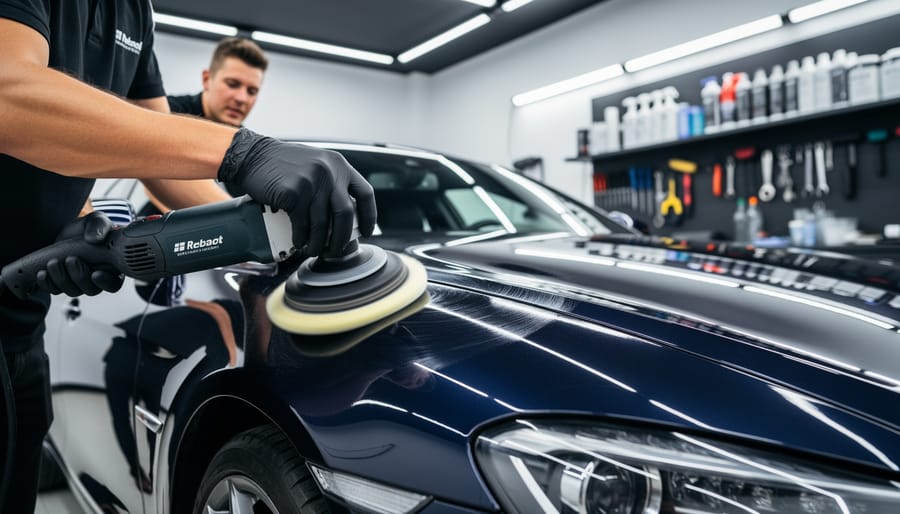
Some detailing jobs carry too much risk or demand expertise you can’t fake with hired tools alone. Paint correction sits at the top of that list, orbital polishers are beginner-friendly, but wet-sanding swirl marks or fixing holograms demands years of practice and the right pads, compounds, and lighting. One wrong pass through clear coat and you’ve created a costly respray job.
Ceramic coatings follow similar logic. Application looks simple until you’re racing humidity timelines, ensuring perfect surface prep, and avoiding high spots that cure permanently. Most manufacturers void warranties on DIY installs anyway. Professionals bring prep tools, environment control, and insurance if something goes sideways.
Severe interior issues, pet urine soaked into subfloors, smoke smell embedded in headliners, mold in HVAC systems, require diagnostic skills and industrial equipment beyond typical hire inventories. Ozone generators and hot water extractors help, but knowing where the problem lives and how to neutralize it separates amateurs from pros.
Time pressure matters too. If you need the car detailed before a sale closing in three days and you’ve never used a polisher, hiring a pro beats the learning curve. Same goes for expensive vehicles where your confidence wavers, when the DIY savings don’t justify the anxiety or potential damage, paying for expertise is the smart play.
Detailing Gear Worth Hiring vs Buying
Dual-Action Polishers
A dual-action polisher sits at the sweet spot for hiring. If you’re tackling your first paint correction or only detail once or twice a year, rental makes complete sense, you’ll spend £30-50 for a weekend hire versus £150-400 to buy a quality machine you might use three times total.
The learning curve matters here. First-timers risk burning through clear coat or creating holograms if they misuse pad pressure, speed settings, or dwell time. Hiring lets you practice technique without the commitment, and if you mess up, you haven’t sunk hundreds into a tool gathering dust in the garage.
Buy when you cross the 4-5 use threshold or detail multiple vehicles regularly. The math shifts fast, five hires equal purchase price, and owning means you can work at your own pace rather than racing a rental clock. Weekend warriors who enjoy the process, maintain a small fleet, or run a side detailing gig quickly justify ownership.
Consider starter-friendly entry-level units for occasional buyers, stepping up to professional-grade machines for frequent use.
Carpet and Upholstery Extractors
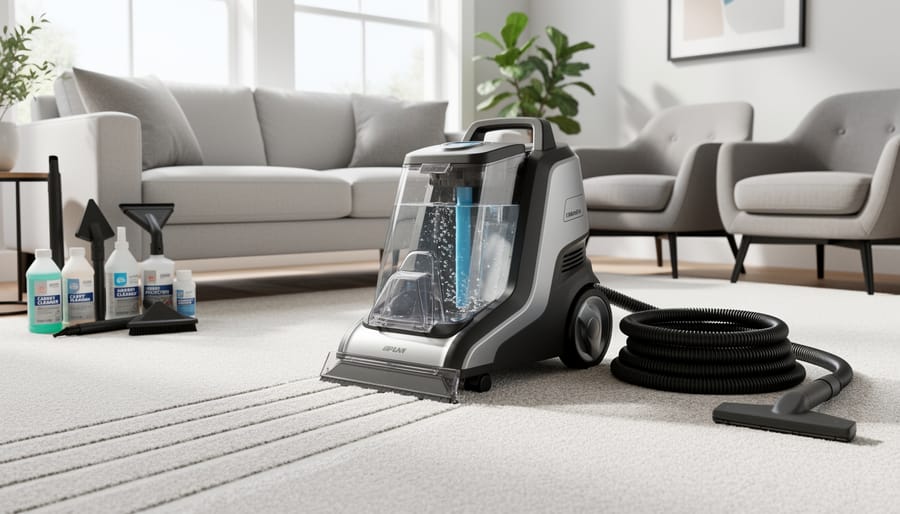
Carpet extractors sit in the sweet spot for hiring. A quality machine costs $300-800 to buy but only $40-70 per day to rent, making it perfect for occasional deep-cleans, spring interior refresh, post-beach-trip sand removal, or tackling stubborn coffee stains. For most car owners, that twice-a-year need makes hiring the obvious choice.
Purchase makes sense if you’re detailing multiple vehicles monthly, own pets who shed and track dirt constantly, or run a side detailing gig. Break-even typically hits around 8-12 hire sessions, which takes years for the average driver. Storage is another barrier: extractors are bulky, need dry conditions, and require flushing after each use to prevent mould in internal tanks and hoses.
For severe stains (ink, mildew, pet urine deep in foam), the wiser move is often to call a pro who brings heated units and commercial-grade chemicals rather than rent professional gear you’ll only use once. Maintenance matters too: owned extractors need regular descaling, filter cleaning, and pump checks, tasks renters skip entirely.
Pressure Washers and Foam Cannons
Pressure washers and foam cannons sit at the lower end of the detailing investment scale, which changes the hire-versus-buy calculation considerably. An entry-level electric pressure washer costs £80-150, while hire runs £20-35 per day. If you wash your car monthly or use the washer for patios and garden furniture, you’ll break even in five to six hires. Add a foam cannon (£25-50) and you’ve got a reusable setup that pays for itself within a season.
Hiring makes sense for commercial-grade petrol units with higher PSI when you’re tackling heavy grime, large driveways, or fleet vehicles. These professional machines (£50-80 per day hire) deliver power most homeowners don’t need regularly. They’re also louder, heavier, and require more storage space than a compact electric model justifies owning.
For occasional car detailing and light home use, buying wins. For one-off industrial cleaning or testing whether you’ll actually use a pressure washer before committing, hire first. The low purchase price and multiple applications around the home tip most DIYers toward ownership, especially when basic models deliver perfectly adequate cleaning power for paintwork and wheels.
Steam Cleaners and Specialty Tools
Steam cleaners sit at the expensive end of the hire-friendly spectrum. A quality automotive steam cleaner runs £300, £800, but hire costs only £30, £50 per day. Unless you’re detailing weekly, the maths never justify purchase. Steam excels at engine bay cleaning, interior sanitisation, and stubborn stain removal without harsh chemicals, jobs you’ll tackle maybe once or twice yearly.
Specialty tools make an even stronger hire case. Ozone generators eliminate smoke and pet odours through oxidation, but they’re £200+ to buy for something you’ll use once every few years. Hot water extractors (professional-grade carpet cleaners) deliver superior results to consumer models but cost over £1,000, prohibitive for home use. Rotary polishers offer faster correction than dual-action machines, yet they demand advanced technique and carry real paint-through risk in inexperienced hands.
The pattern holds: niche equipment with high upfront cost, infrequent use, and steep learning curves almost always favour hiring. The exception? Running a mobile detailing business where these tools become daily earners, not garage ornaments.
Factors That Shift the Hire vs Buy vs Pro Decision
Skill Level and Learning Curve
Hiring equipment lets you test your technique before committing to a purchase, essential when working with unfamiliar tools like dual-action polishers or steam cleaners. A weekend rental reveals whether you’re comfortable with the machine’s weight, noise, and handling, without the pressure of a £200+ investment sitting unused in your garage.
First-time paint correction is where skill level matters most. Rotary polishers can burn through clear coat in seconds if you misjudge speed or pressure. Even “beginner-friendly” dual-action polishers demand practice on scrap panels before touching your bonnet. If you’ve never corrected paint swirls, hire the tool first or bring in a professional, repair quotes for damaged clear coat easily exceed £500 per panel.
Buying makes sense once you’ve logged hours with the equipment and understand its quirks. Professionals who detail weekly know their polisher’s sweet spot, which pad combinations work, and how much compound to apply. That familiarity justifies ownership; they’re past the costly mistake phase.
For high-stakes jobs like ceramic coating or deep scratch removal, outsource to a pro regardless of your hire-vs-buy decision. Their years of practice prevent irreversible errors you can’t fix with YouTube tutorials.
Project Scope and Complexity
Project complexity dramatically shifts the hire-buy-pro equation. A maintenance wash, foam cannon, bucket, mitt, costs under £100 to own and takes an hour. Full paint correction? You’re looking at multiple polishers, pads, compounds, and a 6-8 hour learning curve where one wrong move costs hundreds in respray fees.
Single-vehicle owners can justify hiring a DA polisher annually. But if you’re maintaining three family cars or a small fleet, the math flips: buying saves money by the third detail, and your skill improves with repetition.
Surface-level cleaning is forgiving. Deep restoration isn’t. Removing swirl marks, wet-sanding clearcoat, or cutting through oxidation demands pressure control and pad speed judgment that takes months to develop. Miss it, and you’ll burn through paint or create holograms that a professional charges £400+ to fix.
When complexity spikes, ceramic coating prep, headlight restoration, ink stain removal, the risk-reward tilts toward pros. They’ve made the mistakes on their own vehicles. Hiring gear gets you partway there; hiring expertise gets it done right the first time.
Storage, Maintenance, and Total Cost of Ownership
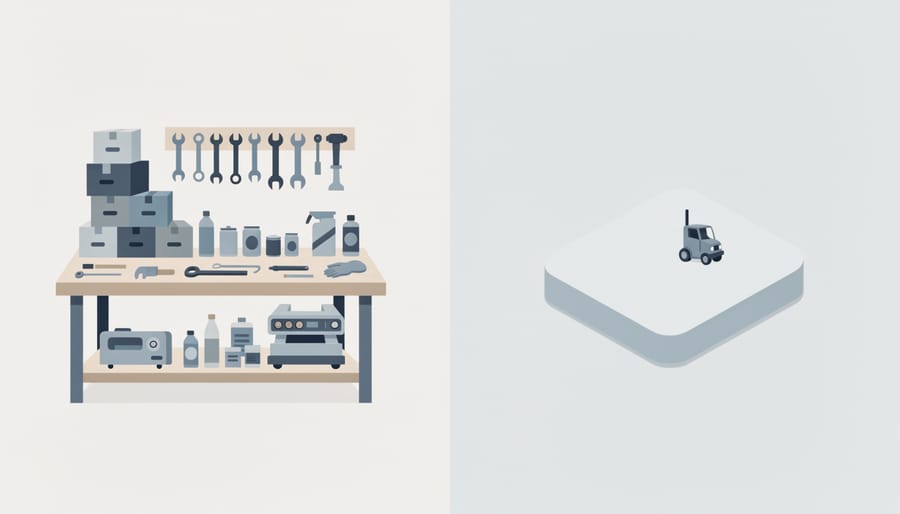
Buying detailing equipment means owning more than just the tool. A dual-action polisher sitting in your garage needs space, fresh backing plates every year or two, and replacement pads after heavy use. Extractors demand filter changes, hose inspections, and protection from frost damage. These hidden costs accumulate quietly.
Understanding the Full Ownership Picture
- Depreciation
- The value loss as tools age and newer models emerge. A £300 polisher might be worth £150 after two years, even with light use.
- Consumables
- Ongoing purchases required for operation: polishing pads, microfiber towels, chemicals, extraction solution, pressure washer nozzles. These add £50, £150 annually for active detailers.
- Maintenance
- Regular servicing, part replacement, and repairs to keep equipment performing safely. Neglect voids warranties and shortens lifespan.
- Storage
- Physical space in garage, shed, or home plus protection from temperature swings and moisture. Larger tools like extractors demand dedicated shelf space year-round.
Hiring shifts all these costs to the rental company. You collect the tool, use it, return it, no winterizing, no shelf clutter, no sourcing replacement parts three years later. Professionals eliminate even that logistics effort, arriving with calibrated gear and fresh consumables included in the service fee. Over three years, a £400 extractor purchase plus £120 in consumables and storage hassle often costs more than six £60 hires for the same cleaning schedule.
What the Community Says: Real User Experiences
Real users in the Tool Hire community consistently report that hiring a polisher for a first detail saved them from expensive mistakes. One member shared how a weekend hire let him test technique on his daily driver before committing to a £300 machine, he later bought one after mastering pad pressure and speed control through three hire sessions. Another detailed her regret at purchasing a carpet extractor that now sits unused after two years, wishing she’d hired instead given her annual deep-clean routine.
The pattern that emerges most often: people underestimate the space and upkeep equipment demands. A commercial pressure washer seemed like a bargain until storage became a headache and winter maintenance added hidden costs. Members who bought foam cannons and basic orbital buffers, however, rarely regret those purchases, they’re compact, low-maintenance, and get used monthly.
Success stories cluster around strategic buying. One user built a modest kit over eighteen months by hiring tools first, identifying what he actually reached for regularly, then buying only those pieces second-hand. He still hires rotary polishers and ozone machines for specialist jobs. Another hired an extractor quarterly for three years before finally buying, calculating the break-even point precisely and factoring in proper tool maintenance costs.
The biggest takeaway from community feedback: don’t rush the purchase decision. Members who hired multiple times before buying felt confident in their choice and understood the commitment. Those who bought impulsively often ended up hiring different gear anyway or calling a pro when projects exceeded their skill ceiling.
Aftercare: Making Your Decision Work Long-Term
Whichever path you’ve chosen, hiring, buying, or calling in a professional, the decision only works long-term if you follow through with the right habits and know when to recalibrate.
If you’ve hired equipment, inspect it thoroughly before leaving the hire shop. Check for damage, missing accessories, and cleanliness. Take photos if anything looks questionable. During use, treat hired gear as if it’s your own: clean pads and tanks between sessions, don’t force attachments, and return everything in the condition you’d want to receive it. Most hire shops offer basic training or instructions; take advantage. If something goes wrong mid-job, contact the hire company immediately rather than attempting DIY fixes that could void your liability coverage.
Purchased tools demand more sustained attention. After each detail, clean polisher pads, empty extractor tanks, flush pressure washer lines, and store everything in a dry, temperature-stable space. Keep consumables stocked, pads, brushes, filters, hoses, so you’re not scrambling mid-project. Schedule quarterly deep-cleans of your equipment, and replace worn parts before they fail during a critical job. Register warranties, save receipts, and track maintenance dates in a simple spreadsheet or notebook.
When you’ve engaged a professional detailer, maintain the results they’ve achieved. Follow their aftercare advice precisely: specific wash methods, drying techniques, product recommendations. Book follow-up appointments before you need them; detailers reward repeat clients with better scheduling and pricing. If you’re unhappy with any aspect of the work, speak up within 48 hours while the detail is fresh. Good pros will address concerns promptly.
Regardless of your choice, reassess periodically using this checklist:
- Review your actual usage frequency every six months, are you hiring more often than you predicted, or is your purchased tool gathering dust?
- Evaluate skill development, have you mastered techniques that now justify buying, or do mistakes still suggest you’d benefit from professional help?
- Calculate real costs including your time, consumables, storage, and opportunity cost, is your current approach still the most economical?
- Check equipment condition and performance, are hired tools consistently poor quality, or is your owned gear showing age that affects results?
- Assess satisfaction and stress levels, is DIY detailing rewarding or frustrating? Is hiring convenient or limiting? Are pros delivering the quality you need?
Circumstances change. A side hustle might justify upgrading from hiring to owning. A new baby might shift you from DIY to professional service. A disappointing hired polisher might push you toward purchase. Stay flexible. The best strategy today isn’t necessarily the best strategy in twelve months, and recognizing when to switch is as important as making the initial choice correctly.
Common Questions About Hiring, Buying, and Professional Detailing
How many times do I need to detail before buying beats hiring?
Run the numbers on your specific situation, but the break-even point typically hits around three to five uses for basic equipment. A dual-action polisher costs £150-300 to buy versus £30-50 per day to hire, so if you’re detailing quarterly or more, ownership pays off within a year. Factor in consumables like pads and compounds, though, buying the tool is only part of the equation. For expensive specialty gear like hot water extractors or rotary polishers, the threshold jumps much higher, sometimes 10-15 uses before purchase makes financial sense.
Can I hire the same professional-grade tools that detailers use?
Yes, most hire shops stock the same professional-grade machines detailers prefer, including commercial-duty dual-action polishers and hot water extractors. The key difference isn’t the equipment quality but the operator’s experience and the premium products pros often use. You’ll get the same 15 mm dual-action machine a professional would bring, but you won’t necessarily get their technique, product knowledge, or years of practice. Some hire centres even offer brief demonstrations or rental packages that include consumables to help bridge that gap.
What happens if I damage hired equipment?
Most hire agreements include a damage waiver or excess fee, typically £25-50, covering accidental damage but not negligence or misuse. Read the terms before signing, some shops charge the full replacement cost if you burn out a motor or crack a housing through improper use. Always inspect equipment at collection and return, photograph any existing marks, and ask about specific dos and don’ts for each tool.
Do professionals use better products than I can buy retail?
Pros often access trade-only brands or bulk concentrations not available in consumer packaging, but the retail detailing market has exploded in recent years. You can buy excellent compounds, polishes, and coatings through online retailers, the bigger advantage professionals have is knowing which product to use when, in what ratio, and with what technique. Premium products help, but skill and experience matter more than the label on the bottle.
Is it worth learning to detail myself, or should I just hire a pro every time?
If you enjoy hands-on work and detail more than once or twice a year, learning the basics pays dividends in both savings and satisfaction. Start with hiring equipment for simple jobs like foam washing or interior extraction, then progress to buying entry-level tools as your confidence grows. Reserve professionals for high-risk work like paint correction until you’ve mastered technique on scrap panels or less valuable surfaces first.
The decision to learn detailing yourself depends on your personality as much as your budget. Some people find the process meditative and take pride in transforming their vehicle’s appearance, while others would rather spend that Saturday afternoon doing literally anything else. There’s no wrong answer, detailing is a skill you can develop incrementally, not an all-or-nothing commitment. Even if you eventually hire pros for major work, understanding the basics helps you communicate what you want and spot substandard results.
The hire-buy-pro framework boils down to three questions: how often will you use this gear, how confident are you in your technique, and how complex is the job? Answer those honestly, and the right path becomes clear. One-off projects favour hiring; regular maintenance justifies buying; tricky corrections demand professional hands. But these aren’t locked-in decisions. Your strategy can evolve as your skills and needs change.
Starting with hired equipment or a professional consultation gives you a low-risk entry point. You’ll learn what tools feel right, which tasks you enjoy, and where your skill gaps lie, all without committing hundreds of pounds upfront. If you find yourself booking the same polisher three times a year, that’s your signal to buy. If you’re still nervous about paint correction after two hires, calling a pro makes more sense than forcing it.
As you gain experience, your toolkit and confidence will grow together. What seemed daunting at first becomes routine; what justified a professional visit becomes a satisfying Saturday project. The community reviews and hire feedback on this platform exist precisely to shortcut that learning curve, real users sharing what worked, what didn’t, and what they’d do differently next time.
Choose based on where you are now, not where you think you should be. The tools, the pros, and the hire options will all be there when you’re ready to take the next step.
Related Posts