
Working outdoors in the summer heat can be tough, especially for construction workers, landscapers, and tradespeople who spend long hours under the sun. High temperatures and humidity can lead to exhaustion, dehydration, and even heat-related illnesses like heat stroke. According to Safe Work Australia, between 2009 and 2019, more than 1,700 workers were compensated for heat stress-related injuries, highlighting the importance of heat safety on the jobsite. Fortunately, with the right strategies, you can stay cool and comfortable while getting the job done. Here’s how to beat the heat on the jobsite this summer.
Wear the Right Clothing
What you wear plays a significant role in how well you handle hot temperatures. Lightweight, moisture-wicking, and breathable fabrics help keep sweat away from the skin and allow air to circulate. Some of the best clothing choices for summer work include:
- Moisture-Wicking Shirts – These help pull sweat away from the body and dry quickly.
- Ventilated Work Pants or Shorts – Breathable fabrics with mesh vents enhance airflow.
- Wide-Brim Hats or Cooling Caps – Protect your head and face from direct sun exposure.
- UV-Resistant Sunglasses – Reduce glare and protect your eyes from harmful UV rays.
- Loose-Fitting Layers – Allow air circulation while providing sun protection.
If you prefer workwear with a bit of style, consider a baseball jersey made of breathable, moisture-wicking material. These jerseys offer comfort while keeping you cool and looking professional on the jobsite.
Stay Hydrated Throughout the Day
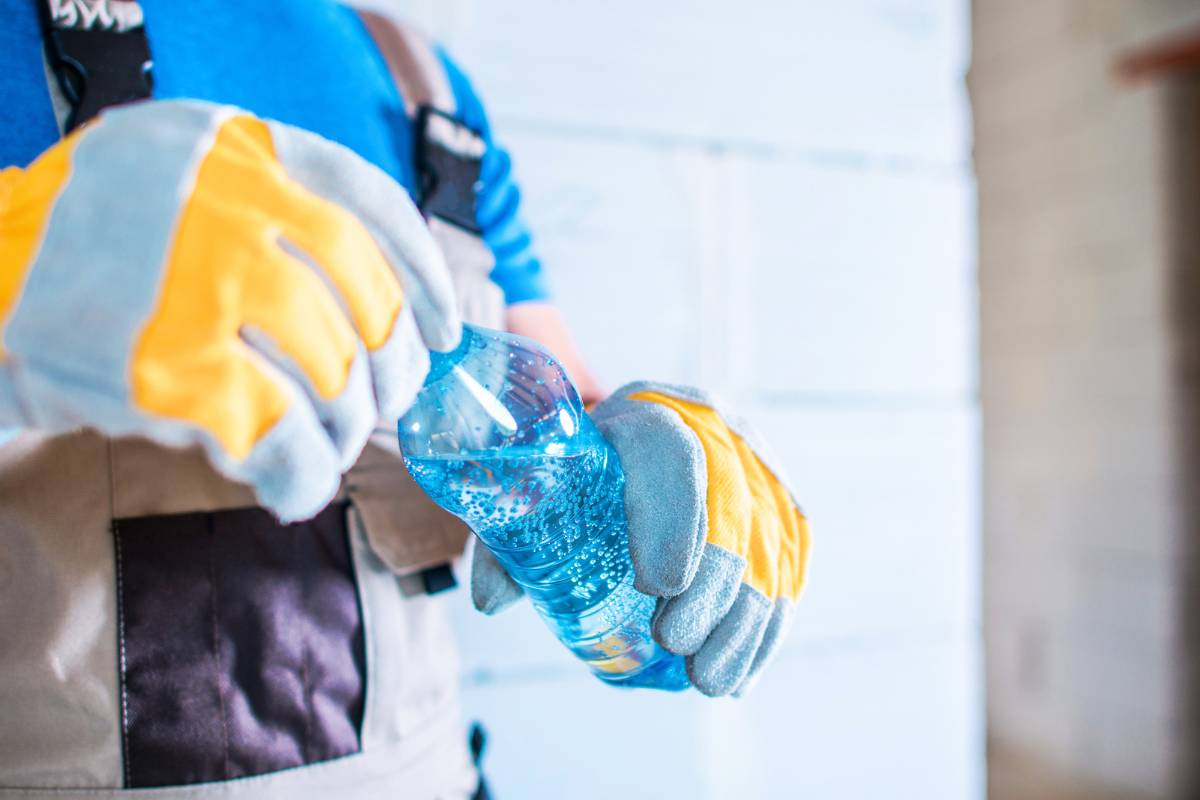
Hydration is key to preventing heat exhaustion and dehydration. Sweating in the summer heat causes the body to lose essential fluids and electrolytes, so it’s important to replenish them consistently. Follow these hydration tips:
- Drink Water Frequently – Don’t wait until you’re thirsty to hydrate.
- Avoid Caffeinated and Sugary Drinks – These can contribute to dehydration.
- Use Electrolyte Supplements – Replace lost minerals with sports drinks or electrolyte tablets.
- Carry a Large Insulated Water Bottle – Keeps water cold throughout the day.
- Set Hydration Reminders – Take small sips every 15-20 minutes to stay hydrated.
According to Safe Work Australia, workers should aim to drink approximately 200–250ml of water every 15 to 20 minutes to stay properly hydrated and prevent heat stress.
Take Advantage of Shade and Cooling Breaks
Prolonged exposure to the sun without breaks can lead to heat stress and exhaustion. Taking periodic rest breaks in shaded or air-conditioned areas helps regulate body temperature. To maximize cooling breaks:
- Set Up a Shaded Area – Use pop-up tents or tarps for instant shade.
- Take Breaks in an Air-Conditioned Space – If available, spend a few minutes cooling down indoors.
- Use Cooling Towels – Soak a towel in cold water and place it around your neck.
- Schedule Rotating Breaks – Allow workers to alternate between working and resting.
Use Cooling Gear and Accessories
Investing in cooling gear can make a huge difference in comfort and productivity. Modern cooling technology is designed to help regulate body temperature and prevent overheating. Consider using:
- Cooling Vests – Filled with ice packs or phase-change materials to keep the body cool.
- Neck Fans or Personal Fans – Battery-powered fans provide continuous airflow.
- Evaporative Cooling Bandanas – These retain moisture and provide lasting relief from the heat.
- Breathable Work Gloves – Prevent sweaty hands while maintaining grip and protection.
These accessories provide relief from extreme temperatures and help workers remain comfortable throughout the day.
Adjust Work Hours When Possible
If the jobsite schedule allows, adjusting work hours to avoid peak heat can significantly improve working conditions. Some strategies include:
- Starting Earlier in the Morning – Take advantage of cooler temperatures.
- Scheduling Physically Demanding Tasks Early – Complete strenuous work before the heat intensifies.
- Working in Shifts – Rotating shifts can prevent overexposure to the sun.
- Avoiding Midday Sun – Plan tasks that require less exertion between 12 PM and 3 PM.
Many construction and outdoor job sites implement adjusted schedules in extreme heat conditions to keep workers safe and productive.
Recognize the Signs of Heat-Related Illnesses
Knowing how to identify early signs of heat-related illnesses can prevent serious medical emergencies. Heat exhaustion and heat stroke are among the most dangerous conditions workers face during summer. Symptoms to watch for include:
- Dizziness or Lightheadedness
- Heavy Sweating Followed by Dry Skin
- Rapid Heart Rate or Weak Pulse
- Nausea or Vomiting
- Confusion or Slurred Speech
If you or a coworker show signs of heat exhaustion, take immediate action by moving to a shaded area, drinking water, and cooling the body with wet cloths or fans. If symptoms worsen, seek medical help immediately.
Conclusion
Working in high temperatures doesn’t have to be unbearable. By wearing the right clothing—such as a breathable baseball jersey—staying hydrated, and taking cooling breaks, you can minimize the risks associated with working in extreme heat. Investing in cooling gear, adjusting work hours, and recognizing signs of heat-related illness will help ensure that you and your crew stay safe and productive all summer long. Heat safety isn’t just about comfort—it’s about protecting your health on the jobsite.
Related Posts

Post a Comment