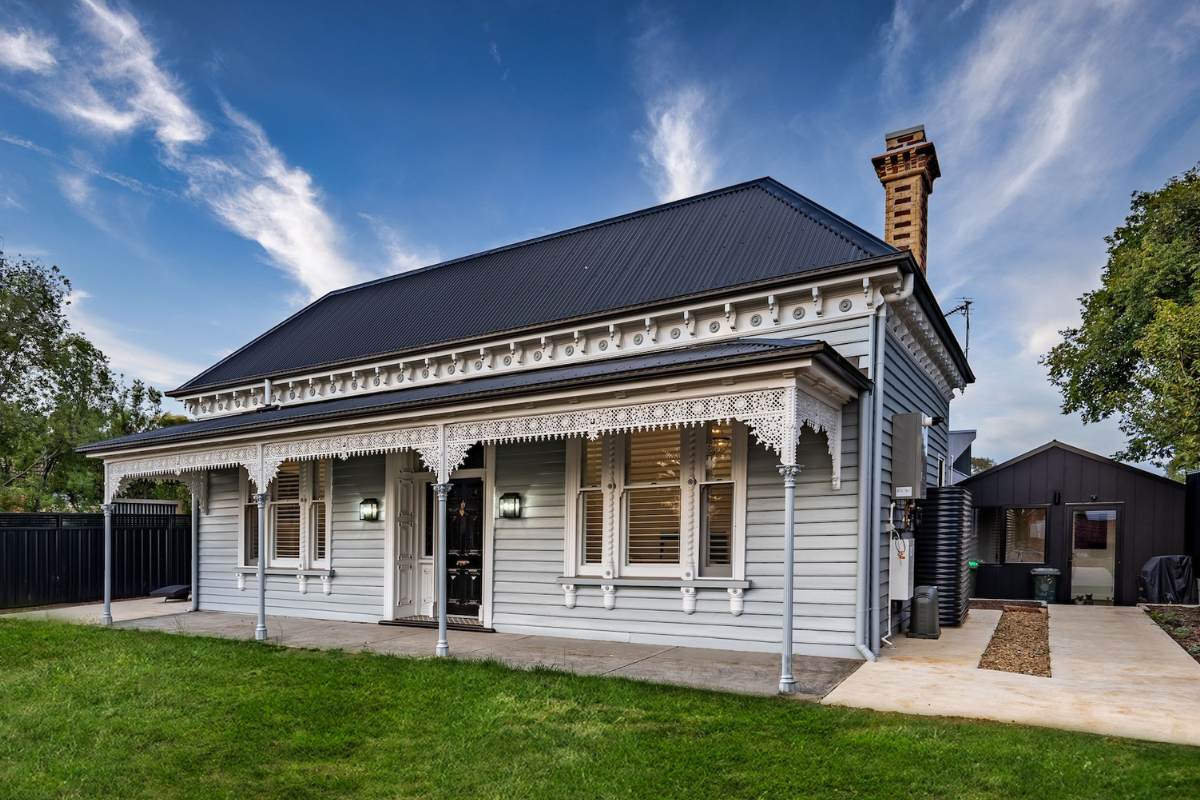
Buying your first home is an exciting milestone, but it also comes with a long list of priorities—furniture, paint colors, appliances, and more. While some upgrades can wait, one that shouldn’t be overlooked is air conditioning installation. A reliable AC system isn’t just about comfort—it’s about health, energy efficiency, and even your home’s resale value.
If you’re debating whether to install or upgrade your air conditioning, here’s why it should be at the top of your checklist.
1. Comfort Matters More Than You Think
Moving into a new home is stressful enough without dealing with sweltering heat or freezing winters. A properly installed AC system:
- Maintains consistent temperatures year-round
- Reduces humidity, preventing mold and mildew growth
- Improves indoor air quality by filtering dust and allergens
Without climate control, your home can become unbearable during extreme weather, making daily life uncomfortable and even affecting sleep quality.
2. Energy Efficiency Saves Money Long-Term
Older homes often have outdated HVAC systems—or none at all. If your new place has an old, inefficient AC unit (or relies solely on fans and space heaters), you could be wasting money on:
- High energy bills (inefficient systems work harder, using more electricity)
- Frequent repairs (older units break down more often)
A modern air conditioning installation ensures:
- Lower monthly utility costs (newer systems use 20–50% less energy)
- Smart thermostat compatibility (for better temperature control)
- Rebates and tax incentives (some energy-efficient models qualify for savings)
Investing in a new system now can pay off in long-term savings.
3. Health Benefits You Can’t Ignore
Poor ventilation and extreme temperatures can worsen:
- Allergies (dust, pollen, and pet dander circulate more without proper filtration)
- Asthma and respiratory issues (high humidity promotes mold and bacteria growth)
- Heat-related illnesses (especially dangerous for children and elderly residents)
A well-installed AC system:
- Filters pollutants from the air
- Controls humidity levels, discouraging mold
- Reduces outdoor allergens by keeping windows closed
If health is a priority, climate control is a must.
4. Increases Your Home’s Resale Value
Even if you plan to stay in your first home for years, life can be unpredictable. Should you decide to sell, a proper air conditioning installation boosts your home’s marketability because:
- Buyers expect central AC (especially in warm climates)
- Energy-efficient homes sell faster (lower bills are a major selling point)
- HVAC systems are a key appraisal factor (a modern unit can increase home value)
Homes without AC often sell for less and stay on the market longer.
5. Prevents Costly Emergency Repairs Later
Waiting until your AC breaks down in the middle of summer can lead to:
- Emergency service fees (higher costs for last-minute repairs)
- Uncomfortable waiting periods (HVAC technicians get booked fast in peak seasons)
- Potential system replacement (if an old unit fails completely)
Proactively installing or upgrading your AC means:
- Avoiding sudden breakdowns
- Getting a warranty (most new systems come with 5–10 years of coverage)
- Choosing the best time for installation (off-season discounts may apply)
What Type of AC System Is Best for Your First Home?
Not all air conditioning systems are the same. The best choice depends on your home’s size, layout, and climate. Common options include:
1. Central Air Conditioning
Best for: Whole-home cooling
✔ Evenly distributes air through ducts
✔ Most effective for larger homes
✖ Higher upfront cost
2. Ductless Mini-Split Systems
Best for: Homes without ductwork
✔ Energy-efficient zoning (cool only the rooms you use)
✔ Easy installation (no major renovations needed)
✖ More expensive per unit than central AC
3. Window or Portable Units
Best for: Small spaces or rentals
✔ Affordable short-term solution
✔ No installation required
✖ Less efficient for whole-house cooling
4. Heat Pumps (Dual Heating & Cooling)
Best for: Moderate climates
✔ Provides both heating and cooling
✔ Extremely energy-efficient
✖ Less effective in extreme cold
A professional HVAC technician can help you choose the best system for your needs.
How to Prepare for Air Conditioning Installation
If you’ve decided to install AC, follow these steps:
1. Get a Professional Assessment
An HVAC expert will evaluate:
- Your home’s insulation and ductwork
- The right system size (too big or small = inefficiency)
- Energy efficiency ratings (SEER ratings matter)
2. Schedule Installation at the Right Time
- Spring or fall installations are often cheaper (HVAC companies are less busy).
- Avoid peak summer demand (longer wait times, higher costs).
3. Maintain Your System Post-Installation
- Change filters every 1–3 months
- Schedule annual professional maintenance
- Keep vents clean and unobstructed
Final Thoughts
As a first-time homeowner, it’s easy to focus on aesthetics and furniture, but proper air conditioning installation is an investment in comfort, health, and financial savings. Whether you opt for central air, a ductless system, or a heat pump, a properly installed AC unit will make your home more livable and valuable.
Don’t wait until the next heatwave—start researching your options today and enjoy a cooler, healthier home for years to come!
Related Posts