

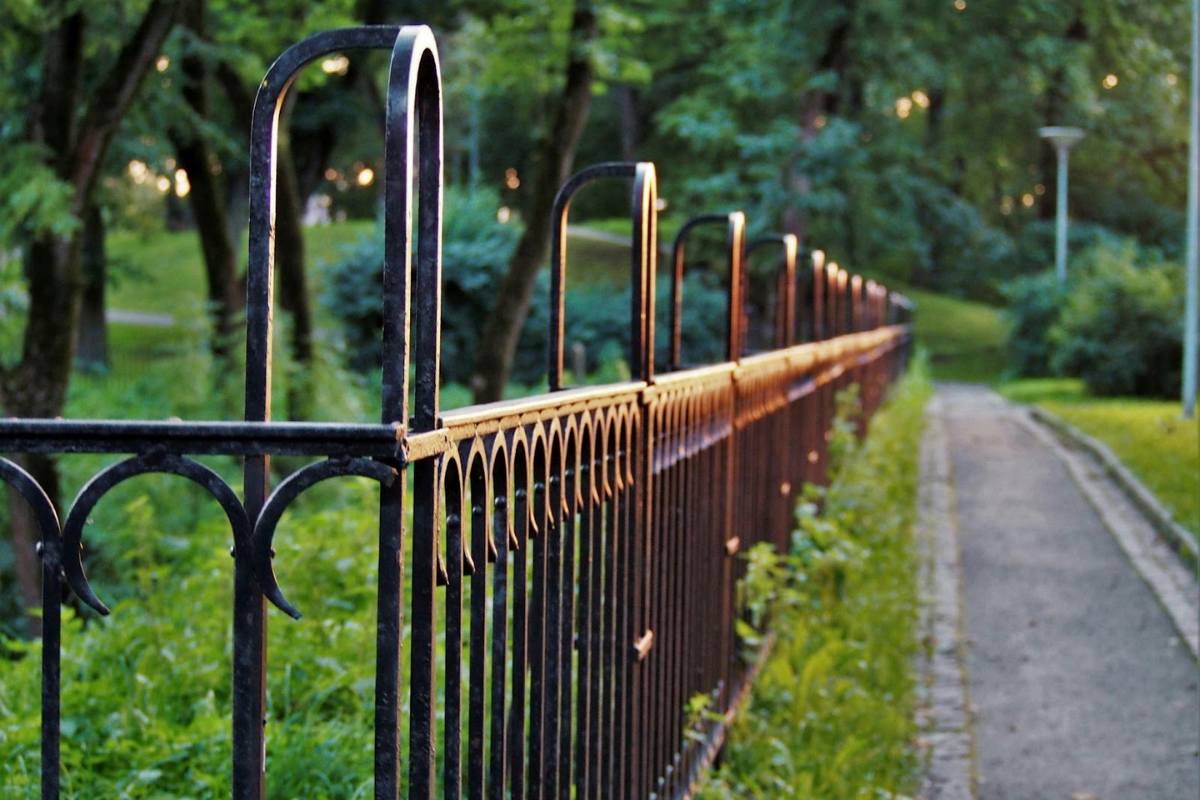
You might not realize that regular seasonal maintenance can greatly extend your fence’s lifespan, often doubling it with just a bit of effort. By taking the time to perform simple tasks like inspections and cleaning, you can prevent costly repairs down the line. It’s not just about aesthetics; protecting your fence from the elements is vital. So, what specific steps should you take throughout the year to guarantee your fence stands strong against wear and tear? Let’s explore some essential tips that can make a difference.
Inspect Your Fence Regularly
Although it might seem tedious, regularly inspecting your fence is vital for maintaining its integrity and appearance.
Begin your assessment by walking the perimeter, looking for any visible damage or signs of wear. Pay close attention to loose boards, rusted nails, or cracked posts that could compromise the structure. If your fence is wooden, check for any signs of rot or insect infestation, which can weaken its stability.
Next, examine the fencing’s connection to the ground. Confirm that posts are secure and haven’t shifted due to erosion or heavy rains. If you notice any leaning or instability, it’s important to address these issues quickly to prevent further damage.
Don’t forget to inspect the hardware, such as hinges and latches, for any rust or corrosion that could hinder functionality.
Clean Your Fence Seasonally
To keep your fence looking its best and to prolong its lifespan, cleaning it seasonally is crucial. Dirt, grime, mildew, and algae can accumulate over time, leading to deterioration.
Start by inspecting your fence for any damage or loose boards before you clean.
For wooden fences, use a soft-bristle brush along with a mild soap solution. Avoid harsh chemicals that could strip the wood’s natural oils. Gently scrub the surface, paying special attention to crevices where debris may hide. Rinse thoroughly with a hose to verify no soap residue remains. If you’re dealing with humid conditions like those common in fencing Sydney, regular cleaning becomes even more important to prevent mold and mildew buildup.
If your fence is vinyl or metal, a pressure washer can be an effective tool. Set it to a low pressure to avoid causing dents or cracks, and use a detergent designed for outdoor surfaces. Make sure to rinse well to prevent any buildup of soap.
Don’t forget to check for rust on metal fences and wipe away any debris that could trap moisture.
Regular cleaning not only enhances your fence’s appearance but also prevents long-term damage, guaranteeing it stands strong against the elements and retains its charm for years to come.
Apply Protective Coatings
Applying protective coatings is crucial for safeguarding your fence against the elements. Whether your fence is wood, vinyl, or metal, a good coating acts as a barrier against moisture, UV rays, and pests.
First, choose a high-quality sealant or paint that’s specifically designed for your fence material. For wood fences, look for penetrating stains that enhance grain visibility while offering robust protection. If you have a vinyl fence, opt for a UV-resistant spray to prevent fading and cracking.
Before application, verify the surface is clean and dry. Use a power washer or scrub brush to remove dirt, mildew, or previous coatings. If your fence is wooden, sanding rough spots can improve adhesion.
Apply the protective coating evenly using a brush, roller, or sprayer, making sure you cover all nooks and crannies. Pay attention to weather conditions; aim for a dry day with mild temperatures. Depending on the product, you might need multiple coats for ideal protection.
Regular reapplication every few years will keep your fence looking great and extend its lifespan considerably. By taking these steps, you’re investing in the longevity and appearance of your fence, making sure it stands strong against nature’s challenges.
Check for Rot and Damage
Checking for rot and damage is essential to maintain the structural integrity of your fence. Start by inspecting wooden sections, looking for soft spots or discoloration. Use a screwdriver to probe any suspicious areas; if it sinks in easily, you’ve found rot.
Pay attention to the base of posts and boards, as moisture often collects there, accelerating decay.
Next, examine the joints and connections. Loose nails or screws can create instability, so tighten or replace them as needed. Look for signs of insect infestations, such as tiny holes or sawdust. Termites and carpenter ants can compromise your fence’s strength, so take immediate action if you discover any pests.
Don’t forget to check the fence’s surface for cracks or splinters. These imperfections can lead to further damage if left unattended.
For metal fences, inspect for rust or corrosion, especially at joints. Sand down any rusted areas and apply a rust-inhibiting primer to prevent further deterioration.
Maintain Proper Drainage
Effective drainage is essential for extending the lifespan of your fence and preventing moisture-related issues. Standing water around fence posts can lead to rot, decay, and ultimately, structural failure.
To maintain proper drainage, start by evaluating your yard’s topography. Make sure that the ground slopes away from your fence, directing water away from the posts.
Consider installing gravel or drainage stones around the base of each post. This layer facilitates water movement and reduces the likelihood of pooling. If your fence is installed in a low area, think about adding a French drain to redirect excess water. This trench filled with gravel and a perforated pipe helps channel runoff effectively.
Regularly check gutters and downspouts adjacent to your fence. Make sure they’re directing water away from the area; clogged gutters can overflow and exacerbate drainage issues.
Additionally, monitor for any signs of erosion or water buildup after heavy rainfall. If you notice any, take corrective actions promptly, like adjusting soil levels.
Trim Vegetation Around Your Fence
Maintaining proper drainage isn’t the only factor in prolonging your fence’s life; trimming vegetation around it plays an essential role too. Overgrown plants, shrubs, or vines can trap moisture against the fence, leading to rot and decay. Regularly inspect the area surrounding your fence and prune any vegetation that comes too close. This not only enhances airflow but also allows sunlight to reach the wood or metal, further reducing moisture retention.
Keep in mind that certain plants have aggressive root systems that can undermine your fence’s stability. Opt for low-growing flora that won’t encroach on the fence line. If you notice any vines climbing up the structure, remove them promptly to prevent structural damage.
Weeds can also promote pest infestations, so clear them away to maintain a clean perimeter. Aim to establish a buffer zone of at least a foot around your fence where no plants can grow.
This proactive approach not only protects your investment but also enhances the overall aesthetic of your yard. By diligently trimming and managing vegetation, you create a healthier environment for your fence, ensuring it stands strong for years to come.
Monitor Soil Erosion
Soil erosion can greatly impact your fence’s integrity, so it’s crucial to monitor it regularly. Erosion can undermine the foundation of your fence, leading to instability and potential collapse.
Start by inspecting the area around your fence, especially after heavy rain or flooding. Look for signs of soil displacement, such as exposed roots or uneven ground. These indicators can signal that your fence is losing its support.
If you notice erosion, take action immediately. You might consider installing drainage solutions or retaining walls to redirect water flow away from your fence. Additionally, planting grass or ground cover can help stabilize the soil and reduce erosion. The roots of these plants will anchor the soil, providing a natural barrier against further erosion.
Keep an eye on the fence posts, too. If they appear to be leaning or shifting, it could be a sign that the surrounding soil has eroded. Regularly check the depth of your fence posts; they should be at least one-third of their length buried in stable soil.
Tighten Loose Fencing Components
After addressing soil erosion, it’s important to focus on the stability of your fence itself. One of the most common issues you’ll encounter is loose fencing components, which can compromise its integrity and appearance.
Start by inspecting each fence post, rail, and board for any signs of looseness. A simple visual check can reveal if any screws, nails, or bolts are missing or corroded.
Use a power drill or screwdriver to tighten any loose screws and bolts. For wooden fences, consider replacing any damaged boards, as they can lead to further instability. Additionally, check for any sagging panels and adjust them accordingly; you might need to reposition brackets or add additional support.
Don’t overlook the gates, as these often bear the brunt of daily use. Confirm the hinges are lubricated and the latch functions smoothly. If you notice any significant damage or wear, it’s wise to replace those components right away.
Regularly tightening loose components not only enhances your fence’s lifespan but also keeps it looking well-maintained and secure. This proactive approach will save you time and money in the long run.
Prepare for Winter Weather
How prepared is your fence for the harsh winter weather? As temperatures drop and snow begins to fall, it’s vital to guarantee your fence stands resilient against the elements.
Start by inspecting the wood or metal for any signs of damage. Look for cracks, rust, or rotting, which can worsen with moisture and cold. If you find any issues, address them promptly to prevent further deterioration.
Next, clear away debris, including fallen branches and leaves, that can trap moisture against your fence. This step helps prevent mold and mildew, both of which can compromise your fence’s integrity.
For wooden fences, consider applying a waterproof sealant to protect against moisture infiltration.
Additionally, if you have a vinyl or metal fence, guarantee that any joints are securely fastened to withstand heavy snow loads.
You might also want to reinforce fence posts with concrete, providing added stability against harsh winds and shifting ground.
Plan for Seasonal Repairs
When should you start planning for seasonal repairs on your fence? Ideally, you should assess your fence at the beginning of each season. This proactive approach allows you to catch minor issues before they escalate into major repairs.
As winter shifts to spring, check for any damage caused by freezing temperatures, such as warped boards or rusting hardware. Summer’s heat can also take its toll; inspect for signs of fading paint or wood rot. If you notice any splintered wood, treat it promptly to prevent further deterioration.
Autumn is an essential time for cleaning and maintenance. Clear away leaves and debris that can trap moisture against your fence, leading to mold or rot.
Make a checklist for each season, detailing what to inspect and repair. Don’t overlook the posts and gates; secure any loose hinges or fittings. If you identify significant damage, don’t hesitate to consult a professional.
Conclusion
By following these seasonal maintenance tips, you’ll keep your fence standing tall, like a knight guarding your castle. Regular inspections and cleaning can help you catch issues before they grow, while protective coatings will shield it from the elements. Don’t forget to manage drainage and soil erosion, ensuring your fence remains sturdy. With a little effort, your fence will not only last longer but also enhance your property’s charm for years to come.
Related Posts


Post a Comment