
Heavy machinery is the backbone of any serious building or construction business. Whether it’s excavators, forklifts, or compactors, this gear is often one of your most valuable investments. But while many businesses think carefully about what machinery to buy or rent, they often overlook where to store it safely.
If you’re operating out of your home or a makeshift yard, securing a proper premises for heavy equipment isn’t just a smart idea—it’s a must. Here’s what to consider when locking down the right space for your machines, along with financial tips and long-term storage strategies that’ll protect your tools and your peace of mind.
Why Secure Storage Is Non-Negotiable
Leaving heavy machinery exposed to the elements, or worse, unsecured on an open job site, can cost you more than just a few repairs. Here’s why safe, secure storage matters:
- Prevents theft and vandalism: Heavy machinery theft in Australia costs the construction industry over $50 million each year, according to the National Equipment Register.
- Reduces wear and tear from weather: Rain, dust, and sun exposure all shorten a machine’s lifespan.
- Keeps maintenance predictable: Controlled environments mean fewer surprise repairs and breakdowns.
- Helps with compliance: Many insurance providers require equipment to be stored in a secure location to validate cover.
In short, securing a premises helps you avoid downtime, save money, and operate more professionally.
What to Look for in a Heavy Machinery Storage Site
Whether you’re eyeing a warehouse, yard, or industrial block, your choice should be more strategic than simply “whatever fits.” Here are some key features to prioritise:
- Accessibility: Is it close to your job sites? Can you easily move machines in and out?
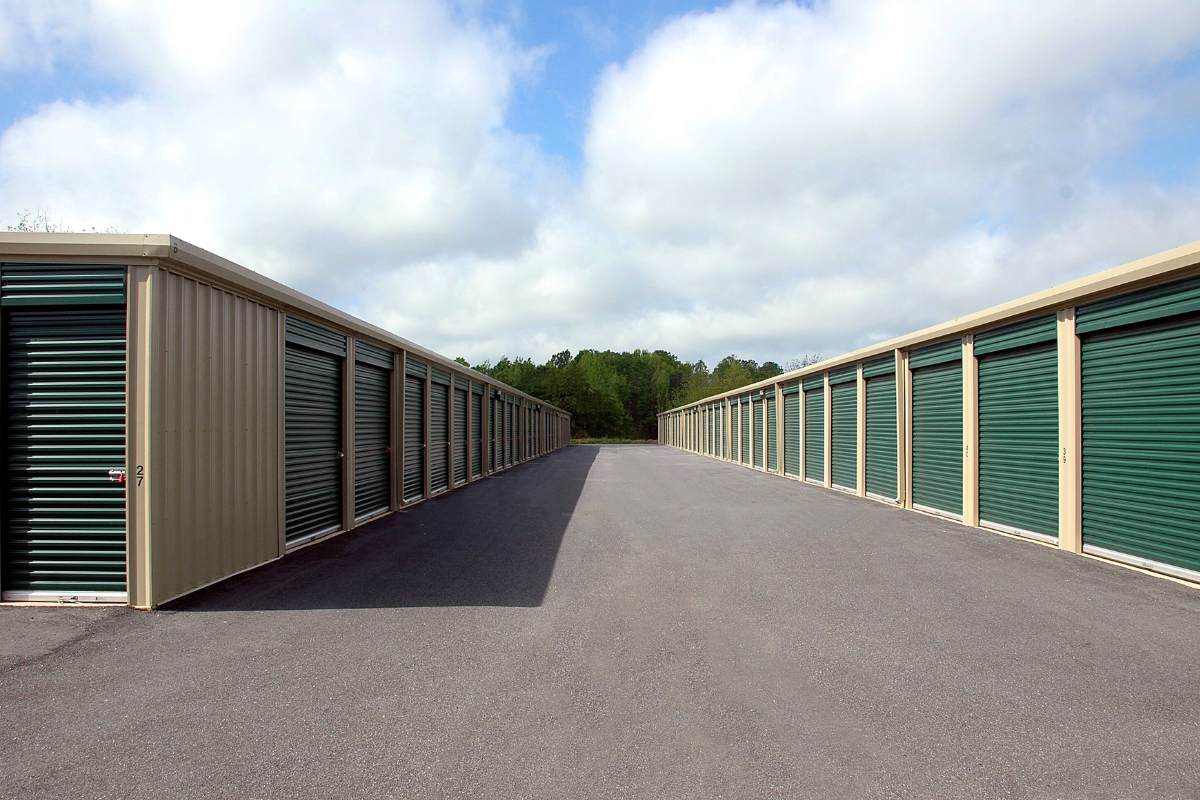
- Security: Look for fencing, surveillance, alarm systems, and 24/7 access control.
- Zoning approvals: Check local council rules for storing industrial or commercial machinery.
- Utilities and lighting: If you’re doing minor maintenance on-site, you’ll need power and good lighting.
- Drainage and ground condition: Avoid flooding risk. Solid concrete pads or stabilised soil are ideal.
Remember, it’s better to pay a bit more for a site that ticks all the boxes than to risk costly losses or complications down the road.
Buying vs. Leasing Your Storage Space
If you’re in it for the long haul, owning a commercial property can be a smart investment. While the upfront cost is significant, it builds equity and gives you long-term control. On the other hand, leasing offers flexibility and lower short-term commitment—ideal if your business is still growing or expanding into new regions.
Not sure how to finance a purchase? Some businesses are exploring tailored loans for commercial property through SMSF (self-managed super funds), which can unlock property ownership without interrupting business cash flow.
Speak to a financial adviser before making the leap—property ownership can work in your favour if it aligns with your broader business strategy.
Making the Space Work for You
Once you’ve locked in a premises, it’s time to set it up for efficient, safe daily use. Here’s how to optimise your storage space:
- Organise by usage: Keep frequently used machines near access points.
- Use signage and painted zones: Helps with traffic flow and safety.
- Create routine inspection areas: For daily or weekly equipment checks.
- Install asset tracking systems: RFID or QR-coded tags can streamline your workflow.
- Ensure fire safety and first-aid stations are on site and up to code.
Even the best space is only as efficient as the systems you set up inside it.
Plan for Growth and Resilience
As your business grows, your storage needs will change. Planning ahead saves you the hassle of relocating every couple of years. Here are a few tips for scalability:
- Choose a space with expansion options or subdividable lots.
- Invest in modular storage (like shipping containers) that can move with you.
- Build strong relationships with local suppliers and emergency repair teams.
- Don’t forget climate considerations—ventilation and stormwater planning are crucial in Australia’s changing weather patterns.
By future-proofing your setup, you can focus on growing your business without worrying about outgrowing your space.
Final Thoughts
Securing a dedicated premises for your heavy machinery is one of the smartest moves you can make as a contractor or tradie. It’s not just about protecting your gear—it’s about running a more professional, efficient, and profitable business.
From site selection and security to smart financing options like commercial property loans, there’s a solution that fits every stage of business growth. The goal? Make your tools work hard on site—and rest easy off it.
Related Posts

Post a Comment