
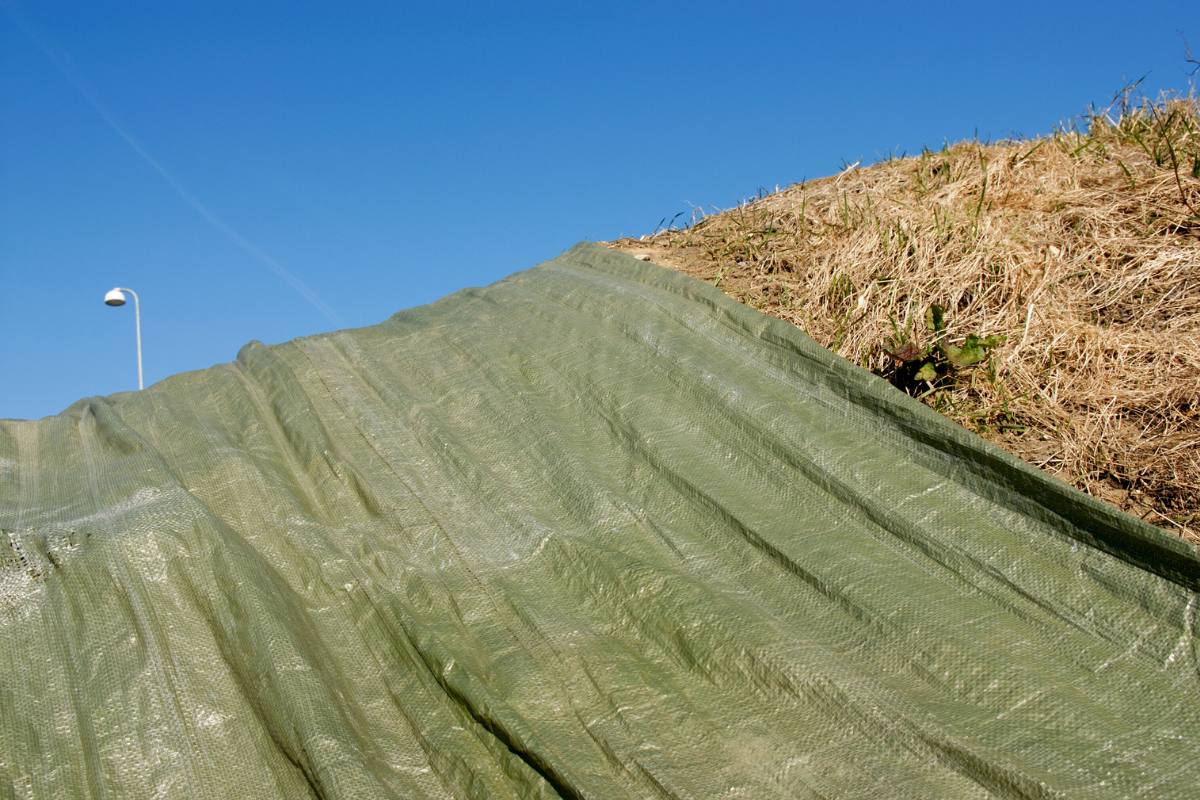
Tarpaulins, better known as tarps, might look simple. A sheet of material, eyelets along the sides, maybe some ropes. But anyone who has ever worked on a building site, farm, or factory yard knows they’re more than just a cover. They’re the difference between protecting valuable gear and watching it get ruined by the weather.
This guide explores what tarpaulins do, why they matter in industrial settings, and what to look for when buying them.
Why Tarpaulins Are Essential for Industry
Tarps are tough protectors. They keep machinery, raw materials, and temporary structures dry and shielded from sun, wind, and rain. Tarpaulins in Australia are used daily on construction sites, transport trucks, workshops, and warehouses.
Without a tarp, the mix can dry out too quickly or be spoiled by rain. Or imagine a truckload of fertiliser making a trip across New South Wales without cover. One storm and you’ve got a mess on your hands.
Tarps prevent those headaches by saving time, money, and frustration.
Materials That Make the Difference
Not all tarpaulins are equal and material matters.
- Polyethylene (PE) tarps: Lightweight, waterproof, and affordable. Often used for short-term jobs.
- Canvas tarps: Breathable, heavy-duty, and resistant to tearing. Good for long-term outdoor use.
- PVC tarps: Strong, weather-resistant, and flexible. Often used in trucking and construction.
Each type suits different needs. Canvas might be better for covering scaffolding because it allows air to flow. PE is handy when you need something cheap but effective for a short stretch. PVC is often the go-to for heavy loads on trailers.
Size and Thickness
Here’s where many buyers trip up. They grab a tarp that’s too small or too thin for the job.
Thickness is measured in microns or GSM (grams per square metre). A light tarp might be 100 GSM. Heavy-duty ones can be 600 GSM or more. The higher the number, the tougher the tarp.
For industrial work, don’t skimp. Thicker tarps last longer and handle rough conditions.
Reinforcements and Edging
A tarp is only as strong as its edges. Look for reinforced hems, double stitching, and rust-resistant eyelets. Weak edges tear quickly, especially under wind pressure. Once that happens, the tarp is close to useless.
Some tarps also come with rope-in hems. This means a cord is stitched into the edge, giving extra strength. If you’re tying down large areas or covering heavy gear, that feature is worth paying for.
Weather Resistance
Australian weather can be unforgiving. One week it’s blistering hot, the next it’s pouring rain. A good tarp should handle both extremes.
UV resistance is critical. Sun exposure can weaken plastic fibres and make tarps brittle. Once that happens, a gust of wind will rip holes straight through.
Waterproofing is another must. For canvas, check if it’s treated with wax or oil. For PVC and PE, look for coatings that block water seepage.
Safety Considerations
It’s not just about covering stuff. Safety matters too. A tarp flapping in the wind is more than annoying. It’s dangerous. Loose ends can whip around, hit workers, or tear equipment. That’s why proper tie-down methods are essential. Use bungee cords, ratchet straps, or rope—not just a quick knot that comes loose.
Also, check for fire resistance. Some tarps are treated to reduce flammability. On worksites where sparks fly, this can make a big difference.
Cost Versus Value
It’s tempting to buy the cheapest option. But here’s the catch: cheap tarps often need replacing after a few weeks of hard use.
A thicker, higher-quality tarp might cost more upfront. But if it lasts six months instead of six weeks, you’ve already saved money. Think long term, especially if you use tarps daily.
Choosing the Right Tarp for Your Business
Ask yourself: what will the tarp cover, and for how long?
If it’s short-term storage, a PE tarp might be fine. If you’re shielding machinery outdoors for months, canvas or PVC is better. If transport is the main use, thickness and reinforced edges should be top priorities.
No one tarp fits every job. Matching the product to your needs saves time, reduces replacement costs, and keeps your site running smoothly.
Final Thoughts
Tarpaulins may not look like cutting-edge equipment. But in industry, they’re workhorses. They keep projects moving, protect investments, and reduce risks. So next time you’re ordering gear for your site, don’t overlook the humble tarp. Choosing the right one could save you more headaches than you realise.
Related Posts

Post a Comment