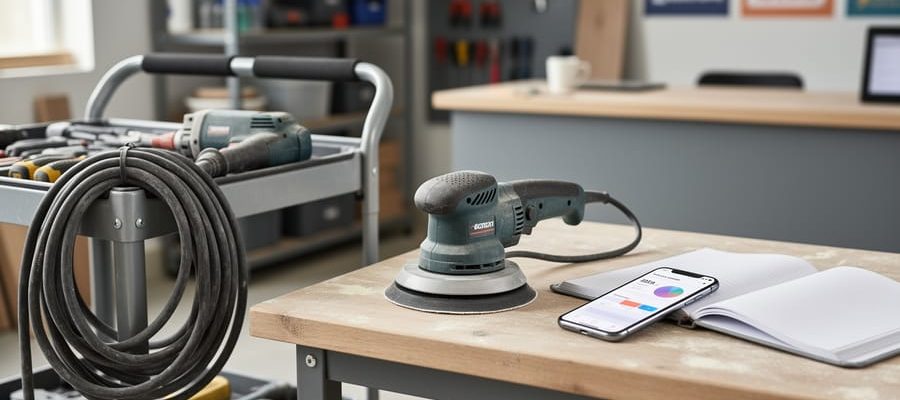
**Prioritize preventative drain maintenance over reactive chemical treatments** to protect your commercial plumbing infrastructure and reduce long-term costs. Chemical drain cleaners may promise quick fixes, but they often corrode pipes, harm the environment, and provide only temporary relief while masking underlying blockage issues that worsen over time.
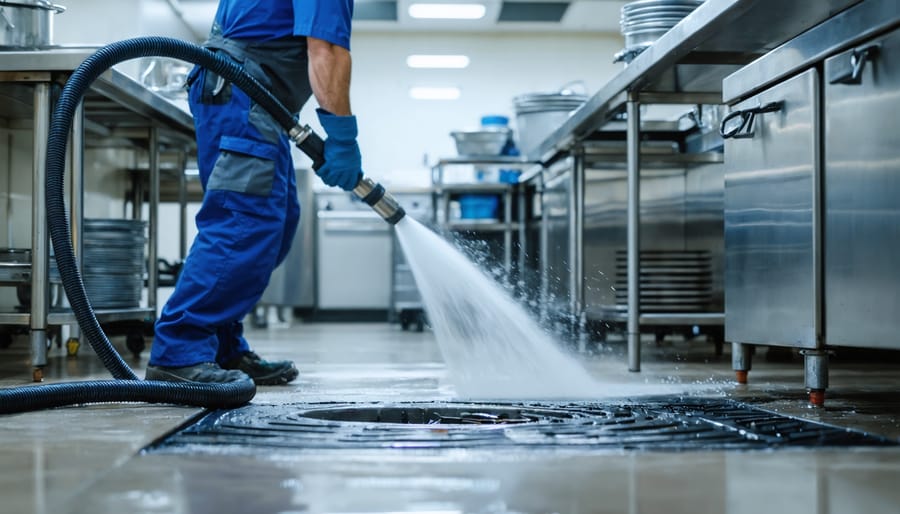
**Schedule weekly hot water flushes** through all commercial drains using high-pressure equipment to break down grease and soap buildup before they solidify into stubborn clogs. This simple practice, combined with monthly enzyme-based treatments that naturally digest organic matter, keeps drains flowing freely without the harsh effects of caustic chemicals.
**Invest in professional-grade drain snakes and hydro-jetting equipment** available through tool rental services to mechanically remove blockages at their source. These methods physically eliminate accumulated debris, tree roots, and hardened grease that chemicals cannot dissolve, providing permanent solutions rather than temporary patches.
**Implement mandatory drain strainers and grease trap maintenance protocols** across all sinks, floor drains, and kitchen facilities. Train staff to scrape food waste into trash receptacles and never pour fats, oils, or grease down drains—preventing 80% of commercial blockages before they start while extending your plumbing system’s lifespan by years.
What Actually Happens When Chemicals Hit Your Drains
The Heat Problem Nobody Talks About
When chemical drain cleaners mix with organic matter and standing water, they create exothermic reactions—essentially, they generate heat as a byproduct of breaking down clogs. While this might sound helpful, these reactions can reach temperatures exceeding 200°F (93°C) in commercial settings where drain systems handle higher volumes of waste.
This extreme heat poses serious risks that many facility managers don’t anticipate. PVC pipes, commonly used in modern commercial plumbing, can warp or soften at sustained temperatures above 140°F. Metal pipes aren’t immune either—the heat weakens solder joints and can compromise pipe threading connections over time.
In commercial kitchens and restrooms, where multiple users might pour chemicals down drains throughout the day, these reactions can compound. The heat buildup becomes even more dangerous when chemicals encounter unexpected materials like aluminum foil or certain food waste, which intensify the reaction.
Safety hazards extend beyond the pipes themselves. Steam bursts from drains during these reactions can injure employees, and the heated chemical mixture can splash back if the clog doesn’t clear immediately. For businesses, this means potential worker’s compensation claims alongside expensive pipe replacement costs—expenses that far exceed proper drain maintenance equipment.
Why Your Pipes Are Corroding From the Inside
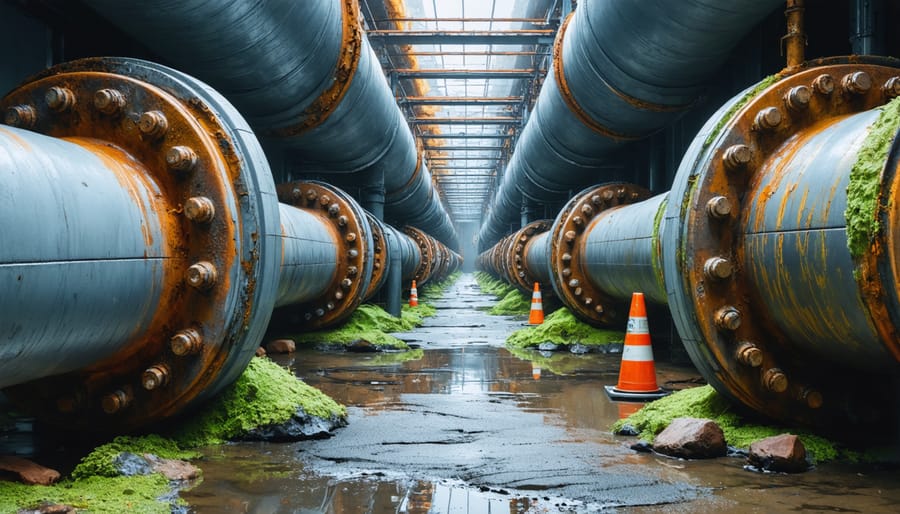
Repeated chemical drain cleaner use creates progressive damage that many facility managers don’t see until it’s too late. Each application subjects your pipes to caustic reactions that gradually eat away at metal and plastic surfaces from the inside out.
The corrosion process works like this: drain chemicals generate intense heat—sometimes reaching 200°F—to dissolve clogs. This thermal shock weakens pipe walls with every use, making them thinner and more brittle over time. PVC pipes become rigid and crack-prone, while metal pipes develop pitting and weak spots that eventually perforate.
Seals and joints are especially vulnerable. The gaskets and rubber components connecting pipe sections deteriorate when exposed to harsh chemicals, losing their flexibility and waterproofing properties. What starts as a minor leak can quickly escalate into flooding that damages property and disrupts operations.
Professional tradespeople have reported finding pipes that looked intact on the outside but had paper-thin walls inside after years of chemical treatments. One maintenance supervisor shared that replacing corroded drain lines cost his facility over $15,000—far exceeding what preventative mechanical cleaning would have cost. The lesson: short-term convenience creates long-term infrastructure problems that affect your bottom line and operational reliability.
When Chemicals Make Sense (And When They Don’t)
Emergency vs. Preventative Maintenance
Understanding the difference between emergency and preventative maintenance is crucial for managing commercial drains effectively. Emergency situations—like complete blockages threatening to shut down operations—sometimes require immediate chemical intervention. In these crisis moments, chemicals can provide a quick temporary fix to keep your business running while you arrange for proper mechanical cleaning.
However, here’s the key distinction: what works in emergencies makes poor preventative strategy. Pouring chemicals down drains as regular “maintenance” doesn’t prevent buildup—it just masks the problem while gradually damaging your pipes. The residue and grease causing issues aren’t eliminated; they’re temporarily liquefied, only to solidify further down the line.
Think of it like this: using drain chemicals preventatively is like treating a toothache with painkillers instead of visiting the dentist. You’re addressing symptoms, not causes.
For genuine preventative maintenance, mechanical solutions win every time. Regular snaking, hydro-jetting, and video inspections actually remove debris rather than relocating it. These methods identify developing problems before they become emergencies, saving you from costly downtime and pipe replacement. Many facilities discover that renting professional-grade equipment quarterly costs less than repeated emergency chemical purchases—and protects their infrastructure long-term.
Better Alternatives That Actually Prevent Clogs
Enzyme-Based Treatments That Work Overnight
Biological enzyme treatments offer a gentle yet effective alternative to harsh chemicals for maintaining commercial drains. These naturally-occurring proteins break down organic matter—grease, food particles, soap scum, and hair—into smaller molecules that flush easily through your plumbing system without damaging pipes or harming the environment.
**How They Work**
Enzymes act like microscopic workers, targeting specific organic compounds. Once applied, they remain active for 6-8 hours, making overnight application ideal when drains aren’t in use. Unlike chemical cleaners that burn through clogs, enzymes digest buildup gradually, preventing the shock to plumbing systems that can weaken joints and seals over time.
**Application Methods**
Pour enzyme treatments directly down drains during closing procedures. For restaurants and commercial kitchens, apply after final cleanup when grease traps have been emptied. Hotels should treat high-use bathroom drains and laundry facilities during low-occupancy periods. Most products require 4-6 ounces per drain, followed by a warm water flush in the morning.
**Recommended Frequency**
High-volume establishments like restaurants benefit from weekly treatments, while hotels and office buildings typically need bi-weekly applications. Adjust frequency based on drain performance—if you notice slower drainage or odors developing, increase treatment intervals.
**Real-World Effectiveness**
Enzyme treatments excel at preventative maintenance rather than emergency clogs. Users report significant reductions in professional service calls when maintaining consistent treatment schedules. They’re particularly effective in food service environments where organic buildup is constant but manageable with regular attention.

Mechanical Maintenance Tools You Can Rent
When chemical solutions fall short, mechanical tools offer powerful, infrastructure-safe alternatives for commercial drain maintenance. Understanding which equipment rentals suit your specific blockage type can save both time and money.
**Drain snakes** (also called drain augers) are your first line of defence against localized clogs. These flexible cables with rotating heads physically break through obstructions like hair, grease buildup, and food debris. Hand-cranked models work well for simple blockages within 7-10 metres, while motorized versions tackle tougher jobs up to 30 metres. Expect to clear most routine blockages within 15-30 minutes.
**Hydro-jetters** represent the gold standard for commercial drain maintenance. These machines blast water at pressures reaching 3,000-4,000 PSI, effectively scouring pipe walls clean while flushing debris away. They’re ideal for grease accumulation, mineral deposits, and tree root intrusion. Results are thorough and long-lasting, often restoring drains to near-original capacity.
**Video inspection cameras** aren’t cleaning tools themselves, but they’re invaluable for diagnosis. Before investing time in mechanical cleaning, a camera inspection identifies blockage location and type, ensuring you select the right tool for the job.
Most facilities find that exploring various tool rental options proves more cost-effective than purchasing equipment that sits idle between maintenance schedules. Rental centers also provide operator guidance and safety equipment, making professional-grade maintenance accessible to DIY-capable maintenance teams.
Building a Commercial Drain Maintenance Schedule
Monthly, Quarterly, and Annual Tasks
Establishing a regular maintenance schedule helps prevent emergency drain failures and costly downtime. Here’s how to organize your commercial drain care by frequency:
**Monthly Tasks**
Walk through your facility to inspect all visible drain covers and grates for debris buildup. Remove any accumulated hair, food particles, or foreign objects by hand or with simple tools. Check floor drains in restrooms, kitchens, and utility areas for slow drainage—a key early warning sign. Flush high-traffic drains with hot water to help dissolve grease and soap residue. Document any drains that show sluggish performance in a maintenance log, noting the date and location.
**Quarterly Tasks**
This is when you’ll want to bring in more thorough cleaning equipment. Rent a professional-grade drain snake or auger to clear main drain lines before minor clogs become major blockages. Inspect grease traps in commercial kitchens and schedule pumping if they’re more than 25% full. Use a hydro-jetting system (available through rental services) to scour pipe walls and remove built-up deposits that monthly maintenance can’t reach. Review your maintenance logs to identify problem drains that may need more frequent attention.
**Annual Tasks**
Schedule a professional camera inspection to assess pipe condition and identify potential issues like cracks, root intrusion, or corrosion. This video documentation becomes part of your property records and helps with budget planning. Evaluate whether your current maintenance schedule is working—if you’re experiencing frequent clogs despite regular care, it’s time to adjust your approach or investigate underlying problems.
Warning Signs You’re Heading for a Backup
Catching drain problems early can save you from costly emergency repairs and help you avoid reaching for harsh chemicals as a quick fix. Here are the key warning signs that indicate your commercial drains need attention:
**Slow drainage** is often the first red flag. If sinks, floor drains, or fixtures take noticeably longer to empty than usual, buildup is restricting water flow. Don’t wait until water stops draining completely—address it now while the problem is manageable.
**Persistent odors** signal organic material decomposing in your pipes. These smells won’t disappear on their own and indicate accumulation that will worsen over time. Commercial kitchens and food service areas are particularly susceptible to this issue.
**Gurgling sounds** from drains or toilets mean air is trapped in your plumbing system, typically due to partial blockages affecting proper venting. This sound often occurs when using nearby fixtures and shouldn’t be ignored.
**Water pooling** around floor drains or backing up into multiple fixtures simultaneously suggests a main line issue rather than an isolated clog. This requires immediate professional attention before it escalates into a complete backup that disrupts your business operations.
What Professional Plumbers Actually Use
Professional plumbers working on commercial drain maintenance rarely reach for chemical cleaners—and for good reason. Instead, they rely on mechanical solutions that effectively clear blockages without damaging pipes or creating hazardous conditions.
The primary tools in a commercial plumber’s arsenal include power augers (also called drain snakes), which use rotating cables to break through clogs, and hydro-jetters that blast high-pressure water streams to scour pipe walls clean. These methods physically remove buildup rather than temporarily dissolving it, making them far more effective for long-term maintenance.
Why do professionals avoid chemicals for their regular clients? First, repeated chemical use weakens pipe joints and corrodes certain pipe materials, particularly older cast iron systems. Second, chemicals often fail against the grease, hair, and debris accumulations common in commercial settings. Third, the safety risks—from fumes to potential reactions with standing water—create liability concerns.
Professional-grade equipment also includes video inspection cameras that identify problem areas before treatment, ensuring the right solution gets applied. This diagnostic approach prevents guesswork and reduces repeat service calls.
For facility managers and business owners, understanding these professional methods is crucial. While plumbing tool rentals make many commercial-grade solutions accessible, knowing when to call in professionals versus handling maintenance in-house protects your investment. Most experienced plumbers reserve chemicals only for emergency situations when mechanical solutions aren’t immediately available—never as a maintenance strategy.
Safety Considerations for Chemical Drain Products
If you determine that chemical drain cleaners are necessary for your commercial property, understanding proper safety protocols isn’t optional—it’s critical for protecting your team and complying with workplace safety regulations.
**Personal Protective Equipment (PPE) Requirements**
Never handle chemical drain products without appropriate protection. At minimum, you’ll need chemical-resistant gloves (nitrile or neoprene), safety goggles with side shields (not just safety glasses), and a chemical-resistant apron. For products containing strong acids or caustic solutions, consider adding a face shield for additional protection. Many facilities also require respirators when working in enclosed spaces—check your product’s Safety Data Sheet (SDS) for specific respiratory protection requirements.
**Ventilation and Application Safety**
Commercial spaces require adequate ventilation before, during, and after chemical application. Open windows and doors, and ensure HVAC systems are set to exhaust mode rather than recirculation. Never mix different chemical products—combining drain cleaners can create dangerous gas reactions or explosive heat. Pour chemicals slowly to minimize splashing, and always add chemical to water, never water to chemical, when dilution is required.
**Emergency Response Procedures**
Keep an eyewash station and emergency shower within 10 seconds of any area where chemicals are used—this is an OSHA requirement for commercial properties. Post the Poison Control number (1-800-222-1222) prominently, and ensure your SDS sheets are accessible to all employees. If skin contact occurs, flush immediately with water for at least 15 minutes while removing contaminated clothing.
**Proper Disposal Regulations**
Commercial properties can’t simply pour leftover chemicals down drains. Contact your local hazardous waste facility for approved disposal methods. Many municipalities require businesses to maintain disposal logs, and improper disposal can result in significant fines. Store unused products in their original containers in a cool, dry location away from incompatible materials.
According to feedback from maintenance professionals in our community, the complexity and liability of chemical safety often makes mechanical solutions the more practical choice for commercial drain maintenance.
Chemical drain maintenance might seem like a quick fix, but the hidden costs add up fast—from pipe damage and environmental impact to repeated purchases that never solve the root problem. By investing in preventative mechanical cleaning with rentable equipment like drain snakes and hydro-jetters, plus regular biological treatments, you’ll protect your infrastructure while saving money long-term. These methods tackle blockages at their source without the corrosive side effects that shorten your plumbing’s lifespan.
What’s been your experience with different drain maintenance approaches? Have you made the switch from chemicals to mechanical methods, or discovered a combination that works for your commercial space? Share your stories, tips, and questions in the comments below—your insights help others in our community make informed decisions about their drain maintenance strategies.
Related Posts