Check your latest electricity bill for a controlled load section—if you’re running power-hungry workshop equipment, pool pumps, or slab heating in Canberra, you’re likely paying more than necessary. Tariff 820 is a time-of-use controlled load that delivers electricity at significantly reduced rates during off-peak periods, specifically designed for appliances that can operate on a separate circuit with restricted availability.
Unlike standard electricity tariffs in Canberra, Tariff 820 operates during two daily windows—typically early morning and late evening—when network demand drops and wholesale electricity costs plummet. For tradespeople running compressors, battery charging stations, or workshop heaters, this translates to potential savings of 40-60% compared to standard residential rates.
The key lies in understanding whether your energy consumption patterns align with the restricted supply hours. Home workshop owners who can schedule dust extraction systems, welding equipment, or concrete mixing during off-peak windows see the most dramatic cost reductions. However, the tariff requires separate metering and specific electrical work, so knowing the installation costs versus long-term savings is essential before making the switch.
This guide breaks down exactly how Tariff 820 works, calculates real-world savings for common trade applications, and provides a straightforward decision framework for determining if this controlled load option suits your situation.
What Exactly Is Tariff 820?
Tariff 820 is a special electricity pricing plan designed specifically for high-energy appliances that can run during off-peak hours. Think of it as a separate “lane” on your electricity meter that offers significantly cheaper rates, but only powers certain approved devices.
Unlike your standard household tariff that covers everything from lights to laptops, Tariff 820 is what’s called a controlled load tariff. This means your electricity retailer can control when power flows to the connected appliances, typically restricting usage to off-peak periods when overall demand on the grid is lower. In exchange for accepting this timing restriction, you get substantially reduced rates per kilowatt-hour.
So which appliances qualify? The list includes energy-hungry items that don’t need to run constantly throughout the day. Hot water systems are the most common, particularly electric storage models that heat water overnight. Pool pumps and filters also qualify since they can easily operate during designated off-peak windows. For those with home workshops, some electric slab heating systems may be eligible too.
The mechanics are straightforward. Your electrician installs a separate meter or adds a controlled load circuit to your existing smart meter. The approved appliances connect exclusively to this circuit, keeping them isolated from your regular power supply. Your retailer then activates the circuit during predetermined off-peak hours, which typically run overnight and sometimes include afternoon periods.
The beauty of this setup is transparency. You’ll see two separate line items on your electricity bill: one for your standard usage and another showing your Tariff 820 consumption at the discounted rate. This separation makes it easy to track exactly how much you’re saving on those heavy-duty appliances.
Who Benefits Most From Tariff 820 in Canberra
Tariff 820 isn’t right for everyone, but certain Canberra households and businesses can save significantly with this controlled load option. Understanding whether you fit the ideal profile helps you make a smart decision about switching.
Homeowners with electric hot water systems are the primary beneficiaries. If you’re heating water overnight using electricity, Tariff 820’s reduced rate during controlled hours (typically 11pm to 7am) can cut your hot water costs by 30-50% compared to standard rates. Storage systems work perfectly because they heat during these off-peak windows and maintain temperature throughout the day.
Workshop owners running heavy equipment benefit substantially. If you operate power tools, compressors, welding equipment, or machinery that can run on timers or overnight, the controlled load tariff reduces operational costs. Many workshop owners schedule dust extraction systems, battery charging stations, and equipment maintenance during controlled periods to maximize savings.
Professional tradespeople with charging requirements find excellent value in Tariff 820. Those charging power tool batteries, electric vehicle fleets, or running equipment overnight pay significantly less per kilowatt-hour. The key is having equipment that doesn’t need instant, on-demand power throughout the day.
You’ll benefit most if your electricity usage patterns are flexible or if you can shift consumption to controlled periods. However, Tariff 820 isn’t suitable for households needing constant access to specific circuits or those with gas hot water systems. The controlled aspect means you accept scheduled power delivery in exchange for lower rates, which requires some lifestyle or business operation adjustments.
The Real Cost Difference: Tariff 820 vs Standard Rates
Running Workshop Equipment on Tariff 820
Let’s look at a practical example comparing workshop equipment costs on Tariff 820 versus standard rates. Suppose you’re running a home workshop with a 2.2kW air compressor, a 1.5kW table saw, and various smaller power tools totalling about 0.8kW.
On a standard tariff at roughly 28 cents per kWh, running this equipment for 3 hours daily would cost approximately $3.78 per day, or $113 monthly. Under Tariff 820’s controlled load at around 16 cents per kWh (rates vary by retailer), the same usage drops to $2.16 daily, or about $65 monthly – saving you $48 each month.
Here’s the catch: controlled load circuits operate during off-peak times, typically overnight or specific daytime windows. This means you’ll need to schedule workshop time during these periods or pre-charge air compressors and batteries when the tariff is active.
For professional tradies running equipment throughout the day, Tariff 820 won’t cover your main operational hours. However, if you can shift tasks like timber preparation, metal cutting, or equipment maintenance to evening sessions, the savings add up quickly. Weekend warriors and hobbyists who typically work in garages after dinner already align perfectly with these off-peak windows, making this tariff particularly attractive for recreational workshop use.
Hot Water System Savings Breakdown
Let’s break down the real savings you could see by switching your hot water to Tariff 820. We’ll use a typical Canberra household with a standard 315-litre electric storage system as our example.
A typical household on a standard tariff pays around $800-$950 annually for electric hot water systems. With Tariff 820, the same usage costs approximately $450-$550 per year. That’s a saving of $350-$400 annually.
Here’s how the numbers work: Standard residential rates in Canberra sit around 28-32 cents per kilowatt-hour, while Tariff 820 charges just 15-18 cents per kilowatt-hour. A 315-litre system typically consumes about 3,000-3,500 kilowatt-hours yearly.
The calculation: 3,250 kWh at 30 cents equals $975 on standard rates. The same 3,250 kWh at 16.5 cents equals $536 on Tariff 820. That’s $439 back in your pocket each year.
These savings compound over time. Over a typical 10-year hot water system lifespan, you’re looking at $3,500-$4,000 in total savings, even after accounting for any installation or meter upgrade costs.
Setting Up Tariff 820: What You Need to Know
Electrical Work and Metering Requirements
Switching to Tariff 820 requires a separate electricity meter dedicated to your controlled load circuit. This means your eligible appliances, such as workshop heaters, underfloor heating, or pool pumps, need their own metering system distinct from your general household supply. The good news? In most cases, your existing wiring can be used, provided it meets current electrical safety standards and is properly configured for the controlled load circuit.
You’ll definitely need a licensed electrician to assess your current setup and install the required metering infrastructure. This isn’t a DIY job. The electrician will need to separate the circuits, ensure proper isolation, and coordinate with your energy retailer to arrange meter installation or upgrade. They’ll also verify that your circuit breakers and wiring capacity can handle the dedicated load.
Installation costs typically range from $300 to $800 for straightforward setups, depending on your existing electrical configuration and the complexity of the work required. If your switchboard needs upgrading or extensive rewiring is necessary, costs can climb to $1,500 or more. Some energy retailers offer rebates or discounted installation packages when you sign up for Tariff 820, so ask about these when comparing providers.
Factor in that ActewAGL and other Canberra energy providers also charge a daily supply charge for the second meter, usually around 15 to 30 cents per day. While this adds roughly $55 to $110 annually, the savings from the lower controlled load rate typically outweigh this additional cost within the first year for most workshop and home applications.
Choosing the Right Electrician in Canberra
Finding the right electrician for your Tariff 820 installation is crucial for ensuring safety and compliance. Start by confirming they hold a current electrical contractor license issued by the ACT government. This is non-negotiable, as only licensed professionals can legally perform the required work.
Ask potential electricians about their specific experience with controlled load circuits and off-peak installations. Request examples of similar jobs they’ve completed for homeowners or workshop setups. A qualified sparkie should easily explain how they’ll wire your system to comply with Evoenergy requirements.
Key questions to ask include: Do you have public liability insurance? Can you provide a detailed written quote? Will you handle the application to Evoenergy for meter configuration? How long will the installation take?
Look for electricians who are members of professional bodies like the National Electrical and Communications Association. Check online reviews from other customers, particularly those who’ve had workshop or trade-related electrical work done. Don’t hesitate to get multiple quotes, but remember the cheapest option isn’t always the best. A properly installed system will save you money for years, while a dodgy job could create safety hazards or prevent you from accessing the tariff altogether.
Common Appliances and Equipment Perfect for Tariff 820
Tariff 820 works best with high-energy appliances that can run during off-peak hours without needing constant supervision. Understanding which equipment qualifies helps you maximize your savings and make smarter decisions about your workshop or home setup.
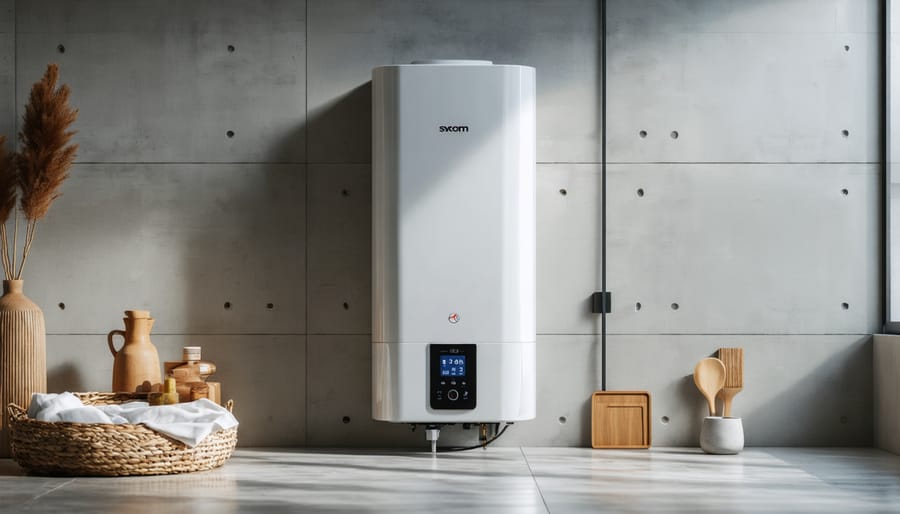
The most common appliance for Tariff 820 is your electric hot water system. These units heat water gradually throughout the night when electricity is cheapest, storing it for use the next day. Storage hot water systems with a capacity of 125 litres or more are ideal candidates.
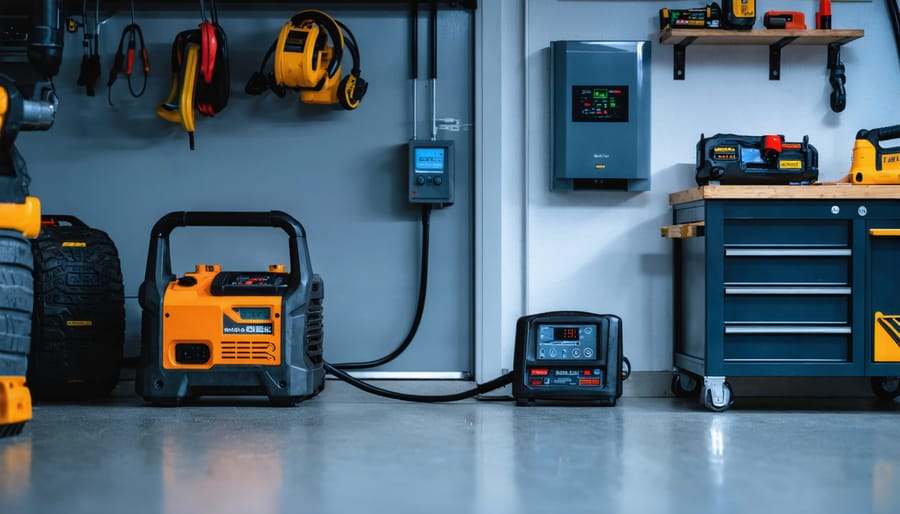
For tradespeople and DIY enthusiasts, workshop equipment can benefit significantly from controlled load tariffs. Battery charging stations for power tools work perfectly on this tariff since you can charge overnight and use during the day. If you run a workshop, consider connecting battery banks or tool charging setups to take advantage of lower rates.
Pool pumps and filtration systems are another excellent fit. These can run during designated off-peak periods, typically between 10 PM and 7 AM, keeping your pool clean without premium electricity costs. Most modern pool pumps have timers that align perfectly with Tariff 820 schedules.
Underfloor heating systems with thermal mass, like concrete slab heating, store warmth effectively and can heat overnight for daytime use. This makes them particularly suitable for garages and workshops where maintaining a comfortable temperature matters for both comfort and material storage.
Space heaters with storage capacity, slab heating in sheds, and even some industrial equipment can qualify if they operate independently from your main power supply. The key requirement is that the appliance must have its own dedicated meter and circuit, operating on a timer controlled by your electricity provider.
Remember, not every appliance qualifies. Refrigerators, freezers, and equipment requiring constant power throughout the day won’t work on controlled load tariffs since they need 24-hour access to electricity.
The Downsides: When Tariff 820 Isn’t Right for You
Before committing to Tariff 820, it’s important to understand where this setup falls short. Let’s be honest about the limitations.
The biggest challenge is the restricted operating hours. Your controlled load appliances only receive power during off-peak periods, typically late evening to early morning. If you’re planning a Sunday afternoon workshop session and rely on Tariff 820 for your space heater or workshop hot water system, you’ll be disappointed. The power simply won’t be available when you need it.
Not all appliances suit this arrangement either. Modern tankless water heaters, for example, need power on demand and won’t work on controlled loads. Similarly, if you’re running time-sensitive equipment or need consistent heating throughout the day, Tariff 820 creates complications rather than savings.
For homeowners with low electricity usage overall, the potential savings might not justify the installation costs. Adding a second meter and dedicated circuit requires an electrician, and these upfront expenses can take years to recoup if you’re only heating small amounts of water or running minimal equipment.
Renters face another hurdle since landlords must approve any electrical modifications. The investment won’t follow you when you move, making standard tariffs more practical for temporary living situations.
Finally, if your household already uses most electricity during off-peak hours naturally, you might achieve similar savings with a time-of-use tariff without the hassle of separate circuits and restricted access to certain appliances.
Making the Switch: Is It Worth the Investment?
Before committing to Tariff 820, you’ll want to crunch the numbers to ensure it genuinely delivers lower power bills for your specific situation.
Start with this simple calculation: Compare your current quarterly power bill against what you’d pay with Tariff 820 rates. Request a usage breakdown from your retailer showing when you consume electricity throughout the day. If more than 30% of your usage naturally occurs during off-peak times (10pm-7am weekdays, all weekend), you’re already a strong candidate.
Next, factor in installation costs. A dedicated meter typically costs between $200-$500, though some retailers offer free installation as a switching incentive. Divide this cost by your estimated quarterly savings to find your break-even point. For example, if installation costs $300 and you’ll save $75 per quarter, you’ll break even in four quarters.
Use this quick checklist for your decision:
– Do you regularly use power tools, compressors, or welders in your workshop?
– Can you shift washing, dishwashing, or pool pumps to off-peak hours?
– Are you home evenings and weekends to utilize cheaper rates?
– Will installation costs be recovered within two years?
If you answered yes to most questions, Tariff 820 likely makes financial sense. Contact multiple retailers for personalized quotes before making your final decision, as rates and installation deals vary significantly.
Tariff 820 offers a practical opportunity to reduce your electricity costs, particularly if you run a workshop, use power tools regularly, or operate equipment during off-peak hours. The key takeaway is simple: shifting your heavy power usage to controlled load times can deliver meaningful savings without compromising your productivity.
Before making the switch, take time to review your current electricity usage patterns. Check your recent bills to understand when you’re consuming the most power, and consider whether your workflow allows for flexible timing. If you’re running dust extractors, air compressors, battery charging stations, or heating systems that can operate outside peak hours, Tariff 820 could be an excellent fit.
Ready to take action? Contact your electricity retailer to discuss eligibility and installation requirements. Ask about any upfront costs for meter modifications and calculate your potential annual savings based on your typical usage.
We’d love to hear from our community about your experiences with Tariff 820. Have you made the switch? What savings have you noticed in your workshop or trade business? Share your insights in the comments below to help fellow DIYers and tradespeople make informed decisions about their energy costs. Your real-world feedback helps everyone in our community work smarter and more economically.
Related Posts