


Virginia’s first-time homebuyer programs can reduce your upfront costs by thousands of dollars through down payment assistance grants up to $15,000, below-market interest rate mortgages, and reduced closing fees. Start by checking your eligibility—most programs define “first-time buyer” as anyone who hasn’t owned a home in the past three years, with income limits typically ranging from $92,000 to $126,000 depending on your county and family size. The Virginia Housing Development Authority (VHDA) offers the most accessible options, including their signature loan program that allows down payments as low as 2.5% combined with grants that don’t require repayment if you stay in the home for specified periods.
Research your specific county’s offerings immediately, as many local housing authorities provide additional grants and tax credit programs that stack with state benefits. Complete a HUD-approved homebuyer education course before applying—this requirement actually works in your favor by preparing you for the process and often unlocks better loan terms. Calculate your debt-to-income ratio now using a simple formula: divide your total monthly debt payments by your gross monthly income. Most programs require ratios below 45%, but understanding yours helps you make necessary financial adjustments before applying. Document your employment history, tax returns, and savings statements for the past two years to accelerate approval once you identify the right program combination for your situation.
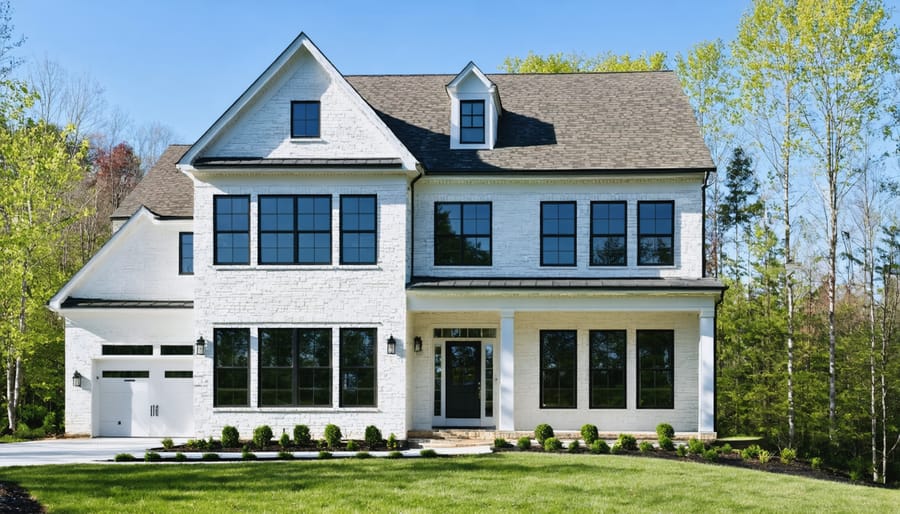
What Is the Virginia First-Time Homebuyer Program?
Who Qualifies as a First-Time Buyer
The definition of “first-time buyer” in Virginia’s homeownership programs is more flexible than many people realize. Generally, you qualify if you haven’t owned a principal residence within the past three years. This means even previous homeowners can access these benefits after a waiting period.
The Virginia Housing Development Authority considers you a first-time buyer if you meet one of these criteria: you’ve never owned a home, you’re a single parent who only owned with a former spouse, or you haven’t held ownership interest in a residence during the previous 36 months. Veterans may qualify regardless of prior ownership history, making these programs particularly accessible to those who’ve served.
Additionally, if you’re purchasing in a federally designated targeted area, the three-year rule doesn’t apply. These economically distressed communities welcome buyers with past ownership experience to help revitalize neighborhoods.
Documentation proving your status is straightforward. You’ll need to provide tax returns and a signed affidavit confirming your eligibility. Keep records organized from the start, as lenders will verify this information during the application process. Understanding these qualifications early helps you determine which programs suit your situation and prevents surprises down the road.
Key Benefits at a Glance
Virginia’s first-time home buyer programs offer practical advantages that make homeownership more accessible and affordable. These programs are designed to help you overcome common barriers to purchasing your first home, similar to benefits available through initiatives like the first home owners grant in other regions.
Down payment assistance stands out as a primary benefit, with eligible buyers receiving grants or low-interest loans that can cover up to 2.5% of the purchase price. This means less money needed upfront, making that initial investment more manageable.
Competitive interest rates through Virginia Housing programs often fall below conventional market rates, translating to lower monthly payments throughout your loan term. These reduced rates can save you thousands over the life of your mortgage.
Tax credits provide additional savings through the Mortgage Credit Certificate program, which allows you to claim a portion of your mortgage interest as a federal tax credit rather than just a deduction. This puts more money back in your pocket each year.
Combined, these benefits create a comprehensive support system that transforms homeownership from an overwhelming challenge into an achievable goal for Virginia residents.
Types of Assistance Available Through Virginia’s Program
Down Payment and Closing Cost Assistance
Virginia’s first-time home buyer programs offer several types of financial assistance to help you cover upfront expenses that often create the biggest barrier to homeownership. Understanding these options can make the difference between waiting years to buy or moving forward now.
The Down Payment Assistance Grant provides funds that you never have to repay. Through Virginia Housing, eligible buyers can receive up to 2.5% of the loan amount as a grant, which typically translates to $5,000-$7,500 depending on your home’s purchase price. This money goes directly toward your down payment or closing costs, reducing the cash you need at settlement.
For those needing more substantial help, forgivable loan programs offer larger amounts, usually 2-4% of the purchase price. These function as second mortgages with a crucial advantage: the loan balance forgives gradually over time if you continue living in the home. Most programs forgive the entire amount after five years of continuous occupancy, meaning you owe nothing if you stay put.
Local housing authorities throughout Virginia also provide their own assistance programs, sometimes stacking with state offerings. Some localities offer up to $15,000 in combined assistance, particularly in areas working to revitalize specific neighborhoods.
The combined effect significantly reduces your upfront cash requirement. Where conventional wisdom suggests needing $15,000-$20,000 to close on a $250,000 home, these programs can reduce that to $3,000-$5,000 or less. Real buyers regularly report closing with minimal savings beyond their emergency fund, making homeownership accessible sooner than they imagined possible.
Below-Market Interest Rate Loans
The Virginia Housing Development Authority (VHDA) offers mortgage loans with interest rates that typically sit below conventional market rates, which can translate into significant savings for first-time buyers. These competitive rates mean you’ll pay less interest over the life of your loan, potentially saving thousands of dollars compared to traditional mortgage products.
Here’s what this looks like in practical terms: a rate reduction of just 0.5% on a $250,000 mortgage could save you approximately $30,000 over a 30-year loan period. Your monthly payment would also drop by roughly $75-$85, making homeownership more manageable from day one.
VHDA secures these favorable rates through tax-exempt bonds and their mission-driven focus on making housing affordable. The rates vary based on your credit score, down payment amount, and the specific loan program you choose, but they consistently remain competitive with or better than conventional options.
It’s worth noting that these rates apply to fixed-rate mortgages, giving you predictable monthly payments throughout your loan term. This stability helps with long-term budgeting and protects you from potential rate increases that affect adjustable-rate mortgages. Many first-time buyers appreciate this predictability as they adjust to homeownership expenses.
Mortgage Credit Certificates (MCC)
The Mortgage Credit Certificate (MCC) program offers Virginia first-time buyers a dollar-for-dollar federal tax credit that reduces what you owe in income taxes each year. Think of it as getting money back on your tax return specifically because you own a home and pay a mortgage.
Here’s how it works in practical terms. The MCC converts a portion of the mortgage interest you pay into a direct tax credit. In Virginia, you can claim up to 50% of your annual mortgage interest as a credit, with a maximum of $2,000 per year. To put this in perspective, if you pay $8,000 in mortgage interest annually, you could receive a $2,000 tax credit (that’s the maximum allowed). This credit directly reduces your tax bill, which means more money stays in your pocket compared to a standard deduction.
The key difference from regular mortgage interest deductions is significant. Standard deductions reduce your taxable income, but a tax credit reduces your actual tax owed. For many homeowners, this translates to $1,500 to $2,000 in annual savings over the life of your loan.
You’ll apply for an MCC through participating Virginia lenders before closing on your home. The certificate remains valid for as long as you live in the property and maintain your mortgage. Keep in mind there’s typically a one-time fee ranging from $200 to $500 for processing. Most buyers find this upfront cost pays for itself within the first year through tax savings.
Eligibility Requirements You Need to Know
Income and Purchase Price Limits
Virginia’s first-time home buyer programs include income and purchase price limits that vary significantly depending on where you plan to buy. Understanding these variations is essential for determining your eligibility.
Income limits are tied to your area’s median income, which differs across the state. In Northern Virginia’s high-cost areas like Arlington and Fairfax counties, the income threshold can reach $146,200 for households of three or more people. Meanwhile, in more affordable regions such as rural Southwest Virginia, the limit might be around $98,900 for the same household size. Single-person households and two-person households typically have lower thresholds. These numbers reflect the reality that earning $100,000 goes much further in Roanoke than it does in Alexandria.
Purchase price limits work similarly. The Virginia Housing Development Authority sets maximum purchase prices based on whether you’re buying in a targeted area (typically rural or economically distressed regions) or a non-targeted area. For 2024, non-targeted areas have limits around $548,250, while targeted areas may allow purchases up to $822,375. These higher limits in targeted areas encourage homeownership where communities need economic development.
Why the variation? Virginia’s housing market isn’t uniform. A modest three-bedroom home in Charlottesville costs significantly more than a comparable property in Petersburg. The program adjusts limits to reflect actual market conditions, ensuring assistance reaches buyers across different economic landscapes. Check the Virginia Housing website or contact a participating lender to find your specific county’s limits, as they update annually based on federal guidelines and local housing data.
Credit Score and Financial Health
Most Virginia first-time home buyer programs require a minimum credit score between 620 and 660, though some FHA-backed options may accept scores as low as 580. Your credit score directly impacts your interest rate and loan approval chances, so reviewing your credit report before applying makes sense.
Lenders also examine your debt-to-income ratio (DTI), which compares your monthly debt payments to your gross monthly income. Most programs prefer a DTI below 43%, though some allow up to 50% with compensating factors like substantial savings or stable employment history.
Beyond credit scores, prepare documentation showing two years of steady income, current pay stubs, tax returns, and bank statements. If your credit needs improvement, paying down existing debts and correcting report errors can boost your score within months. Many community lenders offer free pre-qualification consultations to assess your financial readiness and suggest specific improvements before formal application.
Required Homebuyer Education
Virginia’s first-time homebuyer programs require completion of an approved homebuyer education course before you can access down payment assistance or favorable loan terms. These homebuyer education courses typically cost $75-$125 and can be completed online in 6-8 hours or through in-person workshops over several sessions.
The curriculum covers essential topics including budgeting for homeownership, understanding mortgage options, navigating the home search process, and maintaining your property. You’ll learn about hidden costs like property taxes, insurance, and routine maintenance that many first-time buyers overlook.
Approved providers include Virginia Housing, NeighborWorks, and HUD-certified counseling agencies. Upon completion, you’ll receive a certificate valid for two years that must be submitted with your loan application.
Beyond meeting program requirements, these courses genuinely prepare you for homeownership responsibilities. Previous participants report feeling more confident during negotiations and better equipped to budget for unexpected repairs. The knowledge gained helps you make informed decisions and avoid common pitfalls that can derail your homebuying journey.
Step-by-Step: How to Apply for Virginia’s Program
Find an Approved Lender
Not all lenders participate in Virginia’s first-time homebuyer programs, so finding an approved lender is essential to accessing down payment assistance, competitive interest rates, and tax credits. Start by visiting the Virginia Housing website, which maintains a searchable database of approved lenders organized by region. You can also explore working with a mortgage broker who specializes in first-time buyer programs and can connect you with multiple participating lenders.
During initial consultations, ask specific questions to ensure the lender understands your situation. Key questions include: What programs am I eligible for based on my income and location? What are the current interest rates and loan terms? Are there income or purchase price limits? What documentation will I need to provide? How long does the approval process typically take?
Many first-time buyers find it helpful to consult with two or three lenders to compare offerings. Pay attention to how clearly each lender explains the program requirements and whether they provide straightforward answers. The right lender will guide you through each step without overwhelming technical jargon, making your path to homeownership smoother.
Complete Your Homebuyer Education
Before applying for Virginia’s first-time homebuyer programs, you’ll need to complete an approved homebuyer education course. Most lenders require you to finish this training before submitting your loan application, so plan to take it early in your home-buying journey.
You have flexible options for completing the course. Online classes offer convenience, allowing you to work through materials at your own pace from home. In-person sessions provide face-to-face interaction with counselors and other first-time buyers, which many people find valuable for asking specific questions about their situations.
The course typically takes 6-8 hours to complete, whether you choose online or in-person formats. Online courses can be split across multiple sessions, making them easier to fit into busy schedules. In-person classes usually occur over one or two days.
Look for HUD-approved counseling agencies in Virginia to ensure your certificate meets program requirements. The course covers budgeting, understanding mortgage options, home maintenance basics, and avoiding foreclosure. Upon completion, you’ll receive a certificate valid for most assistance programs. Some courses charge fees ranging from free to around $100, though many agencies offer reduced rates based on income.
Submit Your Application and Documentation
Gathering your documentation before you apply will streamline the process and help you move forward confidently. Start with your personal identification documents, including a valid driver’s license or state ID, Social Security card, and proof of Virginia residency. You’ll need to provide two years of tax returns, recent pay stubs covering the last 30 days, and W-2 forms from the past two years. If you’re self-employed, prepare additional documentation like profit-and-loss statements and business tax returns.
Bank statements from the previous two to three months are essential to verify your assets and savings for the down payment and closing costs. Lenders will also request a complete employment history, including contact information for current and previous employers. Don’t forget documentation for any additional income sources, such as child support, alimony, or investment earnings.
Once you submit your complete application package, expect the initial review to take 3-5 business days. The full underwriting process typically ranges from 30-45 days, though this timeline can vary based on application volume and complexity. During underwriting, the lender verifies every detail of your financial situation, from employment stability to credit history. They may request additional documentation or clarification, which is completely normal.
Stay responsive throughout this period. Quick replies to underwriter requests can prevent delays and keep your application moving forward. Many first-time buyers find it helpful to maintain a dedicated folder with all documents organized and easily accessible. Remember, the underwriting team is working to ensure you’re set up for successful homeownership, not to create obstacles.
Real Costs: What You’ll Actually Pay Out of Pocket
While Virginia’s first-time buyer programs significantly reduce upfront costs, understanding what you’ll still need to pay helps you prepare realistically. Even with down payment assistance, several expenses require your own funds.
Earnest money typically runs between $500 and $2,000, depending on your purchase price. This deposit shows sellers you’re serious and goes toward your closing costs if the sale proceeds. You’ll write this check when your offer is accepted, so have it ready in your savings.
Home inspections cost between $300 and $500 but are worth every penny. These reveal potential issues before you commit, protecting you from expensive surprises. Budget for specialized inspections too—pest, radon, or septic inspections may add another $100 to $400 each.
Appraisal fees run $400 to $600 and verify the home’s value for your lender. While sometimes rolled into closing costs, you may need to pay this upfront. Ask your lender about their specific requirements.
Moving costs often catch buyers off-guard. Whether hiring movers ($800-$2,500) or renting a truck ($150-$500), plus boxes and supplies, plan for at least $1,000.
Immediate home expenses start day one. Stock up on basic tools, cleaning supplies, and potential emergency repairs. Setting aside $2,000-$3,000 for initial homeowner needs provides breathing room.
Total out-of-pocket costs typically range from $3,500 to $8,000 even with maximum assistance. Building this reserve alongside exploring smart investment strategies ensures you’re financially prepared. Consider opening a dedicated savings account six months before house hunting, automatically transferring funds each paycheck. This disciplined approach makes homeownership achievable without financial strain.
Common Mistakes First-Time Buyers Make (And How to Avoid Them)
Many first-time buyers in Virginia encounter preventable setbacks when pursuing homeownership assistance programs. Understanding these common pitfalls can save you time, money, and frustration.
One frequent mistake is delaying mortgage pre-approval until after house hunting begins. Getting pre-approved early establishes your budget and strengthens your position when making offers. Virginia’s assistance programs require specific lender participation, so connecting with an approved lender before searching prevents wasted effort on properties you can’t finance through the program.
Another oversight involves underestimating ongoing homeownership costs. First-time buyers often focus solely on down payment and mortgage amounts while overlooking maintenance expenses, property taxes, and homeowners insurance. Virginia’s assistance programs help with initial costs, but you need financial cushion for routine upkeep and unexpected repairs. Plan for approximately one to three percent of your home’s value annually in maintenance expenses.
Many applicants misunderstand program restrictions, particularly regarding property location and type. Some Virginia programs limit eligible properties to specific counties or exclude certain home types like condominiums without proper certifications. Review these restrictions before falling in love with a property that doesn’t qualify.
Buyers also rush through homeowner education requirements, treating them as formalities rather than valuable learning opportunities. These courses provide essential information about budgeting, maintenance, and avoiding common moving mistakes.
Finally, some applicants fail to compare multiple assistance options. Virginia offers various programs with different benefits, and taking time to evaluate which combination works best for your situation maximizes available support.
Homeownership in Virginia is more accessible than you might think. The state’s first-time home buyer programs are specifically designed to help individuals and families like you overcome common financial barriers, from down payment requirements to qualifying for competitive interest rates. The key to success isn’t having perfect credit or a massive savings account right away—it’s about taking that first step and committing to the preparation process.
Start by reviewing your eligibility for programs like the Virginia Housing Down Payment Assistance and the FHA loan options. Connect with a HUD-approved housing counselor who can provide personalized guidance based on your specific situation. These professionals have helped thousands of Virginians navigate the path to homeownership, and their insights can save you time and money.
Remember that education is your greatest tool. Attend homebuyer education courses, ask questions, and learn from others in your community who have successfully purchased their first homes. Many Virginia residents have shared their experiences through local housing workshops and online forums, offering real-world advice that complements the official program information.
Take action today. Whether that means checking your credit score, calculating your budget, or scheduling a consultation with a housing counselor, every small step moves you closer to holding your house keys.
Related Posts


Post a Comment