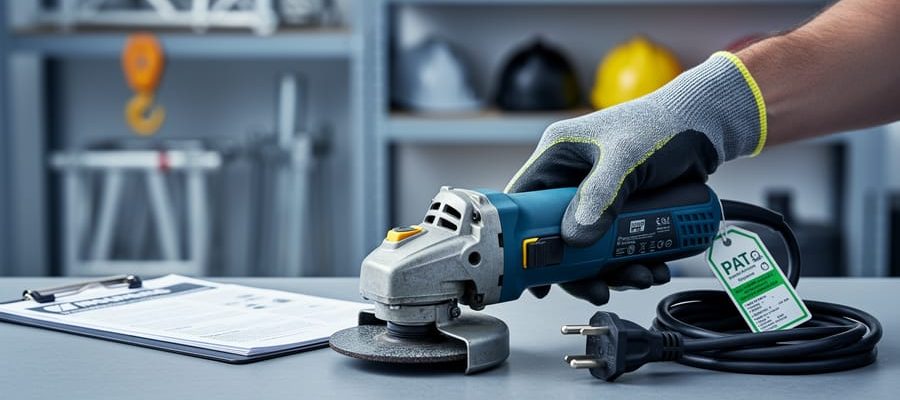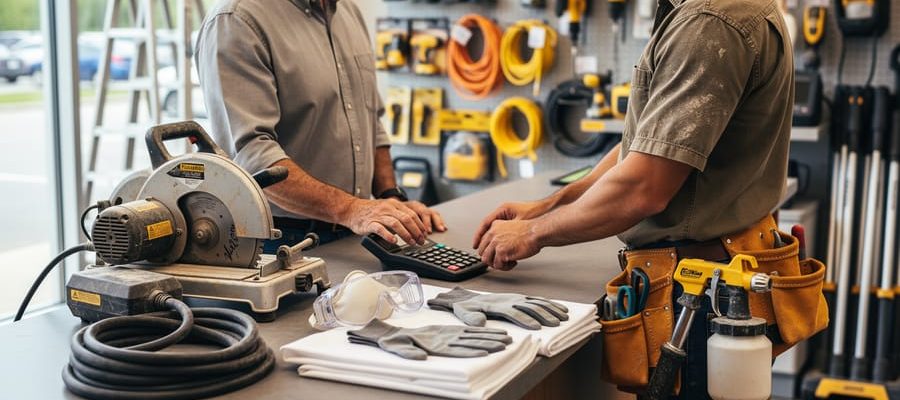
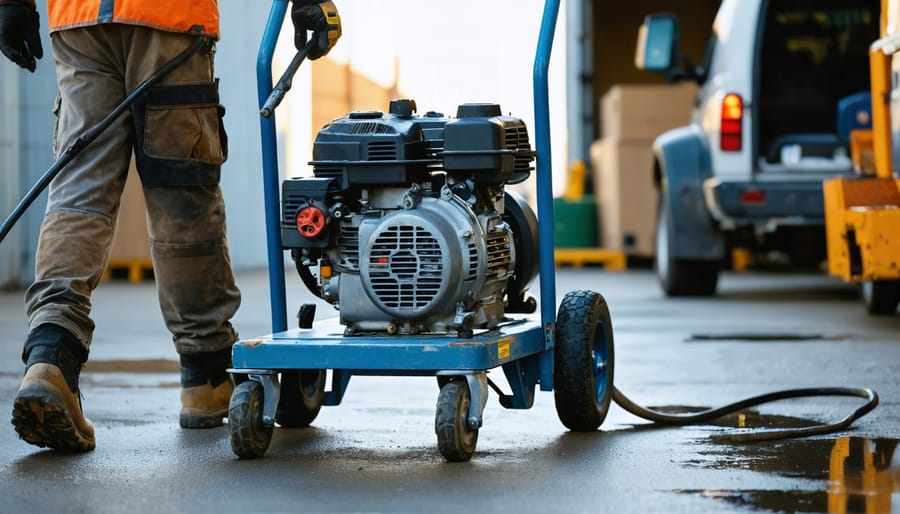
Infrastructure as a Service (IaaS) isn’t just a cloud computing buzzword—it’s the same principle that makes renting a jackhammer for a weekend project smarter than buying one you’ll use twice. Instead of investing thousands in equipment that sits idle in your garage, you access professional-grade tools exactly when needed, pay only for usage time, and avoid maintenance headaches entirely.
This rental model applies across countless scenarios. Consider the homeowner who needs a commercial-grade pressure washer for annual deck cleaning, the contractor requiring specialized concrete cutting equipment for a single project, or the DIY enthusiast tackling a kitchen renovation with tools they’ll never use again. Each situation demonstrates IaaS principles in action: accessing high-quality infrastructure without ownership burdens, scaling resources to match specific project demands, and converting large capital expenses into manageable operational costs.
The decision between renting and buying hinges on usage frequency, storage capacity, maintenance expertise, and project timelines. Equipment that you’ll use less than 10-15 times per year typically costs less to rent than own when factoring in purchase price, repairs, storage space, and depreciation. Professional tradespeople often rent specialized tools that fall outside their core services, while homeowners benefit from accessing contractor-grade equipment without the contractor-level investment.
Understanding real-world IaaS examples helps you make financially sound decisions, complete projects with the right tools, and avoid cluttering your workspace with rarely-used equipment that loses value the moment you buy it.
What Infrastructure as a Service Really Means for Tool Rental
If you’ve ever rented a pressure washer for a weekend or borrowed scaffolding for a home renovation, you’ve already experienced Infrastructure as a Service in action—you just didn’t know it had a fancy tech name. In the digital world, IaaS means companies rent computing power and storage instead of buying expensive servers. For tool rental, the concept is beautifully simple: you’re accessing the infrastructure you need without the headaches of ownership.
Think about it this way. When you need a concrete mixer for a driveway project, you don’t want to spend thousands purchasing equipment that’ll sit gathering dust in your garage for the next decade. With tool rental, you pay only for the days you actually use it. No maintenance costs when the motor needs servicing. No storage fees. No depreciation eating away at your investment. This is IaaS infrastructure scaling in its most practical form—accessing professional-grade equipment exactly when your project demands it.
The real magic happens when you consider the total cost of ownership. Purchasing a high-powered tile saw might set you back several hundred dollars, plus you’ll need space to store it, blades to replace, and eventual repairs. Rental flips this equation entirely. You get access to well-maintained, regularly serviced equipment without any long-term commitment. The rental company handles everything from storage to repairs to upgrades, while you simply show up, use what you need, and return it when finished.
This model particularly benefits both occasional DIYers tackling weekend projects and professional tradespeople managing seasonal workload fluctuations. Instead of capital tied up in equipment that sits idle, you maintain flexibility and cash flow. The infrastructure exists when you need it, disappears when you don’t, and someone else worries about keeping everything running smoothly.
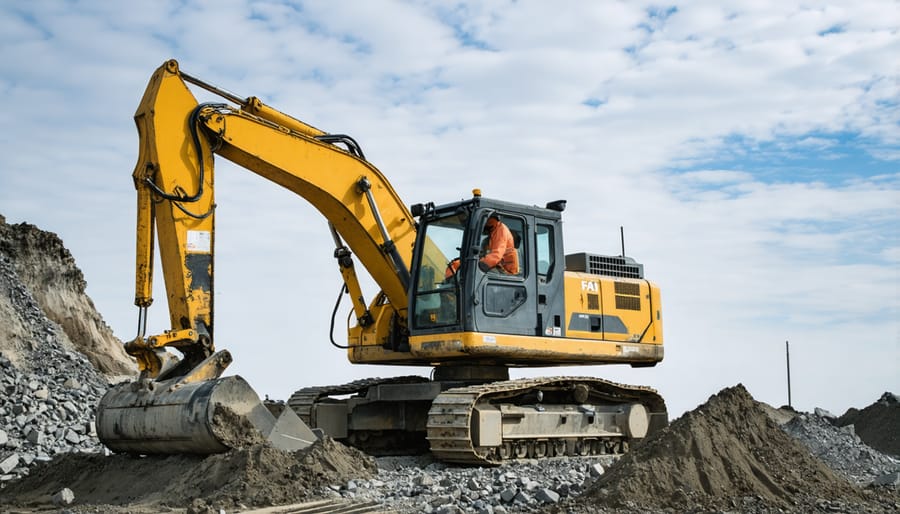
Heavy Machinery Rental: IaaS in Action on Construction Sites
Real-World Example: Scaffolding Rental for Home Renovations
When Sarah and Mike decided to repaint their two-storey home’s exterior, they faced a common dilemma: buy scaffolding for $2,800 or rent it for their three-week project. They chose rental at $180 per week, spending just $540 total and saving over $2,000. This decision perfectly demonstrates infrastructure as a service in action.
Local contractor James shares similar experiences: “For residential jobs, scaffolding rental makes complete sense. I’ve calculated that I’d need to use purchased scaffolding on at least fifteen jobs before breaking even. With rental, I only pay for what I need, when I need it, and the supplier handles maintenance and safety inspections.”
The cost comparison speaks volumes. Purchasing basic residential scaffolding costs between $2,500-$4,000, plus ongoing maintenance, storage space requirements, and safety certification expenses. Rental typically runs $150-$250 weekly, including delivery, setup guidance, and professional-grade equipment that meets current safety standards.
Community reviews consistently highlight additional benefits beyond cost savings. Users appreciate having access to proper equipment for construction site setup without long-term commitment, flexibility to extend rental periods if projects run over, and avoiding the hassle of storing bulky equipment after job completion. For occasional users and small contractors alike, scaffolding rental transforms expensive infrastructure into an affordable, accessible service.
What Professional Contractors Say About Equipment Rental
Professional contractors consistently highlight the cost-effectiveness and flexibility of equipment rental as game-changing for their businesses. Mike Torres, a commercial landscaping contractor from Oregon, shares: “Renting excavators and compactors lets me bid on larger projects without the overhead of ownership. I only pay for what I need, when I need it.”
Sarah Chen, who runs a small construction company, emphasizes the maintenance advantage: “No repair headaches, no storage fees, and I always get reliable, well-maintained equipment. It’s Infrastructure as a Service in action, though I never thought of it that way until now.”
The consensus among tradespeople is that rental makes financial sense for specialized equipment used occasionally. As veteran contractor James Rodriguez notes: “I own my daily tools, but for that demolition hammer or concrete saw I need twice a year? Renting wins every time.”
Key lessons from the community include always inspecting equipment before leaving the rental yard, understanding insurance coverage options, and building relationships with rental providers for better rates. Contractors also recommend booking popular equipment well in advance during peak construction seasons to ensure availability and secure competitive pricing.
Power Tools and Specialized Equipment: Access Without Ownership
The DIY Weekend Warrior’s Best Friend
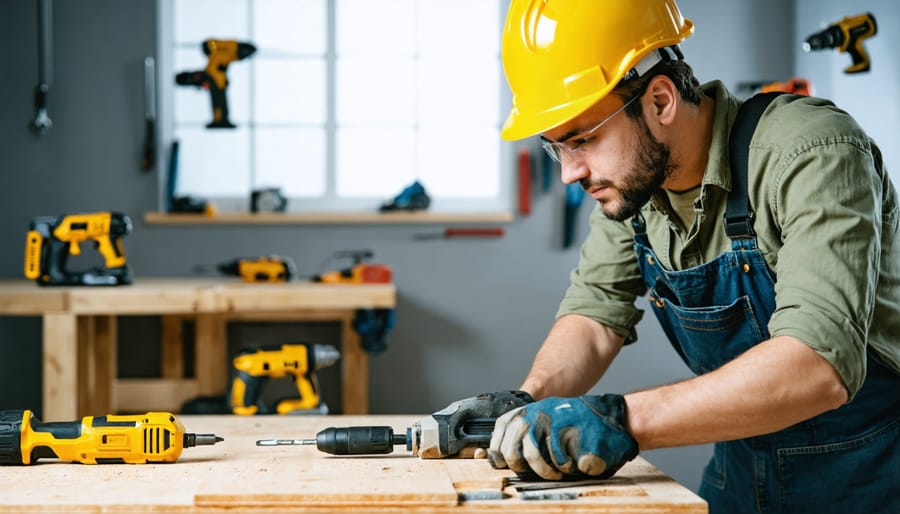
For weekend projects, renting specialized equipment makes perfect financial sense. Take tile cutters, for example. Whether you’re upgrading your bathroom backsplash or refreshing your kitchen floor, a quality wet saw rental costs around $50-70 per day versus $300-800 to purchase. You’ll get professional results on your one-time project without the storage headache.
Carpet cleaners represent another smart rental choice. Deep-cleaning your home’s carpets once or twice yearly doesn’t justify buying a $400 machine that sits in your garage. A rental runs about $30-40 per day, and many rental centers offer detailed tutorials to help first-timers achieve spotless results.
Paint sprayers transform tedious brush work into quick, professional-looking finishes. Renting a quality airless sprayer for $60-90 daily beats buying one for $200-600, especially for that single deck refinishing project or accent wall makeover.
Community reviews at rental centers help you choose the right equipment and avoid common mistakes. Users frequently share tips about which models work best for specific materials, proper technique guidance, and realistic timeframes for completing projects. This peer knowledge proves invaluable when you’re tackling something new, turning rental transactions into learning opportunities that build your DIY confidence.
Professional-Grade Tools for One-Off Jobs
Professional tradespeople routinely face a common challenge: specialized projects that demand expensive equipment they’ll rarely use again. Infrastructure as a Service principles solve this perfectly through equipment rental. Consider a contractor who needs a concrete grinder for a single warehouse floor restoration. Purchasing a professional-grade model costs $3,500-$8,000, while renting runs just $85-$150 per day. For a three-day project, that’s $450 maximum versus thousands in capital tied up.
Real-world examples highlight the savings. A plumber tackling a unique sewer line camera inspection can rent specialized locating equipment for $175 daily instead of buying a $6,000 system they’d use twice yearly. Electricians access boom lifts for overhead installations at $250-$400 daily rather than purchasing $30,000 equipment that sits idle between jobs.
This approach mirrors cloud computing’s pay-as-you-go model. You’re essentially accessing professional infrastructure without the ownership burden, including maintenance costs, storage fees, and depreciation. Community reviews from fellow tradespeople help identify which rental providers offer well-maintained equipment and transparent pricing. Many professionals report that strategic renting versus buying improves cash flow by 40-60%, allowing reinvestment in core business tools they use daily. The key is calculating your annual usage: if you need equipment fewer than 15-20 days yearly, renting typically wins financially.
Digital Platforms: The Technology Behind Modern Tool Rental Infrastructure
Modern tool rental has evolved far beyond the simple “walk in, sign out, return” model. Today’s rental infrastructure operates much like cloud-based Infrastructure as a Service (IaaS), where the technology platform does the heavy lifting behind the scenes, making access seamless for users.
At the heart of this transformation are digital booking systems that function 24/7. These platforms let you browse available equipment, check specifications, compare prices, and reserve tools from your phone or computer—anytime, anywhere. Just as IaaS provides computing resources on demand, rental platforms deliver access to physical tools when you need them, without the burden of ownership.
Real-time availability tracking is another game-changer. The system automatically updates inventory as tools are booked and returned, preventing double-bookings and showing exactly what’s available at each location. This transparency saves you the frustration of wasted trips and helps you plan projects with confidence. Many platforms now integrate GPS tracking for delivery vehicles, so you know precisely when your equipment will arrive.
Digital payment solutions streamline the entire transaction. Secure online payments, automated invoicing, and digital receipts eliminate paperwork while protecting your financial information. Some services even offer subscription models or credits for frequent renters, making budgeting simpler for ongoing projects.
The delivery and logistics infrastructure ties everything together. Coordinated scheduling systems optimize routes, reducing wait times and fuel costs. You can arrange delivery to your job site, home, or workshop, transforming your entire city into an accessible tool library.
Community-driven reviews integrated into these platforms help you make informed decisions. Real users share their experiences with specific tools and rental locations, highlighting performance, condition, and customer service quality. This feedback loop continuously improves the service, ensuring the infrastructure adapts to actual user needs rather than corporate assumptions about what renters want.
Safety, Maintenance, and Support: The Hidden Value of Service Infrastructure
When you rent tools or equipment, you’re not just paying for the physical item—you’re investing in a comprehensive efficient service infrastructure that prioritizes your safety and success. This hidden value is what separates professional rental services from simply borrowing a mate’s old drill.
Every piece of equipment leaving a reputable rental center has undergone rigorous safety inspections and preventative maintenance. Trained technicians check electrical systems, replace worn parts, and ensure all safety guards function properly. This means you’re working with tools in peak condition, reducing the risk of accidents or equipment failure mid-project.
Rental services provide comprehensive instruction manuals, safety guidelines, and operating procedures with each rental. These resources explain proper usage techniques, personal protective equipment requirements, and common hazards specific to that tool. First-time users particularly benefit from this guidance, as many rental centers offer hands-on demonstrations before you leave the shop.
Customer support represents another crucial infrastructure element. When questions arise—whether about operating procedures, troubleshooting issues, or safety concerns—experienced staff are available by phone or in-person. This real-time assistance prevents dangerous mistakes and keeps your project moving forward smoothly.
Community reviews and user-generated feedback further enhance this safety ecosystem. Fellow renters share their experiences, highlighting important safety tips, usage tricks, and potential challenges with specific equipment models. This collective knowledge helps you prepare properly and avoid common pitfalls.
The infrastructure also includes proper storage, cleaning, and sanitization between rentals, ensuring equipment arrives ready for safe operation. Insurance options and liability coverage add another protective layer, giving you peace of mind throughout your project. This comprehensive support system transforms equipment rental from a simple transaction into a complete service experience.
Cost Comparison: When Renting Beats Buying
Let’s break down the real numbers behind renting versus buying tools. Understanding these calculations helps you make smart decisions and avoid tying up money in equipment that sits idle most of the year.
Consider a pressure washer that costs $800 to purchase. You’ll also need to factor in storage space (perhaps $10 monthly if you’re tight on room), annual maintenance ($50 for hose replacements and nozzle cleaning), and the reality that it loses about 20% of its value each year. Over five years, your total investment reaches approximately $1,400 when you include depreciation and upkeep. If you only use it twice yearly for driveway cleaning, that’s $140 per use.
Compare this to renting the same pressure washer for $60 per day. Your annual cost totals just $120, saving you $1,160 over five years. The break-even point sits at around 13 rental days, meaning if you need the tool less than three times yearly, renting wins financially.
The calculation shifts for professional tradespeople. A contractor using a concrete mixer weekly would hit the break-even point within months. Here’s where understanding rental pricing strategies becomes valuable for both renters and those building rental businesses.
For specialty tools like tile saws or stump grinders, the math becomes even clearer. A quality tile saw costs $400-600 but rents for $45 daily. Unless you’re tackling three major tiling projects annually, ownership doesn’t make financial sense.
Don’t forget opportunity costs. That $800 invested in stocks historically returns about 10% annually, adding another $400 to the ownership cost over five years. Meanwhile, rental fees remain predictable and tax-deductible for business users.
The sweet spot for buying occurs when you’ll use a tool more than 15-20 times yearly, need it available instantly for emergency jobs, or can rent it to others when not in use yourself.
Understanding infrastructure as a service principles transforms how you approach your projects. Just as cloud computing allows businesses to scale resources without major capital investment, tool rental lets you access professional-grade equipment exactly when you need it. Whether you’re a weekend DIYer tackling a deck renovation or a contractor managing multiple job sites, renting provides the flexibility to match tools to tasks without the burden of ownership costs.
The key is making informed decisions. Consider the project scope, frequency of use, and storage capacity before committing to a rental or purchase. A concrete mixer might be essential for one project but sit unused for years afterward. High-end diagnostic equipment might be overkill for basic home repairs but crucial for professional work.
This is where community knowledge becomes invaluable. Your experiences help others navigate similar decisions. Share your tool rental reviews to guide fellow users toward reliable equipment and trustworthy rental providers. If you own tools available for rent, consider listing them to strengthen our community marketplace. Together, we create a resource that demystifies tool selection and empowers smarter project planning for everyone involved.
Related Posts