Imagine your house going into battle every single day against the sun, rain, and wind. What’s its main defence? It’s the roof. Your roof is the single most important barrier your home has—it’s not just there to keep you dry. A healthy roof stops water from rotting the structure underneath, keeps pests from moving in, and acts like a crucial layer of insulation that saves you money on energy bills. That’s why ignoring regular roof maintenance is like choosing to delay the inevitable, huge repair bill. A little bit of care now stops small, easy-to-fix problems from growing into massive, expensive disasters that force you to replace your entire roof years too soon!
Therefore, we’re gathered some important tips on how to maintain your roof in a good condition. Keep reading to find out more.
Check Your Roof Regularly
The first step to good roof care is knowing what shape your roof is in. You should check it twice a year—once when spring starts and once when fall starts. You don’t have to climb up there! Just use binoculars from the ground. Look for shingles that are broken, cracked, or missing. Check the metal pieces (flashing) around your chimney, vents, and skylights to see if they are lifting up or look rusty. Inside your house, look for water stains on the ceiling, which is a sure sign of a leak. Fixing these small things right away saves you a lot of money later.
Cleaning Gutters and Dealing with Moss
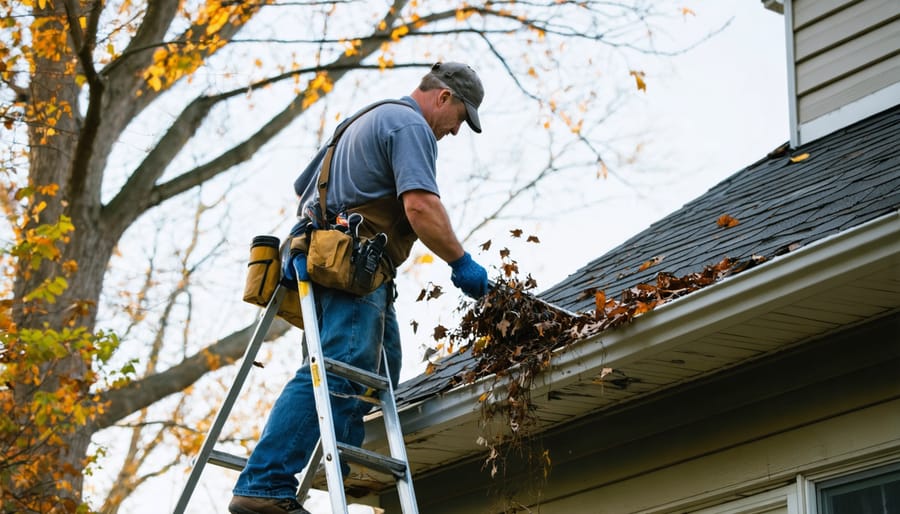
Clogged gutters are very dangerous for a roof. When leaves and junk block the gutters, water gets stuck and can sneak under your shingles, causing the wood to rot and leading to leaks inside your attic. You must clean your gutters at least twice a year. Another common issue is moss and algae, which grow on shady or wet parts of the roof. Moss holds moisture, lifting the shingles and making them rot faster. To stop it from growing back, you can install special strips of zinc or copper.
For some roof types, like those made of tile or metal, putting on a special coat of roof painting is a great way to help. Roof painting uses strong, specialised paint to seal the surface and creates a barrier that stops moss and algae from growing in the first place, adding years of protection.
Fixing Shingles and Flashing
Most roof leaks start because of broken shingles or damaged flashing. Shingles can break from wind, hail, or heat, and they often become loose or fall off completely. If you see lifted shingles, you can press them down using a bit of roofing cement. Missing shingles must be replaced right away to keep the wood underneath safe from water. The metal flashing around joints and edges (like by the chimney) is crucial. If the sealant around this metal cracks, water will get inside. Repairing flashing means putting new, high-quality roofing cement or caulk over any gaps. Taking care of these small details keeps your roof perfectly sealed.
Ventilation and Attic Health
Many roof problems actually start inside your attic, not on the outside. Good airflow in your atticis extremely important for a healthy roof. When air flows well, hot, moist air escapes in the summer. This stops your shingles from getting too hot and wearing out too fast. In the winter, good airflow stops moisture buildup, which prevents mould and rot on the wood frame. Make sure all your roof and attic vents are clean and open. If your attic gets too hot, the temperature extremes will burn up your shingles and force you to replace your roof years too early.
Making Sure Repairs Last
The total lifespan of your roof isn’t a matter of luck; it’s entirely determined by the small actions and smart choices you make today. When fixing something, commit to using quality roof paint that won’t fail next year, and always know your limits—if the damage is big, call a professional. Doing this ensures your home stays reliably protected and dry. Remember, consistent checking and quick, reliable fixes are the only way to avoid the shocking expense of a full roof replacement down the road. Prevention is always cheaper than the cure.
Don’t wait for the leak to remind you of this necessity! Take action right now: Schedule your next roof inspection this weekend, grab your binoculars, and commit to protecting your biggest and most important investment.
Related Posts