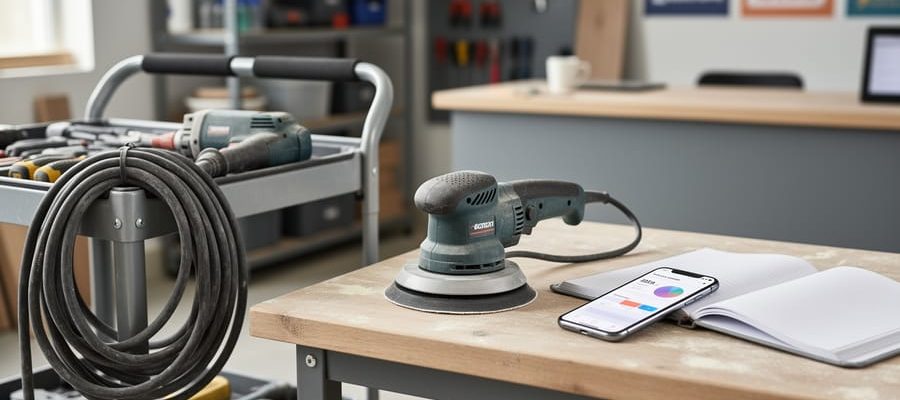

Assess whether your workshop actually needs 3-phase power by calculating your equipment’s total amperage draw—most home offices run perfectly well on standard single-phase service, which delivers 240 volts through two hot wires. Reserve 3-phase upgrades for situations where you’re regularly running industrial machinery like large compressors, CNC mills, or welding equipment that specifically requires three-phase power to operate efficiently.
Understand that 3-phase electrical service delivers power through three alternating currents offset by 120 degrees, creating a constant, smooth power flow that reduces motor wear and enables smaller wire sizes for the same power capacity. This configuration proves essential for heavy machinery but represents overkill for typical home office equipment like computers, standard power tools, and lighting.
Calculate upgrade costs honestly before committing—installing 3-phase service to a residential property typically ranges from $5,000 to $20,000 depending on your distance from the nearest 3-phase distribution line, with utility companies often requiring commercial rates that substantially increase monthly bills. Many tradespeople find that investing in 3-phase-to-single-phase converters or variable frequency drives for individual machines costs less than full service upgrades.
Consult with a licensed electrician who can evaluate your specific power requirements alongside your existing essential electrical tools and planned equipment additions. They’ll determine whether phase conversion equipment, upgraded single-phase service, or genuine 3-phase installation best serves your workspace needs while complying with local electrical codes and safety standards.
What Is 3-Phase Electrical Service? (The Plain-English Explanation)

How Single-Phase Power Works in Most Homes
If you’re reading this, chances are your home already runs on single-phase electrical service—the standard setup for Australian residential properties. This system delivers power through two wires: one active (or “hot”) wire and one neutral wire, providing 240 volts to run your everyday appliances, lights, and most power tools.
Think of single-phase power like water flowing through a single garden hose. It delivers electricity in a consistent wave pattern, which works perfectly for household needs like refrigerators, televisions, washing machines, and even smaller workshop equipment. Most DIY power tools and standard trade equipment are designed specifically for this setup.
When you flip on a light switch or plug in your drill, you’re drawing from this single-phase supply. The power comes from the street transformer, through your meter box, and into your switchboard where circuit breakers distribute it throughout your home. For routine electrical work and installations, qualified electricians use specialized professional electrician tools designed to safely handle single-phase systems.
This setup handles most residential demands efficiently and cost-effectively, but it has limitations when powering heavy machinery or running multiple high-demand tools simultaneously—which is where three-phase power enters the conversation.
The 3-Phase Difference: More Power, More Complexity
Three-phase electrical service delivers power through three separate conductors, each carrying alternating current that’s offset by one-third of a cycle. Think of it like having three pistons firing in sequence rather than just one—the power delivery becomes smoother and more constant.
Here’s where the real advantage shows up: a 3-phase motor running at 10 horsepower uses smaller wires and components than a single-phase motor doing the same work. That’s because the power is distributed across three conductors instead of being forced through just two. The result? Less heat, better efficiency, and equipment that runs cooler and lasts longer.
For heavy machinery like industrial table saws, air compressors, and welding equipment, 3-phase power provides the consistent torque needed for startup without the voltage dips you’d experience with single-phase. Many professional woodshops and metalworking facilities rely on this consistency to maintain precision and prevent equipment damage.
The tradeoff? The system requires more infrastructure—three hot conductors instead of two, specialized breaker panels, and compatible equipment. This complexity translates directly to higher installation costs and the need for experienced electricians who understand 3-phase configurations.
Does Your Home Office Actually Need 3-Phase Power?
Equipment That Demands 3-Phase Power
Not all equipment requires 3-phase power, but certain heavy-duty machines genuinely need it to operate efficiently and safely. Understanding which tools fall into this category helps you make informed decisions about electrical upgrades.
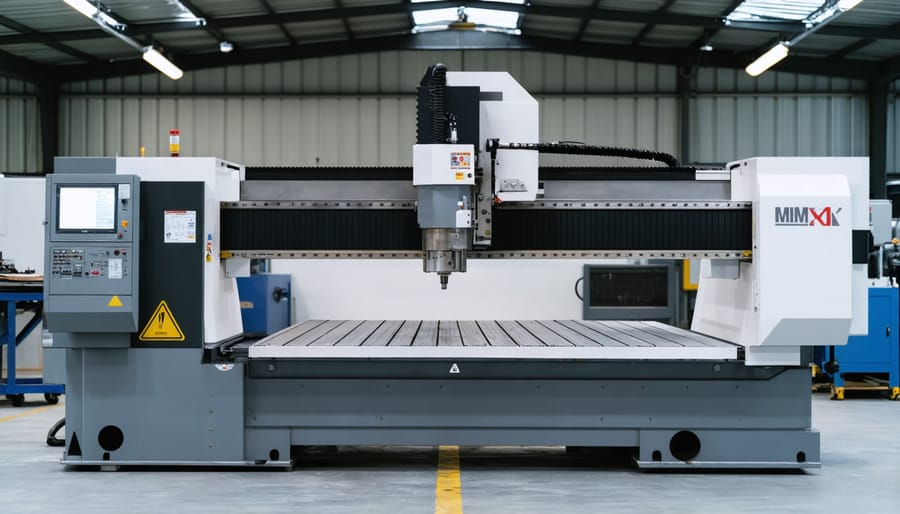
Industrial CNC machines top the list of equipment requiring 3-phase service. These computer-controlled cutting and milling machines draw substantial, consistent power to maintain precision during operation. Running a CNC machine on single-phase power isn’t just impractical—it’s often impossible without significant performance compromises.
Large air compressors, particularly those rated above 5 horsepower, typically need 3-phase connections. These workhorses power pneumatic tools in auto shops, woodworking facilities, and manufacturing environments. While smaller compressors work fine on standard household current, commercial-grade units demand the balanced power delivery that only 3-phase service provides.
Heavy-duty welding equipment, especially industrial MIG and TIG welders, often requires 3-phase power. These machines pull enormous amperage to create consistent, high-quality welds on thick materials. Professional welding shops and metal fabrication businesses rely on 3-phase service to run multiple welding stations simultaneously.
Other equipment commonly requiring 3-phase power includes industrial dust collection systems, large woodworking machinery like planers and jointers over 3 HP, commercial HVAC units, and printing presses. Grain elevators, conveyor systems, and industrial mixers also fall into this category.
Before investing in any major equipment purchase, always check the manufacturer’s specifications. The equipment nameplate will clearly indicate voltage requirements and whether 3-phase power is necessary. This simple step prevents costly mistakes and ensures your workspace can support your tools.
When Single-Phase Is Perfectly Fine
Before you rush into investigating three-phase power, here’s some good news: standard single-phase electrical service handles the vast majority of home office and workshop needs beautifully. If you’re running computers, monitors, printers, and typical office equipment, single-phase power is more than adequate.
Most homeowners and tradespeople working from home will never encounter limitations with single-phase service. Your everyday power tools—circular saws, drills, sanders, and even table saws designed for residential use—are engineered to run efficiently on standard household power. Even professional-grade equipment like welders under 200 amps, air compressors up to 5 horsepower, and workshop dust collection systems typically operate just fine on single-phase 240-volt circuits.
The key is understanding your equipment specifications. Check the nameplates on your tools and machinery. If they’re rated for 120V or 240V single-phase, you’re all set. Many tradespeople successfully run complete workshops on standard residential service by staggering their equipment use—not running multiple high-draw tools simultaneously.
For those interested in basic electrical work and optimizing their existing setup, strategic circuit planning and proper breaker sizing often solve perceived power shortages without expensive upgrades.
The Break-Even Point: Cost vs. Benefit
The financial justification for 3-phase service hinges on your specific equipment needs and operational frequency. As a general rule, if you’re running multiple high-horsepower machines simultaneously or operating equipment rated above 5 HP on a daily basis, the upgrade typically pays for itself within 2-3 years through improved efficiency and reduced operational costs.
Consider these practical benchmarks: A woodworking shop running a 7.5 HP table saw, dust collection system, and air compressor simultaneously will benefit immediately. Similarly, metalworking operations with welders, mills, and lathes see substantial returns. However, weekend DIYers using heavy equipment occasionally won’t recover the installation costs, which typically range from $2,000-$10,000 depending on your distance from the utility connection.
User feedback from our community consistently shows that tradespeople operating home-based businesses find the investment worthwhile, while hobbyists fare better with single-phase alternatives like rotary phase converters or VFDs for their occasional 3-phase equipment needs. Calculate your monthly equipment runtime hours and energy costs to determine your personal break-even timeline.
What Installing 3-Phase Power Actually Involves
Checking Availability in Your Area
Before investing time and money into a 3-phase upgrade, you need to confirm whether it’s even available at your location. Start by contacting your local utility company’s commercial or industrial service department. Don’t call the regular customer service line, as residential representatives may not have the technical information you need.
When you reach the right department, ask these specific questions: Is 3-phase power available on my street? How close is the nearest 3-phase transformer to my property? What’s the voltage configuration you offer (208V, 240V, or 480V)? Will you need to run new lines to my property, and if so, who pays for that installation?
Your property’s proximity to existing 3-phase infrastructure makes a huge difference. If a 3-phase line runs past your property, connection might be straightforward and affordable. However, if the utility needs to extend lines from several blocks away, you could face costs ranging from several thousand to tens of thousands of dollars.
Many utility companies offer free site assessments where a technician evaluates your property and provides a written estimate. Request this service before making any commitments. Also ask about wait times, as some areas have lengthy queues for 3-phase installations.
The Real Costs: Beyond the Meter
Understanding the true investment required for 3-phase service goes well beyond the monthly utility bill. The total cost typically ranges from $3,000 to $30,000, depending on several key factors that impact your specific situation.
The most significant variable is distance from the transformer. If the nearest 3-phase transformer sits within 100 feet of your property, you might pay on the lower end. However, if utility companies need to extend lines more than 300 feet, costs escalate quickly—sometimes $20-$50 per foot for trenching and cable installation alone.
Your electrical panel upgrade represents another major expense. Converting from single-phase to 3-phase requires a new service panel rated for three-phase power, generally costing $2,000-$5,000 for the panel itself plus installation. The complexity increases if your current panel location doesn’t accommodate the larger equipment footprint.
Licensed electrician labor adds $1,500-$4,000 to your budget, varying by region and job complexity. This includes running new conduit, wiring, and ensuring everything meets local electrical codes. Many jurisdictions require separate permits, adding $200-$800 in fees.
Utility company connection fees vary significantly between providers. Some charge flat rates of $500-$2,000, while others calculate based on load requirements or distance. Request written estimates from your local utility early in the planning process—some providers even offer cost-sharing programs for commercial or agricultural users that could reduce your out-of-pocket expenses by 30-50 percent.
Permits, Inspections, and Timeline
Getting 3-phase electrical service installed requires navigating several regulatory steps, but understanding the process helps set realistic expectations.
You’ll need to start by submitting an electrical service upgrade application to your local utility company and municipality. Required paperwork typically includes a completed application form, property survey showing where the service will be installed, load calculations prepared by a licensed electrician, and proof of property ownership. Most jurisdictions also require stamped electrical plans from a licensed professional, even if you’re handling some work yourself.
The inspection process involves multiple checkpoints. An initial plan review happens before any work begins. Once installation starts, expect inspections after trenching (if underground service is installed), after the service panel installation, and a final inspection before activation. Each inspection must pass before proceeding to the next phase, so factor in potential delays if corrections are needed.
Timeline-wise, plan for 8-16 weeks from application to activation under normal circumstances. The utility company review typically takes 2-4 weeks, permit approval another 2-3 weeks, and physical installation 1-2 weeks depending on complexity. Final activation scheduling with the utility can add another 2-4 weeks. Urban areas often move faster than rural locations, and winter weather or high demand periods may extend timelines. Community feedback suggests starting the process well before you actually need the service to avoid project delays.
Alternatives That Might Work Better for Your Home Office
Phase Converters: Bridging the Gap
If you don’t have 3-phase power but need to run industrial equipment, phase converters offer a practical workaround. These devices transform your existing single-phase supply into 3-phase power, eliminating the need for costly electrical service upgrades.
There are two main types to consider. Rotary phase converters use a motor-generator system to create genuine 3-phase power. They’re reliable, handle motor starting loads well, and work with multiple machines simultaneously. The downside? They’re expensive (typically $1,000-$3,000 depending on capacity), require regular maintenance, and waste some energy through heat generation. Static phase converters are simpler and more affordable ($200-$800), using capacitors to simulate 3-phase power. However, they only work with one machine at a time, reduce equipment efficiency by 15-30%, and aren’t suitable for loads requiring frequent starting and stopping.
When does a phase converter make sense? If you’re occasionally running a single piece of heavy equipment, a static converter paired with equipment rental costs might be more economical than a $10,000+ electrical upgrade. Rotary converters suit workshops with multiple 3-phase machines. According to community feedback, many tradespeople successfully use converters for table saws, lathes, and compressors.
The key consideration is equipment duty cycle. Converters work well for intermittent use but may struggle with continuous heavy loads. Always consult an electrician to ensure proper sizing and installation, as incorrect setup can damage expensive equipment or create safety hazards.
Upgrading Your Single-Phase Service
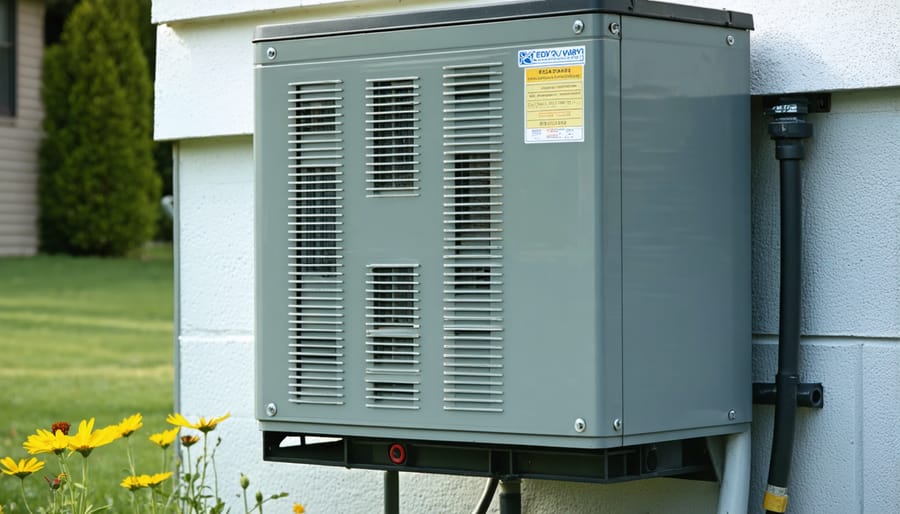
Before jumping to a 3-phase upgrade, consider whether boosting your existing single-phase service might solve your power problems at a fraction of the cost. Many homes built before the 1990s still have 100-amp service, which can struggle when running multiple high-draw tools or appliances simultaneously.
Upgrading from 100-amp to 200-amp single-phase service typically costs between $1,500 and $3,000, depending on your location and whether your existing electrical panel needs replacement. This upgrade doubles your available power capacity, allowing you to run more equipment without tripping breakers. For context, a 200-amp single-phase service provides about 48,000 watts of power—enough for most home workshops, even with welders, air compressors, and table saws.
The installation process is straightforward for licensed electricians. They’ll replace your main service panel and possibly upgrade the meter base and service entrance cable. Your utility company will need to disconnect and reconnect service, usually completing the work in one day. Most importantly, this upgrade doesn’t require trenching or infrastructure changes that 3-phase installations often demand.
According to feedback from our community members, roughly 80 percent found that upgrading their single-phase service eliminated their power capacity issues. One user reported running a full woodworking shop on 200-amp single-phase without problems. However, if you’re consistently operating multiple heavy-duty machines simultaneously—like in a professional metalworking shop—3-phase might still be necessary.
Consider your actual power requirements carefully. Calculate the running amperage of your equipment to determine whether a single-phase upgrade meets your needs before exploring more expensive options.
Safety Considerations You Can’t Ignore
Why This Isn’t a DIY Electrical Project
Let’s be direct: installing 3-phase electrical service is absolutely not a DIY project, regardless of your skill level. This work involves serious hazards that can result in electrocution, fires, or equipment damage worth thousands of dollars.
Beyond the obvious safety risks, there are compelling legal reasons to leave this to licensed professionals. In Australia, only qualified electricians with the appropriate licenses can legally perform 3-phase installations. Attempting this work yourself violates electrical regulations and can void your home insurance, leaving you personally liable for any accidents or damage. Your local council requires permits and inspections for this type of work, which only licensed contractors can obtain.
Three-phase systems operate at higher voltages and require specialized knowledge of load balancing, correct phase identification, and proper grounding techniques. Licensed electricians understand these complexities and have the right tools and electrical safety testing equipment to ensure your installation meets Australian Standards.
Even experienced DIYers who handle single-phase projects confidently should recognize that 3-phase work operates in an entirely different category of complexity and risk. Protect yourself, your property, and your loved ones by hiring qualified professionals for this critical upgrade.
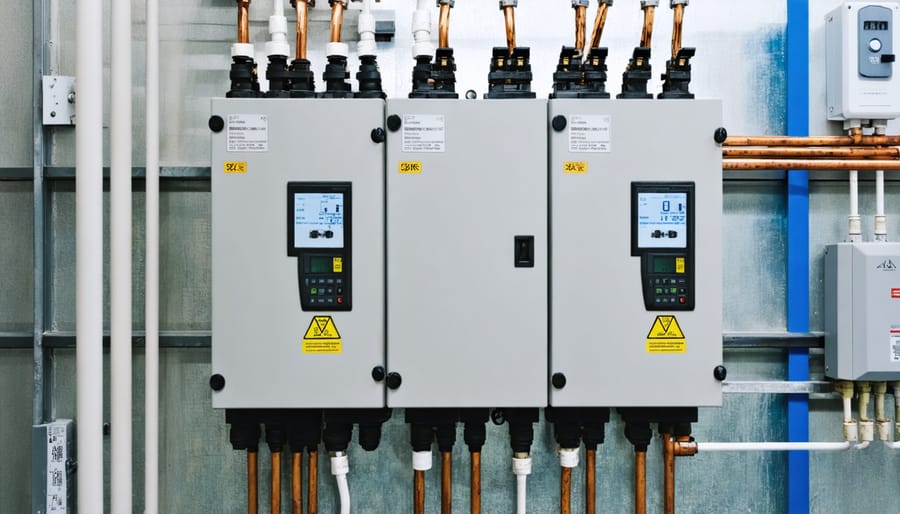
Operating 3-Phase Equipment Safely
Once your 3-phase system is up and running, following proper safety protocols is essential to protect yourself and extend your equipment’s lifespan. Always verify that machinery is correctly grounded before operation—improper grounding is a leading cause of electrical accidents with high-voltage equipment. Check that your equipment’s voltage rating matches your service (208V, 240V, or 480V), as mismatches can damage motors or create fire hazards.
Establish a regular maintenance schedule that includes inspecting power cables for fraying or damage, testing emergency stop buttons, and keeping equipment clean from dust and debris that can cause overheating. Never bypass safety interlocks or modify equipment without professional guidance. If you’re renting 3-phase tools, familiarize yourself with the manufacturer’s operating manual before use—each machine has specific safety requirements.
Lock out and tag out (LOTO) procedures are critical when performing maintenance. Always disconnect power at the breaker and use a voltage tester to confirm the circuit is dead before touching any components. Community feedback consistently emphasizes that taking these extra seconds prevents serious injuries and costly equipment damage.
Real-World Examples: Who Actually Uses 3-Phase at Home
To understand whether 3-phase power makes sense for your situation, let’s look at real homeowners and tradespeople who’ve actually made the upgrade.
Mike, a custom furniture maker in Oregon, installed 3-phase service two years ago to run his industrial table saw and dust collection system. “The installation cost me $4,200, which seemed steep at first,” he shares. “But my equipment runs noticeably smoother, and I haven’t tripped a breaker since. For anyone running a legitimate shop from home, it’s been worth every penny.” Mike notes that his existing single-phase tools still work fine using a phase converter, so he didn’t need to replace everything at once.
Sarah, an automotive restoration specialist, took a different approach. After getting a quote of $6,800 for 3-phase installation, she opted for a rotary phase converter instead. “I spent $1,400 on the converter for my lift and compressor. It works perfectly for my needs, and I didn’t have to deal with utility company paperwork or panel upgrades.” She recommends this route for anyone with just one or two pieces of 3-phase equipment.
contractor electrician James offers perspective from the installation side: “I see homeowners request 3-phase maybe twice a year. The ones who don’t regret it are serious professionals with multiple heavy machines. Hobbyists usually find they’ve overspent.” He emphasizes getting load calculations done first to ensure you actually need the capacity.
The common thread among successful upgrades? These users had clear business justifications, multiple pieces of equipment that benefited from 3-phase power, and they understood the long-term value. Community feedback consistently shows that casual users rarely need this upgrade, while full-time home shop operators find it transformative for workflow and equipment longevity. Before committing, calculate your actual equipment needs and explore whether phase converters or VFDs might serve you better at a fraction of the cost.
Here’s the reality: most home workshops and garages don’t need 3-phase electrical service. If you’re running standard power tools, a welder, or even a small compressor, your existing single-phase service is likely sufficient and far more cost-effective. But now you know exactly when the upgrade makes sense—when you’re consistently running industrial-grade equipment, operating multiple heavy machines simultaneously, or planning a professional shop that demands serious power efficiency.
The key decision factors come down to your actual equipment requirements, long-term plans, and budget for the $5,000 to $20,000 installation investment. Review your tool specifications, calculate your total load requirements, and honestly assess whether alternatives like phase converters or VFDs might better serve your needs at a fraction of the cost.
Before making any decisions, contact your local utility company to confirm 3-phase availability in your area and get a firm quote. Consult with a licensed electrician who can evaluate your specific situation and recommend the most practical solution.
We’d love to hear about your experience with 3-phase power or help answer questions about your particular setup. Have you made the upgrade? Are you considering it? Share your thoughts and challenges in the comments below—your insights help fellow DIYers and tradespeople make informed decisions about their workshop power needs.
Related Posts