

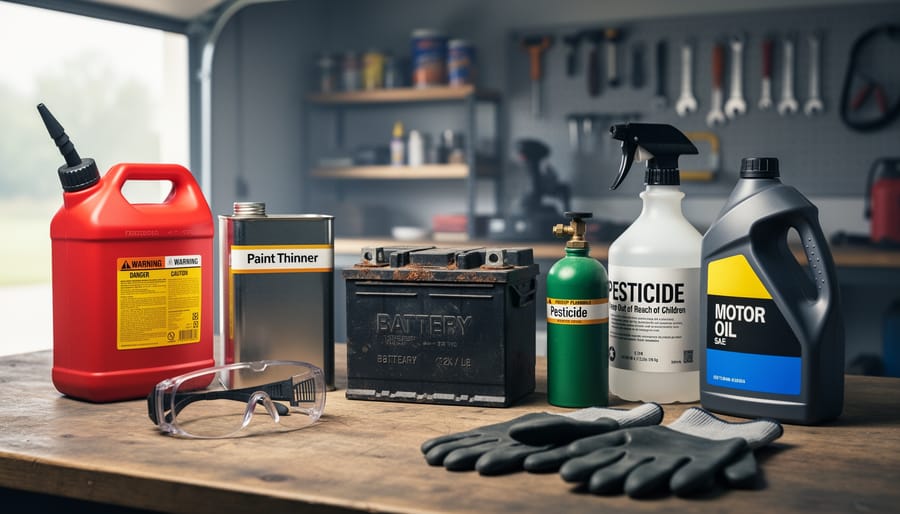
Check your garage, workshop, or job site right now for materials labeled with words like “flammable,” “corrosive,” “toxic,” or “reactive”—these signal hazardous materials that require special handling under federal and state regulations. Hazardous materials, or “hazmat,” are substances that pose risks to health, safety, property, or the environment during storage, use, or transportation. Whether you’re a weekend DIYer tackling a home improvement project or a professional tradesperson managing a worksite, understanding what qualifies as hazardous is essential for legal compliance and personal safety.
Common examples include paint thinners, certain adhesives, batteries, pesticides, cleaning chemicals, gasoline, propane tanks, oil-based products, and many automotive fluids you likely encounter regularly. The challenge isn’t just identifying these materials—it’s knowing your responsibilities once you do. Federal agencies like OSHA and the EPA mandate specific storage, labeling, and disposal requirements that apply even to small-scale users and residential settings.
This guide breaks down exactly what makes a material hazardous, how to recognize hazmat in everyday products through label symbols and Safety Data Sheets, and the practical steps you must take to handle and dispose of these materials legally. You’ll learn to distinguish between the four primary hazard classes, understand when professional disposal services are necessary versus safe home disposal methods, and avoid common mistakes that lead to fines, injuries, or environmental damage.
What Makes a Material ‘Hazardous’?
The Four Key Hazard Categories
Hazardous materials are classified into four main categories based on the specific dangers they pose. Understanding these categories helps you identify what you’re working with and handle it safely.
Ignitability refers to materials that can easily catch fire. These are probably the most common hazardous materials you’ll encounter in everyday work. Paint thinners, mineral spirits, acetone, gasoline, and many adhesives fall into this category. If you’ve ever used a spray paint can or cleaned brushes with solvent, you’ve worked with ignitable materials. The key identifier is a flashpoint below 140°F, meaning they can ignite at relatively low temperatures. Always store these away from heat sources and ensure proper ventilation when using them.
Corrosivity describes materials that can eat through metal, skin, or other materials through chemical action. Battery acid is the classic example, but you’ll also find corrosive properties in drain cleaners, rust removers, and certain concrete etching solutions. These materials typically have a pH below 2 or above 12.5. When handling corrosive substances, protective gloves and eyewear aren’t optional—they’re essential. Even small splashes can cause serious burns.
Reactivity covers materials that are unstable and can explode or produce toxic fumes when exposed to air, water, or other substances. While less common in typical DIY projects, some pool chemicals and old peroxide-based products fit this category. These materials often come with warning labels about mixing or storage requirements that should never be ignored.
Toxicity is perhaps the broadest category, encompassing materials that can poison humans or animals. Lead-based paints (common in homes built before 1978), pesticides, herbicides, and certain wood preservatives all qualify. Even some automotive fluids like antifreeze are highly toxic if ingested. These materials require careful handling and specialized disposal methods to prevent environmental contamination.
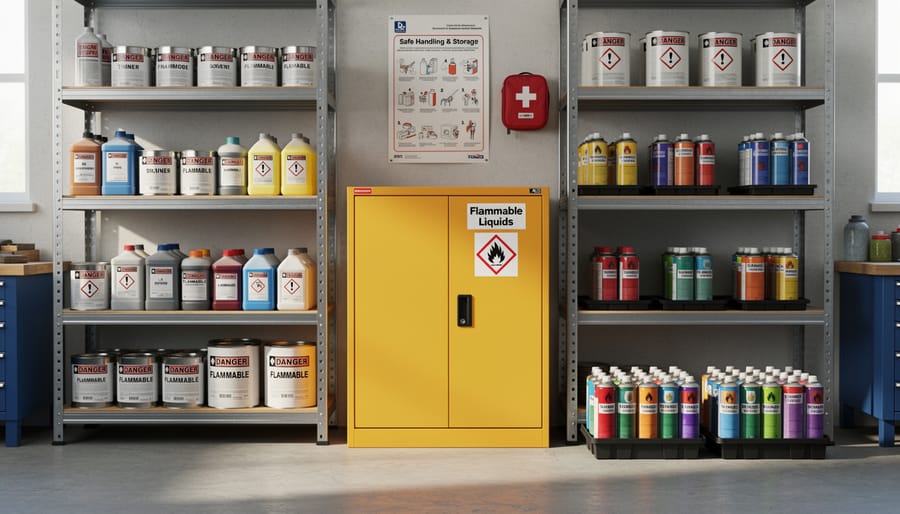
Common Hazardous Materials You’re Already Using
Paints, Solvents, and Coatings
That leftover paint in your garage or the can of varnish in your workshop isn’t just messy—it’s likely hazardous material. Oil-based paints, paint thinners, varnishes, lacquers, and chemical strippers all fall into this category, and understanding why matters for your safety and legal compliance.
These products earn their hazardous classification primarily because they’re flammable. The petroleum-based solvents they contain have low flash points, meaning they can ignite easily at relatively low temperatures. In enclosed spaces, their vapors can even create explosive conditions. Beyond fire risk, the volatile organic compounds (VOCs) they release can cause dizziness, headaches, and respiratory irritation with short-term exposure, while repeated contact may lead to more serious health effects.
Paint thinners and strippers are particularly concerning because they contain aggressive chemicals like methylene chloride, toluene, or acetone. These solvents can damage your nervous system and internal organs if absorbed through skin or inhaled regularly. Many products also carry corrosive properties that can burn skin on contact.
Water-based or latex paints are generally safer alternatives and typically don’t qualify as hazardous waste. When you’re planning your next project, check product labels for hazard symbols, flammability warnings, and disposal instructions. Never pour these materials down drains or throw partially full containers in regular trash—they require special disposal through household hazardous waste programs.
Adhesives and Sealants
Many common adhesives and sealants found in workshops and construction sites contain ingredients that classify them as hazardous materials. Epoxy resins, construction adhesives, super glues, and various caulks often include volatile organic compounds (VOCs) that release harmful fumes during application and curing. Some products also contain toxic solvents like toluene or xylene.
Check product labels for signal words like “danger,” “warning,” or “flammable,” which indicate hazardous properties. Products requiring ventilation or listing health hazards fall into this category. Many spray adhesives are particularly concerning due to their aerosol delivery and high VOC content.
Store these materials in well-ventilated areas away from heat sources, as many are flammable. Keep containers tightly sealed when not in use to prevent fumes from escaping. Never dispose of leftover adhesives down drains or in regular trash. Most communities offer household hazardous waste collection days for proper disposal. When working with these products, always use adequate ventilation and wear appropriate respiratory protection if recommended on the label.
Fuels and Lubricants
Petrol, diesel, motor oils, hydraulic fluids, and greases are all classified as hazardous materials due to their flammability and potential environmental impact. If you’re working with power equipment, generators, or machinery, you’re handling these substances regularly and need to understand proper storage and handling.
Petrol is particularly hazardous because of its high flammability and vapor ignition risk. Store it only in approved containers, away from ignition sources, and never exceed the legal limit for residential storage (typically 25 liters in proper containers). Diesel, while less volatile, still poses fire risks and can contaminate soil and water.
Motor oils and hydraulic fluids contain additives that make them toxic to aquatic life and difficult to clean up when spilled. Always store these in sealed, upright containers on impermeable surfaces to catch drips. Used oils are even more hazardous as they may contain metal particles and combustion byproducts.
When handling these materials, work in well-ventilated areas and keep absorbent materials nearby for spills. Never mix different fuel types or dispose of them down drains. Check with your local waste management facility for proper disposal locations, as most communities offer free hazardous waste collection days for residents and small businesses.
Batteries and Electronics
Batteries and electronics rank among the most commonly mishandled hazardous materials in workshops and homes. Lead-acid batteries, like those in vehicles and backup power systems, contain sulfuric acid that can cause severe burns and lead contamination if improperly disposed of. Lithium batteries, found in power tools, phones, and rechargeable devices, pose fire and explosion risks when damaged, punctured, or exposed to high temperatures.
Electronic waste including old computers, monitors, circuit boards, and fluorescent bulbs contains heavy metals like mercury, cadmium, and chromium. These materials can leach into soil and groundwater when thrown in regular trash. Most hardware stores and electronics retailers offer take-back programs for batteries and e-waste. Never toss these items in household garbage or attempt to incinerate them. Store damaged lithium batteries in sand or vermiculite containers away from flammable materials until proper disposal. Check with your local waste management authority for designated collection days and approved drop-off locations in your area.
Cleaning and Maintenance Products
Many everyday cleaning and maintenance products contain chemicals that classify them as hazardous materials. Common examples include degreasers, rust removers, oven cleaners, and drain cleaners. These products often contain corrosive substances like sodium hydroxide or sulfuric acid, which can burn skin and damage surfaces on contact. Rust removers typically include acids such as hydrochloric or phosphoric acid, while degreasers may contain petroleum distillates or other flammable solvents.
When using these chemical cleaners, always check the product label for hazard symbols and safety warnings. Look for words like “corrosive,” “toxic,” “flammable,” or “danger” to identify hazardous products. Store these items in their original containers, away from children and pets, and never mix different cleaning products as this can create dangerous chemical reactions. Proper ventilation is essential when using these cleaners, and always wear recommended protective equipment like gloves and eye protection.
Compressed Gases
Compressed gases include materials stored under high pressure that create serious explosion and projectile risks if containers are damaged or improperly handled. Common examples you’ll encounter are propane cylinders for grills and heaters, acetylene tanks used in welding, oxygen cylinders, and even everyday aerosol cans containing spray paint, lubricants, or household cleaners. These containers are classified as hazardous because sudden release of pressure can cause violent ruptures, turning the container into a dangerous projectile. Temperature changes also affect internal pressure, so never store compressed gas cylinders in direct sunlight, near heat sources, or in vehicles on hot days. Always transport cylinders upright and secured, check for proper labeling showing contents and hazard warnings, and inspect for visible damage like dents, rust, or valve problems before use. Even empty cylinders retain residual pressure and require the same careful handling as full ones.
How Hazardous Materials Are Regulated
Safety Data Sheets: Your First Line of Defense
Safety Data Sheets (SDS) are your go-to resource for understanding any hazardous material you’re working with. Think of them as detailed instruction manuals that manufacturers must provide for products containing hazardous substances. Every chemical product, from paint strippers to adhesives, comes with an SDS that breaks down exactly what’s in it and how to handle it safely.
Reading an SDS might seem overwhelming at first, but focus on these key sections: Section 2 identifies the specific hazards, Section 4 explains first aid measures if something goes wrong, Section 7 covers safe handling and storage, and Section 8 lists the personal protective equipment you’ll need. You’ll find hazard symbols, flash points, and exposure limits clearly spelled out in plain terms.
Why does this matter? An SDS tells you whether that cleaner in your garage is flammable, if those fumes are toxic, or if you need special gloves to handle a material safely. Before starting any project with chemicals or potentially hazardous products, take five minutes to locate and skim the SDS. Many manufacturers now provide them online if you’ve misplaced the original. This simple step can prevent accidents, health issues, and ensure you’re storing materials correctly according to regulations.
Recognizing Hazardous Material Warning Signs
Learning to read hazard labels is like understanding a universal safety language that can protect you and your family. Whether you’re reaching for paint remover in your garage or handling construction materials on a job site, recognizing these warning signs helps you make informed decisions about proper handling and storage.
The Globally Harmonized System (GHS) is the standardized labeling system you’ll encounter on most consumer and industrial products. These labels feature distinctive pictograms—red-bordered diamond shapes with black symbols inside. Each symbol tells a specific story: a flame indicates flammability, a skull and crossbones warns of acute toxicity, and a corrosion symbol (showing material eating through a hand and surface) alerts you to substances that can damage skin or eyes. You’ll also see an exclamation mark for general hazards, an exploding bomb for materials that can detonate, and a gas cylinder symbol for pressurized containers.
Beyond product containers, you might encounter diamond-shaped placards, especially on vehicles transporting hazardous materials or at commercial facilities. These National Fire Protection Association (NFPA) diamonds use a color-coded system with numbers from zero to four. Blue represents health hazards, red indicates flammability, yellow warns of instability, and white addresses special hazards like water reactivity.
When shopping for tools, cleaners, or materials, take thirty seconds to scan the label. Look for signal words like “Danger” (more severe) or “Warning” (less severe). Check for hazard statements that describe specific risks and precautionary statements explaining safe handling. Many DIYers and professionals in our community recommend photographing product labels before disposing of containers—this creates a handy reference for future purchases and helps you communicate accurately with waste disposal facilities or poison control if needed.
Safe Storage and Handling Best Practices
Storage Requirements That Actually Work
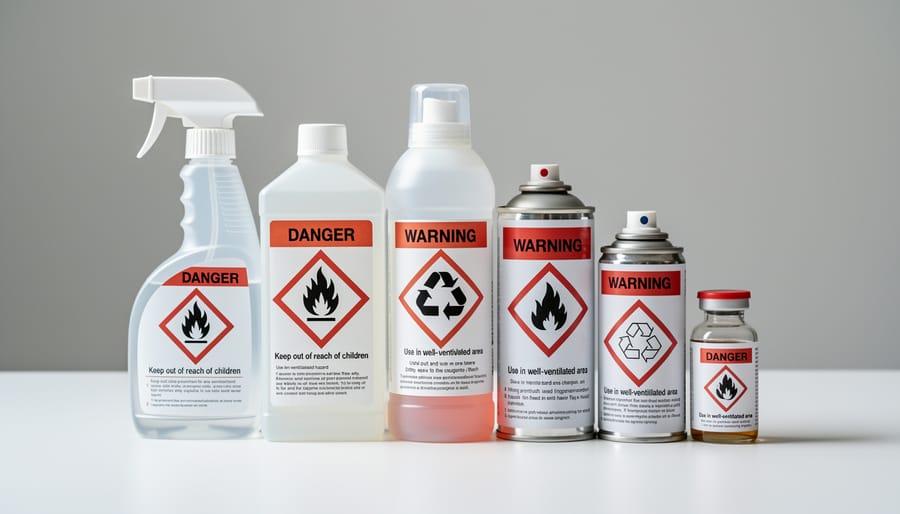
Storing hazardous materials correctly isn’t complicated once you understand a few key principles. Start with proper containers—always keep chemicals in their original packaging with labels intact, or transfer them to clearly marked, compatible containers. Metal paint cans, approved plastic jugs for solvents, and sealed containers for corrosives prevent leaks and maintain product integrity.
Ventilation is non-negotiable. Store flammable liquids and anything that produces fumes in well-ventilated areas, away from ignition sources. A workshop with good airflow or a dedicated storage shed with vents prevents dangerous vapor buildup. For safe gas cylinder storage, always secure cylinders upright and separated from other hazardous materials.
Segregation saves lives. Never store incompatible materials together—acids away from bases, oxidizers away from flammables, and reactive chemicals isolated from everything else. A simple rule: if two products could create toxic fumes, heat, or explosions when mixed, they need separate storage areas. Check product labels for specific incompatibility warnings.
Temperature control matters more than most people realize. Keep flammable liquids away from heat sources and direct sunlight. Many chemicals degrade or become dangerous when exposed to temperature extremes. A cool, dry location typically works best.
Finally, consider investing in proper storage solutions like lockable cabinets for flammables or acid-resistant shelving. These aren’t luxuries—they’re practical safety measures that prevent accidents and keep your workspace compliant with regulations.

Personal Protective Equipment Essentials
Working with hazardous materials requires proper personal protective equipment to keep you safe. The specific gear you need depends on the material you’re handling, but here are the essentials.
For chemical exposure, nitrile gloves offer excellent protection against most solvents and paints, while heavy-duty rubber gloves work better for acids and corrosive materials. Budget-friendly options start around $10-15 for reusable pairs. Eye protection is non-negotiable when working with splashing liquids or airborne particles. Safety goggles with side shields provide full coverage and cost between $15-30.
Respirators are critical when fumes or dust are present. For paint and solvent vapors, an organic vapor respirator with replaceable cartridges runs $30-50. Dust masks rated N95 or P2 handle particulates and cost just a few dollars each.
Protective clothing depends on your task. Chemical-resistant aprons protect against spills during mixing or pouring, while disposable coveralls work well for dusty demolition projects. Most community members recommend keeping a dedicated set of work clothes for hazardous material handling.
Always check the Safety Data Sheet for each material to confirm which PPE the manufacturer recommends for that specific product.
Disposing of Hazardous Materials Properly
Disposing of hazardous materials safely protects your health, your community, and the environment while keeping you compliant with local regulations. Here’s how to handle disposal responsibly.
Start by checking your municipality’s hazardous waste collection program. Most communities offer designated drop-off days or permanent collection centers where residents can bring materials like paint, solvents, batteries, pesticides, and automotive fluids at no charge or minimal cost. Visit your city or county website or call the public works department to find locations and accepted materials.
Many retailers also provide take-back programs. Hardware stores often accept old paint, and automotive shops may take used motor oil and batteries. Electronics retailers frequently collect old devices containing hazardous components. Some manufacturers offer mail-back programs for specific products like fluorescent bulbs or rechargeable batteries.
For businesses and tradespeople generating larger quantities, licensed hazardous waste haulers can collect materials directly from your location. While this service involves costs ranging from $100 to several hundred dollars depending on volume and material type, it ensures proper handling and provides documentation for compliance purposes.
Never pour hazardous materials down drains, toilets, or storm sewers. This contaminates water supplies and damages septic systems and treatment facilities. Similarly, never dispose of hazardous materials in regular trash bins, as this endangers sanitation workers and can cause fires in collection trucks or landfills. Don’t burn hazardous waste or bury it in your yard, as both practices release toxins into air and soil.
Before transporting materials for disposal, keep them in original containers when possible. If containers are damaged, transfer contents to leak-proof containers and label them clearly. Transport items in your trunk or truck bed, away from passengers, and keep them upright to prevent spills.
Many community members have shared helpful disposal tips through reviews and forums. Check local online groups for recommendations on convenient collection centers and upcoming hazardous waste events in your area. Taking these extra steps ensures you’re disposing of materials legally while protecting everyone around you.
Real Stories: When Hazmat Management Goes Wrong
Learning from real-world incidents helps us understand why proper hazardous material management matters. These aren’t scare stories—they’re practical reminders that simple oversights can have serious consequences.
A Melbourne home renovator stored leftover paint stripper and mineral spirits in unmarked containers in his garage. When his teenage son mistook the clear liquid for water while cleaning tools, the chemical reaction with water caused burns requiring medical attention. The incident cost thousands in medical bills and could have been prevented with proper labeling and storage.
In Sydney, a small cabinet-making workshop faced $15,000 in fines after inspectors discovered improper storage of lacquers and thinners near electrical equipment. While no fire occurred, the violation of safety regulations resulted in business closure until full hazardous materials remediation was completed—costing both money and reputation.
A Brisbane plumber shared on a community forum how pouring leftover drain cleaner down his workshop sink led to pipe corrosion and environmental contamination. The local council required professional cleanup and proper disposal, turning a five-minute shortcut into a week-long headache.
These scenarios share common threads: inadequate labeling, improper storage, and incorrect disposal. The good news? Each was preventable with basic hazmat knowledge. Understanding what materials you’re working with and following straightforward safety protocols protects your health, property, and wallet while keeping you compliant with regulations.
Hazardous materials are far more common in everyday workshop and home improvement activities than most people realize. From paint thinners and adhesives to batteries and cleaning solvents, these substances require our attention and respect. The good news is that recognizing what qualifies as hazardous material is the crucial first step toward creating a safer workspace for yourself, your family, and your community.
Now that you understand what makes materials hazardous and how to identify them, it’s time to take action. Walk through your garage, workshop, or storage area and audit what you currently have on hand. Check those product labels, look for hazard symbols, and organize your materials according to their safety requirements. Proper storage, handling, and disposal aren’t just about following regulations; they’re about protecting groundwater, preventing accidents, and being a responsible member of your community.
We’d love to hear from you. What hazardous materials have you discovered in your workspace? Have you implemented any clever storage solutions or disposal strategies? Share your experiences in the comments below or ask questions about specific materials you’re unsure about. Your insights help fellow DIYers and tradespeople navigate these important safety considerations together.
Related Posts


Post a Comment