Compare part numbers directly against your equipment manual before purchasing any aftermarket component. Yanmar aftermarket parts—replacement components manufactured by third-party companies rather than Yanmar itself—typically cost 20-40% less than OEM (Original Equipment Manufacturer) parts while offering comparable performance for most applications. Understanding the difference matters because you’re making a choice between brand loyalty and budget flexibility, and not every situation demands factory-original components.
Identify critical versus non-critical parts in your maintenance decisions. Engine internals like pistons, rings, and fuel injection components warrant closer scrutiny and often justify OEM investment, while external parts such as filters, belts, hoses, and wear items like cutting blades generally perform reliably as aftermarket alternatives. This distinction helps you allocate your maintenance budget strategically without compromising equipment safety or longevity.
Verify aftermarket suppliers through certifications and user reviews before committing to purchases. Look for ISO-certified manufacturers, parts that meet or exceed OEM specifications, and warranty coverage that demonstrates manufacturer confidence. Community feedback from other Yanmar owners provides real-world performance data that specification sheets cannot capture, revealing which brands deliver on their promises and which create more problems than they solve.
Cross-reference multiple suppliers to find the best combination of price, quality, and availability. The aftermarket landscape includes everything from budget imports to premium alternatives that sometimes outperform factory parts, so researching your specific part number across different vendors ensures you’re not overpaying or sacrificing quality unnecessarily.
What Makes Yanmar Equipment Worth Maintaining
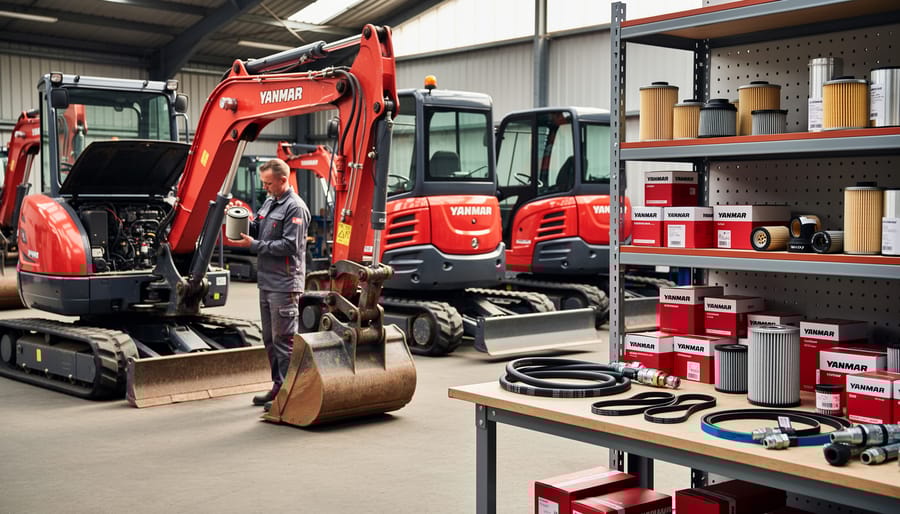
When it comes to reliable industrial machinery, Yanmar has built a reputation spanning over a century. This Japanese manufacturer produces a diverse range of equipment including compact excavators, wheel loaders, track loaders, generators, and diesel engines that power everything from construction sites to agricultural operations. Their equipment is found in rental fleets, on job sites, and in facilities across Australia, trusted for its performance in demanding conditions.
What sets Yanmar apart is their engineering philosophy focused on durability and fuel efficiency. Many operators report their Yanmar equipment running strong well past the expected lifespan when properly maintained. This longevity isn’t accidental. It’s the result of robust design, quality materials, and precision manufacturing. However, even the best-built machines require regular maintenance and eventual part replacement to keep performing at their peak.
This is where understanding your options for replacement parts becomes crucial. Whether you’re a tradesperson managing your own equipment, a rental business maintaining a fleet, or a facility manager responsible for generators and power systems, knowing how to source quality parts affordably directly impacts your bottom line and equipment uptime.
The good news is that Yanmar’s popularity means there’s a thriving market for both original equipment manufacturer (OEM) parts and aftermarket alternatives. Making informed decisions about which parts to choose requires understanding the differences, knowing what to look for in quality aftermarket options, and recognizing when OEM parts are worth the premium. This knowledge helps you balance cost savings with reliability, ensuring your Yanmar equipment continues delivering the dependable performance you’ve come to expect.
OEM vs. Aftermarket: Breaking Down Your Options
When Aftermarket Parts Make Perfect Sense
Aftermarket parts shine in several practical situations where they offer real value without compromising performance. For routine maintenance items like filters, belts, and seals that need regular replacement, aftermarket options deliver reliable performance at lower costs—making perfect financial sense over the equipment’s lifetime. If you’re managing older Yanmar machinery that’s already well past its warranty period, quality aftermarket components can extend its service life affordably. Many experienced operators have shared feedback that aftermarket parts work exceptionally well for non-critical systems where failure won’t create safety hazards or catastrophic breakdowns.
Budget constraints don’t have to mean compromising on keeping your equipment running. When you’re maintaining a fleet of rental equipment or managing tight project margins, strategic use of aftermarket parts can significantly reduce operating costs. The same principles apply whether you’re buying aftermarket excavator parts or sourcing components for smaller Yanmar engines. Consider starting with lower-risk components like guards, covers, or basic hardware to build confidence in your aftermarket suppliers before moving to more critical parts.
When to Stick with OEM
While aftermarket parts offer significant savings, there are situations where sticking with genuine Yanmar OEM parts makes better sense for your equipment and wallet in the long run.
If your equipment is still under warranty, using aftermarket parts could void that coverage. Always check your warranty terms before making the switch. Many manufacturers require OEM parts during the warranty period, and one non-compliant repair could leave you paying out-of-pocket for future covered repairs.
Safety-critical components deserve extra consideration. Parts like fuel injection systems, hydraulic components, and braking mechanisms should typically be OEM. These systems operate under precise specifications, and even slight variations can compromise performance or create dangerous situations on the job site.
High-stress applications also warrant OEM parts. If you’re running your Yanmar equipment in demanding conditions—heavy loads, extended hours, extreme temperatures—the engineering precision of original parts provides reliability you can count on. Construction professionals and rental businesses often find that OEM parts in critical systems reduce downtime and liability concerns.
Community feedback consistently shows that mixing strategies works best: use OEM for mission-critical components and aftermarket for wear items and accessories. This balanced approach maximizes both safety and savings.
Most Commonly Replaced Yanmar Parts
Filters and Fluids
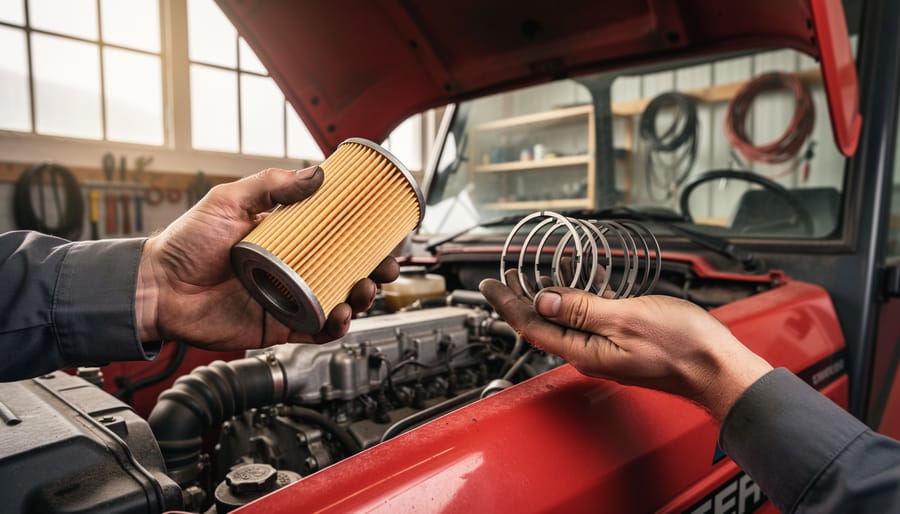
Filters and fluids are the unsung heroes of Yanmar equipment maintenance, and they’re where aftermarket parts really shine in terms of availability and savings. Oil filters, fuel filters, air filters, and hydraulic filters typically need replacement during routine service intervals, making them the most frequently purchased parts.
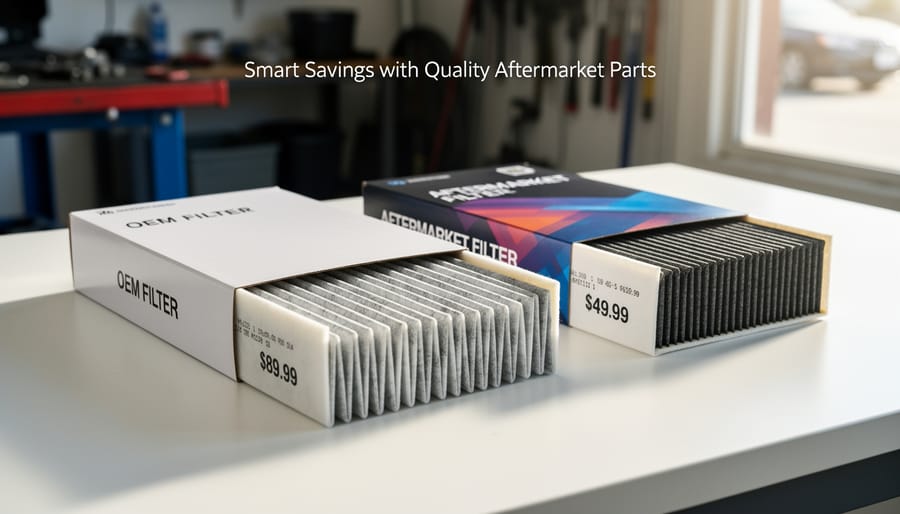
Aftermarket filters can cost 30-50% less than OEM options while meeting or exceeding original specifications. Many reputable aftermarket manufacturers use the same filtration media and construction standards as OEM suppliers. When selecting filters, check the micron rating (the size of particles it captures) and ensure it matches your equipment’s requirements. For example, hydraulic filters typically range from 10 to 25 microns.
Community feedback consistently shows that quality aftermarket filters perform reliably in real-world conditions. Look for brands that publish their ISO ratings and offer compatibility guarantees. Cross-reference part numbers carefully, as using an incorrect filter can lead to contamination or reduced flow rates. Many users report keeping detailed maintenance logs helps track filter performance across different brands, creating valuable data for future purchasing decisions.
Engine Components
Yanmar engines rely on several components that experience regular wear and tear. Belts and hoses are among the most frequently replaced items—drive belts transfer power to alternators and water pumps, while coolant and fuel hoses deteriorate over time from heat and pressure. Gaskets, particularly head gaskets and valve cover gaskets, seal critical engine components and prevent leaks but eventually compress and fail.
Water pumps circulate coolant to prevent overheating and typically need replacement every few thousand operating hours. Starter motors endure significant electrical and mechanical stress with each engine start, making them another common replacement part. Many equipment owners report success with quality aftermarket versions of these components at 30-50% savings compared to OEM parts.
When selecting aftermarket engine components, community feedback emphasizes checking material specifications and warranty coverage. Heat-resistant hoses, precision-machined gaskets, and starter motors with proper amperage ratings ensure reliable performance without compromising your Yanmar engine’s longevity.
Hydraulic and Electrical Parts
Hydraulic and electrical components are the unsung heroes of Yanmar equipment, working behind the scenes to ensure reliable operation. Hydraulic seals prevent fluid leaks that can quickly lead to power loss and costly damage. When choosing aftermarket seals, pay attention to material composition—quality options use nitrile or polyurethane compounds that match OEM specifications for temperature and pressure resistance.
Hydraulic cylinders convert fluid power into mechanical force for lifting, digging, and pushing tasks. Aftermarket cylinders can offer substantial savings, but verify bore diameter, stroke length, and mounting style match your exact model. Many users report success with mid-tier brands that provide detailed specifications and warranty coverage.
On the electrical side, switches and sensors monitor everything from oil pressure to engine temperature. These components fail more frequently than many realize, making them common replacement items. Look for aftermarket sensors with proper electrical ratings and connector types. Community feedback consistently highlights that spending a few extra dollars on quality electrical parts prevents troubleshooting headaches down the road. Always compare part numbers carefully, as even minor variations can affect compatibility and performance.
How to Spot Quality Aftermarket Parts
Finding quality aftermarket parts for your Yanmar equipment doesn’t have to be a guessing game. With the right approach, you can identify reliable components that deliver performance without breaking the bank.
Start by checking for industry certifications. Look for ISO 9001 certification, which indicates the manufacturer follows quality management standards. Parts meeting OEM specifications should clearly state this on packaging or product descriptions. Some aftermarket suppliers also obtain independent testing certifications from organizations like SAE International or equivalent bodies in their region.
Material specifications matter significantly. Quality aftermarket parts should match or exceed the original equipment specifications. Ask suppliers to provide material composition details, especially for critical components like filters, bearings, and gaskets. Reputable vendors will readily share this information, while hesitant responses should raise concerns.
Red flags to watch for include pricing that seems too good to be true. While aftermarket parts cost less than OEM, extremely low prices often indicate substandard materials or manufacturing shortcuts. Be wary of suppliers who cannot provide warranty information or return policies. Missing product documentation, vague country-of-origin details, or poorly translated packaging often signal questionable quality.
Before purchasing, ask suppliers these essential questions: What warranty coverage do you offer? Can you provide installation instructions specific to my Yanmar model? Do you have customer reviews or testimonials available? What is your return policy if the part doesn’t fit or fails prematurely?
Community feedback provides invaluable insights. Check user reviews on multiple platforms, not just the seller’s website. Pay attention to comments about fitment accuracy, longevity, and customer service experiences. Equipment forums and professional networks often contain honest discussions about specific aftermarket brands and suppliers.
Finally, consider starting with lower-risk components like filters or basic maintenance parts before committing to expensive engine components. This approach lets you evaluate a supplier’s reliability and product quality without major financial exposure.
Where to Source Reliable Yanmar Aftermarket Parts
Finding quality Yanmar aftermarket parts requires knowing where to look and how to evaluate your options. Several sourcing channels are available, each with distinct advantages and considerations.
Specialty machinery parts suppliers often provide the most reliable option for aftermarket components. These businesses focus specifically on equipment parts and typically employ knowledgeable staff who understand compatibility requirements. They often stock parts from reputable aftermarket manufacturers and can provide guidance on fitment. The main advantage here is expert support, though prices may be slightly higher than other channels. Before buying machinery parts, check if the supplier offers warranties or guarantees on their products.
Online marketplaces like eBay, Amazon, and specialized equipment parts websites offer convenience and competitive pricing. You’ll find extensive selection and can easily compare prices across multiple sellers. However, quality varies significantly, making supplier reputation crucial. Always check seller ratings, read customer reviews thoroughly, and verify return policies before purchasing. Look for sellers with consistent positive feedback specifically about part quality and accuracy.
Local equipment dealers sometimes carry aftermarket options alongside OEM parts. While selection may be limited, you benefit from immediate availability and the ability to inspect parts before purchase. Staff can also verify compatibility on the spot.
Agricultural and industrial supply stores represent another solid option, particularly for common maintenance items like filters and belts. These retailers often carry trusted aftermarket brands at reasonable prices.
Regardless of channel, prioritize suppliers with strong community reviews and transparent product information. Ask fellow equipment owners about their experiences, check online forums, and don’t hesitate to contact suppliers with compatibility questions. Remember that the cheapest option isn’t always the best value if quality suffers.
Real Cost Comparison: What You’ll Actually Save
Let’s look at real numbers to help you understand the cost savings you might achieve with aftermarket Yanmar parts.
For a Yanmar fuel filter (part number 129150-55710), OEM pricing typically runs between $45-$65. A quality aftermarket equivalent costs $18-$28, saving you roughly 50-60%. Oil filters show similar patterns, with OEM versions at $22-$30 versus aftermarket options at $12-$18.
Bigger ticket items reveal even more substantial differences. A Yanmar alternator replacement might cost $450-$650 from the dealer, while aftermarket alternatives range from $180-$320. That’s potentially $300+ back in your pocket. Starter motors follow suit: OEM parts command $380-$550, whereas aftermarket versions sit at $150-$280.
However, it’s important to be realistic about what you’re getting. Premium aftermarket parts from reputable manufacturers often match OEM quality and come with solid warranties. Budget options save more money upfront but may have shorter lifespans or require earlier replacement.
Community feedback suggests a practical approach: use premium aftermarket parts for critical engine components like injectors and water pumps, where reliability matters most. For less critical items like filters and belts that you replace regularly anyway, budget aftermarket options work perfectly fine.
Over a year of routine maintenance, switching to quality aftermarket parts can save equipment owners 40-50% without compromising performance. For rental businesses managing multiple machines, these savings add up quickly while maintaining the reliability your customers expect.
Installation Tips and Safety Considerations
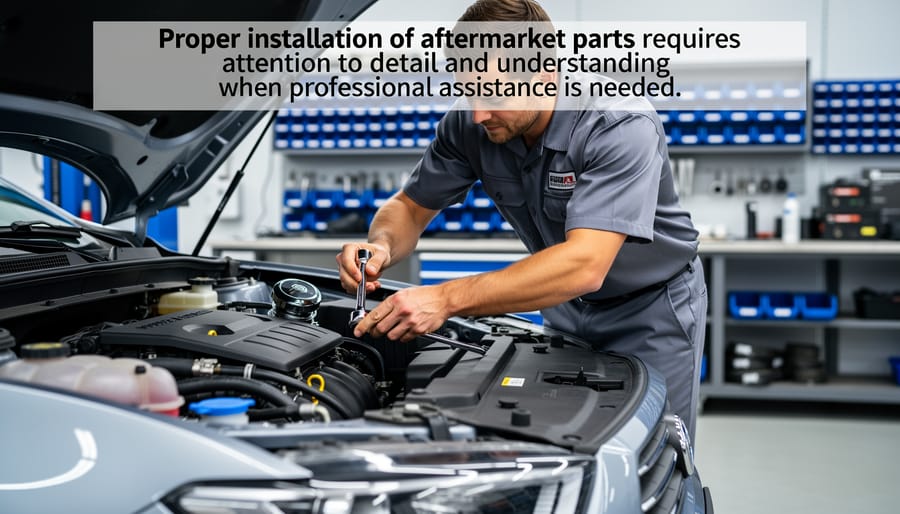
Installing Yanmar aftermarket parts can be straightforward for many components, but success depends on proper preparation and knowing your limits. Before starting any installation, always consult your equipment’s service manual and gather the necessary tools. Many users in our community report successful DIY installations of air filters, fuel filters, belts, and basic electrical components with just standard hand tools and patience.
For simpler replacements like filters and belts, the process typically involves removing protective covers, releasing tension mechanisms, and swapping old parts for new ones. Always photograph or label connections before disassembly—this simple step has saved countless DIYers from reassembly headaches. When installing fuel system components, ensure the engine is cool and work in a well-ventilated area away from ignition sources.
However, certain installations require professional expertise. Engine rebuilds, hydraulic system repairs, injection pump work, and electrical system overhauls involve specialized tools and knowledge. If you’re uncertain about torque specifications, valve adjustments, or timing procedures, calling a qualified technician prevents costly mistakes. The money saved on labor rarely compensates for damaged equipment or voided warranties.
Essential safety considerations include disconnecting batteries before electrical work, properly supporting equipment with jack stands, wearing appropriate protective equipment, and never bypassing safety interlocks. Keep a fire extinguisher nearby when working with fuel systems.
Post-installation troubleshooting often involves checking for proper fitment and secure connections. If your engine runs rough after filter replacement, verify you’ve removed all protective caps and properly seated components. Unusual noises might indicate incorrect belt tension or misaligned parts. Leaks typically signal loose connections or missing gaskets—double-check torque specifications and use manufacturer-recommended sealants. Community members frequently share troubleshooting experiences, so don’t hesitate to seek advice when problems arise.
Choosing Yanmar aftermarket parts doesn’t have to be a gamble when you approach it strategically. The key is finding that sweet spot between cost savings and quality assurance. Remember, the cheapest option isn’t always the most economical in the long run if it leads to premature failure or additional downtime.
Start by identifying reputable suppliers who stand behind their products with warranties and return policies. Check community reviews from other equipment owners who’ve tested these parts in real-world conditions. Their experiences can save you from costly mistakes and point you toward reliable options that deliver genuine value.
Whether you’re managing a rental fleet or maintaining your own equipment, prioritize parts that directly affect safety and performance. It’s perfectly reasonable to opt for aftermarket filters and gaskets while choosing OEM for critical engine components.
Before making your purchase, take a moment to share your own experiences with aftermarket parts in the comments below. What brands have worked well for you? Which ones should others avoid? Your insights help build a stronger, more informed community where everyone benefits from collective knowledge and real-world testing.
Related Posts