Assess whether your electrical emergency truly requires immediate action or can wait until morning. Power outages affecting your entire home, burning smells from outlets or panels, sparking wires, or any situation involving water contact with electrical systems demand calling a licensed emergency electrician immediately—no rental tool can substitute for professional expertise in life-threatening scenarios.
For manageable after-hours situations like a single tripped circuit you can’t reset, a failed GFCI outlet, or a loose wire connection in a light fixture, emergency tool rental becomes a viable cost-saving option. Most 24-hour tool rental locations and some big-box home improvement stores stock essential electrical testing equipment including voltage testers, circuit analyzers, wire strippers, and insulated tool sets. Expect to pay $15-40 for a 4-hour emergency rental versus $200-500 for an after-hours electrician callout.
Understand your legal and safety boundaries before proceeding. Many jurisdictions restrict homeowners from performing certain electrical work without permits, and your insurance may not cover damages from DIY electrical repairs. Always shut off power at the breaker panel before any repair work, test circuits with a non-contact voltage tester even after shutting off breakers, and never work on service panels, meter boxes, or anything upstream of your main breaker.
This guide combines insights from experienced electricians, DIY community feedback, and real-world rental experiences to help you make informed decisions about emergency electrical tool rentals. Your safety and your home’s electrical integrity depend on knowing when to rent, when to wait, and when to call a professional regardless of cost.
Understanding When to Rent vs. When to Call
Red Flags That Demand a Professional Now
Certain electrical emergencies are absolute no-go zones for DIY work, regardless of which tools you can access. If you see sparks shooting from outlets, switches, or your electrical panel, shut off power at the main breaker and call a licensed electrician immediately. The same applies to any burning smell coming from electrical fixtures or wiring, as this indicates overheating that could ignite a fire within minutes.
Exposed wires present serious electrocution risks and require professional attention, especially if they’re live. Never attempt repairs yourself. Water contact with electricity creates life-threatening situations. If your electrical panel, outlets, or appliances have been flooded or are actively wet, stay clear and contact emergency services.
Other red flags include repeatedly tripping breakers, buzzing sounds from electrical equipment, scorch marks around outlets, or any situation where you feel unsure about safety. Emergency electricians carry proper safety equipment, testing devices, and insurance coverage that rental tools simply cannot replace. Your safety is worth the callout fee.
Situations Where Emergency Tool Rental Makes Sense
Emergency tool rental becomes particularly valuable in specific late-night scenarios that fall within the safe DIY category. When you’ve tripped a breaker repeatedly and suspect a specific circuit problem, renting a circuit analyzer or multimeter helps identify which outlet or switch is causing the issue, allowing you to isolate the problem circuit until morning. Similarly, if you’re experiencing intermittent power loss in certain rooms, a non-contact voltage tester rental lets you safely check outlets and switches without touching live wires.
Renting GFCI outlet testers makes sense when outlets near water sources have stopped working, helping you determine if a safety device has failed. For homes without whole-house surge protection, renting surge protector strips during severe weather provides temporary equipment protection.
Another practical scenario involves using rental-grade inspection lights and extension cords to create safe temporary lighting solutions when circuit problems have left portions of your home dark. These tools bridge the gap until professional electricians can perform permanent repairs during business hours.
Remember, these situations assume you’ve already ruled out emergencies requiring immediate professional attention, such as burning smells, sparking, or exposed wiring.
Essential Emergency Electrical Tools Available for After-Hours Rental
Diagnostic Equipment
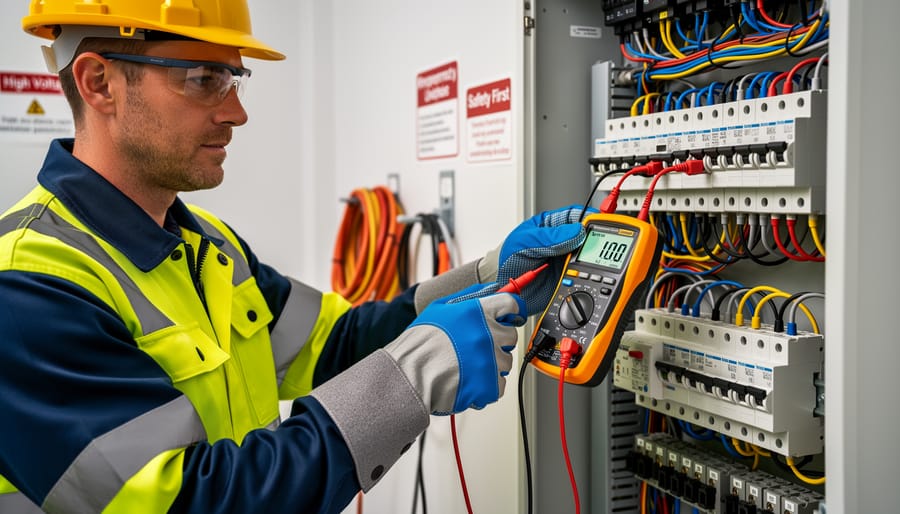
Before attempting any electrical work, you need accurate diagnostic equipment to identify problems without making physical contact with live components. Think of these tools as your electrical investigation kit—they let you see what’s happening behind walls and inside panels while keeping you at a safe distance.
Multimeters are the foundation of electrical diagnostics. These handheld devices measure voltage, current, and resistance, helping you confirm whether circuits are live, dead, or partially functioning. When renting, look for auto-ranging digital models that adjust settings automatically—they’re more forgiving for occasional users. Most rental centers offer basic tutorials, so don’t hesitate to ask for a quick demonstration before leaving the counter.
Voltage testers provide a simpler, faster way to check if power is present. Non-contact voltage testers (often called voltage sniffers) alert you through lights and sounds when brought near live wires, even through insulation. They’re essential for verifying you’ve shut off the correct breaker before touching anything.
Circuit tracers solve the frustrating problem of identifying which breaker controls which outlet or fixture. These two-piece systems include a transmitter you plug into an outlet and a receiver that tracks the signal back to your electrical panel—invaluable when circuit labels are missing or incorrect.
Thermal imaging cameras detect hot spots that indicate overloaded circuits, loose connections, or failing components. While pricier to rent, they reveal invisible problems before they become dangerous. Community members frequently mention these cameras catching issues professional electricians might have otherwise missed during standard inspections.
Emergency Power Solutions
When power goes out during emergency repairs or outages strike, having reliable backup power becomes essential for safety and comfort. Rental centers offer several emergency power solutions that can keep your home functional without the massive expense of purchasing equipment you’ll rarely use.
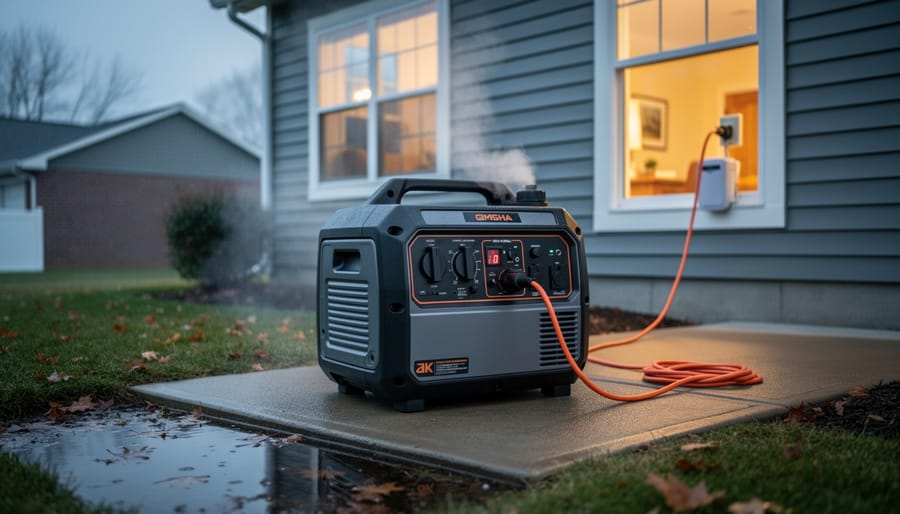
Portable generators are the workhorses of emergency power, ranging from compact 2,000-watt models for basic lighting and phone charging to heavy-duty 7,500-watt units capable of running refrigerators, sump pumps, and heating systems. Rental prices typically run between $50-150 per day depending on capacity. Most rental facilities provide comprehensive operating instructions and safety guidance, including proper outdoor placement to prevent carbon monoxide poisoning. Always place generators at least 20 feet from windows and doors, and never operate them in enclosed spaces like garages or basements.
Battery backup systems offer quieter, emission-free alternatives for shorter outages or indoor use. These portable power stations can keep medical equipment, communication devices, and small appliances running for several hours. They’re particularly valuable when generator noise restrictions apply or ventilation concerns limit generator placement options.
Temporary lighting equipment includes LED work lights, tripod-mounted task lights, and battery-powered emergency lighting. These tools ensure safe visibility during repairs or outages, with many rental packages including extension cords and power strips.
Community members consistently recommend asking rental staff about fuel requirements, runtime expectations, and proper grounding procedures before leaving the facility. Taking ten minutes for this conversation prevents dangerous mistakes and ensures you get appropriate equipment for your specific situation.
Basic Repair Tools for Temporary Fixes
When facing an electrical emergency outside business hours, having access to the right tools can mean the difference between a safe temporary fix and a hazardous situation. Rental outlets typically stock essential emergency repair kits designed specifically for basic electrical work within safe parameters.
Insulated tool sets form the foundation of any emergency electrical repair kit. These include screwdrivers, pliers, and wire cutters with handles rated to withstand at least 1000 volts. The insulation (usually orange or yellow for visibility) protects you from accidental contact with live circuits. Always inspect rental tools for damaged insulation before use.
Wire strippers are essential for preparing cable ends when making temporary connections. Look for self-adjusting models that prevent wire damage, which could create fire hazards down the line. Many rental kits include combination tools that strip, cut, and crimp in one device.
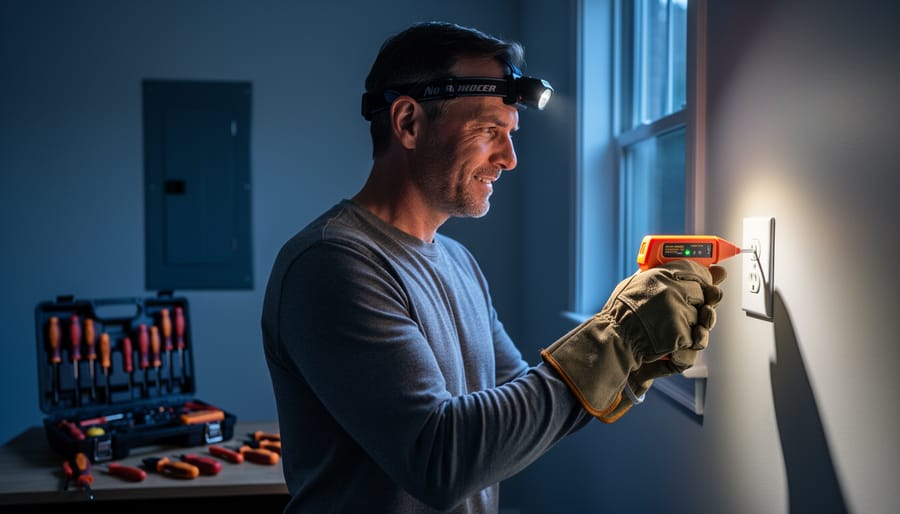
Non-contact voltage testers or cable detectors should be your first tool out of the kit. These battery-operated devices detect live wires without direct contact, helping you verify power is truly off before touching anything. Community reviews consistently highlight these as the most important safety tool in emergency situations.
Safety equipment rounds out the basic kit: insulated gloves rated for electrical work, safety glasses, and a torch with hands-free mounting. Some rental providers also include circuit breaker finders, which help identify which breaker controls problem areas without trial and error at the panel.
How After-Hours Tool Rental Actually Works
Finding 24-Hour and Late-Night Rental Options
When electrical emergencies strike outside business hours, finding available rental tools becomes critical. Start with major big-box retailers like Bunnings and Mitre 10, as many locations offer extended trading hours and some provide 24-hour kiosks for tool pickup and returns. Call ahead to confirm their emergency electrical tool inventory and after-hours access policies.
National chains like Kennards Hire and Coates Hire typically maintain comprehensive inventories at equipment rental yards with varying operating hours. Some branches offer emergency contact numbers for urgent situations. Check their websites for branch-specific hours and reserve tools online to ensure availability.
Peer-to-peer platforms like Hiroo and Fat Llama have transformed late-night access by connecting you directly with tool owners who set their own pickup times. Many users offer flexible arrangements, including evening and weekend availability. Read community reviews carefully to identify reliable lenders with quick response times.
Local Facebook community groups and Gumtree often feature tool owners willing to arrange after-hours rentals. Search terms like “tool rental” plus your suburb name can reveal nearby options.
Pro tip from our community: Save contact details for multiple rental sources before emergencies occur. Several users recommend keeping a digital list with hours, inventory specialties, and backup options to avoid desperate late-night searches when time matters most.
Booking and Pickup Tips for Urgent Situations
When electrical emergencies strike at inconvenient hours, efficient tool rental becomes crucial. Most major rental chains now offer 24/7 online booking systems, allowing you to reserve essential equipment like voltage testers, circuit finders, and wire strippers from your phone while standing in the dark. Create an account during daylight hours if possible, saving your driver’s license information and payment details for faster checkout during actual emergencies.
For after-hours pickup, you’ll typically need a valid driver’s license, a credit card matching your ID, and proof of address if you’re a first-time customer. Some locations offer keyless pickup kiosks or lockbox systems with code access sent via text after booking confirmation. Call ahead to verify availability, even if the website shows items in stock, as inventory systems don’t always update in real-time.
Pro tip from community feedback: Screenshot your reservation confirmation and keep photos of your ID on your phone in case technology fails during pickup. Consider establishing relationships with multiple rental locations within a 15-mile radius, as overnight staff availability varies. Many professional electricians recommend keeping a basic emergency toolkit at home to bridge gaps while securing rentals, minimizing dangerous delays when power issues require immediate attention but professional help isn’t immediately necessary.
Cost Comparison: Emergency Electrician vs. Tool Rental Plus Morning Appointment
Let’s examine the real numbers behind your late-night electrical crisis. Understanding these costs helps you make an informed decision that protects both your wallet and your safety.
Emergency electricians typically charge 2-3 times their standard hourly rate for after-hours callouts. A regular service visit might cost $120-180 per hour, but that same call at 10 PM could jump to $300-450 per hour, often with a minimum 2-hour charge. Add a $150-250 emergency callout fee, and you’re looking at $750-1,150 before any materials or extensive repairs.
Compare this to renting essential diagnostic tools overnight. A quality voltage tester rents for approximately $15-25 per day, while a circuit finder costs around $20-35 daily. Even adding a basic multimeter at $10-15, your total rental investment sits around $45-75. Schedule a professional electrician for the next morning at standard rates, and your combined cost might reach $300-400 for diagnosis and repair.
The potential savings appear substantial, but here’s the honest reality: this approach only makes financial sense when your situation genuinely allows waiting. If you’re dealing with sparking outlets, burning smells, or complete power loss, the overnight wait introduces risks no amount of savings justifies.
The rental route works best for non-urgent issues discovered after hours, like a single non-functioning outlet or a tripped breaker you cannot identify. You can safely use rental tools to gather information about the problem, which actually helps your morning electrician diagnose faster, potentially reducing their billable time.
Community feedback consistently shows the biggest savings come from accurate problem identification before the electrician arrives, not from attempting repairs yourself.
Safety Protocols You Must Follow
Before You Touch Anything
Before attempting any electrical work, your safety depends on following essential electrical safety protocols. Here’s your pre-work checklist:
First, locate your main switchboard and turn off the main circuit breaker. This cuts power to the entire property. If you’re only working on one circuit, turn off that specific breaker, but shutting down the main breaker provides an extra safety layer.
Next, use a non-contact voltage tester (available at most rental shops) to verify power is actually off. Hold it near outlets, switches, or wires in your work area. If it beeps or lights up, power is still flowing—stop immediately and reassess.
Check your work environment thoroughly. Never work on electrical systems in wet or damp conditions. If you’re dealing with water damage or flooding that’s caused the emergency, stop here and call a licensed electrician. Water and electricity create lethal combinations that no amount of protective equipment can safely manage.
Finally, inform everyone in your household that you’re working on the electrical system and place a note on the switchboard so nobody accidentally restores power while you’re working.
Protective Gear and Working Conditions
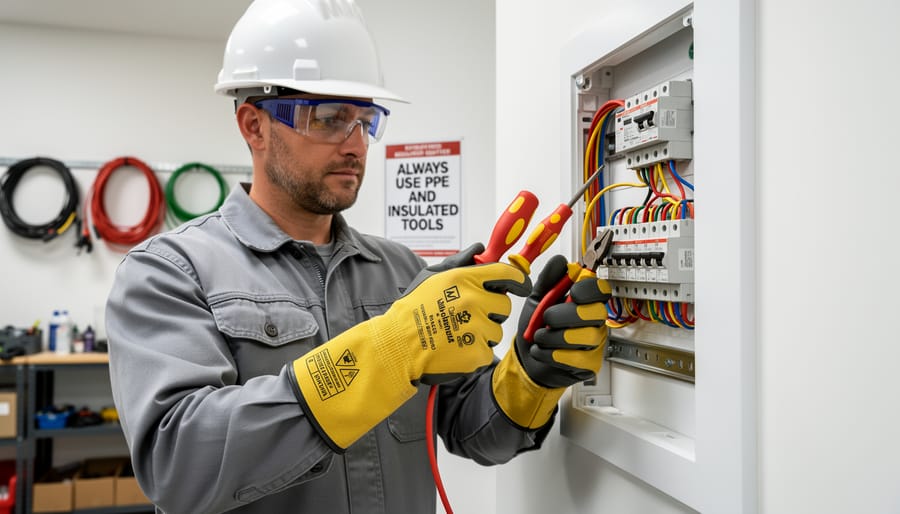
Before touching any electrical equipment or diagnostic tools, proper protective gear is absolutely non-negotiable. At minimum, you’ll need insulated gloves rated for electrical work (not regular work gloves), safety glasses with side shields, and rubber-soled closed-toe shoes. Many rental centers include basic personal protective equipment with tool packages, but always verify what’s provided versus what you need to supply yourself.
Work only in dry conditions. Water and electricity create life-threatening combinations, so never attempt electrical work during flooding, in damp basements, or with wet hands. Ensure adequate lighting in your workspace since emergency situations often occur when power is compromised. A headlamp or battery-powered work light should be part of your preparation.
Remove all jewelry, including watches and rings, as metal conducts electricity. Tie back long hair and avoid loose clothing that could catch on equipment. Create a clear workspace by removing clutter and ensuring you have stable footing.
According to community feedback from experienced DIYers, the most commonly overlooked safety item is an insulated tool set. Standard screwdrivers and pliers can conduct electricity directly to your hands. Most rental shops offer insulated tool kits specifically designed for electrical diagnostics, and these should be considered essential rather than optional equipment for any electrical troubleshooting task.
Real User Experiences: When Emergency Rentals Worked (and When They Didn’t)
Real homeowners and DIYers have shared their emergency electrical tool rental experiences, offering valuable insights for anyone facing a similar situation.
Sarah M. from Portland credits a weekend circuit tester rental with saving her thousands. “Our outlets stopped working Saturday night. Instead of paying emergency rates, I rented a multimeter and circuit tracer Sunday morning for $25. Turned out to be a tripped GFCI outlet in the garage I didn’t know existed. Five-minute fix.” Her key advice: always check for hidden GFCI outlets before assuming major problems.
Contractor James R. wasn’t as fortunate. “I rented a wire fish tape system for what seemed like a simple bedroom outlet replacement. Three hours in, I realized the previous owner had done some questionable aluminum wiring. Had to call an electrician anyway, wasted rental fees and my evening.” His lesson learned: if anything looks unusual behind the outlet cover, stop immediately and get professional assessment.
Restaurant owner Mike T. successfully used a rental thermal imaging camera when his commercial kitchen kept tripping breakers. “The rental place walked me through using it. Found a hot spot in the wall within 20 minutes. Called an electrician with specific information, which meant faster, cheaper repair during his Monday morning appointment instead of emergency weekend rates.”
The cautionary tale comes from Linda H., who rented conduit bending tools for outdoor lighting. “I thought I could handle running new conduit myself. Didn’t realize I needed permits. Inspector made me tear everything out. Know your local codes before renting anything for permanent installations.”
Community consensus points to clear patterns: rentals work best for diagnostics and temporary fixes rather than permanent modifications. Success stories share common elements including thorough research beforehand, honest assessment of skill levels, and willingness to stop when situations exceed initial expectations. The failed attempts typically involved underestimating job complexity or skipping permit requirements.
Emergency electrical situations test our judgment and resourcefulness. While tool rentals offer a practical bridge solution for appropriate scenarios like replacing outlets, installing light fixtures, or running basic diagnostics, they should never replace professional expertise in genuine emergencies. Remember that safety always comes first, no matter how confident you feel with the equipment.
Keep a trusted electrician in Bankstown or your local area saved in your phone contacts before an emergency strikes. This simple step saves precious time when sparks fly at midnight or circuit breakers trip repeatedly. Tool rentals work brilliantly for planned projects and non-urgent repairs, but flickering lights, burning smells, or exposed wiring demand immediate professional attention.
We’d love to hear from our community about your experiences with emergency electrical repairs. Have you successfully tackled a project with rental tools? What safety tips would you share with fellow DIYers? Drop your stories and advice in the comments below to help others navigate these challenging situations safely and effectively.
Related Posts