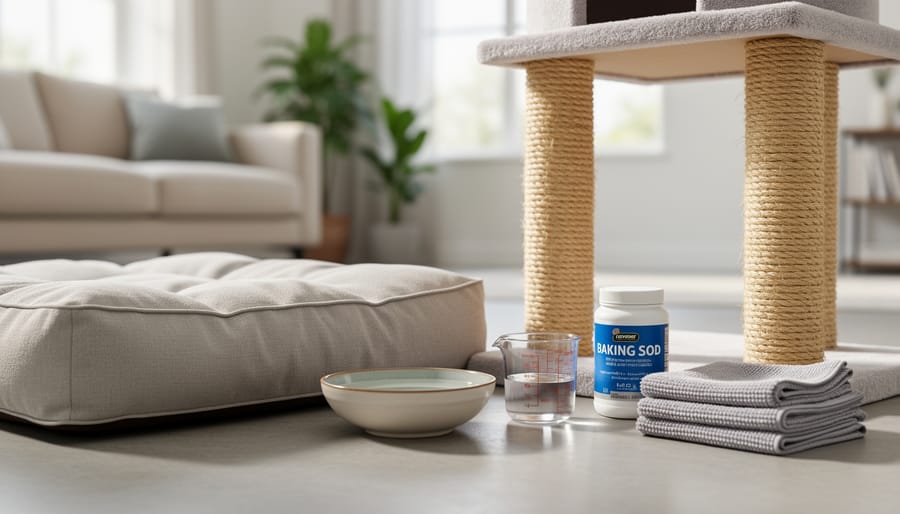
The fastest homemade pet odor eliminator is a simple mix of white vinegar, water, and baking soda, and it takes about five minutes to make and an hour or two to work. Vinegar’s acidity breaks down the ammonia in urine, while baking soda absorbs what’s left and neutralizes the sour smell. It’s cheap, it uses things already in your kitchen, and it works on most of the surfaces pets actually claim: foam beds, fabric cushions, carpet, and the sisal and carpet wrap on a cat tree.
Surface matters, though. Raw wood soaks up liquid and can warp or stain, and foam holds moisture deep inside, so how much you apply and how you dry it counts as much as the recipe itself. Some household cleaners are also unsafe around pets, so we’ll flag what to avoid and how long to keep your animal off treated spots.
Below you’ll find the materials list, safety warnings, step-by-step instructions, and a simple way to check that the smell is really gone. Got a mix that’s worked on your own pet furniture? Share it in the comments so other readers can try it too.
Key Takeaway: Match the recipe to the surface, patch-test first, and let everything dry completely before judging the result. Then run a second smell check after 24 hours to confirm the odor is truly gone.
Why Pet Odors Stick to DIY Pet Furniture (and Which Cleaner Fits Which Surface)
Pet odors stick because many pet furniture surfaces are porous materials, meaning they’re full of tiny holes and gaps that soak up liquid like a sponge. When urine, drool or oils sink in, the smell goes with them and the surface can’t simply be wiped clean.
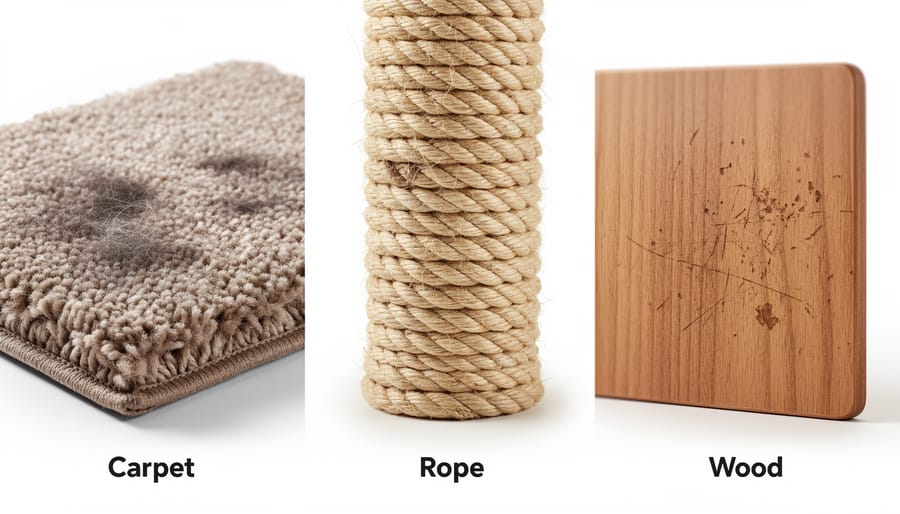
Raw timber and the cut edges of plywood are the worst offenders, because the exposed grain wicks moisture deep inside. Upholstery foam does the same, and a cushion can hold urine well below the cover. Carpet-covered cat trees trap smells in both the pile and the backing, while sisal rope posts collect oils and moisture in every twist. It’s worth knowing how these furniture materials behave before you choose a treatment, since sealed and unsealed surfaces need different care.
Urine is the toughest problem because it contains proteins that bond to fibres and keep releasing odor whenever humidity rises. That’s where an enzymatic cleaner helps. It uses natural enzymes to break down those proteins and other organic stains, rather than just masking the smell.
Here’s a quick way to match a recipe to the surface:
– Sealed wood, plastic and metal: a vinegar spray works well.
– Fabric, cushions and carpet: baking soda draws out light odors.
– Stubborn urine in any porous surface: a peroxide mix or an enzyme cleaner reaches deeper.
Each of these cleaners you can make at home is covered in the recipes below.
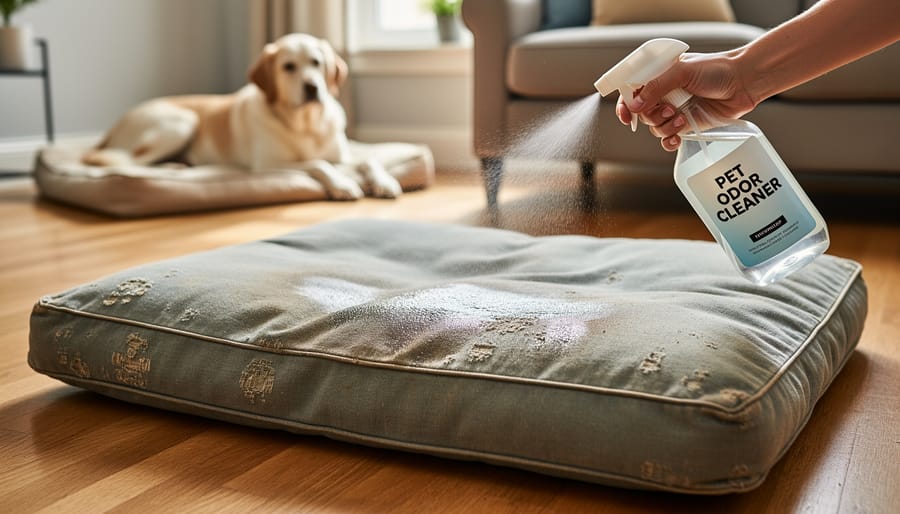
What You’ll Need: Tools and Materials for Three Easy Odor-Eliminating Recipes
Recipe 1: Vinegar Spray for Sealed Wood, Plastic and Metal
Mix equal parts white vinegar and water (1:1) in a clean spray bottle. It suits sealed wood, hard plastic and metal, such as cat tree bases, plastic bed frames and steel bowl stands.
- 1 cup white vinegar
- 1 cup water
- Labelled spray bottle
- Microfibre cloth for wiping
Lightly mist the surface, leave it for five minutes, then wipe with a damp cloth and let it air-dry. Skip it on unsealed wood, natural stone and delicate varnishes, because the acid can dull or etch them. Patch-test a hidden spot first.
Recipe 2: Baking Soda Paste and Powder for Fabric, Cushions and Carpet
Baking soda works two ways on fabric, cushions and carpet. For fresh or mild smells, sprinkle a generous, even layer of dry powder over the dry surface, work it in gently with a soft brush, and leave it for at least 30 minutes (overnight is better for stubborn odors). Then vacuum it up thoroughly. For set-in spots, mix 3 tablespoons of baking soda with 1 tablespoon of water into a thick paste, spread it over the area, let it dry completely, then brush off and vacuum. Patch test coloured fabrics first.
Recipe 3: Peroxide, Soap and Baking Soda Mix for Stubborn Urine Smells
Start with a small, clean jug or open container, never a sealed bottle. Pour in 240 ml (1 cup) of 3% hydrogen peroxide, stir in 1 tablespoon of baking soda until it mostly dissolves, then add 2 to 3 drops of mild dish soap and stir gently to avoid excess foam.
Mix it fresh and use it straight away. Peroxide breaks down into water and oxygen, so a sealed bottle can build pressure and burst. Tip any leftovers down the drain.
Before treating a whole surface, patch test a hidden corner. Peroxide can lighten dyes, so wait 10 minutes, blot, and check the colour hasn’t faded.
Safety Warnings Before You Mix or Spray Anything Near Pets
Before you mix anything, work through these precautions. They take a couple of minutes and prevent the most common accidents.
Warning: Never combine vinegar with bleach, and never seal a hydrogen peroxide mix in a closed bottle, as pressure can build and the cap can burst. If a pet starts drooling, vomiting or struggling to breathe after exposure, stop immediately, move them into fresh air and call your vet.
Start by keeping vinegar, bleach and hydrogen peroxide in separate containers. Mixing vinegar with bleach releases toxic chlorine gas, and vinegar plus peroxide forms peracetic acid, which irritates skin, eyes and lungs. Mix each recipe on its own, in a clean bottle, and rinse the jug between batches.
Open windows or run a fan while you work, and wear gloves and eye protection. Splashes happen, especially when spraying overhead surfaces like the upper tiers of a cat tree.
Skip essential oils, however tempting a “fresh scent” sounds. Many essential oils can be toxic to cats and dogs, whether they’re licked off fur or just breathed in.
Patch-test every surface in a hidden spot before treating the whole piece, since vinegar and peroxide can dull finishes or lift colour. Label each spray bottle clearly with its contents and the date, so nobody grabs the wrong one later.
Finally, keep pets and children out of the room until everything is completely dry. Damp residue is what gets licked, walked through and carried onto paws, so be patient and let the surfaces dry fully before anyone goes back to them.
Step-by-Step: How to Remove Pet Odors From Your DIY Pet Furniture
Treating Raw or Unsealed Timber Frames and Plywood Edges
Raw timber and plywood edges soak up urine like a sponge, so go gently. Too much water pushes the smell deeper into the grain. Work through the steps below in order:
- Remove covers and cushions, then vacuum loose hair and debris from the frame.
- Patch-test your chosen recipe on a hidden spot and wait for it to dry.
- Pre-clean surface dirt with a barely damp microfibre cloth, wrung out well.
- Apply the matching recipe lightly and respect its dwell time.
- Blot the area with a dry cloth; never scrub, as that roughens the grain.
- Wipe once with a cloth dampened in clean water to lift residue.
- Dry fully in good airflow or sunlight, which can take a day or two.
- Re-treat if you still smell urine once it’s dry.
Once the wood is completely dry, dust a layer of baking soda over the affected spot, leave it overnight to draw out moisture and odor, then vacuum it up. If the smell lingers, sand back the stained wood and reseal it with a pet-safe finish.
Deep-Cleaning Cushions, Carpet Covers and Rope Posts
If a cushion cover has a care label, take it off and machine-wash it on the warmest setting the fabric allows, adding a cup of white vinegar to the rinse. Rope posts and carpet-covered cat trees can’t go in the machine, so work baking soda into the fibres, leave it for a few hours, then vacuum it up.
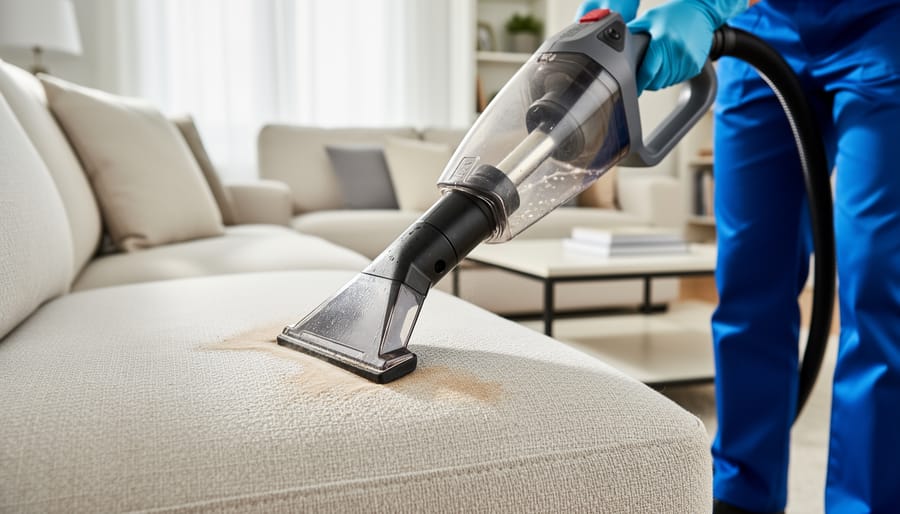
Deep odours that sit in foam or thick carpet need more than surface cleaning. A hired wet-and-dry vacuum or carpet cleaner is worth considering here, because it pulls liquid out of the padding rather than just wetting the top. The catch is moisture. Anything left damp turns musty fast, so aim fans at the item and dry it fully, which also helps you prevent water damage to floors and framing underneath. Check with a sniff once it’s bone dry.
How to Tell the Odor Is Really Gone (and What to Do If It Isn’t)
Once the item is completely dry, do the damp sniff test. Lightly mist a clean cloth with plain water, press it against the treated spot, and smell the cloth up close. Dampness wakes up lingering odor, so if the cloth smells clean, you’re probably in the clear. Check again after 24 hours, because some smells only return once the material has fully settled.
For hidden urine spots, switch off the lights and sweep a UV torch across the furniture. Old urine glows a yellowish-green. Circle any patches with chalk so you know exactly where to retreat.
If the smell lingers, work through these in order:
1. Repeat the treatment on the marked spots, letting it dwell longer.
2. Switch to an enzyme cleaner, which breaks down the proteins that cause stubborn urine smells.
3. Replace the foam if it’s soaked through, since deep padding rarely recovers.
4. Sand back and reseal raw wood with a pet-safe finish.
Prevention is easier than rescue. Washable covers, sealed finishes and regular airing in fresh air and sunlight keep odors from settling in. If accidents keep happening, it can also help to train your pet to use their own spot, so you’re not fighting the same smell every month.
Community Tips and Common Questions on Pet Odor Removal
The Tool Hire community has plenty of hard-won experience with pet smells, and a few patterns keep coming up. Members who build their own beds and cat trees say sealing the wood before assembly saves the most effort later, because a sealed surface wipes clean instead of soaking up accidents. Others recommend sewing removable covers so the whole lot can go in the washing machine. Several people who hired a wet-and-dry vacuum for a one-off upholstery clean said it pulled out far more grime than scrubbing by hand, and they handed it back the same day.
Is vinegar safe for pets?
Diluted white vinegar is generally considered low-risk once the surface is fully dry, but keep pets away while you spray and while it’s damp. The smell can irritate sensitive noses, so ventilate the room well.
Can I use this on a cat scratching post?
Yes, for sisal rope or carpet-covered posts, the baking soda treatment is the gentler choice. Use only a light mist if you use vinegar, let it dry completely, and patch-test first.
Why does the smell return when it’s damp?
Urine that has soaked deep into foam or wood can reactivate as moisture hits it. If the smell comes back, repeat the treatment or switch to an enzyme cleaner that breaks down the source.
Do essential oils help?
No. They only mask odors, and many are toxic to cats and dogs, so leave them out of any pet recipe.
How often you clean depends on the pet, but a quick weekly wipe-down and a monthly deeper treatment keeps most furniture fresh. Hiring a carpet cleaner or wet-and-dry vacuum is a sensible way to deep-clean upholstery without buying one.
Got a recipe, a build trick or a piece of hired kit that worked for you? Share it in the comments or leave a review so the next reader can benefit.
Getting rid of pet smells comes down to a few habits: match the recipe to the surface, handle everything safely, dry thoroughly, and check your work. Vinegar spray suits sealed finishes, baking soda handles fabric and carpet, and the peroxide mix tackles stubborn urine, always patch-tested first and always kept away from pets until dry. The damp sniff test a day later tells you whether you’re done.
Good odor control is part of building DIY pet furniture that lasts, so seal your wood and choose washable covers. Got a recipe or trick that worked for you? Share it with the community.
Related Posts