
Landscaping can significantly elevate the aesthetics of a home, reflecting personal style and increasing property value. A manicured garden or yard enhances curb appeal and provides a serene, outdoor, enjoyable space. However, beneath the lush foliage and blooming flowers lies a network of underground utilities essential to home functionality. Pipes, carrying everything from water to gas, play a crucial role in everyday life, making their integrity paramount. Improper landscaping can inadvertently lead to damage, resulting in potentially costly and dangerous consequences. This article educates homeowners on common landscaping mistakes that could compromise pipe safety.
Poor Planning and Lack of Infrastructure Mapping
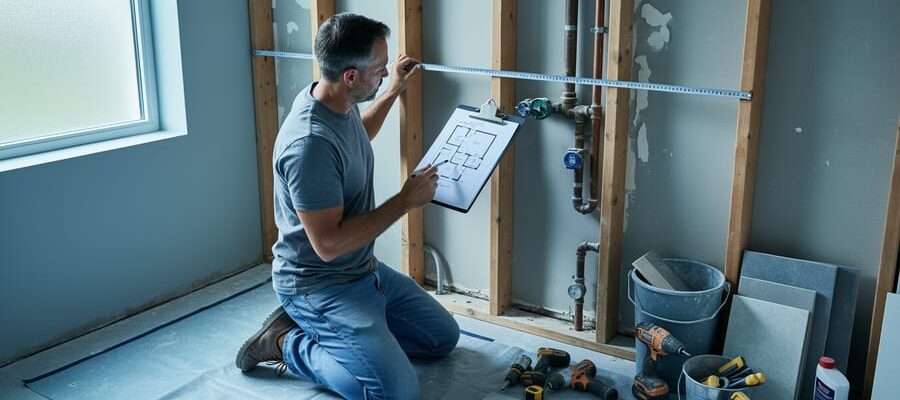
Before embarking on any landscaping project, understanding the layout of underground utilities is crucial. Many homeowners, excited about transforming their outdoor spaces, rush into their projects without adequate planning. This oversight can result in accidental damage to pipes. Imagine digging a hole for a new tree, only to rupture a water line—an uncommon scenario among enthusiastic DIY landscapers. To prevent such mishaps, it’s essential to have a detailed map of existing underground utilities.
Permits are another critical aspect often overlooked. Many local councils provide resources to help homeowners identify the locations of pipes and other utilities, and obtaining the proper permits can avert unintentional infractions. Hiring professional services for mapping and planning can provide peace of mind and ensure a more comprehensive understanding of a property’s subterranean features.
Overloading Soil with Excessive Weight
Adding garden elements like statues or the construction of patios can lend charm and functionality to outdoor spaces. However, placing heavy items directly over buried pipes without consideration can lead to unnecessary stress on these essential components. Heavyweights compact the soil, increasing pressure on the pipes and making them more susceptible to breakages, particularly during ground shifts or heavy rain.
To avoid this, it’s wise to assess appropriate locations for installing heavier features. Spreading the weight over a larger area or opting for lightweight garden decor can also help minimise risk. Always consider the proximity of heavy installations to known pipe locations and use alternative materials whenever possible.
Invasive Root Systems from Inappropriate Plant Choices
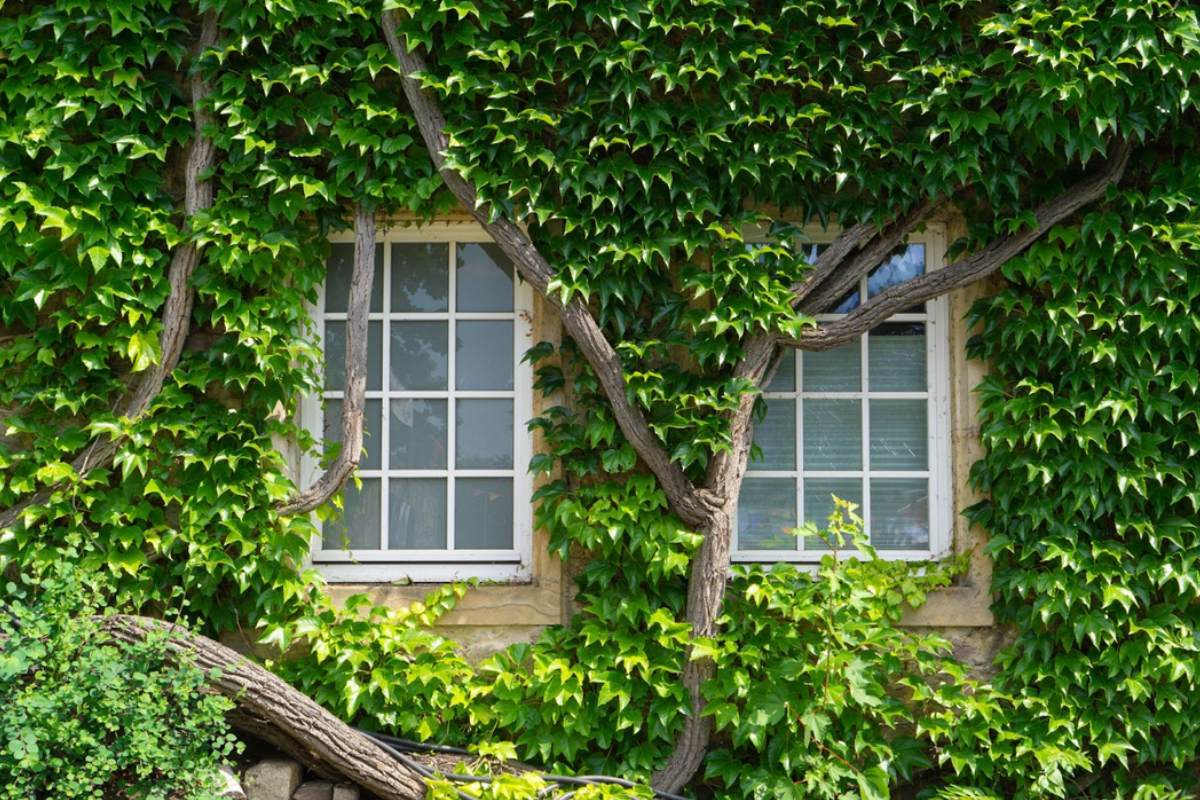
Selecting the right plants is paramount when planning a garden over areas where pipes are buried. Some plants, although attractive, have invasive root systems that can pose significant threats to underground utilities. How tree roots invade pipes, when left unchecked, is a common issue. Roots naturally seek out moisture, and a minor crack in a pipe can lead to serious intrusion problems over time.
Homeowners are encouraged to research or consult with horticulturists to identify pipe-friendly plants and shrubs. Incorporating species with non-invasive root systems or planting otentially problematic plants safely from pipe routes can mitigate future complications. Routine root management strategies, like root pruning, can further help maintain the garden’s health and the underlying infrastructure.
Incorrect Drainage and Irrigation Practices
Water management is a pivotal aspect of landscape design. Improper drainage can have severe repercussions, not only on surface landscaping but also on the network of pipes below. Poor drainage systems can allow excessive water to pool around pipes, creating pressure and, ultimately, causing them to shift. Over-irrigation exacerbates this by leading to soil erosion, possibly exposing buried utilities to the elements.
Implementing efficient irrigation systems is crucial. Systems that provide controlled water dispersal can maintain healthy plant growth while preventing excess water from seeping into areas it shouldn’t. Consulting with landscaping experts can help homeowners design effective drainage solutions that consistently safeguard their property’s infrastructural integrity.
Neglecting Regular Maintenance and Inspection
Just as regular car maintenance can prevent breakdowns, routine landscape upkeep is essential for spotting early signs of potential pipe damage. Minor signs, like unexplained soggy patches or uneven terrain, suggest deeper issues lurking below the surface. Addressing these minor concerns early can prevent more significant problems down the track.
Regular inspections should include checking for soil movement, plant root growth, and signs of water accumulation. Homeowners should not shy away from seeking professional advice annually to ensure a thorough assessment that might highlight issues only an expert eye can catch. This proactive approach can safeguard the landscape’s beauty and its underlying systems’ functionality.
Conclusion
Landscaping undeniably enhances a home’s aesthetic and market value, but not without its potential pitfalls, especially when protecting underground pipes. Poor planning, overloading soil, inappropriate plant selection, and neglecting maintenance can all lead to serious issues. Homeowners can significantly reduce the risk of damage by taking the time to map out infrastructure, choose suitable plants, and keep drainage systems in check. Routine inspections further ensure that any issues are identified and addressed promptly. Taking these proactive steps will help secure both the beauty of the landscape above and the integrity of the utilities below. Contacting landscaping and utility professionals is highly recommended for tailored advice and solutions.
Related Posts


Post a Comment