

Ensuring safety in schools, workplaces, and large facilities has never been more critical. With advancements in technology, organizations can now implement smart safety solutions to prevent accidents, detect threats, and enhance emergency response. According to the Occupational Safety and Health Administration (OSHA), businesses spend nearly $1 billion per week on direct workers’ compensation costs due to workplace injuries. Schools and facilities also face increasing security challenges, making investment in safety technology a necessity rather than a luxury. Here’s a look at the most essential safety tech solutions that can improve security and protect lives.
Advanced Sensor Technology for Threat Detection
The first step in ensuring safety is real-time threat detection. Schools and workplaces are adopting sensor-based technology to identify dangers before they escalate. A school safety sensor, for example, can detect vape usage, air quality issues, and unauthorized activities in real time, helping administrators take immediate action. Other essential sensors include:
- Motion Sensors – Detect unauthorized movement in restricted areas.
- Gunshot Detection Systems – Instantly alert security personnel to firearm-related incidents.
- Environmental Sensors – Monitor air quality, temperature, and gas leaks.
- Smart Fire Alarms – Automatically notify emergency services and provide faster evacuation guidance.
Implementing sensor technology ensures schools, offices, and facilities can respond proactively to potential threats before they become critical situations.
Surveillance and Access Control Systems
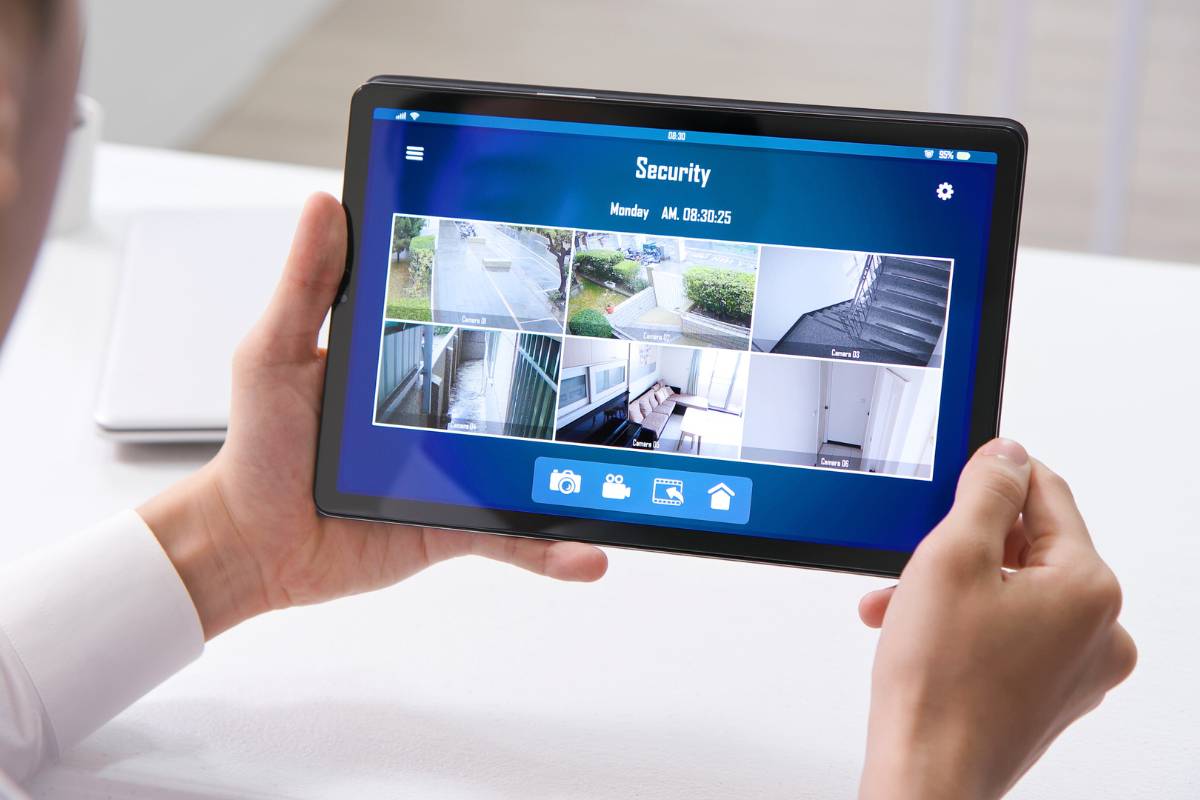
Modern security requires more than just locked doors and security guards. Facilities are now integrating advanced surveillance and access control systems to enhance security measures. These include:
- Biometric Access Control – Uses fingerprints or facial recognition for secure entry.
- Smart Surveillance Cameras – AI-powered cameras detect suspicious activity and provide live alerts.
- License Plate Recognition (LPR) Systems – Track vehicle movement in parking lots and restricted areas.
- Visitor Management Software – Ensures that only authorized personnel can enter the premises.
According to a report by the Security Industry Association, 85% of businesses are increasing investments in access control technology to reduce security breaches.
Emergency Communication and Notification Systems
During an emergency, effective communication can save lives. Schools and workplaces must implement robust emergency notification systems that ensure swift communication with employees, students, and emergency responders. Some of the best technologies in this category include:
- Mass Text and Email Alerts – Instantly notify everyone on the premises of emergencies.
- Panic Buttons – Silent alarms that alert security personnel to threats.
- Digital Signage Alerts – Display real-time emergency instructions on screens throughout the facility.
- Two-Way Radios – Essential for security teams to coordinate during an incident.
Timely communication can make the difference between a well-handled emergency and a chaotic response.
AI-Powered Security Software
Artificial intelligence (AI) is revolutionizing security by analyzing real-time data and identifying potential risks before they escalate. AI-driven security solutions include:
- Facial Recognition for Threat Detection – Identifies known threats in public spaces.
- Predictive Analytics Software – Analyzes data to predict and prevent security breaches.
- Automated Anomaly Detection – Alerts security teams to unusual patterns in behavior or access.
AI-powered security software not only improves response times but also helps in mitigating risks proactively.
Health and Hygiene Monitoring Systems
Post-pandemic, health monitoring technology has become an essential part of facility safety. Businesses and schools are now leveraging technology to maintain a safe and hygienic environment. Key solutions include:
- Touchless Temperature Scanners – Automatically check individuals for fevers upon entry.
- Automated Hand Sanitizer Dispensers – Ensure proper hygiene in high-traffic areas.
- UV-C Disinfection Systems – Use ultraviolet light to sanitize classrooms, offices, and shared spaces.
- Air Quality Monitoring Devices – Detect pollutants, allergens, and harmful gases.
By integrating these technologies, organizations can reduce the spread of illnesses and improve overall workplace and school safety.
Fire and Life Safety Technology
Fires remain a significant risk in schools, workplaces, and large facilities. Modern fire prevention technology has drastically improved emergency response and evacuation procedures. The latest advancements include:
- Smart Smoke and Fire Alarms – Provide instant alerts and integrate with emergency response systems.
- Fire Suppression Systems – Automated sprinklers and foam-based extinguishing systems for critical areas.
- Evacuation Mapping Technology – Guides occupants safely to the nearest exits.
According to the National Fire Protection Association, fire damage costs businesses over $10 billion annually, highlighting the need for better fire prevention solutions (source).
Cybersecurity for Digital Safety
With increasing digital threats, cybersecurity is just as important as physical security. Schools and workplaces must protect sensitive data from cyberattacks, unauthorized access, and digital fraud. Key cybersecurity technologies include:
- Multi-Factor Authentication (MFA) – Adds an extra layer of security for logins.
- End-to-End Encryption – Ensures data privacy in emails and communications.
- Automated Threat Detection Systems – AI-powered tools that detect and block cyber threats.
- Regular Security Audits – Conducting periodic assessments to identify vulnerabilities.
Cybersecurity measures are vital for preventing data breaches and ensuring that sensitive information remains protected.
Conclusion
The safety of schools, workplaces, and large facilities depends on proactive planning and the right technology. From school safety sensor systems for threat detection to AI-driven security solutions, the latest advancements provide better protection and faster response times. By investing in modern safety technology, organizations can create a secure environment that minimizes risks and enhances overall security for employees, students, and visitors. Implementing these technologies today ensures a safer tomorrow.
Related Posts


Post a Comment