
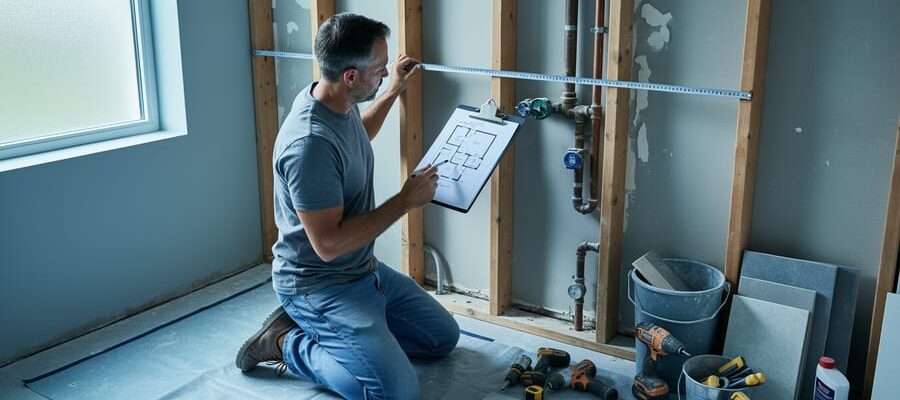
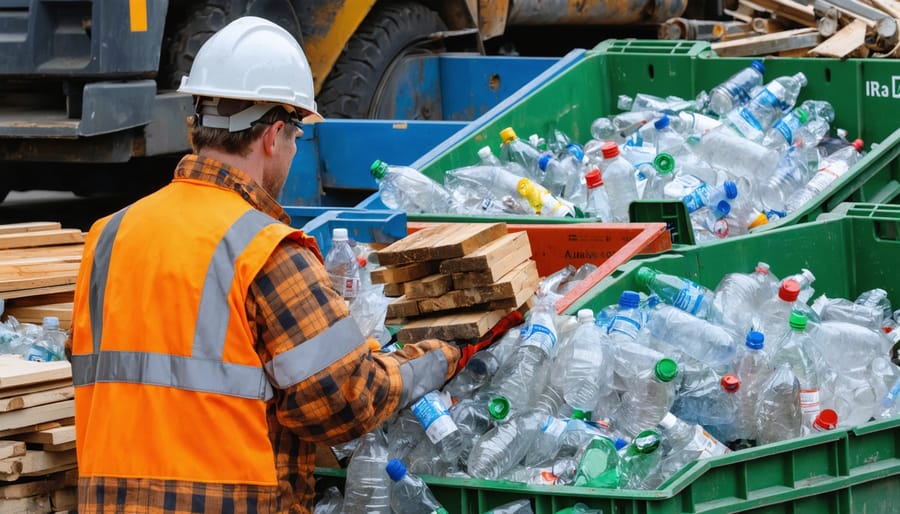
Japan’s waste management system achieves a remarkable 84% recycling rate through strict separation protocols, community accountability, and a cultural commitment to resource conservation. This same philosophy can transform construction sites and workshops from waste generators into efficient, cost-saving operations.
Japanese municipalities require residents to sort waste into up to 45 categories, from burnable and non-burnable items to specific recyclables like PET bottles, aluminum cans, and cardboard. Construction professionals can adopt this granular approach by establishing dedicated collection points on-site for timber offcuts, metal scraps, packaging materials, concrete waste, and hazardous substances. Clear labeling and crew training ensure materials reach proper recycling channels rather than landfills, often converting disposal costs into revenue from scrap sales.
The Japanese concept of “mottainai” expresses regret over waste and encourages maximizing resource use. Apply this principle by calculating exact material quantities before purchasing, storing leftover materials properly for future projects, and choosing tool hire over ownership. Renting equipment eliminates the waste of idle tools gathering dust in garages while reducing manufacturing demand across the industry.
Japan’s success stems from treating waste management as a shared responsibility rather than an afterthought. Designate a waste coordinator on each project, conduct weekly audits of disposal practices, and track waste reduction metrics. These accountability measures typically reduce construction waste by 30-50% while lowering disposal fees, demonstrating that environmental responsibility and business efficiency are inseparable goals.
Why Japan’s Waste System Actually Matters to Your Project
Japan’s approach to waste management isn’t just an overseas success story—it directly applies to how you can run more efficient, cost-effective projects right here in Australia. Whether you’re managing a construction site, operating a tool hire business, or tackling a home renovation, the principles behind Japan’s system offer practical benefits you can measure in both dollars and environmental impact.
The Japanese philosophy of waste separation and reduction translates perfectly to construction environments. By categorizing waste streams from the start—timber offcuts, metal scraps, packaging materials, and general rubbish—you reduce disposal costs significantly. Most Australian councils charge by weight and waste type, meaning proper sorting saves money every time you hire a skip. On larger projects, professional waste management services can implement similar sorting systems that recover up to 70% of materials for recycling or resale.
Efficiency gains come from planning waste reduction before you even start work. Japan’s “mottainai” concept—avoiding waste of resources—means ordering accurate material quantities, maintaining tools properly to extend their lifespan, and choosing reusable solutions over disposables. For tool hire operations, this translates to equipment that lasts longer and performs better, reducing replacement costs and downtime.
Environmental responsibility also resonates with clients and communities. Australians increasingly value sustainable practices, and demonstrating proper waste management can differentiate your business or project. Simple steps like designating sorting areas, using clearly labeled bins, and tracking waste volumes create accountability while reducing landfill contributions.
The bottom line: Japanese waste principles aren’t complicated—they’re about organization, respect for resources, and thinking ahead. Applied to your projects, they deliver measurable results.
The Three Pillars Japan Built Its System On
Reduce: Cutting Waste Before It Starts
Japan’s waste reduction philosophy starts with a simple principle: the best waste is waste never created. For tradespeople and DIY enthusiasts, this translates directly into smarter project planning and material management.
Before starting any job, create a detailed materials list based on accurate measurements. Measure twice, order once. This prevents excess purchases that end up as offcuts or expired products. Many builders report that careful planning reduces material waste by 20-30%, saving both money and landfill space.
Consider just-in-time ordering for projects. Rather than stockpiling materials that may deteriorate or become obsolete, coordinate deliveries to match your project timeline. This approach, borrowed from Japanese manufacturing, keeps your workspace organized and materials fresh.
For tools and equipment, hiring instead of buying embodies the reduce principle perfectly. You’re reducing construction waste by sharing resources across the community rather than each tradesperson owning rarely-used equipment that eventually needs disposal.
Review past projects to identify patterns in over-ordering. Keep a simple log of leftover materials—you’ll quickly spot which items you consistently overestimate. Share this knowledge with your team or fellow DIYers to help everyone improve their purchasing accuracy and collectively reduce waste across the industry.
Reuse: Getting More Life from Tools and Materials
Japan’s approach to waste management emphasizes extending product life before considering disposal—a principle particularly relevant to tools and construction materials. Instead of discarding worn equipment, Japanese craftspeople prioritize proper tool maintenance practices like regular cleaning, lubrication, and blade sharpening to maximize operational lifespan.
This mindset translates directly to workshop practices. Keeping tools clean prevents rust and mechanical failure, while proper storage protects them from environmental damage. Simple maintenance routines can double or triple a tool’s working life, reducing both replacement costs and waste generation.
Repurposing scrap materials follows the same logic. Offcut timber becomes workshop jigs or smaller project components. Leftover metal pieces serve as shims or template materials. What might seem like waste often has practical secondary uses when viewed through a reuse lens.
The tool hire model embodies this reuse philosophy at scale. Rather than purchasing equipment for occasional use, hiring ensures tools remain in constant circulation across multiple users and projects. This shared-use approach means fewer manufactured tools overall, reduced resource consumption, and less equipment sitting idle in garages. For DIY enthusiasts and professionals alike, hiring provides access to well-maintained, quality tools while actively participating in a circular economy that mirrors Japan’s waste reduction principles.
Recycle: Proper Disposal When You’re Done
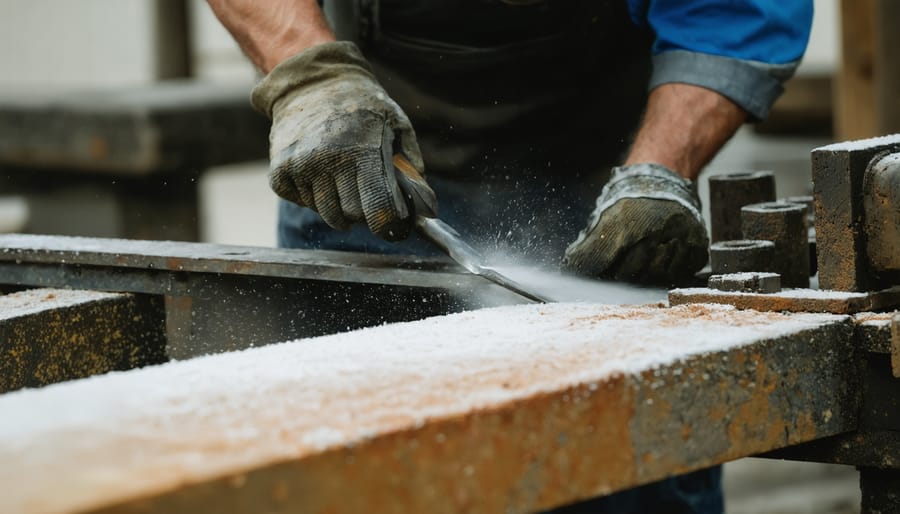
When your project wraps up, proper disposal protects the environment and keeps your workspace compliant with local regulations. Start by separating construction waste into clear categories: wood, metal, plastic, and general refuse. Many communities offer dedicated recycling centres for construction materials, where metals like copper piping, steel beams, and aluminium offcuts can be recycled rather than landfilled. Check with your local authority for specific guidelines, as some areas provide free collection for bulk metal waste.
For hired equipment, return items clean and in good condition to avoid additional fees. Remove any debris, wipe down surfaces, and check for damage before transport. Most hire companies inspect returned tools, so taking a few minutes to properly clean equipment saves you money and extends the tool’s lifespan for the next user.
Store any leftover materials properly for future projects rather than discarding them immediately. Small quantities of screws, nails, or timber offcuts often prove useful later, reducing waste and saving on future purchases.
Sorting Systems That Actually Work on Job Sites
Setting Up Your Site Waste Stations
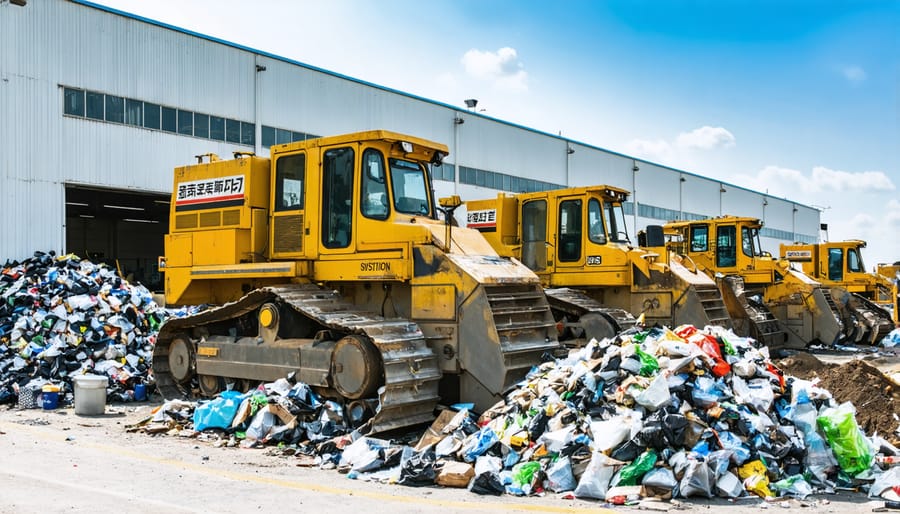
Taking inspiration from Japan’s meticulous approach, your site waste stations need strategic positioning and clear visual cues to maximize sorting compliance. Start by placing stations at high-traffic areas where waste naturally accumulates, such as near cutting stations, break areas, and material drop-off points. Multiple smaller stations typically work better than one centralized location, reducing the temptation to toss everything into the nearest bin.
Use Japan’s color-coding system adapted for construction needs: clearly marked containers for general waste (black), recyclables like cardboard and plastic (blue), metals (yellow), and wood waste (green). Label each bin in multiple ways with both text and pictorial guides showing exactly what belongs inside. Remember, not everyone on site may share the same first language, so visual communication is essential.
Position containers at waist height when possible to prevent back strain and encourage proper use. Ensure adequate lighting around waste stations so workers can clearly see labels during early morning or late afternoon shifts. Keep a small stock of extra bags nearby and schedule regular emptying to prevent overflow, which quickly leads to contamination between waste streams.
Consider weather protection for your stations. Simple overhead covers prevent rain from filling containers and protect labels from fading. This small investment significantly improves long-term compliance and keeps your waste streams clean for recycling.
Common Categories for Construction Waste
On construction and renovation projects, waste quickly accumulates across several distinct categories. Understanding these categories helps you plan proper disposal methods and potentially recover materials, saving money while reducing environmental impact.
Wood waste includes offcuts, pallets, formwork, and demolished timber. Much of this can be reused for smaller projects or donated to community groups. Contaminated or treated timber requires special disposal due to chemical content.
Metal scraps—steel reinforcement bars, copper piping, aluminium frames—hold significant recycling value. Separate metals by type before disposal, as scrap dealers offer payment for sorted materials. This practice mirrors Japan’s meticulous sorting approach.
Plastic packaging and sheeting form a substantial portion of site waste. While recycling options vary by region, minimizing packaging waste through bulk ordering reduces disposal needs. Remove packaging materials as deliveries arrive rather than letting them accumulate.
Hazardous materials demand careful handling. Asbestos, lead paint, solvents, adhesives, and chemical containers cannot mix with general waste. Contact licensed disposal services for these materials—never attempt unauthorized disposal, which creates health risks and legal liability.
General construction waste encompasses gypsum board, insulation, concrete, and mixed rubble. When planning skip bin hire, confirm which materials your provider accepts. Following responsible waste removal practices protects your worksite reputation and complies with local regulations.
The Tool Hire Connection: Shared Equipment as Waste Reduction
Japan’s approach to waste management offers a powerful lesson that directly applies to how we think about tools and equipment. At the heart of Japanese sustainability is the principle of mottainai—a term expressing regret over waste. This philosophy questions why millions of drills, sanders, and concrete mixers sit unused in garages and sheds when they could serve multiple users throughout their lifespan.
The tool rental model mirrors Japan’s resource-sharing mentality perfectly. When you hire a pressure washer for a weekend project instead of buying one, you’re participating in a system that maximizes the utility of every piece of equipment manufactured. Consider this: the average homeowner uses a power drill for just 12 minutes over its entire lifetime when owned individually. Through rental services, that same drill can serve dozens of projects annually, dramatically reducing the need to manufacture additional units.
This shared equipment approach tackles waste at its source—the manufacturing stage. Every tool that doesn’t need to be produced represents raw materials saved, energy conserved, and eventual landfill waste prevented. Japan’s waste hierarchy prioritizes reduction first, before recycling or disposal, and tool hire embodies this principle by reducing demand for new production.
For tradespeople, this model offers practical benefits beyond environmental impact. Rather than investing capital in specialized equipment that sits idle between jobs, you access professional-grade tools exactly when needed. This reduces storage requirements, eliminates maintenance costs for rarely-used items, and prevents the common scenario where outdated tools eventually become waste.
The community aspect strengthens this system further. User reviews help identify durable, long-lasting equipment worth keeping in circulation, while feedback about tool condition ensures rental fleets maintain high standards. When tools do reach end-of-life, centralized rental operations can manage proper disposal or recycling more efficiently than individual owners.
By choosing tool hire, you’re not just saving money—you’re participating in a waste reduction strategy that Japan would recognize as fundamentally sound resource management.
Practical Lessons from Japanese Construction Sites
Daily Site Clean-Up Routines
Establishing a consistent end-of-day cleanup routine prevents waste from piling up and becoming a safety hazard. In Japan, this practice is called “otsukare cleaning” and happens without fail at the close of each workday.
Start by designating 15-20 minutes before finishing time for your site cleanup. Walk the entire work area and collect all waste materials into their designated bins: wood scraps, metal offcuts, packaging materials, and general rubbish. This immediate sorting prevents contamination that makes recycling difficult later.
Check around power tools and equipment for small debris like screws, nails, or cable offcuts. These items can damage hired equipment or cause injuries if left scattered. Wipe down tools before returning them to storage, removing sawdust and residue.
Secure all waste containers with lids to prevent wind dispersal overnight and keep pests out. If you’re using skips, cover them with tarps between collections.
Before leaving, do a final sweep of high-traffic areas and doorways where tracking waste to other spaces is common. Take photos of your clean site using your phone to track progress and share with your team, building a community culture around site tidiness. This documentation also protects you if disputes arise about site conditions. Tomorrow’s work starts easier when today’s mess is already sorted.
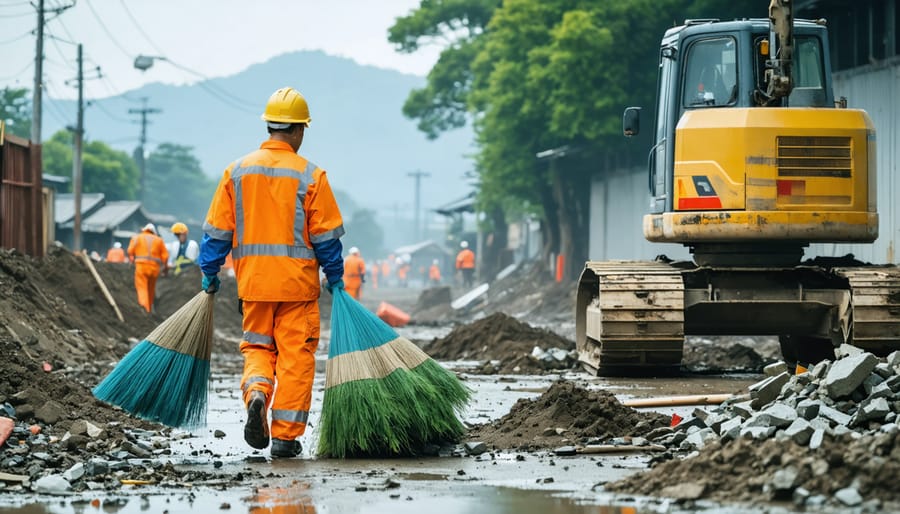
Material Recovery and Salvage
Before disposing of construction waste or workshop materials, take a methodical approach to identify items with residual value. Segregate materials like metals, timber offcuts, and intact fixtures immediately at your work site. Even damaged copper piping, aluminum window frames, and steel reinforcement bars have scrap value that can offset disposal costs.
Establish relationships with local scrap metal dealers and recycling facilities in your area. Many pay competitive rates for sorted materials, particularly copper, brass, and clean aluminum. Keep materials separated by type to maximize returns—mixed loads typically fetch lower prices. Photograph and weigh materials before transport to maintain accurate records for your projects.
For timber and plasterboard, connect with community groups or renovation projects that accept salvaged materials. Online marketplaces and local trading platforms enable you to sell or donate reusable items like doors, windows, and bathroom fixtures. Some recycling facilities specialize in construction waste and offer collection services for larger quantities, making the process more convenient.
Document your material recovery efforts, noting weights and revenues generated. This data helps you refine future waste management strategies while demonstrating environmental responsibility to clients who increasingly value sustainable practices.
Training Your Team on Waste Management
Getting your team to embrace waste sorting doesn’t require complex training programs. Start with a simple 15-minute briefing at the beginning of each project explaining Japan’s five basic categories: combustibles, non-combustibles, recyclables, oversized items, and hazardous materials. Adapt these to your site’s needs—perhaps wood scraps, metals, plastics, general waste, and chemicals.
Visual aids work best. Post color-coded signs at disposal points showing what goes where, using photos of common construction materials rather than written lists. Many DIYers and crews respond better to pictures than paragraphs.
Make one person responsible for waste oversight on each project. This waste champion checks bins daily and provides gentle reminders when sorting slips. Rotate the role weekly so everyone develops awareness.
Share the benefits directly. Calculate money saved through reduced skip collections or materials resold for scrap, then celebrate these wins. When your team sees tangible results—whether environmental impact or cost savings—commitment follows naturally. Consider creating a suggestion box for waste reduction ideas, rewarding practical innovations that emerge from those actually handling materials daily.
Small Changes That Make Big Differences
You don’t need to overhaul your entire operation to see meaningful results. Japanese waste management principles thrive on incremental improvements that compound over time. Here are practical changes you can implement today in your workshop or on your construction site.
Start with a five-minute rule at the end of each workday. Before packing up, spend just five minutes sorting waste into designated containers. This mirrors Japan’s community approach where everyone takes responsibility for proper disposal. You’ll find this habit prevents the overwhelming cleanup sessions that usually end with everything going into a single skip.
Create a scrap material library in your workspace. Keep organized bins or shelves for offcuts of timber, metal, piping, and electrical components. Label them clearly by material type and size. Many Japanese workshops treat these scraps as inventory rather than waste. That leftover copper piping from Tuesday’s job might be exactly what you need on Friday, saving you a trip to the supplier.
Switch to refillable containers for frequently used consumables like cutting fluid, cleaning solutions, and adhesives. Rather than buying small disposable bottles, invest in larger containers and decant what you need. This simple change reduces packaging waste by up to 80 percent and typically costs less over time.
Implement a tool checkout system, even if you’re a sole trader. Keep a simple log of which tools you’re using for which projects. This awareness helps you identify equipment sitting idle that you could loan to other tradespeople or return to hire centers sooner, reducing unnecessary resource hoarding.
Finally, designate one clearly marked collection point for batteries, aerosol cans, and other hazardous materials. Making disposal effortless means you’ll actually do it properly rather than letting these items accumulate in random corners.
Japan’s approach to waste management demonstrates that transformation doesn’t require perfection—it requires commitment to practical, consistent habits. By implementing even one or two of these practices on your worksite or in your workshop, you’ll notice immediate benefits: lower skip hire costs, reduced material waste, and cleaner, safer working environments. These aren’t just environmental wins; they’re smart business decisions that protect your bottom line while contributing to a more sustainable industry.
The beauty of these methods lies in their scalability. Whether you’re a weekend DIYer tackling a bathroom renovation or a professional contractor managing multiple sites, the principles remain the same: separate materials at source, plan purchases carefully, and choose reusable options like tool hire over single-use purchases.
Start small. Choose one practice from this guide—perhaps implementing a simple sorting system or renting instead of buying your next specialized tool—and commit to it for your next project. Then share your experience. What worked? What challenges did you face? Your insights could help fellow tradespeople and DIY enthusiasts make their own worksites more efficient and sustainable. Real change happens when communities learn from each other, one practical step at a time.
Related Posts


Post a Comment