
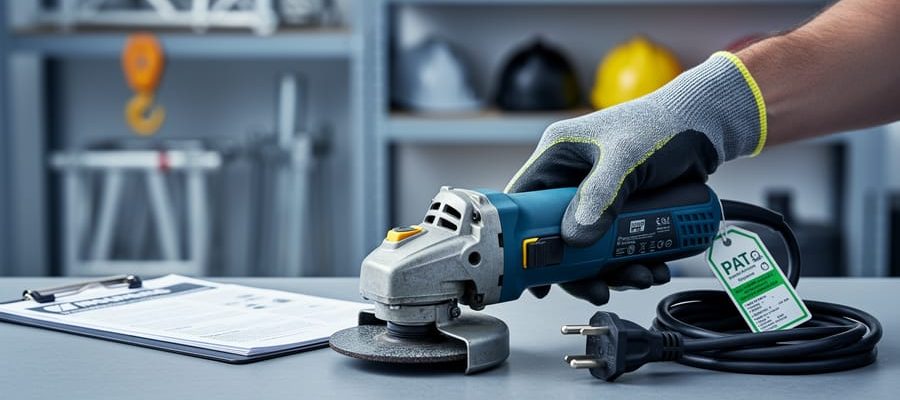
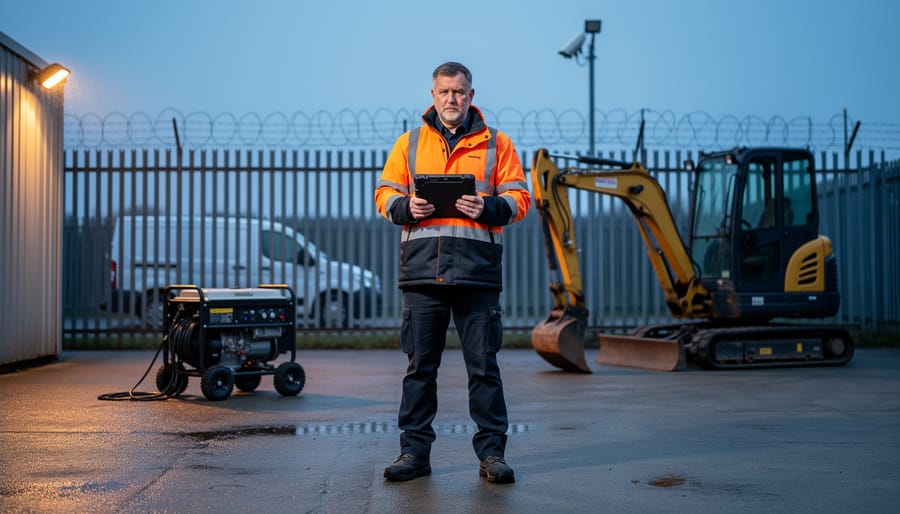
Tool theft costs the UK construction and hire industry over £800 million annually, with thousands of power tools, excavators, and specialist equipment disappearing from sites and rental facilities each year. Asset recovery investigations represent the specialized process of tracking down, locating, and reclaiming stolen equipment through a combination of digital tracking, physical searches, and legal recovery procedures.
When your hired cement mixer vanishes from a job site or your rental fleet experiences mysterious losses, asset recovery investigators step in where police resources end. These professionals use serial number databases, online marketplace monitoring, scrapyard networks, and GPS tracking data to follow equipment trails. For hire companies, the difference between writing off a £5,000 generator and recovering it often hinges on immediate action within the first 48 hours after theft.
The investigation process typically involves documenting ownership, analyzing theft patterns, monitoring resale platforms like Facebook Marketplace and Gumtree, and coordinating with law enforcement for legal seizure. Recovery rates vary significantly, from 15% for unmarked hand tools to over 60% for GPS-tracked machinery, making preventative measures equally crucial as post-theft investigations.
Whether you operate a tool hire business managing hundreds of assets, work as a tradesperson renting equipment for projects, or recently discovered your hired items missing, understanding how asset recovery investigations function protects your financial interests and contributes to disrupting organized theft networks. This comprehensive guide explains the investigation process, outlines realistic expectations for recovery success, and provides actionable steps for both preventing theft and maximizing recovery chances when it occurs.
Understanding the Scale of Tool Hire Theft
Why Hired Tools Are Prime Targets
Rental equipment presents unique vulnerabilities that make it particularly attractive to thieves. Unlike personal tools, hired items change hands frequently, creating a revolving door of temporary possession that’s difficult to monitor. This constant movement provides natural cover for theft, as missing equipment might not be noticed immediately among regular returns and new hires.
The anonymity factor plays a significant role too. While legitimate hire companies verify customer details, thieves can exploit gaps in the system by using false information or stolen identities. Once the equipment disappears, tracing it becomes challenging since the thief has no genuine connection to the item.
Resale value is another major draw. Professional-grade tools and machinery command strong prices on second-hand markets, online auction sites, and through informal networks. Thieves know they can quickly convert stolen hire equipment into cash, often selling to unsuspecting buyers who have no way of verifying the item’s origin.
Perhaps most critically, there’s typically no ownership verification system in place when buying used tools. Unlike vehicles with registration databases, most equipment lacks traceable documentation, making it nearly impossible for buyers to confirm whether an item is legitimately owned or stolen. This gap in verification essentially creates a low-risk, high-reward scenario for criminals targeting the hire industry.
The Real Cost to DIYers and Tradespeople
When equipment gets stolen from hire companies, the financial impact ripples out to everyone who relies on rental tools. These costs affect you directly, even if you’ve never experienced theft yourself.
Firstly, tool theft reduces the available inventory. When popular equipment disappears, you’ll find fewer options when you need them most, leading to project delays and lost work time. Hire companies can’t simply replace stolen items overnight, especially with supply chain pressures affecting equipment availability.
Insurance premiums climb across the board when theft increases. Companies recovering from asset losses face higher premiums, and they typically pass these expenses to customers through increased rental rates. This is one of several factors explaining why rental costs increase year after year.
Deposit requirements also become stricter. Many hire businesses now demand larger security deposits or more rigorous identification checks, creating barriers for legitimate renters, particularly newcomers to the trade or DIY enthusiasts starting their first major project.
The broader community impact includes reduced investment in newer, better equipment. When companies spend resources on asset recovery investigations and replacement costs, they have less capital for upgrading their fleet with the latest tools and technology that could make your projects easier and more efficient.
What Are Asset Recovery Investigations?
The Players Involved
When tools go missing from hire companies, several key players work together to track them down. Understanding who’s involved can help both business owners and renters navigate the recovery process more effectively.
Most established hire companies maintain internal security teams as their first line of defense. These professionals monitor equipment movements, investigate discrepancies, and work directly with customers when items aren’t returned on schedule. They’re often your initial point of contact if there’s an issue with a rental.
For more complex cases involving suspected theft or fraud, specialized private investigators step in. These experts focus specifically on asset recovery, using skip tracing techniques, database searches, and field investigations to locate missing equipment. They’re particularly valuable when standard recovery attempts fail.
Law enforcement partnerships play a crucial role, especially when theft is confirmed. Police work with hire companies to file reports, investigate organized theft rings, and prosecute offenders. However, it’s worth noting that police resources are limited, so they typically prioritize high-value cases or patterns of criminal activity.
Insurance investigators also enter the picture when claims are filed for stolen or damaged equipment. They verify the circumstances of the loss, assess whether proper security measures were followed, and determine claim validity. Their findings directly impact whether hire companies receive compensation for missing assets.
How Tool Recovery Investigations Actually Work
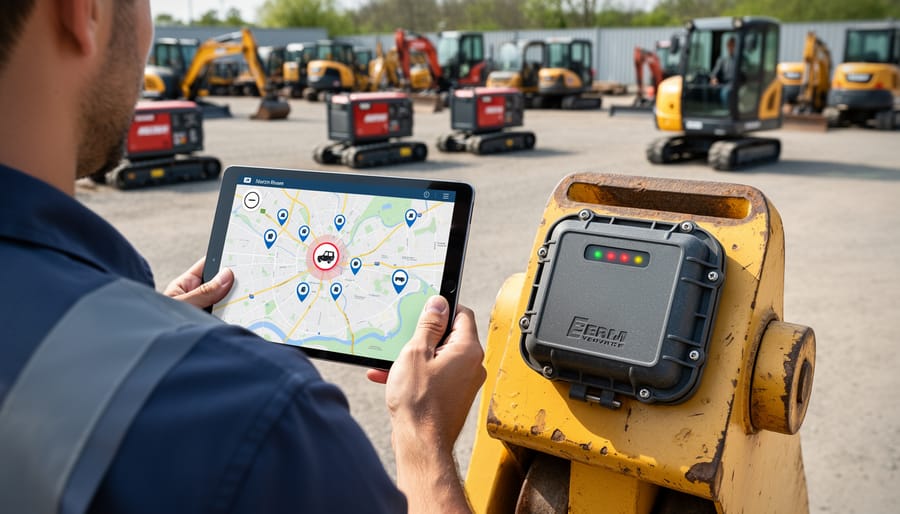
Digital Tracking and GPS Technology
Modern technology has transformed how hire companies track and recover stolen equipment. GPS trackers have become a game-changer in asset recovery, with devices now small enough to hide inside power tools, machinery, and equipment cases. These trackers send real-time location data to owners, creating a digital breadcrumb trail that law enforcement can follow.
RFID tags (Radio Frequency Identification) work similarly but at shorter ranges, making them perfect for inventory management and tracking items within warehouses or job sites. When equipment goes missing, these tags can trigger alerts the moment tagged items leave designated areas without authorization.
IoT devices (Internet of Things) take tracking further by combining location data with usage patterns. For example, a smart compressor might report not just where it is, but whether it’s being operated, helping distinguish between theft and legitimate hire usage.
Real-world success stories demonstrate this technology’s effectiveness. A London hire company recently recovered £50,000 worth of scaffolding equipment within 48 hours using GPS trackers, leading police directly to a storage unit. In another case, a construction firm in Manchester located stolen generators across three different sites using RFID scanning, resulting in multiple arrests.
The key advantage is speed. Traditional recovery methods could take weeks or months, but digital tracking often locates assets within hours or days. Most systems send instant notifications when equipment moves unexpectedly, allowing quick response before stolen items disappear into black markets or get stripped for parts.
For hire companies considering these solutions, costs have dropped significantly. Basic GPS trackers now start around £20-30 per unit, making them viable even for smaller operations protecting high-value inventory.
Following the Paper Trail
When equipment goes missing, recovery specialists become detectives, piecing together evidence from multiple sources. The investigation typically begins with rental agreements, which contain vital customer information including names, addresses, contact details, and identification numbers. These documents form the foundation of any recovery effort.
Payment records reveal additional clues. Credit card transactions, bank transfers, and digital payment histories create a traceable path that investigators can follow. Many thieves don’t realize that even prepaid cards leave digital footprints that can be tracked back to purchase locations.
Identification documents submitted during rental provide photographs and verified details, though experienced investigators know these can sometimes be forged. Cross-referencing ID information with other databases often reveals inconsistencies that point toward fraudulent rentals.
Surveillance footage has become increasingly valuable in asset recovery. Security cameras at rental locations capture not just faces, but vehicles, accomplices, and behavioral patterns. Modern investigators combine this footage with CCTV from nearby businesses and traffic cameras to map out theft routes.
Digital breadcrumbs matter too. GPS tracking devices hidden in high-value equipment transmit real-time location data, while social media posts occasionally reveal stolen tools being used or sold. Recovery specialists search online marketplaces where thieves frequently attempt to flip stolen equipment quickly.
Together, these investigative tools create a comprehensive picture that helps authorities locate missing assets and identify those responsible.

Monitoring Resale Markets
When stolen tools and equipment enter the resale market, they often leave a traceable trail. Professional asset recovery investigators systematically monitor several key channels where stolen goods typically resurface.
Online marketplaces like Facebook Marketplace, Gumtree, and eBay are primary targets for investigation. Investigators use advanced search techniques and tracking software to identify recently listed items matching stolen equipment descriptions, serial numbers, and distinctive markings. They pay particular attention to sellers offering multiple high-value tools at suspiciously low prices or those with limited selling history.
Physical locations remain equally important. Pawn shops are legally required to maintain detailed transaction records, making them valuable investigation points. Second-hand tool retailers, cash converters, and specialist trade equipment stores also feature prominently in recovery efforts.
Active construction sites require careful monitoring too. Thieves sometimes reuse stolen equipment on new projects or sell directly to contractors seeking bargain prices. Proper construction site security measures can prevent this cycle.
Community input proves invaluable here. If you spot your stolen equipment online or in a shop, never confront the seller directly. Instead, contact police immediately with screenshots, listing details, and location information. This collaborative approach between investigators, law enforcement, and the trade community significantly improves recovery success rates.
Prevention Tactics Hire Companies Use
Smart Technology Solutions
Modern technology is transforming how hire companies protect their equipment and recover stolen assets. GPS tracking devices have become more affordable and sophisticated, allowing real-time monitoring of tool locations. When equipment moves outside designated zones, geofencing technology automatically sends alerts to owners, enabling immediate response to potential theft.
Some manufacturers now build immobilization systems directly into high-value equipment like generators and compressors. These systems can remotely disable stolen items, rendering them useless to thieves and increasing recovery chances. The technology works similarly to car immobilizers, requiring authentication before the equipment operates.
Blockchain-based ownership records are an emerging solution that creates tamper-proof digital certificates for tools and machinery. This technology makes it nearly impossible for thieves to sell stolen equipment through legitimate channels, as buyers can instantly verify ownership history. While still relatively new in the tool hire industry, early adopters report promising results.
Smart locks and IoT-enabled storage solutions add another layer of protection, logging every access attempt and providing detailed audit trails. These systems integrate with existing security cameras and alarm systems, creating comprehensive protection networks that both deter theft and provide crucial evidence for investigations when incidents occur.
What You Should Do When Hiring Tools
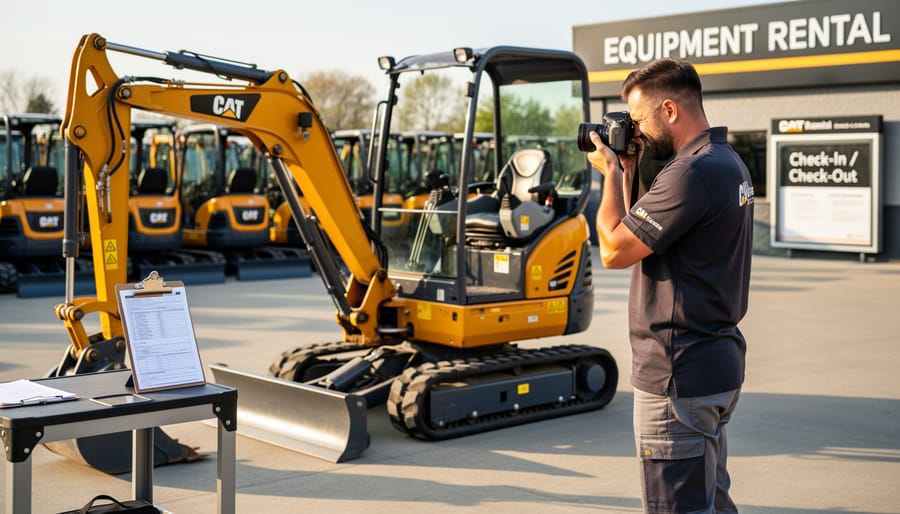
If Your Hired Equipment Gets Stolen
Discovering that hired equipment has been stolen can be stressful, but taking prompt action is crucial. Here’s what you need to do immediately.
First, contact the hire company as soon as you realize the theft has occurred. Most rental agreements require notification within 24 hours, and delays could affect your position regarding liability. Be honest and provide all relevant details about when and where the theft happened.
Next, report the theft to the police. You’ll need a crime reference number for insurance purposes and to demonstrate you’ve taken appropriate action. Provide specific details including the equipment’s make, model, and any serial numbers listed on your hire agreement. The police report becomes essential documentation for all subsequent steps.
Document everything thoroughly. Take photos of the theft location, secure any CCTV footage if available, and gather witness statements. This evidence strengthens your case and may assist in asset recovery investigations that the hire company initiates.
Contact your insurance provider immediately. Depending on your coverage, your personal contents insurance might cover hired equipment, though this varies significantly. Review the hire company’s terms regarding theft liability and insurance considerations carefully.
Understand your liability position. Most hire agreements include a damage waiver or excess fee, but you’re typically responsible until equipment is returned safely. However, if you’ve taken reasonable security precautions and can demonstrate this, your liability may be reduced. Keep all receipts, communications, and documentation organized as you’ll likely need them throughout the claims process.
Recent Recovery Success Stories
Real-world recoveries demonstrate how combining professional investigation with community awareness creates powerful results. These recent cases highlight practical approaches that worked and lessons anyone can learn from.
In Manchester, a hire company recovered £12,000 worth of excavation equipment within 48 hours after a customer reported seeing their distinctive yellow mini-digger being transported on a trailer that didn’t match the hire documentation. The customer had noted the registration number and contacted the company immediately. Investigators used GPS tracking data to confirm the location, and police recovered the equipment before it could be disguised or sold on. This case shows why clear communication with your customer base matters—that observant renter became the eyes on the ground.
A Midlands-based tool hire business recovered stolen power tools valued at £3,500 through online marketplace monitoring. An employee routinely checking local selling sites spotted their uniquely marked equipment listed at suspiciously low prices. They had implemented a simple but effective marking system using UV pens with their postcode on internal components. When investigators examined the tools, these hidden marks provided undeniable proof of ownership. The key takeaway here is that basic security marking, combined with regular monitoring of selling platforms, creates a workable recovery strategy even for smaller operations.
Community vigilance proved essential in a Surrey recovery where building contractors noticed rental equipment being used on an unauthorized site. They contacted the hire company after recognizing the branding, leading to the recovery of generators and compressors worth £8,000. This case reminds us that the construction community often knows when something doesn’t add up—creating channels for people to report concerns safely and easily pays dividends for everyone in the trade.
Asset recovery investigations play a vital role in maintaining fair hire costs and ensuring equipment remains available for everyone in our community. When stolen tools are successfully recovered, hire companies can keep their rental rates competitive rather than passing losses onto customers. More importantly, these investigations help return valuable equipment to circulation, reducing wait times and ensuring the tools you need are there when you need them.
We encourage you to be part of the solution. If you notice suspicious activity at hire shops or job sites, report it to the authorities and the hire company immediately. Your vigilance can make a real difference. Share your experiences and insights in community forums where tradespeople and DIY enthusiasts exchange practical advice about protecting equipment and identifying risks. These conversations help everyone stay one step ahead of theft.
Stay informed about the latest recovery successes, prevention techniques, and industry developments through Tool Hire Theft and Asset Recovery News updates. Knowledge is your best defence against equipment theft. Together, by remaining alert, sharing information, and supporting recovery efforts, we can protect the tool hire industry and keep costs fair for everyone. Join the conversation today and help build a more secure hire community.
Related Posts

Post a Comment