


Establish a comprehensive safety protocol before introducing any robotic equipment to your worksite by conducting a thorough risk assessment that identifies pinch points, collision zones, and emergency stop locations. Unlike traditional power tools, collaborative robots and automated equipment create dynamic work environments where humans and machines share space, requiring workers to understand proximity sensors, safety zones, and proper shutdown procedures.
Implement hands-on training sessions that go beyond instruction manuals. Workers must physically practice emergency stop activation, recognize warning signals, and understand the robot’s movement patterns under supervision. For rental operations, this means dedicating 2-3 hours of orientation time before allowing independent operation, with refresher courses for equipment that hasn’t been used in 90 days.
Create clear visual markers on your worksite using floor tape, barriers, and signage that designate robot operating zones. Studies show that 60% of robot-related incidents occur when workers enter active zones unexpectedly, making spatial awareness your primary defense. Every operator should know the equipment’s reach radius and maintain proper clearance distances.
Document all training through signed checklists and competency demonstrations rather than relying on verbal confirmations. This protects your business legally and ensures accountability. For contractors managing multiple sites or rental centers serving diverse clients, standardized training documentation creates consistency and allows you to track which workers have certified competencies with specific robotic equipment models.
The investment in proper robot safety training pays immediate dividends through reduced incidents, increased productivity, and worker confidence when operating advanced equipment.
Why Robots on Job Sites Demand a Different Safety Approach
The Blind Spots Traditional Safety Training Misses
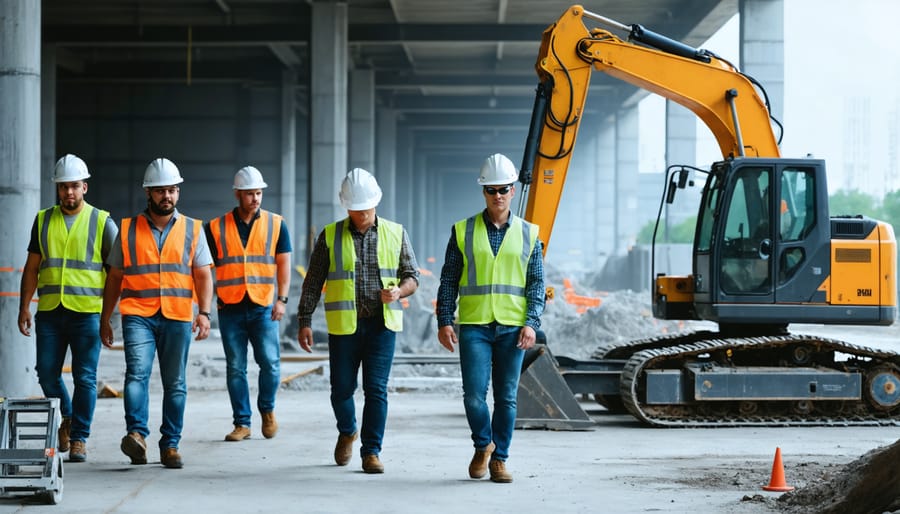
Traditional tool safety training focuses on static equipment—power saws, drills, and manual machines. But robotic equipment introduces entirely new hazards that conventional programs simply don’t address. Understanding these blind spots is essential before bringing automated tools into your workspace.
Most importantly, standard training doesn’t cover unpredictable automated behavior. Unlike a circular saw that only operates when you pull the trigger, robots follow programmed routines that can activate unexpectedly. Workers trained on traditional tools may not recognize when a robot enters its operational zone or anticipate its movement patterns.
Sensor limitations present another critical gap. Robotic equipment relies on cameras, proximity sensors, and safety scanners to detect obstacles. However, these sensors can fail in dusty environments, bright sunlight, or when detecting certain materials. Traditional safety training never addresses how to work around these technological limitations or recognize when sensors aren’t functioning properly.
Emergency shutdown protocols differ significantly from conventional equipment. While most workers know to hit the red button on a table saw, robotic systems often require specific shutdown sequences to prevent damage or injury. Understanding e-stops, pause functions, and safe restart procedures requires specialized training that goes beyond basic innovative safety measures. Without this knowledge, workers may inadvertently create dangerous situations when attempting to intervene during malfunctions.
Common Injuries and Near-Misses Worth Learning From
Industry data reveals that approximately 60% of robotic equipment incidents stem from inadequate training rather than equipment malfunction. A common near-miss involves workers entering a robot’s operational zone without following lockout-tagout procedures, often because they weren’t aware of the machine’s full range of motion. In one reported case, a collaborative robot’s sensitivity settings weren’t properly explained to operators, leading to unexpected shutdowns that frustrated workers enough to bypass safety features.
Pinch point injuries represent another frequent occurrence, particularly with automated material handling equipment. These happen when workers attempt to clear jams or retrieve items without powering down the system first. Statistics show that facilities with comprehensive robot safety training experience 73% fewer incidents than those relying solely on equipment manuals.
Perhaps most telling are the near-misses involving rental equipment, where operators assume industrial robots function like traditional power tools. One contractor reported a close call when workers didn’t understand that a robotic arm continues its programmed path even when obstacles appear. These real-world examples underscore why hands-on training that simulates actual workplace scenarios proves far more effective than classroom-only instruction in preventing accidents.
Essential Components of Effective Robot Safety Training
Understanding Robot Work Zones and Safety Perimeters
Understanding where robots operate and how to maintain safe distances is fundamental to preventing workplace accidents. Safety zones create protective boundaries that separate workers from moving machinery, reducing collision risks and establishing clear operational areas.
Most robotic systems require three distinct safety perimeters. The hazard zone is the immediate area where the robot operates—no one should enter while it’s running. The warning zone surrounds this space, marked by floor tape, painted lines, or LED strips, alerting workers they’re approaching restricted areas. Finally, the safeguarded zone uses physical barriers like fencing or light curtains that automatically stop equipment when breached.
Visual markers are your first line of defense. Yellow floor tape is industry standard for warning zones, while red indicates restricted areas. These low-cost solutions work across job sites and rental facilities alike. Many contractors also add safety signage showing the robot’s reach radius and movement patterns.
Proximity sensors add another protection layer, particularly valuable in shared workspaces. These devices detect human presence and trigger automatic shutdowns before contact occurs. When renting robotic equipment, verify which safety features are included and request operator demonstrations.
Regular zone inspections matter too. Check that floor markings remain visible, sensors function properly, and barriers stay secure. Community feedback from other rental users often highlights practical zone configuration tips specific to different robot types and work environments.

Emergency Stop Procedures Everyone Must Know
Every work environment with robotic equipment needs clear emergency stop procedures. Understanding these steps can prevent injuries and equipment damage, making them essential knowledge for anyone working near or with robotic tools.
Start with the primary E-stop: Every robot has a clearly marked red emergency stop button. Press it firmly and completely—don’t tap it. This immediately cuts power to the robot’s motors while keeping safety systems active. Once pressed, the button stays locked until manually released by a qualified person who has assessed the situation.
If the primary E-stop fails or is inaccessible, locate the secondary controls. Most industrial robots have multiple E-stop stations positioned around the work cell. Know where each one is located before beginning any task. This knowledge is as crucial to construction site safety as wearing proper protective equipment.
When both primary and secondary stops fail, immediately activate the main power disconnect. This switch, usually located on the robot’s control cabinet or power supply, completely removes electrical power. Only use this as a last resort, as it may cause data loss or damage.
After any emergency stop, never attempt to restart the robot yourself. Wait for trained maintenance personnel to inspect the system, identify the cause, and clear the equipment for operation. Document what happened and report it immediately to your supervisor.
Personal Protective Equipment for Robotic Operations
Working around robotic equipment demands specialized protective gear beyond your standard hard hat and steel-toed boots. Start with cut-resistant gloves rated ANSI A4 or higher when handling robotic components or performing maintenance—robot pinch points and sharp edges pose unique hazards. Safety glasses alone won’t cut it; opt for full face shields when working within the robot’s operational envelope, as fast-moving mechanical arms can generate flying debris or unexpected contact.
Anti-static clothing becomes essential when working with sensitive robotic sensors and control systems. A simple static discharge can damage expensive components or trigger unexpected movements. Hearing protection matters too, since industrial robots often operate at noise levels exceeding 85 decibels during high-speed operations.
Consider hi-visibility clothing with reflective strips, especially in shared workspaces where robots and humans collaborate. This helps both human coworkers and vision-equipped robots identify your presence. For collaborative robot (cobot) applications, some facilities require force-limiting wearables that trigger emergency stops upon impact.
Before renting or purchasing robotic equipment, ask the supplier about their recommended PPE specifications. Many rental operators now include PPE requirement sheets with their robotic tool packages, and user reviews often highlight which protective gear works best for specific applications.
Communication Protocols Between Humans and Machines
Establishing clear communication with robotic equipment requires understanding how machines perceive their environment. Most collaborative robots use sensors, cameras, and predefined zones to detect human presence. Before entering a robot’s workspace, always signal your approach through designated entry protocols—this might include pressing a pause button, using a light curtain system, or waiting for an acknowledgment signal from the machine’s interface.
Movement coordination is essential when working alongside automated equipment. Maintain deliberate, predictable motions rather than sudden movements that sensors might misinterpret. Many modern systems use visual indicators like colored lights: green typically means normal operation, yellow signals caution or reduced speed, and red indicates a stop condition. Familiarize yourself with your specific equipment’s signal system before beginning work.
Workspace awareness means constantly monitoring both the robot’s position and your own. Establish a mental map of the robot’s operational envelope—the three-dimensional space where it can reach and move. Never assume a stationary robot is powered down; always verify its status through the control panel. Use floor markings, barriers, or virtual boundaries to create clear separation zones. When multiple workers share space with automated equipment, implement a buddy system where team members watch for each other’s safety and communicate verbally about robot movements and status changes.
Implementing Robot Safety Training in Your Operation
Creating a Training Schedule That Actually Works
A practical training schedule balances thoroughness with workplace realities. For initial robot safety training, allocate a full day (6-8 hours) for comprehensive instruction. This should cover fundamental safety principles, emergency protocols, and hands-on practice with the specific equipment you’re using.
Schedule refresher sessions every six months for teams working regularly with robotic equipment. These 2-3 hour sessions reinforce critical safety procedures and address any near-misses or incidents since the last training. For seasonal workers or those using robots infrequently, quarterly refreshers maintain competency.
Equipment-specific training is essential when introducing new robotic models to your worksite. Plan for 3-4 hours per machine type, focusing on unique hazards and operational differences. Many rental companies offer tailored safety training when you hire equipment, which can be more cost-effective than generic programs.
Consider implementing brief 15-minute safety huddles at the start of each shift where robots are in use. These quick check-ins keep safety top-of-mind without disrupting productivity. Document all training sessions and maintain individual worker certifications to ensure compliance and identify when retraining is needed. Community feedback from other contractors suggests this structured approach significantly reduces incidents while remaining manageable for busy operations.
Low-Cost Training Resources You Can Start Using Today
You don’t need a massive budget to get started with robot safety training. Many equipment manufacturers offer free training materials when you purchase or rent their robotic tools. These resources typically include video tutorials, quick-start guides, and safety checklists specific to their equipment. Always request these materials from your rental provider before taking equipment off-site.
Online platforms like YouTube host community-created tutorials where experienced operators share real-world insights about working safely with collaborative robots and automated equipment. While these shouldn’t replace formal training, they provide practical tips that textbooks often miss. Look for channels run by certified trainers or industry professionals with verifiable credentials.
Industry associations and OSHA provide downloadable safety modules at no cost. These cover fundamental concepts like lockout-tagout procedures, emergency stop protocols, and proper programming boundaries. Many are available as PDF guides you can print for your team.
Consider creating a training library by collecting manufacturer manuals, organizing them by equipment type, and adding notes based on your team’s experiences. This user-generated documentation becomes increasingly valuable as you identify common questions or near-miss situations. Encourage workers to contribute their observations, turning everyday challenges into learning opportunities for the entire crew.
Documentation and Certification Requirements
Proper documentation serves as your proof of compliance and helps protect both your business and workers. Keep detailed training records for each employee or rental customer, including the date of training, specific robotic equipment covered, trainer credentials, and assessment results. These records should be maintained for at least three years, though some jurisdictions may require longer retention periods.
For rental operations, create a simple sign-off sheet that customers must complete before taking robotic equipment off-site. This sheet should confirm they’ve received safety orientation, understand the equipment’s limitations, and know emergency shutdown procedures. Consider taking a quick video of the customer demonstrating basic safety controls—this provides valuable documentation while ensuring they truly understand the equipment.
Verify training effectiveness through practical demonstrations rather than just written tests. Ask trainees to identify hazards, demonstrate emergency stops, and explain safe work zones around the robot. For ongoing compliance, schedule refresher training annually or whenever equipment changes. Conduct brief safety audits by observing workers during actual robot operation, noting any unsafe practices that indicate gaps in training.
Keep manufacturer safety data sheets, equipment manuals, and incident reports together with training records. If you’re part of a tool rental community, share anonymized incident reports and lessons learned—this community-driven approach helps everyone improve their safety programs without repeating others’ mistakes.
Special Considerations for Tool Rental Operations

Quick Safety Briefings for Rental Customers
Rental centers face unique challenges when providing safety training—customers need critical information quickly without overwhelming them during pickup. The solution is a streamlined briefing that covers essentials in under five minutes while ensuring customers understand key risks.
Start with a three-point safety card that addresses the robot’s specific hazards. For example, an autonomous floor scrubber needs warnings about: unexpected movement patterns, emergency stop locations, and keep-out zones while operating. Use visual diagrams rather than text-heavy instructions, as customers retain image-based information better when they’re eager to start their project.
Create a quick demonstration protocol where staff show rather than tell. Walk customers through the emergency stop sequence, let them practice it once, and verify they understand the robot’s operational boundary. This hands-on approach takes two minutes but dramatically reduces misuse.
Document everything with a simple checkout form that includes photo documentation of the safety briefing. Many rental operators now use tablets to record a 30-second video of customers acknowledging they’ve received and understood the safety orientation. This protects both parties and creates accountability.
Consider developing QR code links to detailed video tutorials that customers can review on-site before beginning work, providing backup support without extending pickup time.
Safety Technology Features to Prioritize When Purchasing Rental Equipment
When selecting robotic equipment for your rental inventory, prioritize features that protect users of varying skill levels. Look for machines with emergency stop buttons positioned at multiple accessible locations—these should be large, red, and immediately identifiable. Collision detection sensors are non-negotiable, automatically halting operation when unexpected contact occurs. Choose models with clearly labeled control interfaces using universal symbols and color-coded warnings that don’t require extensive interpretation.
Speed limiters allow operators to adjust robotic movement speed based on their comfort level, making equipment suitable for both experienced tradespeople and first-time users. Presence-sensing safety mats create invisible barriers that pause operations when someone enters a hazardous zone. Many rental customers appreciate equipment with visual and audible alerts that signal when the robot is active or about to move.
Consider robots with user-friendly programming interfaces that incorporate essential safety technology like automatic workspace mapping and obstacle avoidance. Battery-powered models with transparent charge indicators prevent unexpected shutdowns mid-operation. Review community feedback from previous renters to identify which safety features prove most valuable in real-world applications. Equipment with comprehensive safety certifications and detailed operator manuals demonstrates manufacturer commitment to user protection while reducing your liability exposure.
Maintaining Safety Standards as Technology Evolves
Technology in robotics advances rapidly, and your safety training must keep pace. Robotic equipment you’re using today may receive software updates that change operational parameters, introduce new features, or alter safety protocols. Establish a systematic approach to monitor these changes and update your training accordingly.
Start by subscribing to manufacturer notifications and safety bulletins for all robotic equipment in your fleet. Many manufacturers now offer automated alerts when firmware updates are released or new safety guidelines are published. Create a tracking system to log when updates occur and document any training modifications needed as a result.
Schedule quarterly reviews of your robot safety training materials. During these reviews, compare your current procedures against the latest industry standards from organizations like the International Organization for Standardization (ISO) and the Robotic Industries Association. This ensures your team benefits from the collective knowledge of the broader industry.
Leverage your workforce’s experience by encouraging operators to report unexpected equipment behaviors or near-miss incidents. These real-world observations often reveal emerging hazards before they become widespread problems. Integrate this feedback into your training updates, creating a continuous improvement cycle that strengthens your onsite risk management approach.
Consider joining industry forums or local trade associations where professionals share experiences with robotic equipment. These communities provide valuable insights about challenges others have encountered and practical solutions that work in real-world conditions. Many tool rental operators find that peer-to-peer learning complements formal manufacturer training effectively.
Robot safety training isn’t just another checkbox on your compliance list—it’s a genuine investment in protecting your team and keeping operations running smoothly. When workers understand how to safely interact with robotic equipment, you’ll see fewer accidents, less downtime, and more confident employees who can maximize the technology’s benefits.
The best part? You don’t need to tackle everything at once. Start with fundamental protocols like establishing clear safety zones, implementing lockout-tagout procedures, and ensuring everyone understands emergency stop procedures. As your team grows more comfortable, you can layer in advanced training on specific robotic systems relevant to your operations.
Remember, you’re not alone in navigating this evolving landscape. The most successful safety programs are built on shared knowledge and real-world experiences. Whether you’re renting robotic equipment for a specific project or integrating it permanently into your workflow, learning from others who’ve faced similar challenges can save you time, money, and headaches.
We’d love to hear from you. What safety protocols have worked best in your operation? Have you discovered any unexpected challenges or clever solutions worth sharing? Drop your experiences and tips in the comments below—your insights could be exactly what another professional needs to create a safer workspace.
Related Posts


Post a Comment