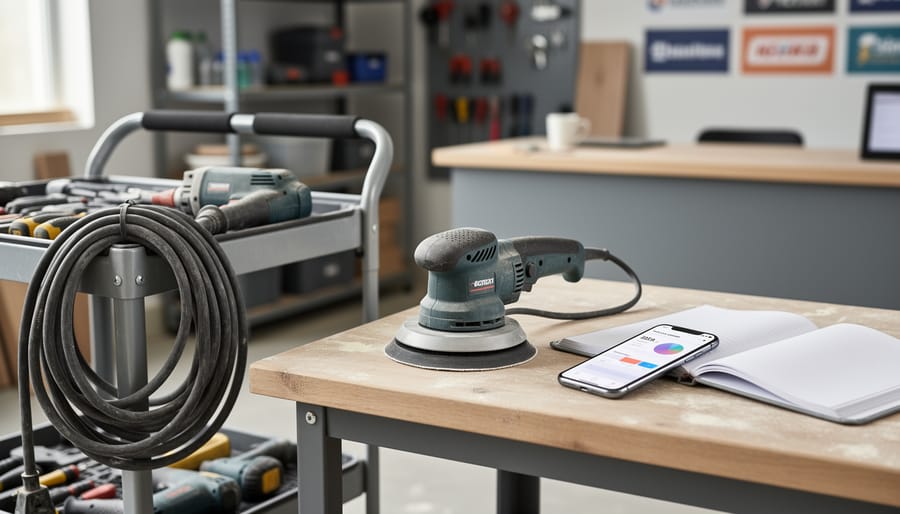
Responsible resource management follows the same principles whether you’re renting a drywall sander for the weekend or deciding how much to spend on entertainment. The connection between tool rental and responsible online casino play through platforms like moonbet lies in shared discipline: setting clear budgets, tracking time commitments, understanding when to walk away, and recognizing that both activities require upfront planning to avoid costly mistakes.
At first glance, these topics seem worlds apart. But our community of DIYers and contractors knows that smart project management demands the same skills that keep recreational spending under control. You wouldn’t rent a concrete mixer without calculating exactly how many hours you need it, budgeting for the rental period, and knowing your project’s scope. That same framework applies to any discretionary spending, including online gaming.
This guide examines the practical overlap between these disciplines. We’ll break down how the budgeting strategies you already use for tool rentals translate directly to responsible entertainment spending, why time management matters in both contexts, and how recognizing your limits protects both your wallet and your project timelines. The goal isn’t to promote gambling but to explore how the responsible habits you’ve built in one area of your life strengthen decision-making across the board. Think of it as project management for your personal budget, with lessons drawn from the rental shop floor and applied to broader financial wellness.
Key Takeaway: Both tool rental and casino activity involve paying for temporary access rather than ownership, require predetermined budgets before starting, and carry the risk of escalating costs when boundaries aren’t enforced from the outset.
The Parallel Principles: Resource Management Across Different Domains
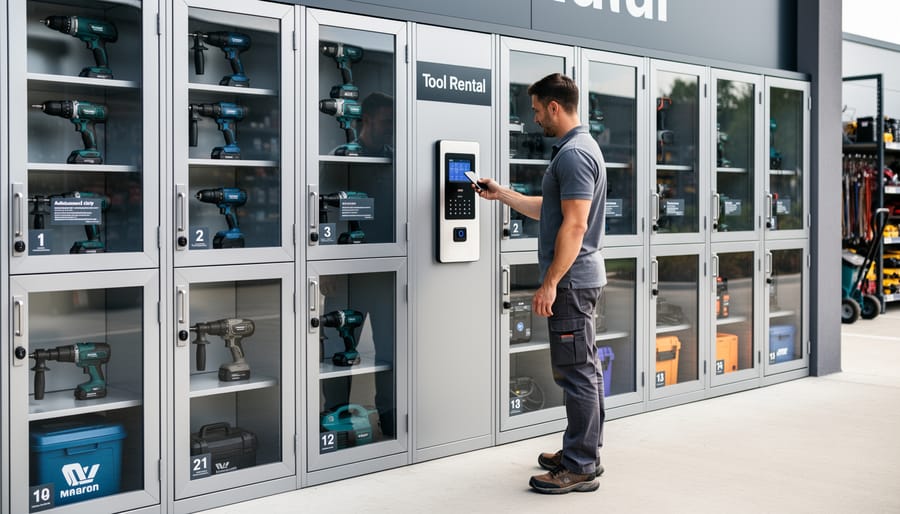
At first glance, renting a power tool and playing online casino games seem worlds apart. Yet both activities share a fundamental structure that demands the same core discipline: you’re paying for temporary access to something, not acquiring it permanently, and that access costs money whether you succeed or fail.
When you rent a jackhammer for a weekend demolition project, you’re not buying the tool, you’re buying time with it. The same principle applies when you deposit funds into a casino account. You’re purchasing entertainment time, not guaranteed returns. In both cases, the clock starts ticking the moment you commit, and the meter runs regardless of outcomes. A rented floor sander costs the same whether you achieve a perfect finish or make a mess of your hardwood. A casino session costs what you spend whether you win or lose.
This temporary-access model creates pressure that ownership doesn’t. When you own a tool, you can take your time, pause indefinitely, or abandon a project without financial penalty. Rentals and casino sessions operate differently, every hour of hesitation, every day of delay, every extended session adds cost. The financial clock never stops.
Both domains also demand upfront planning that many people skip. Walking into a rental shop without knowing exactly which tool you need, how long you’ll need it, or what your total project timeline looks like sets you up for expensive mistakes, multiple trips, wrong equipment, extended rental periods. Similarly, starting a casino session without predetermined limits on time and money creates an environment where decisions get made reactively rather than strategically.
The spiral potential is identical. Tool rental costs compound: you keep the equipment an extra day because you’re “almost done,” then another day because you’ve already spent so much, then you’re paying late fees on top of extended rental charges. Casino sessions follow the same pattern, just one more hour to break even, just one more deposit because you’re due for a win, just one more session because you’ve already invested so much time.
Setting Budgets Before You Begin
The Hidden Costs: What Many People Miss
The advertised rental rate rarely tells the full story. Tool rental centers typically require damage deposits ranging from $100 to $500, money you won’t see again for days or weeks even if the equipment returns in perfect condition. Fuel policies vary wildly, some companies deliver equipment with full tanks and expect the same on return, while others charge premium rates for refueling at their pumps. Damage waivers add another 10-15% to your total, but declining this coverage means you’re personally liable for repairs that can exceed the tool’s actual value.
Late fees escalate quickly, often doubling the daily rate after just a few hours past your return window. Weekend short-term rentals come with their own trap: many companies count Monday as day four if you pick up Friday afternoon, turning a weekend job into a multi-day charge. Insurance requirements for certain equipment can add unexpected costs, particularly for lifts and specialized power tools.
Online casino players face parallel hidden drains. Withdrawal fees can consume 5-10% of winnings, while currency conversion rates include built-in spreads that reduce your actual payout. Bonus offers sound attractive until you discover wagering requirements that demand you bet 30 to 50 times the bonus amount before accessing your funds, a mathematical hurdle most players never clear.
Transaction limits create their own headaches. Many payment processors cap withdrawals at specific amounts, forcing multiple transactions with multiple fees. Processing times stretch to days or weeks, during which funds remain locked and temptation to continue playing runs high.
Understanding these concealed expenses helps you avoid budget overruns in both contexts. Add 20-30% to any quoted price as a realistic buffer for costs that don’t appear in the initial estimate.
Time Management and the Rental Clock
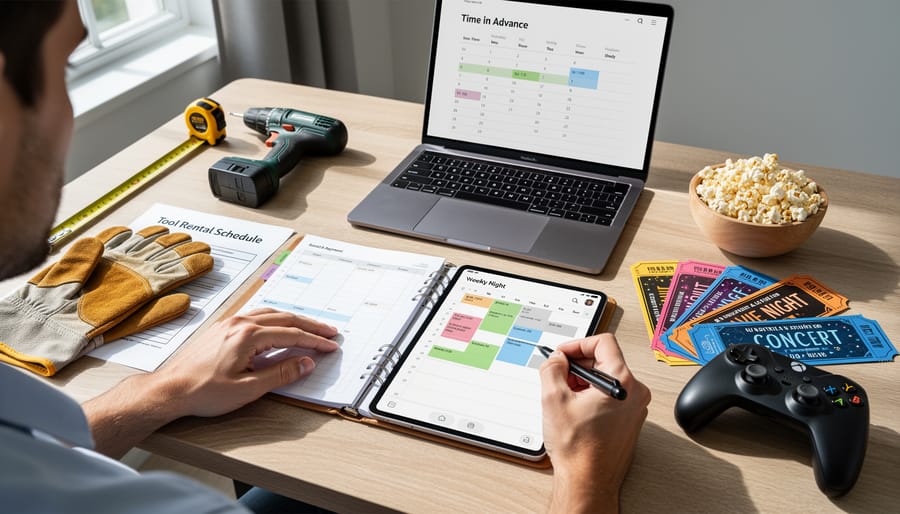
The rental clock starts the moment you pick up equipment, and every hour you’re not actively using that tool costs you money. This fundamental truth applies whether you’re paying by the day, week, or hour, and it’s remarkably similar to how casino sessions operate on a time-value calculation where extended play rarely favours the participant.
Before collecting your rental, complete all preparatory work. Measure your space, gather materials, clear the work area, and read the instruction manual if available online. The most expensive mistake is having a demolition hammer sit idle for three hours while you realize you need to move furniture first. Professional contractors often complete 80% of project prep before rental pickup, maximizing their productive hours with the actual equipment.
Calculate realistic completion times, then add a 20% buffer for unexpected complications. If you estimate six hours for a job, plan for seven to eight. This buffer prevents the costly decision point where you’re approaching the return deadline with work unfinished, do you rush and compromise quality, or extend the rental and absorb additional charges? You can track return dates using calendar alerts or automated reminders to avoid last-minute surprises.
Recognize diminishing returns during your rental period. If you’ve spent four hours on a task that should take two, continuing often means fatigue-induced mistakes rather than progress. Taking a break costs nothing if you’ve rented by the day, but pushing through exhaustion can damage equipment or your project, creating costs that dwarf the rental fee.
The parallel to casino time management is direct: both environments reward people who set firm time limits before starting, who recognize when they’re no longer operating at peak efficiency, and who can walk away when the predetermined endpoint arrives, even if they feel they’re “almost there.”
Knowing When to Walk Away

The most expensive mistake in tool rental isn’t picking the wrong equipment, it’s keeping it too long after you’re finished. The same impulse that keeps people at a slot machine for “just one more spin” drives contractors to hold onto rented excavators for an extra weekend “just in case.”
Sunk cost fallacy hits both scenarios identically. You’ve already paid for Saturday’s rental, so Sunday feels free, even when you have nothing left to do. You’ve already lost fifty dollars at blackjack, so walking away now feels like admitting defeat. Neither reasoning holds up under scrutiny. The money spent is gone regardless of what happens next. Your only question should be: does continuing add value from this point forward?
Create stop conditions before you start. Write them down. “I return the tile saw when the bathroom floor is grouted” or “I leave the table after two hours, win or lose.” External commitments work better than willpower. Schedule the tool return for a specific time, or tell someone when you’ll be home. Accountability structures override momentary impulses.
Watch for rationalization patterns. “I might need to make adjustments tomorrow” translates to “I should keep playing because my luck is about to turn.” Both statements manufacture reasons to continue when the logical decision is to stop. The bathroom floor doesn’t need adjustments, you’re avoiding the inconvenience of returning equipment. You’re not due for a winning streak, probability doesn’t work that way.
The cleanest exit happens when you recognize completion. The deck is built. The drywall is hung. The project reaches its natural endpoint. If you’ve genuinely finished but find yourself inventing reasons to keep the equipment, you’re not managing resources anymore, you’re avoiding the psychology of finality. Successful projects end. Responsible resource use includes knowing exactly when that moment arrives, acknowledging it, and acting immediately.
Community Insights: What Tool Rental Users Say About Discipline
Tool rental communities have developed a wealth of practical wisdom about managing costs and avoiding expensive mistakes. These insights reveal patterns that apply to any situation where convenient access can lead to overspending.
A contractor in Portland shared: “I treat every rental like borrowed money. Before I pick up equipment, I write down exactly what I need to accomplish and how many days it should take. Then I add one day as buffer. If I’m not done by then, something went wrong with my planning, not my timeline.” This approach mirrors the budgeting strategies that prevent overextension in any discretionary spending category.
Multiple users emphasize the importance of tracking actual versus estimated costs. One DIY homeowner noted that keeping a spreadsheet of every rental, including hidden charges like fuel top-ups and cleaning fees, transformed her project planning. “I was consistently underestimating by 30 percent,” she explained. “Once I started logging real numbers, my budgets became accurate and I stopped having those ‘oh no’ moments at the checkout counter.”
The community also stresses the value of honest self-assessment. A landscaper commented: “The biggest money-saver is admitting when you’re in over your head. I’ve returned equipment after half a day when I realized the job needed a professional. That rental fee hurt, but it was nothing compared to what I would’ve spent fumbling around for three more days or, worse, damaging the equipment.”
These voices consistently return to the same themes: plan thoroughly, set firm boundaries, track spending religiously, and recognize when continuing becomes wasteful rather than productive.
Common Questions About Budget-Conscious Tool Rental
How do I create an accurate rental budget for my project?
Start by listing every tool you’ll need and get quotes for the exact rental period required. Add 20-30% contingency for unexpected delays or additional equipment, and include deposits, fuel, and insurance costs that many people overlook.
What’s the best way to avoid unnecessary rental charges?
Return tools during business hours with a full fuel tank and cleaned of debris to prevent refueling fees or cleaning charges. Photograph the equipment condition at pickup and return to dispute any unfair damage claims.
How can I tell if I’m overspending on tool rentals?
If you’re extending rental periods multiple times, renting the same tool repeatedly across several projects, or skipping safety equipment to save money, you’ve likely crossed into inefficient spending territory. Calculate whether the total rental cost approaches 40-50% of the tool’s purchase price, at that point, buying might make more financial sense.
Should I rent from the closest location or shop around?
Price compare between at least three providers, but factor in travel time and fuel costs. Sometimes paying slightly more to choose the right yard closer to your project site saves more money overall than driving across town for a cheaper daily rate.
Budget discipline separates successful tool rental experiences from costly mistakes. The most common pitfall is underestimating how quickly hourly or daily rates accumulate, especially when projects take longer than planned. Track your actual spending against your budget after each rental transaction, not just at the end of the month. This immediate feedback helps you course-correct before small overages become significant problems.
Watch for patterns in your rental history that signal inefficiency. Renting the same concrete mixer four times in six months means you should probably buy one. Consistently paying late fees indicates you need better timeline planning, not just more flexible return policies. Damage charges appearing on multiple invoices suggest you’re rushing jobs or skipping proper equipment handling procedures to save time.
The convenience of walk-in rentals creates the same psychological trap as easy-access entertainment spending, the lower barrier to entry makes it easier to justify incremental decisions that add up. Establish a personal rule that any rental over a certain dollar amount requires 24-hour consideration before commitment. This cooling-off period prevents impulse equipment choices driven by project excitement rather than genuine necessity.
Whether you’re renting a power tool for the weekend or setting aside funds for entertainment, the fundamentals never change. Plan before you spend. Establish clear limits and honor them. Track what you’re using in real time. Recognize the moment to walk away.
The connection between tool rental and responsible spending in other areas isn’t just theoretical, it’s practical. The discipline that prevents you from keeping equipment an extra day you don’t need is the same mindset that stops unnecessary expenses elsewhere. Both scenarios demand you treat temporary access with respect, understanding that convenience without boundaries becomes costly fast.
Every rental period and every budget you set is practice in self-management. The skills transfer. The budgeting spreadsheet you create for your deck-building project works just as well for any discretionary spending. The timer you set to return tools on schedule trains the same awareness needed whenever you’re paying by the hour or session.
Apply these principles consistently, across every situation where you’re buying time rather than ownership, and you’ll find financial discipline becomes habit rather than effort.
Related Posts