
Many Australian households are starting to look at their gas appliances differently. For years, gas has been a normal part of home life, especially for cooking, hot water and winter heating. Now, with higher energy costs, better electric appliances and more rooftop solar on Australian homes, more people are asking whether it still makes sense to keep using gas at home.
Energy Consumers Australia’s Consumer Energy Report Card found that more than half of Australian households use mains gas. The same research also found that one in three homeowner households using mains gas are thinking about cancelling their gas supply within the next 10 years, while nearly one in 10 say they will probably do it within the next two years.
In this post, we will look at how Australians use gas, why more households are considering electric alternatives, and what to think about before making the switch.
How Australian Households Currently Use Gas
Gas is still used in many homes for everyday comfort and convenience. For some households, the biggest use is space heating during the cooler months. For others, gas is mainly connected to hot water systems, cooktops or ovens.
This matters because electrification does not mean changing everything at once. A household may start by replacing a gas hot water system with a heat pump. Another may move from a gas cooktop to induction cooking. Someone else may upgrade heating and cooling with a reverse-cycle air conditioner when an older gas heater reaches the end of its life.
According to Rewiring Australia, an electrified household replaces fossil fuel appliances with efficient electric versions and can also make use of rooftop solar and home batteries where suitable. That makes the idea easier to understand. It is not about changing your whole home overnight. It is about replacing gas appliances with electric options as the timing makes sense.
Why More Households Are Thinking About Going Electric
When households begin to explore electric alternatives, they often notice several notable advantages. These include improved energy efficiency, lower long-term running costs, reduced reliance on household gas, and the ability to integrate with rooftop solar systems for greater energy independence. Key benefits may include:
- Higher energy efficiency: The Australian Government’s energy advice notes that many electric home appliances are more energy efficient than gas alternatives and may cost less to run, depending on the home and the way energy is used.
- Cost savings over time: Gas bills, electricity bills and general living expenses have made households more careful about how their homes use energy. When an appliance needs replacing, people are now more likely to compare long-term running costs instead of only looking at the upfront price.
- Improved appliance performance: Electric appliances have also improved. Heat pump hot water systems, induction cooktops and reverse-cycle air conditioners are now familiar options for many households.
- Better use of solar energy: In homes with rooftop solar, using more efficient electric appliances during the day can also help make better use of energy generated on the roof.
- Reduced supply charges: There is also growing awareness that keeping both gas and electricity connected can mean paying supply charges for two energy sources. For some homeowners, moving to all-electric appliances over time may eventually reduce the number of fixed charges they pay.
What Barriers Are Holding Households Back?
Even when households are interested in electrification, the decision is not always simple. Energy Consumers Australia found that upfront cost remains one of the biggest barriers. Replacing a working gas appliance can feel wasteful, especially if there is no urgent reason to change it.
Lack of information is another challenge. Many homeowners are unsure which appliance to replace first, how much they might save, whether their home is suitable, or whether electrical upgrades will be needed before new appliances can be installed.
There is also the timing problem. Most people do not replace a hot water system, heater or cooktop while it is still working well. A lot of electrification happens at natural replacement points, such as when an appliance breaks down, becomes expensive to maintain, or no longer suits the household.
Government rebates and incentives can help reduce some of the pressure, but they vary by state, product and eligibility. Households may be able to find support for upgrades such as solar, batteries, heat pump hot water systems or energy-efficient appliances. Before making a decision, it is worth checking current federal, state and local programs because available support can change over time.
Why Electrical Upgrades May Be Needed
Switching from gas to electricity is not always as simple as buying a new appliance. Some homes may need electrical work before they can safely support additional electric systems.
For example, an induction cooktop may need a dedicated circuit, and a heat pump hot water system may need suitable wiring and protection. Further, for larger upgrades, such as multiple electric appliances, solar, batteries or EV charging, you may require a switchboard assessment.
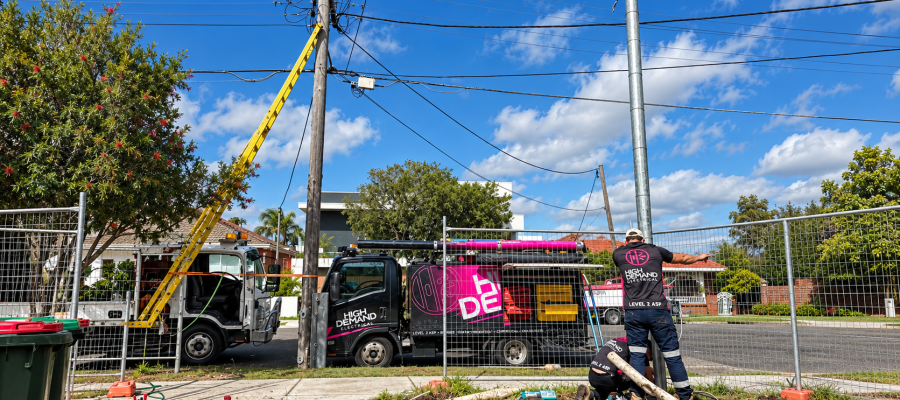
This is where a qualified local electrician becomes important. They can check whether the switchboard has enough capacity, whether safety switches are in place, and whether new circuits are needed. They can also help make sure appliances are installed safely and in line with Australian standards.
For households in regional Western Australia, working with a trusted electrician in Williams can make the process easier because local conditions, property layouts and existing electrical infrastructure can vary from one home to another.
Volt Air supports households with electrical services across parts of WA, including solar, switchboard work and safe appliance installation, which can be helpful for homeowners planning long-term electrification. Their team of skilled electricians can also help homeowners like you plan upgrades in stages, so the move away from gas feels manageable.
Ready to Create an Energy-Efficient Home? Get the Right Advice from Your Local Electricians
Home electrification is becoming part of a wider household conversation in Australia. People are looking at how they heat their homes, cook their food and produce hot water, then ask whether electric alternatives may suit their future needs better.
The shift will not happen in the same way for every household. Some people will start with solar. Others will replace gas hot water first. Some will wait until an appliance reaches the end of its life. That is completely reasonable.
If you are considering electrification, start by looking at the appliances you already use, your energy bills, your roof and solar options, and your home’s electrical capacity. With the right advice and safe installation, moving towards an all-electric home can be a steady, sensible upgrade rather than a rushed decision.
Related Posts