
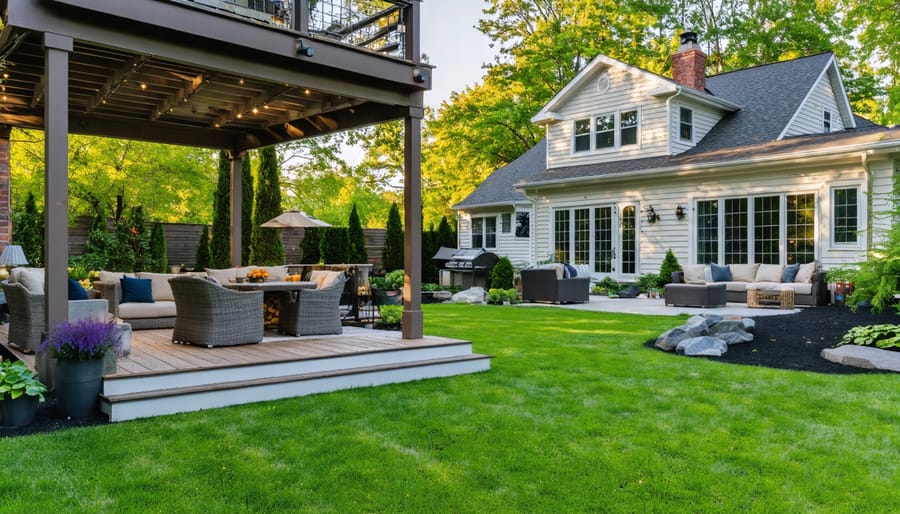
Transform your outdoor living space into a private oasis by strategically layering functional zones – start with a welcoming entertainment deck, transition to a cozy lounging area, and finish with a peaceful garden retreat. Create distinct outdoor rooms using vertical elements like pergolas, privacy screens, and strategic plantings to prepare your backyard for year-round enjoyment.
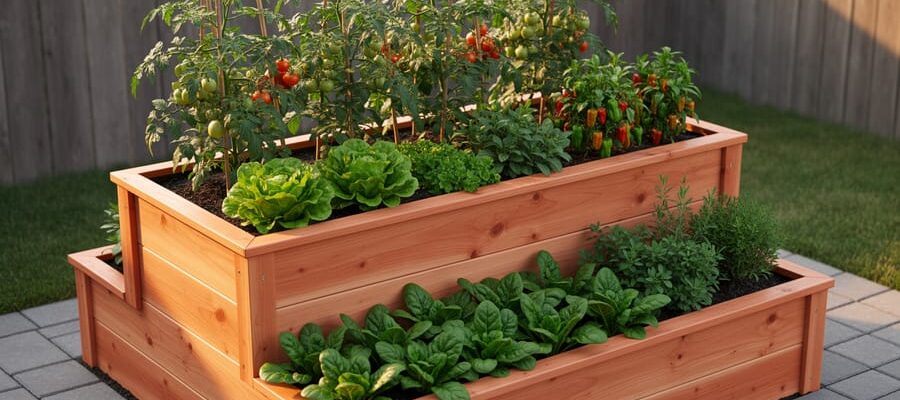
Maximize limited space through multi-functional design elements: built-in seating doubles as storage, raised garden beds serve as boundary markers, and retractable shade solutions provide flexible climate control. Install proper drainage systems and low-maintenance hardscaping first, then layer in lighting, irrigation, and weather-resistant materials that complement your home’s architecture.
Consider your lifestyle needs and local climate when selecting features – outdoor kitchens and fire pits extend usable hours, while water features and native plants create sustainable focal points. Start with a master plan that divides your renovation into manageable phases, allowing for both immediate improvements and future additions as budget permits.
Essential Planning and Preparation
Budget Planning and Timeline Creation
Before you begin to transform your outdoor space, creating a detailed budget and timeline is crucial for project success. Start by breaking down your renovation into distinct phases: design and planning (2-3 weeks), site preparation (1-2 weeks), major construction (3-4 weeks), and finishing touches (1-2 weeks).
For budgeting, allocate your funds across these key areas:
– Design and permits: 5-10% of total budget
– Site preparation and demolition: 10-15%
– Hardscaping (patios, pathways): 20-30%
– Landscaping and plants: 15-20%
– Lighting and electrical: 10-15%
– Furniture and accessories: 10-20%
– Emergency buffer: 10-15%
Consider seasonal timing for your project. Spring and fall typically offer ideal weather conditions for outdoor renovations. Summer projects may face higher contractor costs, while winter work might be limited by weather conditions.
Create a contingency plan for unexpected issues like poor soil conditions or permit delays. Factor in material delivery times, which can range from immediate availability to several weeks for custom items. If you’re DIY-ing portions of the project, add extra time to account for learning curves and potential do-overs.
Remember that proper planning now can prevent costly delays and budget overruns later. Keep all quotes, receipts, and timeline adjustments documented for better project management.
Required Tools and Equipment
Before starting your backyard renovation project, gathering the right tools will ensure smooth execution and professional results. Here’s a comprehensive list of essential equipment you’ll need:
Basic Hand Tools:
– Measuring tape and marking tools
– Shovels (both pointed and flat-edge)
– Garden rake and leaf rake
– Wheelbarrow
– Pruning shears and loppers
– Heavy-duty gloves
– Safety goggles and dust masks
– Level (both standard and laser)
Power Equipment:
– Electric or gas-powered lawn mower
– String trimmer for edges
– Leaf blower
– Power washer for cleaning surfaces
– Electric drill with various bits
– Circular saw for lumber cutting
Specialized Tools (Project-Dependent):
– Post hole digger for fencing or pergolas
– Concrete mixing tools
– Paint rollers and brushes
– Garden hose with adjustable nozzle
– Tamping tool for leveling ground
– Edging tools for landscaping
Many home improvement stores offer tool rental services for expensive or rarely-used equipment. Consider renting larger items like tillers, concrete mixers, or stump grinders if you’ll only need them briefly. Always check that tools are in good working condition before starting your project, and keep basic maintenance supplies like oil, replacement parts, and cleaning materials on hand.
For safety, store your tools in a dry, secure location and maintain them regularly to extend their lifespan and ensure reliable performance.
Core Renovation Elements
Hardscaping Features
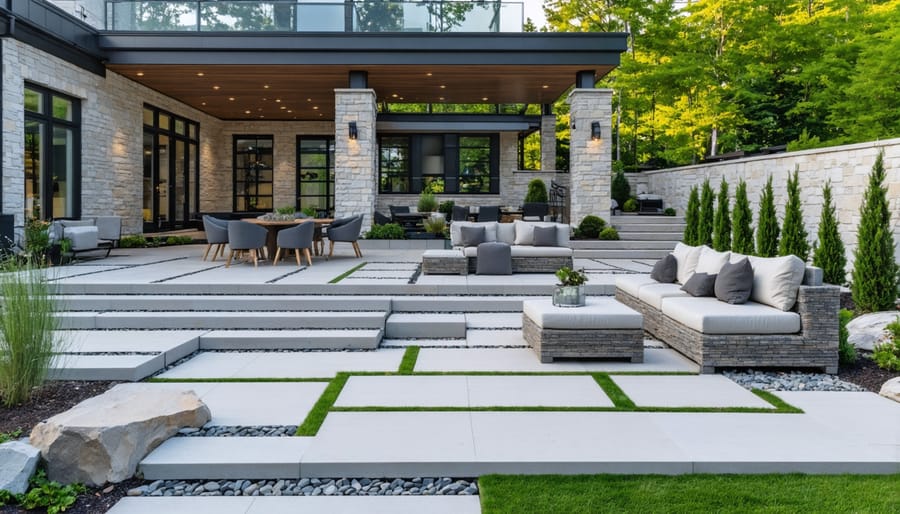
Hardscaping features form the backbone of any well-designed backyard, creating both functional spaces and visual appeal. A thoughtfully installed patio serves as an outdoor living room, perfect for entertaining or relaxing. Popular materials include stamped concrete, which offers endless design possibilities, and natural stone pavers that provide durability and timeless elegance.
Walkways not only connect different areas of your yard but also prevent wear patterns in your lawn. Consider using materials that complement your home’s exterior, such as brick pavers, flagstone, or crushed gravel. For a cohesive look, match your walkway material to your patio or incorporate coordinating border elements.
Retaining walls serve both practical and aesthetic purposes. Beyond preventing soil erosion on sloped properties, they can create attractive terraced gardens or define separate outdoor spaces. Materials like concrete blocks, natural stone, or timber offer different looks and price points. When building retaining walls over 4 feet high, always consult a professional to ensure proper structural integrity.
For added functionality, consider incorporating built-in seating into your retaining walls or adding lighting elements to your walkways. Steps and stairs can be integrated into your hardscaping design, creating smooth transitions between different yard levels while maintaining safety and style.
Remember to plan for proper drainage when installing any hardscaping features. A slight slope away from your house (about 1 inch per 8 feet) will prevent water pooling and protect your home’s foundation. Also consider permeable paving options in areas prone to heavy rainfall, allowing water to naturally filter into the ground.
Landscaping Fundamentals
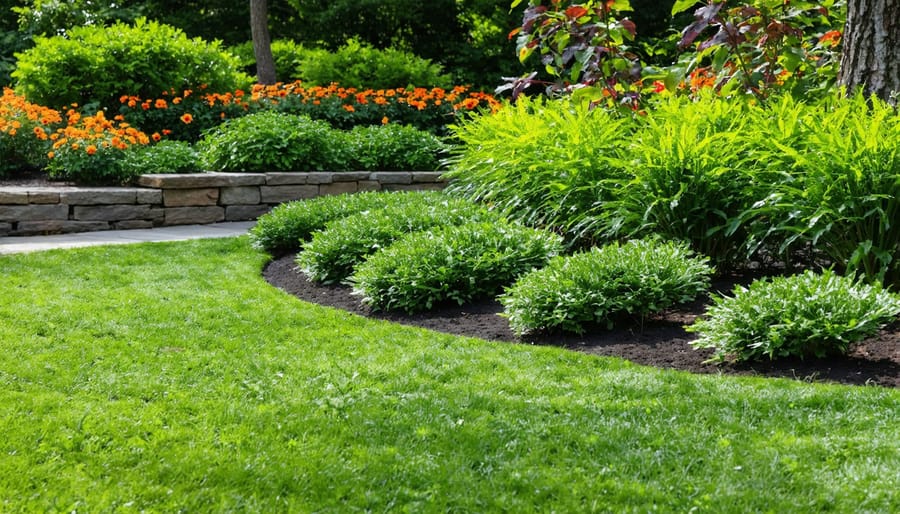
The foundation of any successful backyard transformation lies in understanding basic landscaping design principles and implementing them effectively. Start by evaluating your existing plant life and soil conditions to create a sustainable landscape plan that works with your local climate.
When selecting plants, choose a mix of native and adaptive species that thrive in your area. Layer your plantings with tall trees for shade and privacy, medium-sized shrubs for structure, and ground covers for soil protection. Consider incorporating both evergreen and deciduous plants to ensure year-round visual interest while maintaining a balanced ecosystem.
Lawn renovation begins with proper soil preparation. Test your soil pH and amend it accordingly with organic matter to improve drainage and fertility. For struggling lawns, consider either overseeding thin areas or starting fresh with new turf. Remember to grade the surface slightly away from your house to ensure proper drainage and prevent water accumulation.
Garden beds serve as focal points in your landscape design. Create defined edges using materials like steel edging or natural stone to separate different zones. Build raised beds for vegetables and flowers to improve soil control and make maintenance easier. Layer your soil with a mix of topsoil, compost, and organic matter to provide optimal growing conditions.
For maximum impact, group plants with similar water and sunlight needs together in designated zones. This practice, known as hydrozoning, not only promotes better plant health but also reduces water consumption. Include a mix of flowering perennials for consistent blooms and ornamental grasses for texture and movement.
Remember to plan for future growth and maintenance requirements. Leave adequate spacing between plants, considering their mature size to prevent overcrowding. Install a reliable irrigation system with separate zones for different plant needs, and consider adding mulch to retain moisture and suppress weed growth.
Lighting and Electrical
Proper lighting and electrical planning can transform your backyard from a daytime-only space into a 24-hour outdoor paradise. Start by mapping out essential areas that need illumination: pathways, entertainment zones, and security spots. LED landscape lights are energy-efficient and provide excellent illumination while complementing your watering system installation and other garden features.
For pathway lighting, consider installing low-voltage LED bollards or stake lights spaced 6-8 feet apart. These provide safe navigation while creating an inviting ambiance. Feature lighting can highlight landscaping elements, water features, or architectural details using spotlights or well lights.
When planning electrical work, always consult a licensed electrician to ensure compliance with local codes. Underground wiring must be properly sealed and installed at the correct depth to prevent water damage. Install weather-resistant GFCI outlets strategically around your yard for convenient power access during gatherings or when using outdoor tools.
Smart lighting systems offer additional convenience through automated scheduling and remote control via smartphone apps. These systems can be integrated with motion sensors for security and energy efficiency. Consider installing a dedicated outdoor electrical panel to handle the increased power demands of lighting, entertainment systems, and outdoor kitchen appliances.
For a sustainable approach, solar-powered lights can reduce energy costs and simplify installation by eliminating the need for complex wiring. While they may provide less intense illumination, they’re perfect for accent lighting and areas far from power sources. Remember to position solar panels where they’ll receive maximum sunlight exposure for optimal performance.
Entertainment and Comfort Features
Outdoor Kitchen and Dining Areas
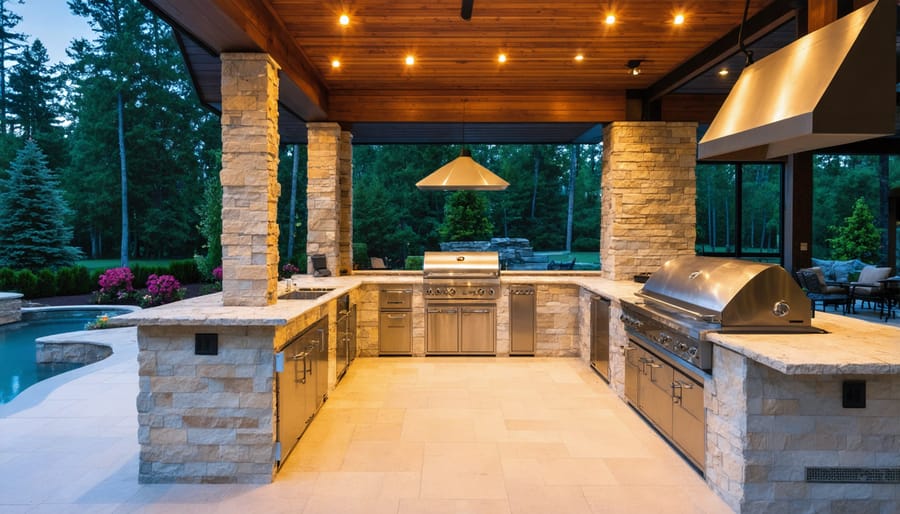
An outdoor kitchen and dining area transforms your backyard into a versatile entertainment space while adding significant value to your property. Start by selecting a location that’s convenient to your indoor kitchen and protected from harsh weather conditions. Consider installing a permanent roof or retractable awning to ensure year-round usability.
For the cooking area, begin with essential elements like a built-in grill, counter space for food prep, and storage cabinets. Weather-resistant materials such as stainless steel and marine-grade polymer are ideal for appliances and storage units. Include a sink with hot and cold water connections for easy cleanup and food preparation.
When planning the dining space, account for regular family meals and occasional entertaining. A table that seats 6-8 people works well for most households. Choose furniture made from durable materials like teak, aluminum, or weather-resistant wicker. Add ambient lighting with string lights or built-in LED fixtures to extend outdoor dining into the evening hours.
Consider adding convenience features like a mini-fridge, ice maker, or pizza oven depending on your cooking preferences. Install adequate electrical outlets for small appliances and charging devices. A nearby herb garden can provide fresh ingredients while adding visual appeal.
For comfort and functionality, incorporate features like ceiling fans, outdoor speakers, and screening solutions to keep insects at bay. Plan your layout with clear traffic patterns between cooking and dining areas. Include adequate ventilation above cooking surfaces to manage smoke and cooking odors.
Remember to check local building codes and obtain necessary permits before construction. Proper drainage and utilities installation are crucial for a successful outdoor kitchen project.
Shade Structures and Seating
Creating a comfortable outdoor living space starts with proper shade and seating options. Pergolas offer a versatile solution, providing partial shade while allowing you to grow climbing plants for additional coverage. These structures can be built from various materials, including weather-resistant cedar, maintenance-free vinyl, or modern aluminum, each offering unique benefits for different budgets and styles.
For more complete protection from the elements, pavilions provide solid roofing and can be equipped with ceiling fans, lighting, and even outdoor entertainment systems. When planning your shade structure, consider local building codes and proper anchoring methods to ensure safety and longevity.
Seating arrangements should complement your shade structure while maximizing comfort and functionality. Deep-seated outdoor sofas with weather-resistant cushions create an inviting atmosphere, while built-in benches along pergola posts optimize space usage. Consider incorporating a mix of seating options: conversation sets for social gatherings, individual chairs for flexibility, and perhaps a porch swing or hanging chairs for added charm.
Storage-equipped seating solutions help keep cushions and outdoor accessories protected from the elements. When selecting materials, opt for all-weather wicker, powder-coated aluminum, or teak furniture that can withstand various weather conditions. Add comfort with fade-resistant, quick-drying cushions in colors that complement your overall backyard design.
Remember to create distinct zones within your seating area – perhaps a dining space under the pavilion and a casual lounge area beneath the pergola. This zoning approach helps define spaces while maintaining a cohesive outdoor living environment that can be enjoyed throughout different times of the day and seasons.
Water Features and Fire Elements
Water features and fire elements can transform your backyard into a sensory retreat, combining the soothing sounds of flowing water with the warmth and ambiance of flickering flames. A strategically placed fountain can serve as a stunning focal point while masking unwanted noise from nearby streets or neighbors. Consider options ranging from simple tabletop fountains to grand tiered installations, depending on your space and budget.
For water features, start small with a self-contained water bowl or ready-made pond kit. These typically include all necessary components and are relatively easy to install. If you’re feeling more ambitious, a custom-built pond with fish and aquatic plants can create a thriving ecosystem in your backyard. Remember to include proper filtration and maintain appropriate water depth for your climate zone.
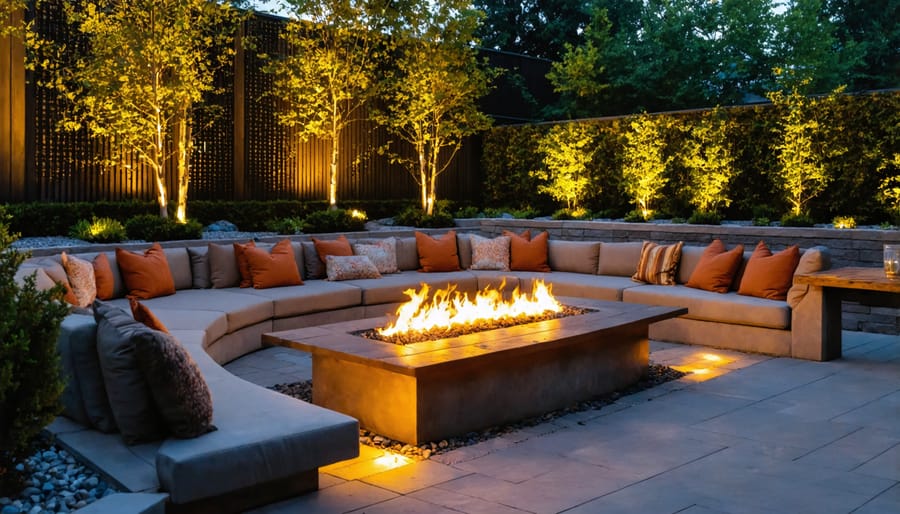
Fire pits and fireplaces have become must-have features for outdoor entertainment. A portable fire pit offers flexibility and requires minimal installation, while a permanent stone or brick fireplace makes a bold statement. When planning fire elements, consider fuel type options: wood-burning for traditional charm, gas for convenience, or bio-ethanol for eco-friendly operation.
For maximum impact, combine water and fire elements. A fire bowl perched above a reflecting pool or a fountain flanked by torch features creates dramatic contrast. Always check local regulations regarding fire features and maintain safe distances from structures and combustible materials. Regular maintenance of both water and fire elements will ensure years of enjoyment and protect your investment.
Maintenance Considerations
A successful backyard renovation requires thoughtful consideration of ongoing landscape maintenance to protect your investment and keep your outdoor space looking its best. Different elements require varying levels of care, so it’s essential to plan for these responsibilities from the start.
Hardscaping features like patios and retaining walls need regular inspection for cracks or settling, especially after severe weather. Seal concrete and natural stone surfaces every 2-3 years to prevent water damage and staining. Wooden structures, including decks and pergolas, should be cleaned annually and resealed or restained every 2-4 years to prevent rot and maintain their appearance.
For water features, establish a weekly cleaning schedule to prevent algae growth and ensure proper pump function. Check filters monthly and prepare for winterization in colder climates. Artificial turf requires periodic brushing to maintain its upright position and occasional sanitizing to prevent odors.
Garden beds need consistent attention with seasonal tasks like mulching, pruning, and plant division. Install an automated irrigation system with rain sensors to maintain proper soil moisture while conserving water. Consider using native plants that require less maintenance and are better adapted to local conditions.
Outdoor lighting systems should be checked quarterly for damaged fixtures or exposed wiring. Clean fixtures regularly and replace bulbs proactively to maintain consistent illumination. Keep drainage systems clear of debris and inspect them after heavy rainfall to prevent water pooling and foundation issues.
Remember to maintain your tools and equipment properly, as they’re essential for ongoing upkeep. Create a maintenance calendar to track regular tasks and seasonal requirements, ensuring nothing gets overlooked.
Transforming your backyard into a personal oasis doesn’t have to be overwhelming. Whether you’ve chosen to create a cozy entertainment area, install a stunning water feature, or develop a thriving garden space, the key is to approach your renovation project with careful planning and realistic expectations. Remember that successful backyard renovations often combine both functional and aesthetic elements, creating spaces that not only look beautiful but also serve your lifestyle needs.
Start small if you’re feeling uncertain – perhaps with a simple deck expansion or garden bed installation – and gradually work your way up to larger projects as your confidence grows. Consider your local climate, maintenance requirements, and budget constraints when selecting features for your outdoor space. Don’t forget that many renovation projects can be completed in phases, allowing you to spread both the work and the cost over time.
Most importantly, take action now to begin your backyard transformation. With proper planning and execution, you’ll soon be enjoying an outdoor space that adds value to your home and creates lasting memories for years to come.
Related Posts

Post a Comment