Dealing with a plumbing crisis often presents as a stress-laden challenge for many homeowners. Be it an unmanageable leak, a burst pipe, or a blocked drain — each of these signifies a plumbing crisis that requires immediate attention. When facing such emergencies, effective safety precautions are indispensable to prevent personal harm and mitigate property damage. This article explores the common types of plumbing crises, the importance of safety measures, steps to navigate emergencies, preventive actions, and understanding the legalities surrounding plumbing safety.
Identifying Common Plumbing Crises
Each plumbing emergency carries its unique tell-tale signs. Recognizing these crises early is vital as it could curtail their potential damage. For instance, a damp spot on the wall may signal a hidden pipe leakage, while a slow-draining sink might indicate a blockage. Other common crises include gurgling toilets, low water pressure, or an unpredictable hot water system — each having its own set of potential damages ranging from structural harm to inflated utility bills.
Basic Safety Precautions During Plumbing Crises
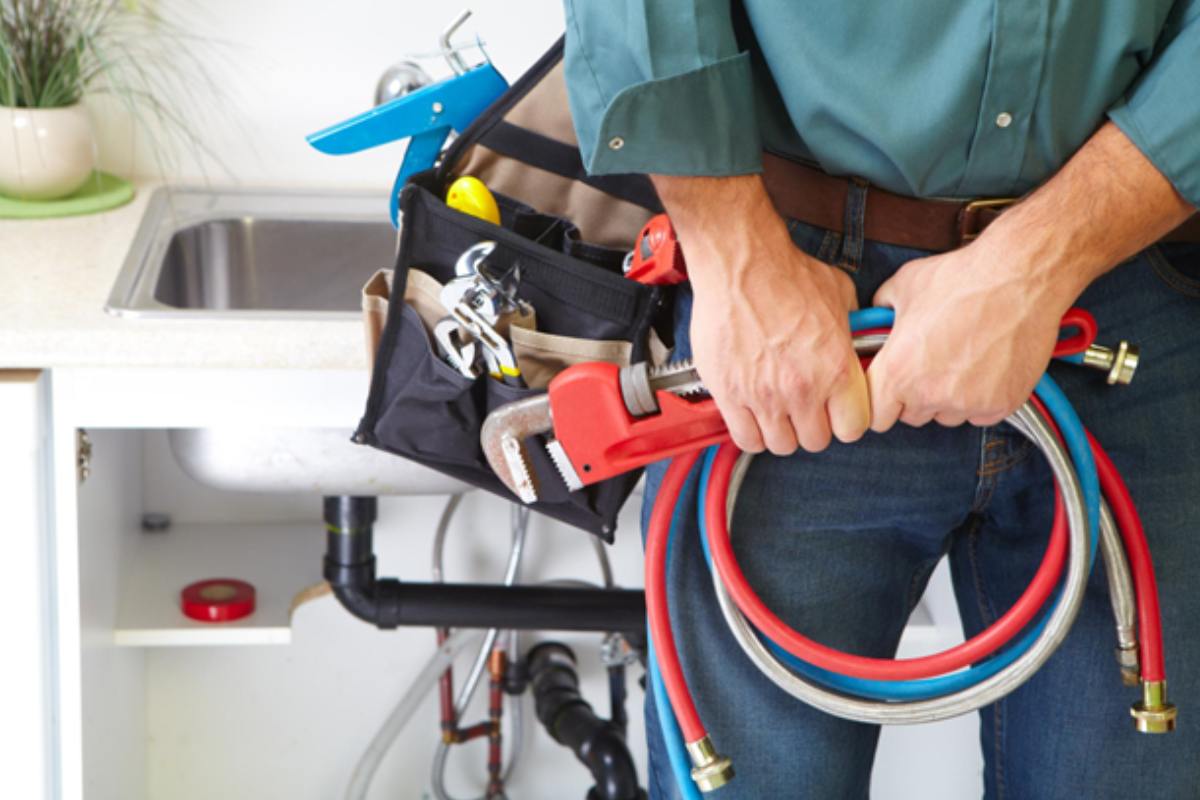
In the face of a plumbing emergency, safety must never be compromised. Essential safety gear like rubber gloves, safety goggles, and sturdy footwear should be at arm’s length. Furthermore, knowledge of handling plumbing equipment safely cannot be overstated to prevent injuries.
For example, switching off electrical and water supply units when dealing with water leaks can eliminate potential risks. Hence, every homeowner must acquaint themselves with the fundamental safety precautions to reduce dangers while tackling a plumbing crisis.
Step-By-Step Guide to Navigating Plumbing Emergencies
Ideally, upon identifying a plumbing issue, the first step should be to shut off the water supply to prevent further damage. Secondly, consider reaching out to professional help. You’ll need a reliable, trustworthy plumber to address significant issues, ensuring that safety is paramount when working through a crisis. Additionally, having a grasp of basic preventive measures, such as routinely checking for signs of leaks or potential blockages, contributes greatly to maintaining safety.
Preventive Measures to Avoid Plumbing Crise
An effective way to bypass plumbing issues is routine check-ups and timely maintenance. Involve professionals in inspections, as they can detect and resolve nascent issues, preventing full-blown crises. As a homeowner, keeping an eye out for signs of potential plumbing problems is essential. For example, observing changes in your water bill, detecting foul smells, or noticing fluctuations in water pressure can all serve as early warning signs.
Legal Aspects and Regulations Surrounding Plumbing Safety
Each region stipulates its local and national laws concerning plumbing safety, and these regulations protect both homeowners and professionals. From guidelines on appropriate gear to the safe handling of materials — disregard for these regulations can result in severe legal repercussions. Hence, it proves beneficial to involve certified plumbers who ensure their practices conform to safety regulations.
Conclusion
The significance of safety precautions during plumbing crises cannot be overstated. They serve to protect one’s well-being and prevent unnecessary property damage. Tackling emergencies single-handedly may seem tempting, but engaging professionals in significant crises is advisable. Becoming conversant with preventive measures is integral to mitigating future emergencies. Lastly, always remember: prompt action coupled with attention to safety during a plumbing crisis can save the day.
Related Posts