Watch any experienced nail tech work, and something becomes obvious. They make everything look ridiculously easy. Clients leave with perfect nails while the tech barely seems to break a sweat. Meanwhile, newcomers struggle with basic shaping and wonder what they’re missing.
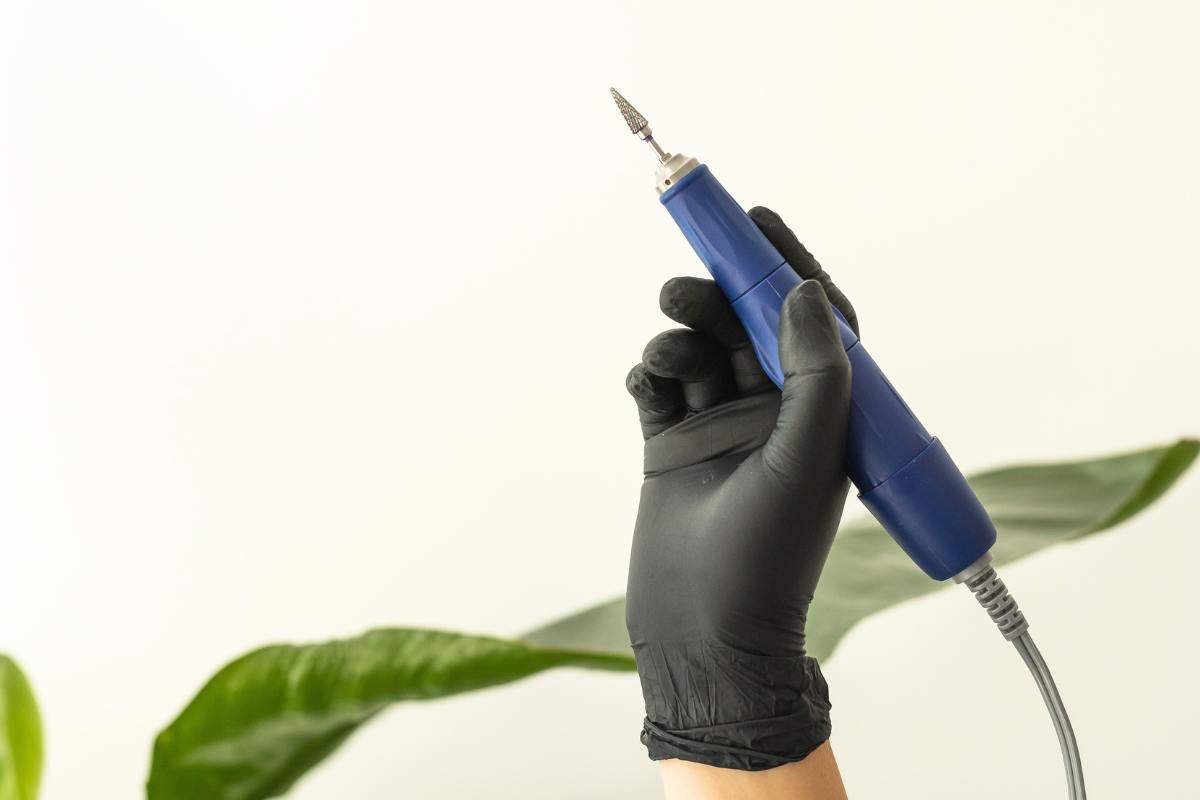
The difference isn’t natural talent. It’s knowing tricks that only come from years of trial and error. These shortcuts save time, prevent mistakes, and keep clients happy. Most of these insider secrets revolve around maximising the benefits of an electric nail file through techniques that aren’t typically taught in basic training courses.
1. Speed Isn’t Everything (But Knowing When to Use It Is)
New techs often think faster equals better. Wrong. Different nails need different speeds, and experienced professionals adjust constantly. Understanding nail characteristics determines the appropriate speed setting, not rushing to finish appointments quickly.
Here’s when to speed up or slow down:
- Thick nails: Higher speeds work great without overheating. These nails can handle the power and benefit from more aggressive filing techniques.
- Thin nails: Slow and steady prevents splits and breaks. Rush these, and disaster follows with damaged nails that require extensive repair work.
- Damaged nails: Variable speeds throughout the process. Start gently, increase as needed based on how the nail responds to treatment.
Reading nails correctly prevents those awkward moments when clients flinch from too much heat or pressure.
2. Heat Management (Because Nobody Likes Burnt Fingertips)
Heat buildup kills the relaxing salon experience. Clients get uncomfortable, techs get stressed, and everyone wishes the appointment would end. Managing heat requires understanding both file mechanics and proper application techniques that prevent uncomfortable temperature increases.
Smart techs prevent heat problems:
- Take breaks: Pause every few strokes. Nails and files both need cooling time to prevent uncomfortable heat buildup that ruins the experience.
- Light pressure: Heavy hands create friction and heat. Gentle pressure works better anyway and produces smoother, more controlled results.
- Change angles: Moving around distributes heat instead of concentrating it in one spot. This technique also creates more even shaping across the nail surface.
These simple adjustments keep everyone comfortable while maintaining work quality.
3. Grit Selection That Makes Sense
Most people think grit progression is simple: coarse to fine. Reality is more complicated. Smart grit choices reduce overall work time while producing better results that require less finishing work later in the process.
Professional grit strategy:
- Start aggressive (when appropriate): Coarse grits remove length fast without endless back-and-forth. This approach saves time when significant length reduction is needed.
- Skip grits sometimes: Going directly from coarse to fine works for certain nail types. Understanding when to break traditional rules speeds up the entire process.
- Fine finishing matters: The final grit determines how polish looks and lasts. Proper finishing creates smooth surfaces that hold color better and longer.
Understanding when to break the rules speeds up the entire process.
4. Tool Maintenance That Prevents Disasters
Nothing ruins a day faster than equipment failure mid-appointment. Regular maintenance prevents embarrassing breakdowns and extends tool life significantly. Proper care routines keep equipment functioning at peak performance while avoiding costly replacement expenses.
Essential maintenance habits:
- Clean constantly: Nail dust clogs everything. Clear it frequently during use to maintain optimal performance and prevent overheating issues.
- Store properly: Protect bits from damage. Replace damaged attachments before they cause problems or create poor results for clients.
- Rotate equipment: Using multiple bits prevents overheating and excessive wear. This practice extends tool life while ensuring consistent performance.
These habits seem obvious, but get skipped when schedules get busy.
Conclusion
Professional nail techniques aren’t mysterious secrets. They’re practical solutions developed through experience and repetition. Understanding tool capabilities and client needs transforms routine appointments into smooth, efficient processes. These methods separate good techs from great ones while keeping clients satisfied and returning.
Related Posts